
When To Cut Back Purple Fountain Grass: Pruning Guide
Cut back purple fountain grass in late winter or early spring, just before new growth starts. In most parts of the United States, wait until the risk of hard frost has passed. Cut the old clumps to about 4 to 6 inches above the soil.
For USDA Hardiness Zones 9–11, this is often done from February through April. In colder areas, wait until spring and confirm that the plant has survived winter. If you grow purple fountain grass as an annual, remove it after the first hard frost or leave the dry foliage in place for winter interest, then clear it in spring.
Why the Timing Matters
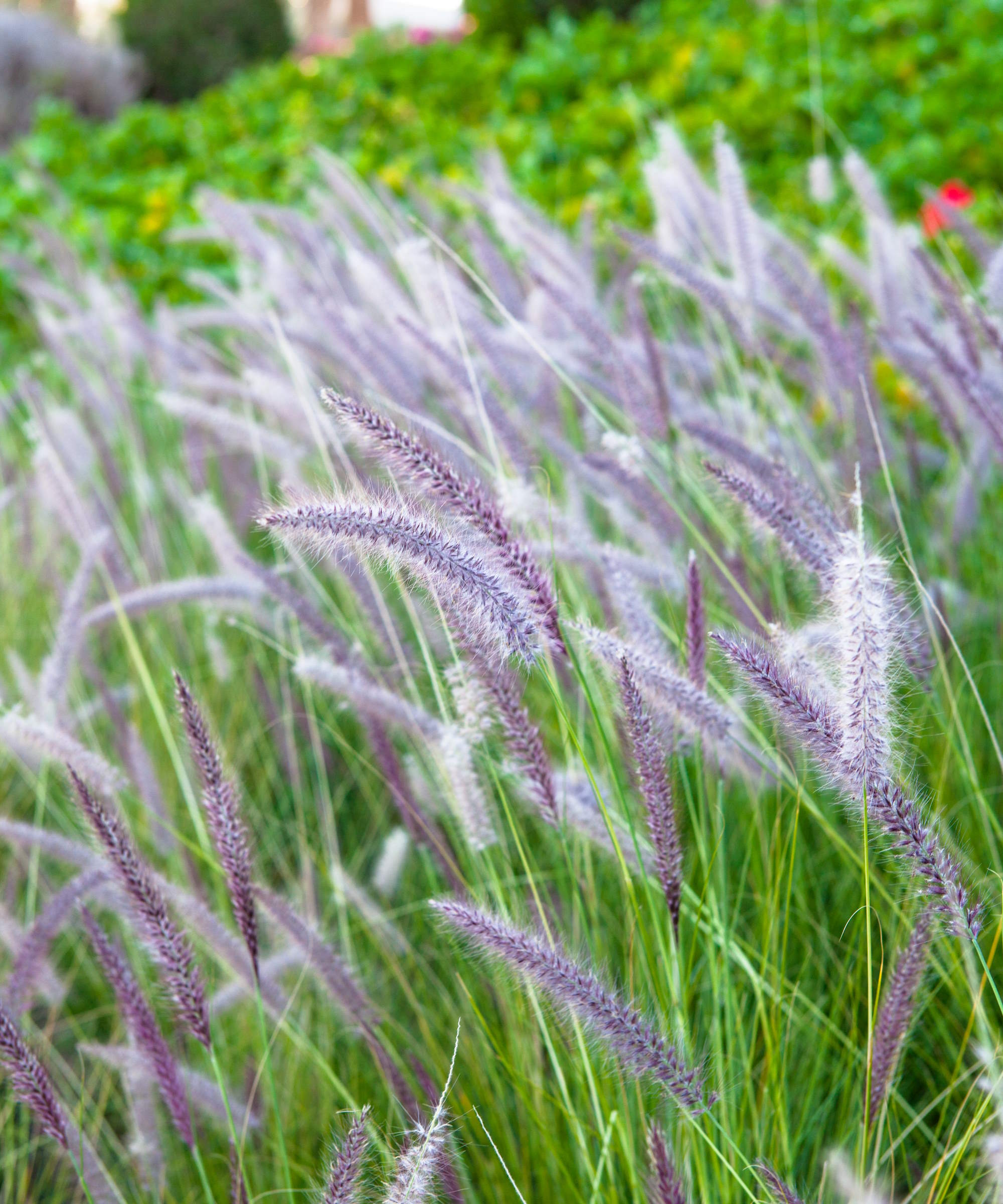
Purple fountain grass (Pennisetum setaceum ‘Rubrum’) is a warm-season ornamental grass. It grows best when soil and air temperatures rise in spring. Its old leaves protect the crown, which is the low central part of the plant where new shoots form.
Cutting too early can expose that crown to cold, frost, and wet weather. It can also remove cover that helps protect the plant from winter damage.
Cutting too late is less harmful, but it can make spring cleanup harder. New shoots may already be growing through the old stems. Cutting then can damage the fresh tips and leave the plant looking uneven.
The best window is simple:
- Wait until winter has mostly passed.
- Check for new green shoots near the base.
- Cut the old growth before those shoots become tall.
- Leave a short mound of stems to protect the crown.
The University of Florida IFAS Extension and several state extension services classify purple fountain grass as a warm-season grass. That means it starts active growth later than cool-season grasses such as fescue.
The Best Cutting Time by U.S. Region
Your local climate matters more than the calendar date. Use your USDA Hardiness Zone and recent weather as a guide.
| U.S. region | Common timing | What to watch for |
|---|---|---|
| Gulf Coast and southern Florida | February to March | New growth may begin early |
| Southern California and the Southwest | February to March | Dry weather and local plant rules may matter |
| Southeast and lower Mid-Atlantic | March to April | Wait until hard freezes are unlikely |
| Pacific Northwest | March to April | Cool, wet soil may delay new growth |
| Midwest and Northeast | April to early May | Treat it as tender unless it survives winter |
| Mountain and northern states | April to May | Cut after snow and hard frost have passed |
This table gives a general guide, not a fixed rule. A warm spring can speed up growth. A late freeze can delay the safe cutting date.
In Zones 9–11, purple fountain grass may return as a perennial. In colder zones, it often dies back or fails to survive winter. The plant may still return after a mild winter, but survival depends on temperature, drainage, shelter, and the plant’s exact location.
Should You Cut Purple Fountain Grass in Fall?
Usually, no. Fall is not the best time for a full cutback if you want to protect the plant through winter.
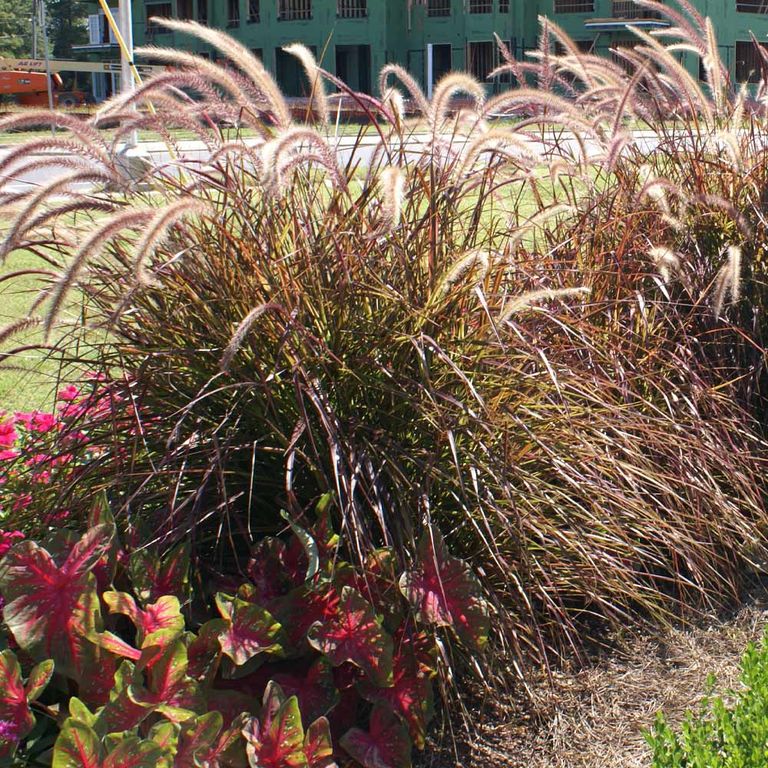
The old leaves help shield the crown from cold and excess moisture. They also provide texture and seed heads for winter interest. In areas where the plant can survive, keeping the foliage until spring is often the safer choice.
You may cut it in fall when:
- The grass is clearly dead and you are treating it as an annual.
- The plant has a serious pest or disease problem.
- The dry foliage creates a fire concern.
- Local rules require removal of dry ornamental grasses.
- The plant blocks a path or creates a safety issue.
If you cut it in fall, leave 4 to 6 inches of stems rather than cutting into the crown. Remove the clippings from the bed if they are wet, moldy, or diseased.
Dry ornamental grasses can burn quickly. Keep them away from buildings, grills, fire pits, and other heat sources. Follow local fire guidance, especially in dry parts of the West.
How to Cut Back Purple Fountain Grass
You need bypass pruners for small plants or hedge shears for a large clump. Thick gloves help protect your hands because grass blades can be sharp.
Follow these steps:
- Check the weather. Choose a dry day after the worst winter cold has passed.
- Inspect the base. Look for firm green shoots near the center of the clump.
- Tie the foliage. Wrap twine around the grass about 12 inches above the ground. This keeps loose stems together.
- Make the cut. Cut the clump to 4 to 6 inches above the soil.
- Avoid the crown. Do not dig into or slice across the central base.
- Clear the bed. Remove loose leaves and dead stems from around the plant.
- Clean your tools. Wipe blades with rubbing alcohol before and after pruning, especially if the plant looks diseased.
Do not shear the grass down to bare soil. A short layer of old stems helps mark the crown and reduces the chance of accidental damage.
If new growth is already several inches tall, cut around it with care. You can remove the old stems in small sections instead of making one large cut.

How Much Should You Cut?
Leave about 4 to 6 inches of stubble. This height protects the base while giving new shoots room to emerge.
A mature clump can look large above the soil but have a compact crown below it. Cutting into that crown may injure growing points. It can also create open wounds that stay wet during cool spring weather.
Use these measurements as a guide:
- Young or small clump: Leave 3 to 4 inches.
- Large, established clump: Leave 4 to 6 inches.
- Very cold location: Leave closer to 6 inches until growth resumes.
- Dead annual plant: Cut low, but do not disturb nearby bulbs or perennials.
The goal is not to make the plant perfectly short. The goal is to remove old foliage while keeping the living base safe.
What to Do After Cutting
Purple fountain grass needs warmth more than heavy feeding after pruning. Once new growth appears, remove weeds and keep the soil evenly moist while the plant wakes up.
Do not keep the soil soggy. Poor drainage can damage the crown and cause rot. Allow the top layer of soil to dry slightly between waterings, especially in heavy clay.
After the grass begins active growth, apply a thin layer of compost or a balanced slow-release fertilizer if the soil is poor. Avoid heavy fertilizer. Too much nitrogen can cause weak, floppy growth.
Check the clump after several weeks:
- New green shoots: The plant is recovering normally.
- Brown, soft, or foul-smelling base: The crown may have rotted.
- No growth by late spring: Winter injury, poor drainage, or a dead plant may be the cause.
- Thin growth around the edges: The clump may need division or better light.
Purple fountain grass grows best in full sun. Aim for at least six hours of direct light when possible. Shade can produce fewer flower plumes and weaker stems.

What If Purple Fountain Grass Does Not Come Back?
First, wait for warm weather. Purple fountain grass is slow to start in cool soil, so a bare clump in early spring does not always mean the plant is dead.
Use this simple test:
- Scratch the surface of a lower stem with your fingernail.
- Look for green tissue under the outer layer.
- Gently bend the stem.
- Check the crown for firm tissue and small shoots.
Green tissue and firm roots are signs of life. Completely brown stems, a hollow crown, or soft roots point to winter damage or rot.
If the top growth is dead but the crown is firm, cut away the dead material and wait. Do not water heavily to force growth. Extra water cannot revive dead roots and may worsen crown rot.
Replace the plant when:
- The crown is soft or black.
- Roots smell rotten.
- No shoots appear after consistent warm weather.
- The plant was exposed to extreme cold beyond its normal range.
- It was grown as an annual and has naturally reached the end of its season.
In colder areas, overwintering purple fountain grass in a container can be more reliable than leaving it outdoors. Move the pot to a bright, protected place before frost, reduce watering, and keep the plant cool but above freezing.
Common Mistakes to Avoid
Cutting too early
A warm spell in winter can trigger small shoots. A later freeze may kill them. Wait for a steady spring pattern rather than pruning during a short warm spell.
Cutting into the crown
The crown contains the plant’s growing points. Keep the blade above the base and leave several inches of old stems.
Using dull tools
Dull blades crush stems instead of making clean cuts. Crushed tissue heals slowly and can collect moisture.
Leaving wet debris in the clump
Old, wet leaves can block air flow. This may encourage mold and rot. Remove loose debris after pruning.
Assuming every fountain grass is equally hardy
“Fountain grass” can refer to several species and cultivars. Purple fountain grass is usually more tender than some hardy fountain grasses. Check the plant label before deciding whether it can stay outdoors all winter.
Letting seed heads spread without checking local rules
Purple fountain grass can produce seed in warm climates. Some regions list related fountain grass species as invasive or potentially invasive. Check your state or local extension service before planting, composting, or spreading seed heads.
Purple Fountain Grass Cutback Checklist
Use this quick checklist before you prune:
- Winter cold has mostly passed.
- New growth is just starting or has not grown far.
- The plant is not sitting in water.
- Your pruners or shears are sharp and clean.
- You have gloves and a way to tie the stems.
- You will leave 4 to 6 inches at the base.
- You have checked for local fire or invasive-plant rules.
The main decision is whether the plant is a surviving perennial or a dead annual. If it is still alive, prune in late winter or early spring. If it is dead and presents a fire or cleanup concern, remove it after frost while protecting nearby plants.

Frequently Asked Questions
Can I cut purple fountain grass all the way to the ground?
You can remove nearly all of the old foliage, but it is safer to leave 4 to 6 inches. Cutting into the crown may damage the plant and make recovery less likely.
Does purple fountain grass need to be cut back every year?
If it survives winter, annual spring pruning keeps the plant neat and allows new growth to show clearly. If it is grown as an annual, remove the dead plant at the end of the season or clear it in spring.
Should I remove the flower plumes?
You do not need to remove the plumes before spring pruning. Leave them for winter texture, or remove them earlier if you want to limit seed spread or keep the plant tidy.
Can purple fountain grass survive a freeze?
It may survive a light freeze in a warm climate, but repeated hard freezes can kill the crown. Containers are more vulnerable because their roots have less insulation than roots in the ground.
Why is my purple fountain grass turning brown?
Brown foliage can result from winter dormancy, drought, frost, poor drainage, or natural aging. Brown leaves alone do not prove that the crown is dead. Check the base for firm tissue and new shoots.
Final Recommendation
For most U.S. gardens, cut back purple fountain grass in late winter or early spring, after the worst frost has passed and before strong new growth gets tall. Tie the old foliage, cut it to 4–6 inches, protect the crown, and clear away wet debris.
If you live in a cold region, treat the plant as tender and wait for clear signs of spring growth. When in doubt, prune later rather than too early.

Laura Bennett is a gardening writer at MyGardenLabs who creates beginner-friendly guides focused on solving common plant care and gardening problems.


