How To Grow Bonsai Plants: Easy Step-By-Step Guide
Start small, pick the right tree, water smart, prune regularly, and learn by doing.
I have grown bonsai for over a decade, and I will walk you through exactly how to grow bonsai plants with clear steps, practical tips, and mistakes to avoid. This guide covers species choice, soil and pots, watering, pruning, wiring, repotting, pest care, and my real-world lessons so you can confidently start and maintain beautiful bonsai at home. Read on to learn how to grow bonsai plants the right way—whether you want a serene indoor display or a hardy outdoor tree.
Understanding bonsai basics
Bonsai is living art. It uses pruning, wiring, and potting to shape a tree into a miniature form. Learning how to grow bonsai plants starts with respect for the tree's needs. Bonsai are not genetically dwarfed; they are regular trees kept small by care.
My early bonsai taught me patience. I killed a few by overwatering and by wiring too tightly. Those mistakes taught me the basics faster than any book.

Picking the right species and style
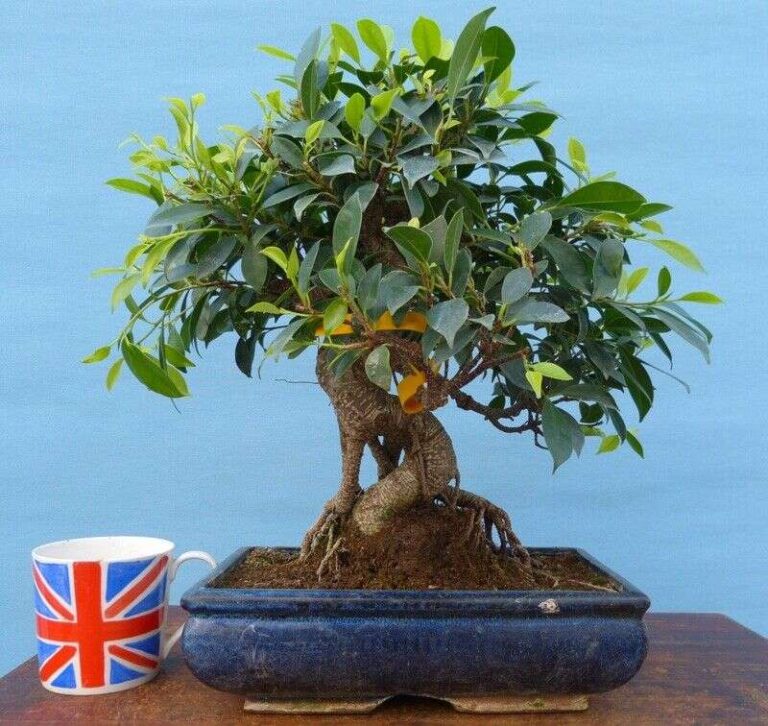
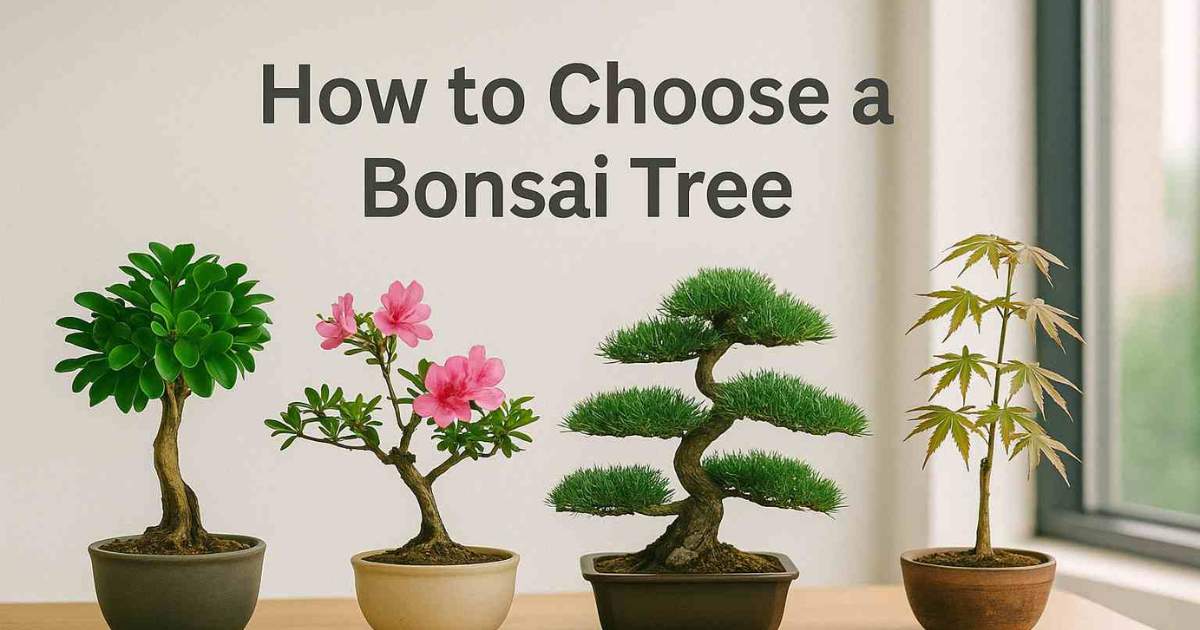
Choosing the right species makes growing bonsai plants easier. For beginners, pick resilient species. Good starter trees include ficus for indoors, juniper for outdoor bonsai, and Chinese elm for flexible care.
Match style to the species. Some trees like informal upright shapes. Others, like pines, do well with windswept or formal styles. Pick a style you enjoy and a tree that tolerates your climate.

Tools and materials you need
Simple tools make big tasks easier. Get these basics before you start:
- Concave branch cutters: clean cuts heal fast.
- Wire in aluminum or annealed copper: for shaping branches.
- Small shears: for trimming leaves and roots.
- Root rake and chopsticks: for working soil and roots.
- Watering can with a fine rose: gentle watering helps.
Having the right tools helped me avoid jagged cuts and poor wiring early on. Proper tools save the tree and your time.
Soil, pots, and potting
Soil matters more than most beginners think. Typical bonsai soil mixes drain well and hold some moisture. A common mix uses:
- Akadama or calcined clay: retains moisture and gives structure.
- Pumice: improves drainage and holds nutrients.
- Lava rock or grit: adds drainage and prevents compaction.
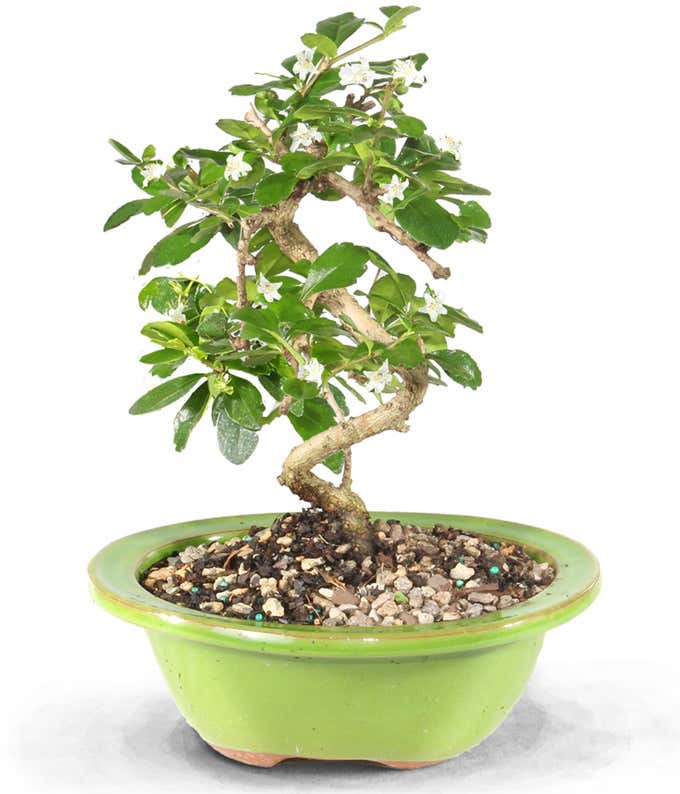
Use shallow ceramic or clay pots with drainage holes. When potting, prune a third of the roots for most older bonsai. Fresh soil gives trees oxygen and space to grow.
How to grow bonsai plants depends a lot on soil quality. Good soil prevents root rot and keeps feeding consistent.
Watering and feeding
Watering is the first skill to master when learning how to grow bonsai plants. Water deeply until it flows out of the drainage holes. Then let the top soil dry slightly before watering again. Frequency varies by species, pot size, and weather.
Fertilize during the growing season. Use balanced, slow-release fertilizer or liquid feed every two weeks in spring and summer. Reduce feeding in fall and stop in winter for temperate outdoor trees.
How often should I water a bonsai?
Water when the top quarter inch of soil is dry. In summer that may be daily; in winter every few days to weekly. Check by touch, not a schedule.
Can you overwater bonsai?
Yes. Overwatering causes root rot and yellow leaves. Well-draining soil and proper pot choice prevent this.

Pruning, shaping, and wiring
Pruning and wiring shape bonsai and maintain size. There are two types of pruning:
- Maintenance pruning: trims new growth to keep shape.
- Structural pruning: removes larger branches to define the main form.
Wire branches to guide growth. Wrap gently and leave wire on for a few months. Remove wire before it cuts into bark.
A rule I follow: prune often, cut little. Small, steady changes are safer than dramatic reshaping. That lesson saved a prized juniper from a near-disaster.
When should I wire a bonsai?
Wire in the growing season when branches are flexible. Check wire weekly and remove before it digs into the bark. Wiring too tightly causes scars.
Repotting and root care
Repotting refreshes soil and prevents root binding. Young trees need repotting every 1–2 years. Older trees may wait 3–5 years. Spring, just before new growth, is the best time.
During repotting, trim long roots and comb fine roots evenly. Use fresh soil and a slightly larger pot only when needed. Proper root care is a core skill for how to grow bonsai plants long-term.

Pests, diseases, and seasonal care
Bonsai can get pests like aphids, spider mites, and scale. Inspect leaves and branches weekly. Use gentle insecticidal soaps or horticultural oils when needed.
Seasonal care matters. Protect outdoor bonsai from extreme cold with mulch or a cold frame. Move indoor bonsai to bright spots in winter and avoid drafts. Healthy trees resist pests and disease better.
Common mistakes and troubleshooting
Beginners often make the same errors. Avoid these common traps:
- Overwatering: root rot is common and deadly.
- Under-potting soil: poor soil holds too much water or too little nutrients.
- Wiring left too long: wire scars branches.
- Rushing pruning: heavy cuts stress the tree.
If leaves yellow, check roots and watering first. If branches die after wiring, remove wire and prune damaged areas.
Learning how to grow bonsai plants demands observation. Keep a notebook with dates of watering, pruning, and repotting. Tracking helps you spot problems early.
Personal experience and lessons learned
I began with impulse buys and learned the hard way. My first ficus died from salt buildup. Since then I flush soil and use measured fertilizer. I also learned to let a tree recover between major pruning or styling sessions.
A small success: a bonsai elm I pruned every season grew denser and healthier over five years. That steady care shows how to grow bonsai plants through patience, not speed.
People also ask — quick questions you might have
Will any tree species make a good bonsai?
Not every species makes bonsai well. Choose species with small leaves and good ramification. Some species are better for indoor or outdoor conditions.
How long before a bonsai looks like a finished tree?
It takes years to decades. You can create a pleasing form in a few seasons, but true refinement comes slowly. Patience is part of the practice.
Can I grow a bonsai indoors year-round?
Some tropical species like ficus can live indoors year-round with bright light. Most classic bonsai species prefer seasonal outdoor exposure.
Frequently Asked Questions of how to grow bonsai plants
What is the easiest bonsai tree for beginners?
The easiest include ficus, Chinese elm, and juniper. These handle pruning and mistakes better than sensitive species.
How often should I repot a bonsai?
Repot young trees every 1–2 years and older trees every 3–5 years. Timing depends on root growth and soil condition.
How much light does a bonsai need?
Most bonsai need bright light. Outdoor species want full sun or part sun. Indoor bonsai need a bright window or supplemental grow light.
How do I prevent root rot?
Use well-draining soil and pots with drainage holes. Water only when the top layer of soil is slightly dry.
Is wiring safe for the tree?
Yes if done correctly. Use proper wire and check often. Remove wire before it cuts in to avoid permanent scars.