How To Tend A Bonsai Tree: Essential Care Tips
Tend your bonsai by learning its needs: water, light, soil, pruning, and seasonal care regularly.
I have tended bonsai for years and helped beginners save sick trees. This guide on how to tend a bonsai tree brings clear steps, simple rules, and real-life tips so you can grow a healthy, beautiful miniature tree. Read on to learn practical routines, avoid common mistakes, and gain confidence with daily and seasonal care for your bonsai.
Understanding your bonsai: species, style, and goals
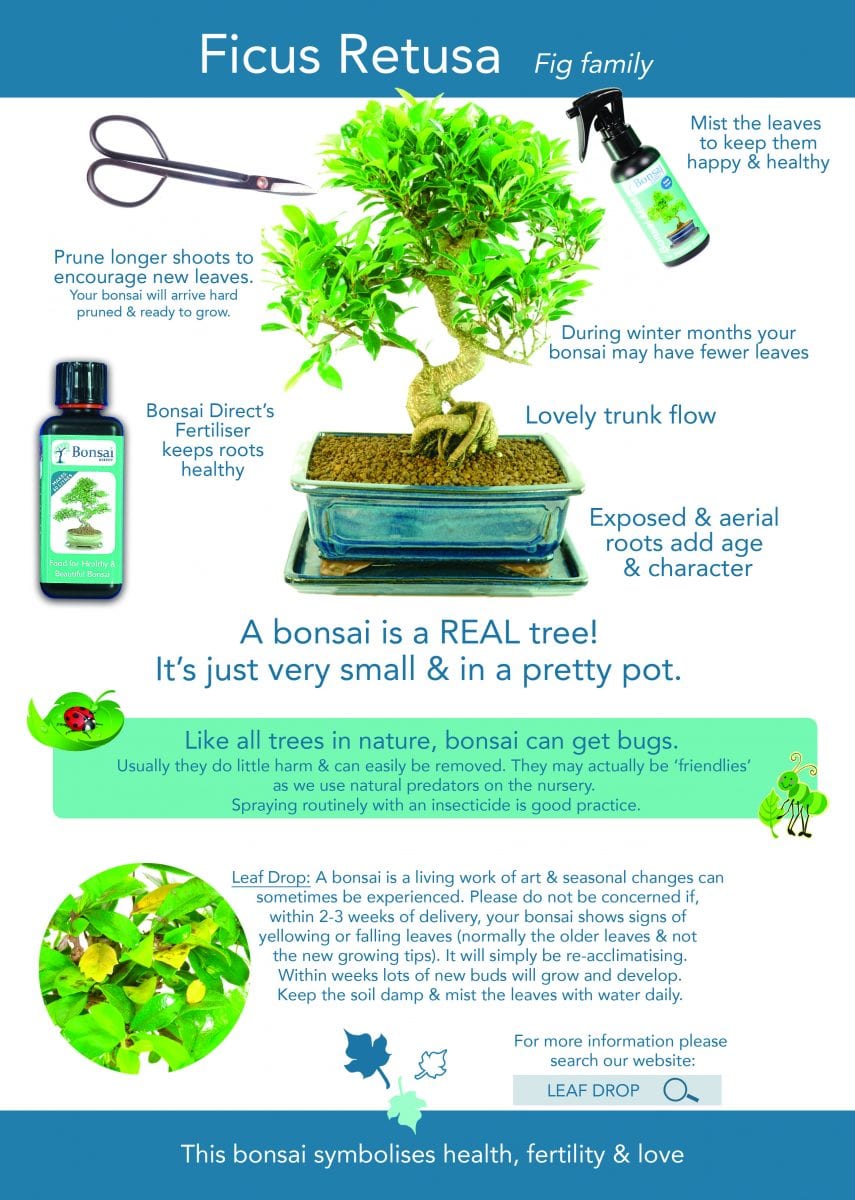
A bonsai is a full-sized tree kept small by regular care. Knowing the species is the first step in learning how to tend a bonsai tree. Species differ in water, light, and dormancy needs, so identify yours before major changes.
Decide if you want an indoor or outdoor bonsai. Tropical and subtropical trees work indoors with bright light, while temperate species need outdoor seasons. My first mistake was treating a juniper like a ficus; it taught me to match care to species.

Watering: timing, technique, and signs to watch
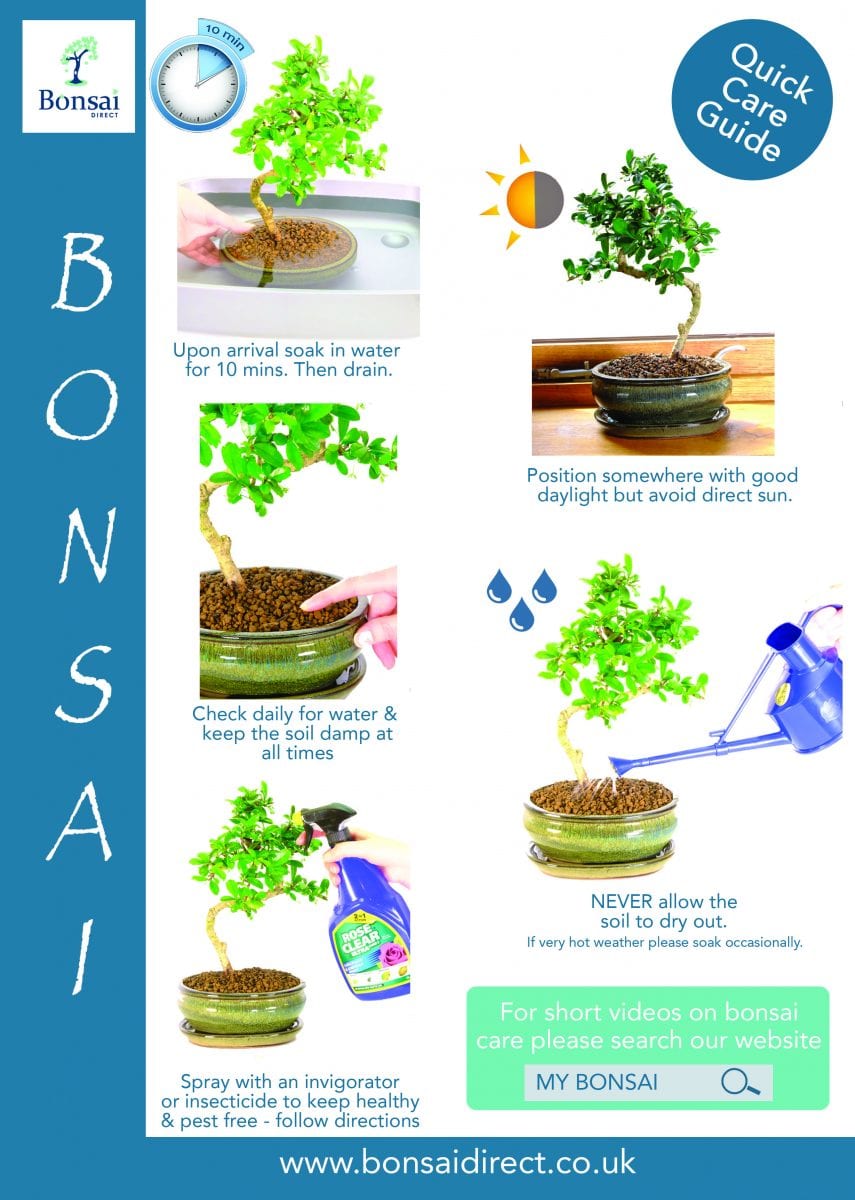
Water is the single most important daily task when you learn how to tend a bonsai tree. Check soil moisture daily in warm months. Stick your finger about half an inch into the soil; water when the top layer feels dry.
Water deeply until it runs out the drainage holes. Avoid light, frequent sprays that leave roots dry. Common signs of trouble: yellow leaves from overwatering and crispy leaves from underwatering. I once drowned a bonsai by watering on a strict schedule instead of checking the soil; lesson learned—feel the soil first.

Light and placement for strong growth
Light affects growth, leaf size, and vigor when you learn how to tend a bonsai tree. Most bonsai need bright, indirect light. Place outdoor bonsai in morning sun and afternoon shade when heat is high.
Indoor bonsai do best near south- or west-facing windows with extra grow light in winter. Rotate the pot weekly so growth stays even. If leaves stretch or pale, give more light slowly to avoid shock.
:strip_icc()/GettyImages-598322873-409b66c4895d492eb28fde9e752d98ad.jpg)
Soil, drainage, and repotting basics
Good soil keeps roots healthy and is central to how to tend a bonsai tree. Use a fast-draining mix with components that hold water and air. Common mixes include akadama, pumice, and lava rock or a commercial bonsai mix.
Repot young trees every 1–3 years and older trees every 3–5 years to refresh soil and manage roots. Repot in spring before bud break for temperate trees. When repotting, prune about one-third of the roots and untangle circling roots to prevent root-bound stress.
Pruning and wiring: shape with care
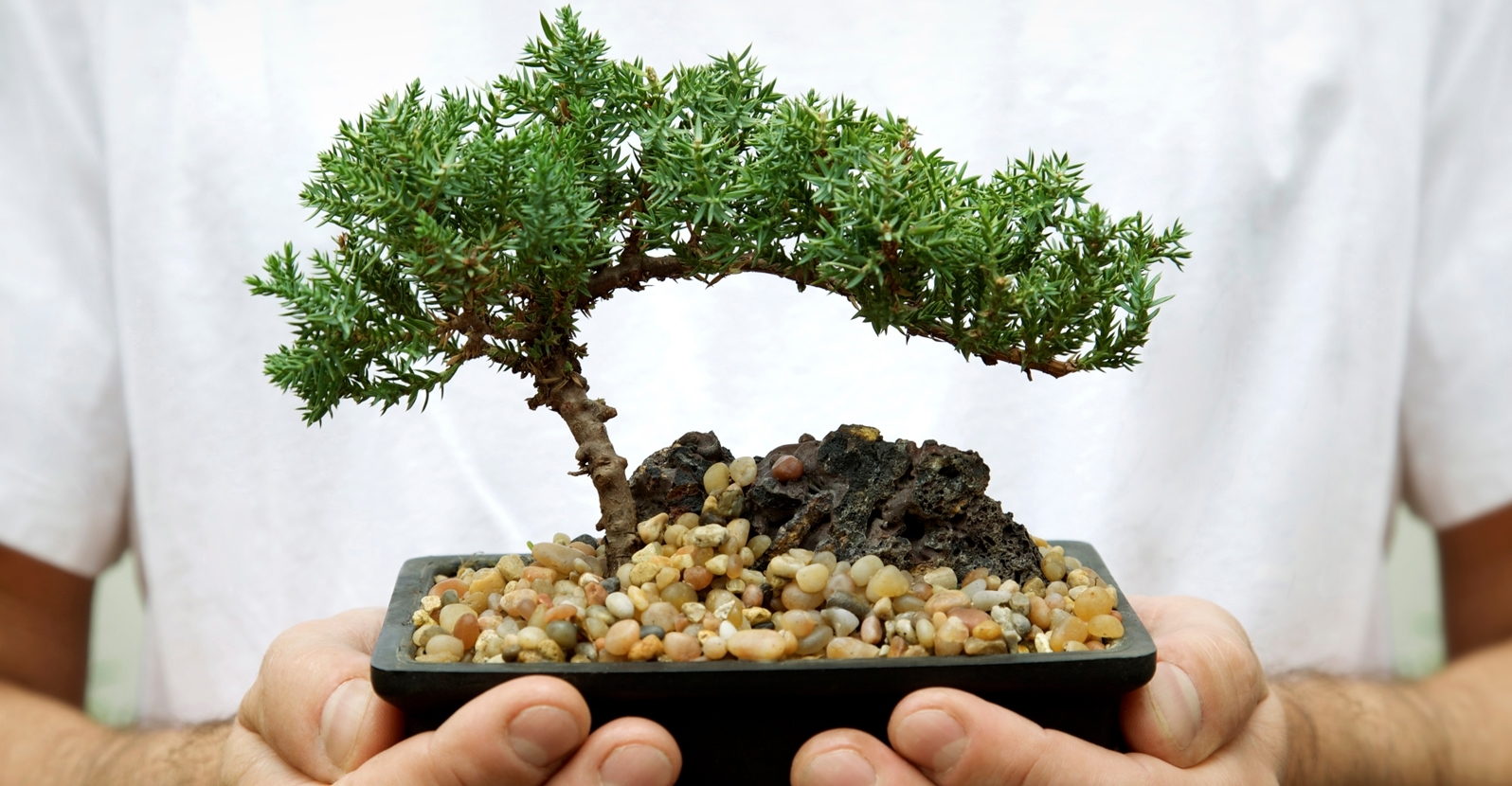
Pruning keeps the shape and health of your tree and is a core skill for how to tend a bonsai tree. Use two types: maintenance pruning to trim new shoots, and structural pruning to remove larger branches. Prune back new growth to the first pair of leaves to keep shape tight.
Wiring guides branch placement. Wrap wire at a 45-degree angle and check wires every 4–8 weeks to avoid cutting into bark. Remove wiring when the branch holds its new position. My wires once left marks because I forgot to check—set reminders after wiring to prevent damage.

Fertilizing and feeding schedule
A bonsai in a pot lacks natural soil nutrients, so feeding is part of how to tend a bonsai tree. Use a balanced, slow-release or liquid fertilizer during the growing season. Feed more lightly for young trees and less for mature, slow-growing specimens.
Typical schedule: feed every two weeks in spring and summer, monthly in fall, and little or none in winter for temperate trees. Watch for leaf burn and adjust concentration if the tree seems stressed.
Pests, diseases, and preventive care
Pests and disease can undo your work quickly when you learn how to tend a bonsai tree. Inspect leaves, branches, and soil regularly for insects and fungal signs. Common pests include aphids, spider mites, and scale.
Use gentle controls first: hand removal, water sprays, and horticultural soap. For persistent problems, apply targeted treatments and quarantine the tree. Keep tools clean to avoid spreading pests.

Seasonal care and a simple annual schedule
Seasonal rhythms shape how to tend a bonsai tree well. Spring: repot, prune, and start regular feeding. Summer: increase watering, shade in extreme heat, and watch for pests.
Fall: reduce feeding and prepare temperate trees for dormancy. Winter: protect outdoor bonsai from freeze and give indoor bonsai lower light and cooler temps. A simple yearly checklist saves stress and keeps your routine consistent.
Troubleshooting common problems and quick fixes
When problems pop up, a calm plan helps you restore health and remember how to tend a bonsai tree. Yellow leaves can mean overwatering or nutrient issues. Brown, crispy tips usually signal underwatering or low humidity.
Slow decline often comes from root problems; check soil and consider repotting. Rapid leaf drop after location change usually means shock—move the tree back and give stable care. I revived a weak elm by correcting watering and moving it to morning sun; small changes can make big returns.
Frequently Asked Questions of how to tend a bonsai tree
How often should I water my bonsai?
Watering frequency varies by species, pot size, and season. Check soil daily; water deeply when the top half-inch is dry.
Can I keep any tree as a bonsai?
Not every species is ideal, but many trees can be bonsai with the right care. Choose species suited to your climate and skill level for best results.
When should I repot my bonsai?
Repot young trees every 1–3 years and mature trees every 3–5 years. Repot in spring before active growth starts.
How do I know if my bonsai needs more light?
Leaves that are pale, long, or spaced far apart often mean not enough light. Move the tree to brighter light slowly to avoid sunburn.
Is wiring safe for my bonsai branches?
Wiring is safe if done carefully and monitored. Check wires every few weeks and remove them before they cut into bark.
What fertilizer should I use for bonsai?
Use a balanced fertilizer formulated for bonsai or a balanced N-P-K feed at a reduced strength. Feed more in active growth and less in dormancy.
Conclusion
Learning how to tend a bonsai tree is a steady, rewarding habit. Focus on water, light, soil, pruning, and seasonal care to keep your tree healthy. Start small, observe often, and make one change at a time to see real improvement.
Try a simple weekly check: feel soil, inspect leaves, and note growth. If you enjoyed this guide, subscribe, share your bonsai story, or leave a comment with your tree type and questions.

Laura Bennett is a gardening writer at MyGardenLabs who creates beginner-friendly guides focused on solving common plant care and gardening problems.