
Best Food For Bonsai Trees: Complete Feeding Guide
Balanced slow-release pellets or a diluted liquid bonsai fertilizer are the best food for bonsai trees.
You love your bonsai, but its leaves look pale or growth is weak despite careful watering and pruning. I’ve tended dozens of bonsai for years and seen the same problem: owners skip proper feeding, or use the wrong fertilizer. The right food for bonsai trees fixes slow growth, brittle foliage, weak roots, and poor flowering. In what follows I share tested options—pellets, liquids, and sprays—that give steady nutrition with minimal fuss.
Slow-Release Bonsai Pellets

I use slow-release pellets when I want steady nutrition without fuss. These pellets release nutrients over weeks, so you feed less often and avoid fertilizer burn. They suit potted bonsai that live indoors or on a balcony and have shallow soil that can be burned by concentrated liquid food.
In my experience, pellets promote balanced leaf tone and gradual root development. They are easy to apply—mix a few pellets into the top layer of soil or scatter them weekly during the growing season. If you want low-maintenance yet reliable food for bonsai trees, pellets are often my go-to.
Pros:
- Long-lasting slow nutrient release reduces feeding frequency
- Low risk of fertilizer burn for shallow bonsai pots
- Easy application—no measuring liquid mixes
- Good for both indoor and outdoor bonsai
- Consistent foliage color and steady root support
Cons:
- Less control over timing and exact nutrient balance
- Not ideal when you need a quick corrective feed
- Pellets may attract curious pets if scattered on top
My Recommendation
This pellet is best for hobbyists who want low-effort care. I recommend it for beginners and busy growers who need regular nutrition without regular dosing. It works well as the base food for bonsai trees and keeps soil chemistry stable over time. Availability is good and it offers solid value for the ease it brings.
| Best for | Why |
|---|---|
| Beginners | Simple application and low burn risk |
| Busy owners | Long release reduces feeding chores |
| Indoor bonsai | Gentle formula fits shallow pots |
Liquid Bonsai Food

Liquid bonsai food is my choice when I want fast uptake and precise dosing. I dilute the concentrate to half or quarter strength, then water the tree with it. Liquids deliver NPK and micronutrients to roots and leaves quickly, which helps during active growth or after repotting.
Because I can control concentration, liquid fertilizer is great for correcting deficiencies or encouraging spring growth. Use it every 2–4 weeks in the growing season. For weak trees, dilute more; for healthy, vigorous plants, follow the label but tend to err on the side of weaker mixes.
Pros:
- Fast absorption through roots for quicker results
- Easy to adjust strength for different trees
- Great after repotting or pruning to stimulate growth
- Often includes micronutrients for leaf health
- Good for indoor bonsai with slow soil turnover
Cons:
- Risk of overfeeding if not diluted correctly
- Requires regular application to maintain benefits
My Recommendation
I recommend this liquid for growers who like control. It’s best when you need quick, measurable feeding that supports root recovery and leaf vigor. I use it during spring and early summer to push growth and maintain healthy color. It’s a reliable food for bonsai trees that need active feeding.
| Best for | Why |
|---|---|
| Experienced growers | Precise dosing and quick results |
| Repotted bonsai | Stimulates root establishment |
| Indoor trees | Good for controlled feeding cycles |
Bonsai Spray Fertilizer Mist

Leaf spray fertilizer is a handy supplement when leaves show pale tips or slow color. I spray the mist on foliage for quick micronutrient delivery and a visible brightening effect. It’s also useful in humid conditions where roots absorb less efficiently for short periods.
The spray won’t replace root feeding but works well as a boost. I use it between liquid or pellet feedings to keep leaves glossy and healthy. Use in the morning or late afternoon to avoid leaf scorch in direct sun.
Pros:
- Fast foliar nutrient uptake improves leaf color
- Easy to use between root feedings for steady support
- Gentle blend reduces risk of scorch when used properly
- Good for quick fixes of minor deficiencies
- Portable and handy for bonsai shows or transport care
Cons:
- Not a substitute for root-based feeding
- May need frequent application for lasting effect
My Recommendation
This mist is best for owners who want fast leaf improvement. I use it to lift dull foliage and to keep trees show-ready. It pairs well with pellets or liquids as supplemental food for bonsai trees. It adds clear value when used correctly and is easy to source.
| Best for | Why |
|---|---|
| Show plants | Quickly enhances leaf sheen |
| Supplemental use | Bridges gaps between feedings |
| Travel care | Easy, mess-free application |
Professional 3-1-2 Liquid Concentrate

I rely on a 3-1-2 concentrated formula when trees need a balanced boost without excess nitrogen. This ratio supports steady leaf growth while encouraging resilience and root strength. I dilute it for small pots and use a slightly stronger mix for larger bonsai that show robust growth.
It’s a good all-around liquid food for bonsai trees, especially if you want dependable NPK proportions and predictable results. For flowering bonsai, I use it early in the season to build sturdy stems and good leaf mass. Proper dilution prevents overfeeding and keeps soil salts low.
Pros:
- Balanced NPK for even growth and root health
- Concentrated—cost-effective when diluted correctly
- Made with bonsai needs in mind for small pot use
- Encourages strong stem and leaf development
- Works well with organic or inorganic soils
Cons:
- Needs careful dilution to avoid salt buildup
- May be overkill for very slow-growing bonsai
My Recommendation
I recommend this concentrate for hands-on growers who like consistent mixes. It’s a solid food for bonsai trees that need regular, balanced feeds. I use it seasonally and find it good value for the control it gives. Keep an eye on dilution to protect root health.
| Best for | Why |
|---|---|
| Serious hobbyists | Predictable NPK for repeated use |
| Mixed soil types | Works with peat, pumice, and akadama mixes |
| Flowering bonsai | Builds sturdy stems and blooms |
Balanced 3-3-3 Liquid Food

A 3-3-3 balanced liquid is a true all-rounder for tree health. I like using it on mixed collections where different species share space. Because it balances nitrogen, phosphorus, and potassium equally, it supports foliage, roots, and flowering at once.
For bonsai owners managing multiple tree types, a balanced food simplifies the schedule. I feed every 2–3 weeks in spring and taper in late summer. The balanced formula makes this product a reliable staple in my bonsai toolkit for steady health and predictable results.
Pros:
- Balanced NPK supports all growth stages
- Simple feeding schedule for mixed collections
- Gentle formula reduces shock risk
- Promotes both foliage and root development
- Good for beginners and experienced growers alike
Cons:
- May be too general for species with special needs
- Requires regular use for best results
My Recommendation
This 3-3-3 food is my recommended daily driver for mixed bonsai sets. It gives predictable, steady results without fuss. I pair it with occasional pellet slow-feeds for longer-term stability. For balanced care, it is one of the best food for bonsai trees I reach for frequently.
| Best for | Why |
|---|---|
| Mixed collections | Works for many species at once |
| New growers | Easy, balanced nutrition |
| Steady maintenance | Promotes long-term uniform health |
All-Natural Slow Release Pellets

All-natural slow-release pellets appeal to me when I want organic inputs. They release nutrients steadily and are less likely to build salts in the soil. For owner preference toward natural gardening, these are an excellent food for bonsai trees that favor gentle care.
I use them with trees that live long-term in the same pot. They feed without sudden pushes of nitrogen. Over months, they keep leaves a healthy green and support my regular watering routine without adding complexity.
Pros:
- Organic, natural ingredients reduce chemical load
- Extended release supports long-term soil health
- Reduces need for frequent dosing
- Gentle on root systems in small pots
- Good value for long-term maintenance
Cons:
- Slower corrective action for deficiencies
- Less precise nutrient control than liquids
My Recommendation
Choose this organic pellet when you prefer natural solutions. I find it best for long-term, low-maintenance food for bonsai trees in display pots. It supports steady growth and fits eco-minded care. Stocking up gives good value if you plan multi-year feeding.
| Best for | Why |
|---|---|
| Organic growers | Natural ingredients and slow release |
| Long-term planted trees | Extends feeding without fuss |
| Less frequent feeders | Reduces maintenance intervals |
Organic Liquid Bonsai Food

When I want organic liquid feeding, this product is my top pick. It blends natural ingredients for steady plant nourishment without synthetic salts. I dilute it gently to feed seedlings and young bonsai that can be sensitive to strong fertilizers.
It’s great for growers who favor an organic regimen yet still want the responsiveness of a liquid. I use it on indoor trees and potted ornamentals to keep stems and leaves robust. Organic liquid food is a great complement to occasional slow-release pellets.
Pros:
- Organic, plant-safe ingredients
- Liquid form allows quick uptake and control
- Great for sensitivity-prone or young bonsai
- Pairs well with slow-release products
- Encourages steady, healthy growth without salts
Cons:
- Requires regular application for full effect
- May be pricier than synthetic concentrates
My Recommendation
I recommend this organic liquid for growers who favor non-synthetic feeding. It’s ideal as a primary or supporting food for bonsai trees that need gentle care. I use it during early growth and for indoor specimens. It’s worth the slightly higher cost for the organic advantage.
| Best for | Why |
|---|---|
| Organic-focused growers | Natural, gentle ingredients |
| Young bonsai | Low-risk for root sensitivity |
| Indoor collections | Good for controlled environments |
Liquid Nutrient Spray

I keep a foliar spray on hand for quick fixes and travel. This balanced mist gives micronutrients directly to leaves and helps correct minor chlorosis. I spray sparingly so the leaves dry before night to avoid mold risk.
Sprays like this are quick to use and convenient between full feedings. I use it on trees that show stress after transport or pruning. It’s not a replacement for soil food, but it boosts leaf health fast when needed.
Pros:
- Delivers micronutrients quickly through foliage
- Portable and easy to apply
- Useful for mid-season touch-ups
- Helps stressed or transplanted bonsai recover
- Reduces need for immediate root feeding
Cons:
- Short-term effects require repeat use
- Not a replacement for full root-based fertilization
My Recommendation
This spray is best for those who want fast, small boosts. I use it when leaves need a quick pick-me-up or after shows and moves. It pairs nicely with pellet or liquid food to maintain a full feeding strategy. It’s a practical part of my bonsai food toolkit.
| Best for | Why |
|---|---|
| Travelers | Fast recovery after transport |
| Show-prep | Quick leaf improvement |
| Supplement users | Easy between feedings |
All-Purpose Bonsai Fertilizer
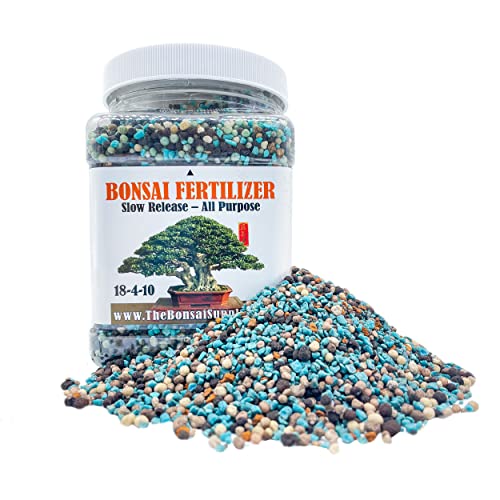
An all-purpose granular fertilizer is handy when you want a single product for many plants. I use it sparingly for bonsai that tolerate a bit more feeding. Its micro nutrient profile helps keep pests and stress in check by improving overall vigor.
I apply it carefully, mixing into topsoil or using a shallow side application. It’s a cost-effective option for larger bonsai collections when you need a simple food. Still, I use it alongside targeted bonsai-specific products for the best long-term results.
Pros:
- Cost-effective for large collections
- Simple to use for many plant types
- Includes micronutrients to support overall health
- Good for occasional feed boosts
- Easy to source and store
Cons:
- Less tailored to bonsai-specific needs
- Higher burn risk if over-applied in small pots
My Recommendation
Use this all-purpose fertilizer when you need simplicity and value. I recommend it for growers with mixed pots or when you need a bulk food for many trees. For focused bonsai care, pair this with bonsai-specific liquid or pellets to get the full benefits for your bonsai trees.
| Best for | Why |
|---|---|
| Large collections | Cost-effective bulk feeding |
| Mixed-use | Works across many plant types |
| Occasional feeders | Good for infrequent use |
Premium 3-1-2 Gardenera Liquid

I pick this premium liquid when I want a quality blend tailored to bonsai. The 3-1-2 ratio works well for indoor trees that need a steady feed. I find it gentle and consistent, and the formula mixes cleanly without leaving residues.
If you prize a premium mix, this product is a thoughtful choice. It supports steady growth and complements both organic and inorganic soils. I use it in rotation with slow-release food to maintain a consistent nutrition cycle for my trees.
Pros:
- Premium mix designed for small pots and bonsai
- Gentle yet effective nutrient balance
- Mixes cleanly with water for even dosing
- Works well with both indoor and patio bonsai
- Good support for root and leaf health
Cons:
- Higher price point than basic concentrates
- Requires regular application for best effect
My Recommendation
This premium liquid is for bonsai owners who value consistency and quality. I recommend it as a core food for bonsai trees in display settings or indoor collections. It pairs well with pellets and foliar sprays to give steady, full-spectrum nutrients. The added cost often pays off in reliability.
| Best for | Why |
|---|---|
| Indoor display trees | Consistent, clean feeding |
| Quality-focused growers | Premium formulation |
| Rotation feeding | Pairs with pellets and sprays |
Professional Organic Liquid (Gardenera)
This Gardenera organic-concentrate blends natural ingredients in a liquid form I trust. I use it for sensitive trees, and when I want organic compliance without liquid complexity. The product supports healthy stems and helps keep foliage vibrant without synthetic additives.
It’s ideal for indoor bonsai and small outdoor pots where salt buildup is a concern. I found it effective when rotated with slow-release pellets. If you want organic liquid food for bonsai trees, this is a balanced, user-friendly choice.
Pros:
- Organic-friendly formula for sensitive plants
- Liquid ease with natural ingredient profile
- Effective for steady growth and leaf tone
- Low salt risk compared to some synthetics
- Good for both indoor and outdoor bonsai
Cons:
- More costly than non-organic concentrates
- Needs consistent application schedule
My Recommendation
I recommend this Gardenera organic liquid for growers who insist on natural inputs. It’s best for sensitive bonsai and indoor specimens where soil salts are a concern. I use it to complement pellet feeding and foliar sprays. Overall, it’s a reliable organic food for bonsai trees.
| Best for | Why |
|---|---|
| Sensitive species | Low salt, organic-friendly |
| Indoor collections | Gentle on pot soil |
| Organic routines | Fits natural care plans |
Premium Liquid Bonsai Food
This premium formula reflects small tweaks I value: balanced micronutrients, clean solubility, and a mild base that suits many soil mixes. I reach for it when I want a trusted, consistent liquid food for bonsai trees without guesswork. It mixes well and feeds evenly through my watering can.
It’s a standard choice for folks who run regular feeding cycles and want minimal fuss. Use it alongside occasional foliar spray and slow-release pellets to keep your trees in top shape. It delivers stable results I rely on in both home and small nursery settings.
Pros:
- Stable, consistent performance each feed
- Good solubility—no clogging or residue
- Balanced micronutrients for leaf and root health
- Works well with most soil mixes
- Easy to measure and dilute
Cons:
- Premium price compared to generic liquids
- Needs regular application for steady benefits
My Recommendation
Pick this premium liquid when you value consistency and reliability. I find it ideal as everyday food for bonsai trees in display collections. It pairs nicely with pellets and foliar mist to form a complete feeding plan. The cost is justified by its dependable performance.
| Best for | Why |
|---|---|
| Display collections | Reliable, repeatable results |
| Routine feeders | Consistent dilution and mix |
| Small nurseries | Easy supply for multiple trees |
FAQs Of best food for bonsai trees
What is the best type of food for bonsai trees?
I favor a mix: slow-release pellets for long-term stability plus a diluted liquid for quick control. That combination gives steady nutrition and flexible corrections, making it the best food for bonsai trees overall.
How often should I feed my bonsai?
Feed pellets every 2–3 months depending on the product. For liquids, use diluted feed every 2–4 weeks during the growing season. Adjust based on species, pot size, and growth speed to keep the tree balanced.
Can I use regular garden fertilizer on bonsai?
You can, but regular garden fertilizer often has too high a concentration for shallow bonsai pots. Bonsai-specific foods or diluted all-purpose liquids are safer and more effective as the best food for bonsai trees.
Is foliar spray necessary?
Not necessary, but foliar sprays help correct micronutrient issues quickly and keep leaves shiny. I use sprays between root feeds for fast results and to support stressed trees.
When should I stop feeding for the season?
Stop or taper feeding in late summer to early fall for temperate trees to let them harden off. Tropical species may need year-round gentle feeding. Tailor timing to species and local climate.
Final Verdict: Which Should You Buy?
For most growers, a steady pellet plus a balanced liquid concentrate wins as the best food for bonsai trees. This combo covers slow major feeding and quick adjustments for health and vigor.
Choose based on your routine: pellets for ease, liquids for control, and sprays for quick leaf care. Together they form a complete, user-friendly feeding plan for healthy bonsai trees.

Laura Bennett is a gardening writer at MyGardenLabs who creates beginner-friendly guides focused on solving common plant care and gardening problems.