How Much Are Bonsai Plants: Price Guide And Tips
Bonsai plants typically cost between $20 and several thousand dollars depending on species, size, and age.
If you want a clear, practical guide on how much are bonsai plants, you’re in the right place. I’ve grown, trained, and sold bonsai for years, and I’ll walk you through realistic price ranges, what drives cost, and what to expect when buying or budgeting for one. This article breaks down simple price examples, ongoing costs, buying tips, and common mistakes so you can make a smart choice whether you want a starter tree or a collector-quality specimen. Read on to learn the real costs and how to get the best value for your money.
How much are bonsai plants? Overview
“How much are bonsai plants” is a common question for new buyers. Prices vary a lot. A basic nursery bonsai often costs $20–$100. A trained, older tree can cost $500–$5,000 or far more for rare specimens. Many collector-grade bonsai sell for tens of thousands of dollars at auctions.
Understanding how much are bonsai plants starts with recognizing two ideas. First, a bonsai price reflects time and skill, not just size. Second, the market mixes cheap starter trees and high-value art pieces. If you know what you want, you can pick wisely and avoid overspending.

Factors that determine how much are bonsai plants
Several clear factors shape how much are bonsai plants. Each factor matters in price and long-term care.
-
Species and rarity
- Popular, fast-growing species like ficus or juniper cost less.
- Rare or slow-growing species command higher prices.
-
Age and training time
- Young nursery stock is inexpensive.
- Trees trained for decades cost much more because of labor and expertise.
-
Size and trunk development
- Larger trunks and refined nebari (surface roots) increase value.
- Miniature trees can be cheap or pricey depending on styling.
-
Provenance and styling
- Trees worked by known artists or featured in shows get premium prices.
- A named provenance can multiply value.
-
Health and condition
- Healthy, well-potted bonsai fetch higher prices.
- Trees needing major recovery sell for less.
-
Pot and accessories
- High-quality ceramic pots and custom stands raise the final cost.
- Bonsai sold in basic plastic pots are cheaper.
-
Local market and shipping
- Urban specialty shops charge more than big-box stores.
- Shipping living plants raises the overall price.
These factors explain why the simple question “how much are bonsai plants” has so many answers. Prices reflect plant biology, art, and labor.

Price breakdown by type and size
Here are practical price ranges you can expect when asking how much are bonsai plants. These are typical U.S. retail ranges. Prices vary by region and seller.
-
Starter/novice bonsai (young nursery stock)
- Price range: $20–$75
- Good for beginners. Short training history.
-
Intermediate bonsai (some wiring and shaping)
- Price range: $75–$500
- Often several years of work. Better styling and pot.
-
Advanced/bonsai with trunk maturity
- Price range: $500–$5,000
- Noticeable trunk taper, refined roots, aged foliage.
-
Collector-grade or show bonsai
- Price range: $5,000–$50,000+
- Rare species, decades of work, named artists.
-
Specialty species examples
- Ficus, Chinese elm: $20–$500 for common sizes.
- Juniper, maple: $50–$2,000 depending on age.
- Pomegranate, azalea: $100–$3,000 for bonsai-quality specimens.
- Ancient or rare species: prices can exceed $100,000 at auction.
Remember that these estimates are averages. When deciding how much are bonsai plants for your budget, think about skill level and long-term goals.

Where to buy bonsai and how that affects price
Where you buy changes how much are bonsai plants you will pay. Each source has pros and cons.
-
Big-box garden centers
- Pros: affordable, widely available.
- Cons: limited training, lower quality.
-
Local nurseries and garden centers
- Pros: better selection, local climate-adapted species.
- Cons: variable expertise.
-
Specialty bonsai shops
- Pros: trained staff, better quality, pot selection.
- Cons: higher prices.
-
Bonsai clubs and shows
- Pros: community, access to experienced growers, auctions with fair deals.
- Cons: varied stock; you may need negotiation skills.
-
Online retailers and auction sites
- Pros: wide selection, rare finds.
- Cons: shipping risk, hard to inspect tree before buying.
-
Private sellers and collectors
- Pros: potential for great value and learning.
- Cons: provenance questions, trust issues unless vetted.
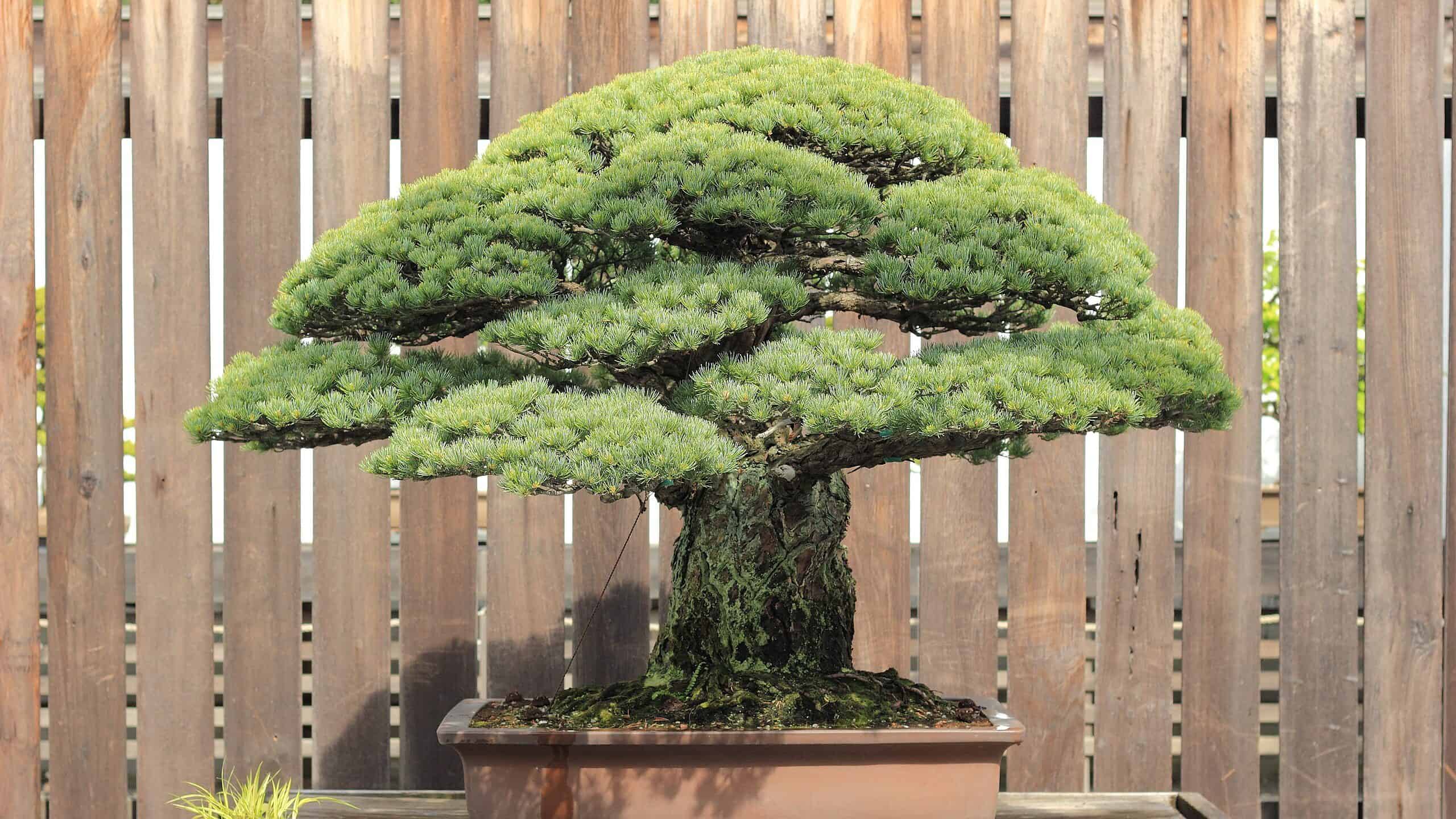
Each source affects both price and risk. If you ask “how much are bonsai plants” at a specialty shop, expect to pay more but get better guidance and a healthier tree.
Ongoing costs: beyond the initial purchase
When you ask how much are bonsai plants, include recurring costs. Bonsai are living art. They need care, tools, and supplies.
-
Soil and repotting supplies
- Bonsai soil mixes and grit cost $10–$30 per bag. Repotting every 1–5 years may be needed.
-
Pots and stands
- Decorative bonsai pots range from $20 to several hundred dollars.
-
Tools and maintenance gear
- Basic bonsai tool kit costs $25–$150. Specialized tools are pricier.
-
Fertilizer and pest control
- Annual cost often $10–$50 depending on products and frequency.
-
Workshops and classes
- Learning from experts costs $30–$200 per session but accelerates skill.
-
Time investment
- Your time is valuable. Training a bonsai can take years of regular work.
Add these costs to the price you pay. A $50 tree may require another $150–$300 in supplies and time in the first year.
Personal experience, tips, and common mistakes
I’ve trained trees from nursery stock to sale-ready specimens. I’ll share what I learned about how much are bonsai plants and how to get the best value.
-
Start with a clear goal
- Decide if you want a budget practice tree or a display-piece. This shapes how much you should spend.
-
Buy healthy stock, not just looks
- I once bought a cheap-looking juniper that hid root rot. It cost me more in recovery than the tree’s purchase price.
-
Learn basic care before buying expensive trees
- A $500 tree can decline quickly in inexperienced hands. Invest in a class first.
-
Negotiate and inspect in person
- At shows, ask about age, repotting history, and pests. Sellers often provide useful care notes.
-
Value time and artistry
- If price seems high, remember the seller invested years of training. That time is part of how much are bonsai plants.
These tips will help you avoid regret and save money over time.
Common questions people ask (PAA-style)
Q: How much do beginner bonsai plants typically cost?
A: Beginner bonsai usually cost $20–$75. These are nursery-grown and good for practice.
Q: Does a bigger bonsai always cost more?
A: Not always. Bigger trunks and good styling raise prices, but size alone is not the only cost factor.
Q: Why do some bonsai cost thousands?
A: High prices reflect age, artist training, rarity, and proven health. Decades of care add value.
Q: Can I start bonsai cheaply?
A: Yes. Starting with inexpensive nursery stock costs little. Training your skills is the main investment.
Frequently Asked Questions of how much are bonsai plants
How much are bonsai plants for beginners?
Beginner bonsai plants typically cost between $20 and $75. These trees are good for practice and learning basic care.
How much are bonsai plants if I want a show-quality tree?
Show-quality bonsai usually start around $5,000 and can go much higher. Prices reflect age, rarity, and artist reputation.
How much are bonsai plants with shipping?
Shipping adds $20–$100 depending on size and distance. Live plant shipping needs careful packing, which raises the cost.
How much are bonsai plants to maintain annually?
Annual maintenance costs for tools, soil, and supplies often range $50–$300. Classes or professional services add to that total.
How much are bonsai plants compared to regular houseplants?
Bonsai plants typically cost more upfront and require more ongoing care than ordinary houseplants. Price varies greatly with the bonsai’s training level.
Can I find cheap bonsai plants at garden centers?
Yes, many garden centers sell low-cost bonsai for $20–$75. These are usually young or minimally styled trees.
How much are bonsai plants sold by collectors?
Collector bonsai sold by experienced growers often command premium prices due to craftsmanship and provenance. Expect prices from hundreds to tens of thousands.
Are prices different for indoor vs outdoor bonsai?
Price depends more on species and training than indoor/outdoor classification. Some indoor species are inexpensive; some outdoor, trained specimens can be pricey.
Conclusion
Knowing how much are bonsai plants helps you plan and choose wisely. Prices range from bargain starter trees to expensive collector pieces. Think about species, age, training, and where you buy. Factor in ongoing costs like soil, tools, and education. My best advice: start small, learn the basics, and invest more as your skills grow. If you’re ready, visit a local club or specialty shop to see trees in person and ask questions. Share your first bonsai purchase or questions below — I’d love to hear about your journey.

Laura Bennett is a gardening writer at MyGardenLabs who creates beginner-friendly guides focused on solving common plant care and gardening problems.