How To Train A Bonsai Tree: Step-By-Step Beginner Guide
Train a bonsai through careful pruning, wiring, root work, and steady seasonal care over years.
I have trained dozens of bonsai over the last decade, from juniper starters to maple veterans. This guide explains how to train a bonsai tree step by step. You will get clear methods, tools, and a timeline. I mix tested techniques with real mistakes I made so you learn fast and avoid pitfalls.

Understanding bonsai basics and why training matters
Bonsai is the art of growing a full-sized tree in miniature. Training shapes the tree’s trunk, roots, and branches to match a design. Good training keeps the tree healthy while making it look like an old tree in nature. When you know how to train a bonsai tree, you control growth, branch placement, and balance.
Key concepts to know
- Nebari: the visible root flare that anchors the tree.
- Taper: trunk width that narrows toward the top.
- Apex: the tree’s top and visual finish point.
- Ramification: the fine branching that makes a canopy look aged.
Why training is essential
- It shapes the tree over years, not days.
- It balances leaf growth with root strength.
- It prevents common issues like weak branch structure or poor form.
Tools and materials you need to train a bonsai tree
You do not need a workshop. Start with core tools. Quality helps. Cheap tools can damage delicate buds.
Essential tools
- Pruning shears: sharp, clean cuts for branches.
- Concave cutters: leave a clean wound for healing.
- Wire: aluminum or copper in several gauges.
- Wire cutters: cut wire cleanly without tearing bark.
- Root rake and chopstick: for repotting and soil work.
- Pot with drainage and a good bonsai soil mix.
Helpful extras
- Grafting tape and sealant for joins.
- Mesh for drainage holes.
- Turntable to view the tree from all sides.
Safety and care
- Sterilize tools between cuts to avoid disease.
- Replace rusty or nicked tools that can tear bark.

How to train a bonsai tree: step-by-step techniques
Training works in stages. Each stage has simple actions. Do not rush. Short, steady steps win.
- Start with a clear plan
- Decide a style: formal upright, informal upright, slanting, cascade.
- Sketch or mark the front of the tree.
- Choose primary and secondary branches.
- Pruning basics
- Remove dead, crossing, or inward-growing branches first.
- Keep cuts close to the trunk or branch collar.
- Prune to open the canopy and let light in.
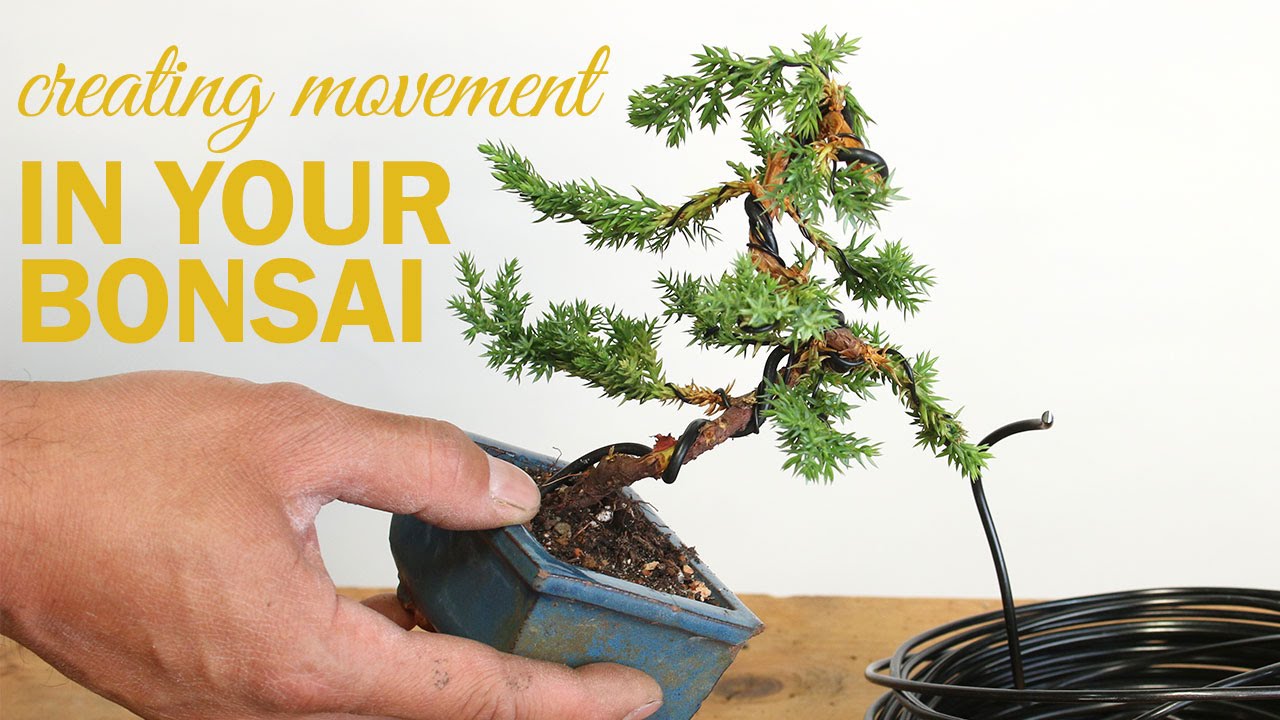
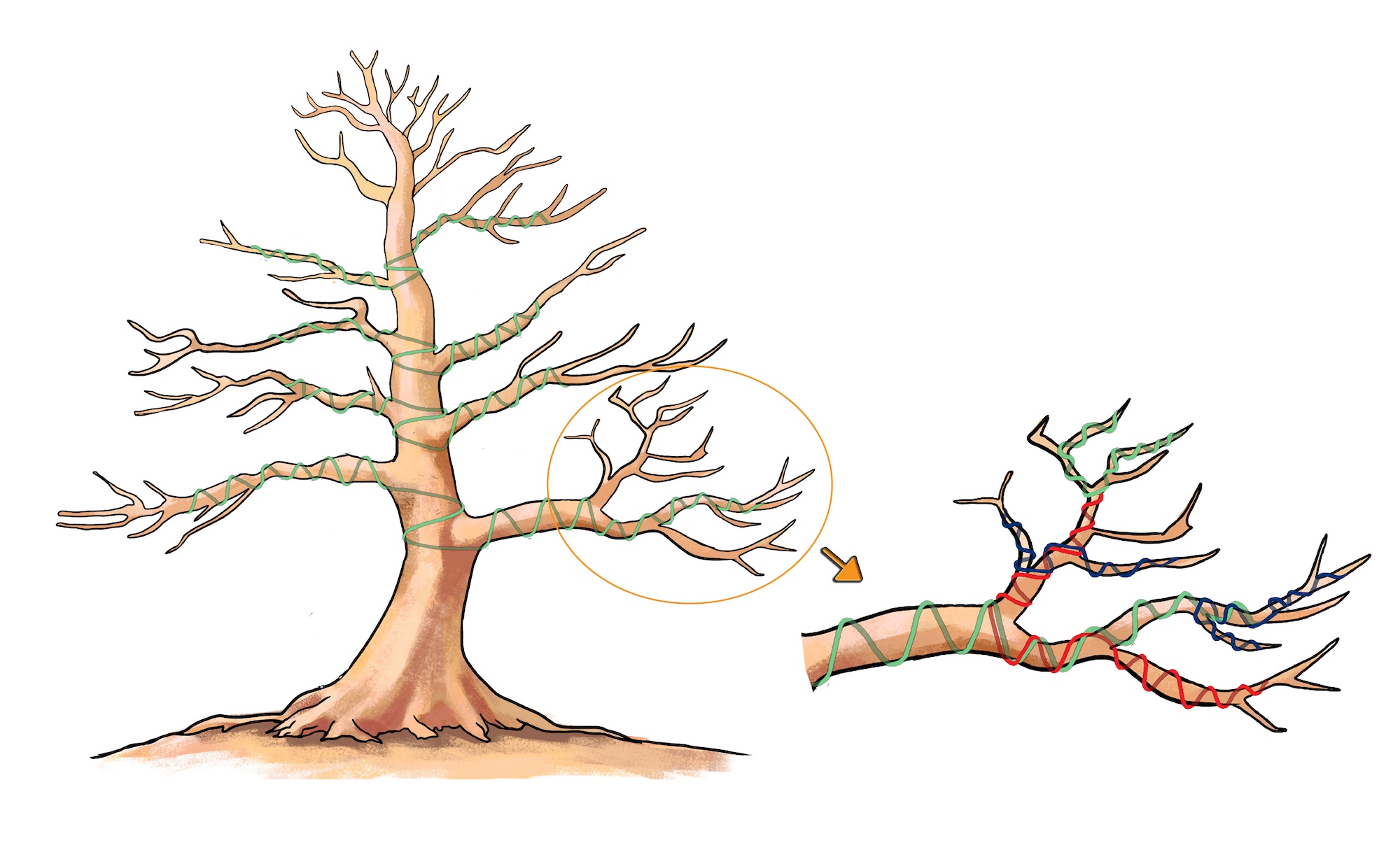
- Wiring to shape branches
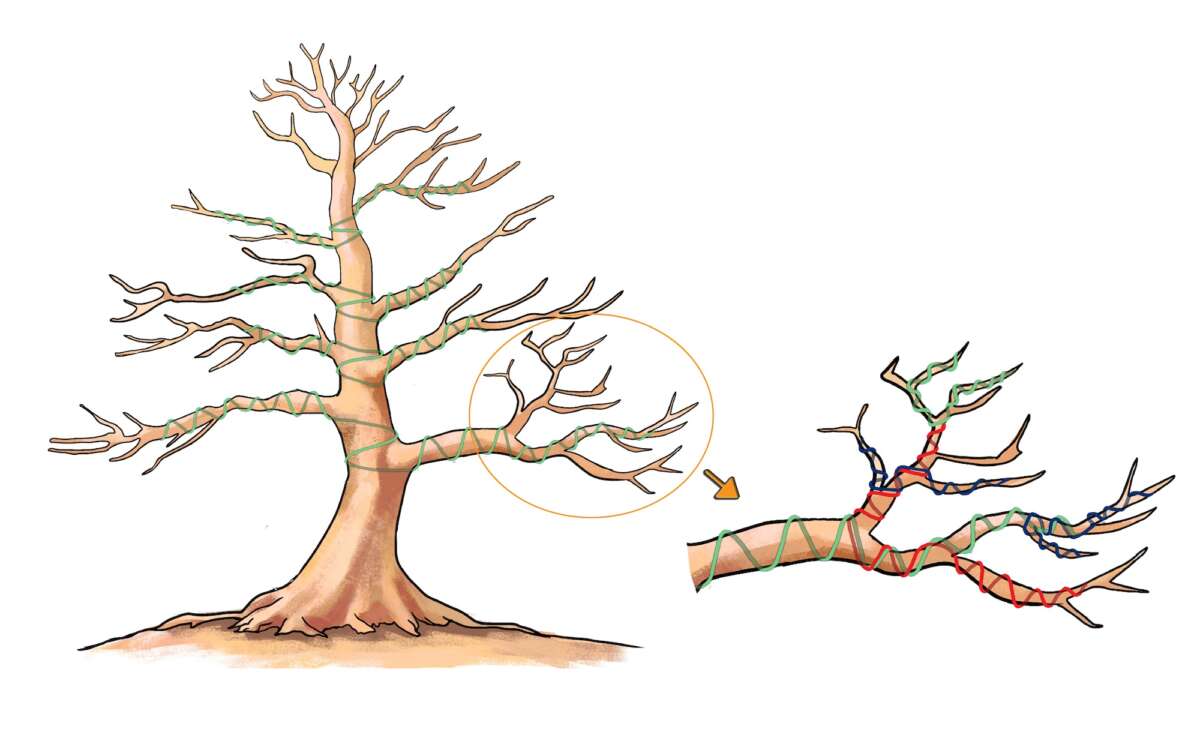
- Wrap wire snugly but not tight.
- Bend branches slowly over days to weeks.
- Remove wire before it cuts into bark.
- Root pruning and repotting
- Repot every 1–3 years for young trees; longer for older trees.
- Trim up to one-third of the roots for young plants.
- Refresh soil to maintain drainage and nutrients.
- Defoliation and ramification
- Partial or full defoliation encourages finer branches on some species.
- Use sparingly; don’t defoliate weak trees.
- Patience and timing
- Train mainly in the tree’s active growth season.
- Rest and minimal work in cold or dormant times.
PAA-style question 1: How often should I prune a bonsai?
- Light pruning is ongoing. Major structural pruning is best once per year, usually in early growth season.
PAA-style question 2: When should I wire a bonsai?
- Wire in spring or early summer when branches are flexible. Remove wire before it digs into bark, often within a few months.
PAA-style question 3: Does pruning hurt bonsai?
- Pruning causes short-term stress but improves long-term health if done correctly. Always use clean cuts and avoid removing too much at once.

Care and maintenance after training
Training is only half the job. Care keeps the shape and health you worked for. Follow simple routines.
Watering
- Water when soil surface feels slightly dry. Different species and pots change timing. Avoid both drought and waterlogging.
Light and placement
- Most bonsai need bright light or morning sun. Adjust for indoor vs outdoor species.
- Rotate the tree for even growth.
Feeding
- Use a balanced fertilizer during the growing season.
- Reduce or stop feeding during dormancy.
Pest and disease checks
- Inspect leaves and trunk weekly.
- Treat pests early with targeted methods. Avoid broad, frequent pesticides.
Seasonal notes
- Protect from freeze or intense heat according to species.
- Adjust watering and feeding with seasons.

Common problems and how to fix them
Even careful training can have hiccups. Here are common problems and fixes.
Over-wiring
- Problem: wire cuts into bark.
- Fix: remove wire earlier and use thicker wire or better bend technique next time.
Dieback after heavy pruning
- Problem: too much foliage removed at once.
- Fix: reduce pruning next season and feed gently to help recovery.
Root rot
- Problem: soggy mix and poor drainage.
- Fix: repot into airy bonsai mix and prune damaged roots.
Pests
- Problem: aphids, mites, scale can weaken a tree.
- Fix: manual removal, targeted sprays, and improved airflow.
Lack of ramification
- Problem: sparse fine branching.
- Fix: regular pinching and pruning to encourage secondary buds.

Design principles: make your bonsai look natural
Training shapes but design convinces. Good design mimics nature. Use simple rules.
Proportion and scale
- Keep trunk, branch, and pot in balance.
- Smaller canopies need thinner trunks.
Movement and line
- Create flow in the trunk and main branches.
- Avoid straight, lifeless lines unless the style calls for it.
Negative space
- Use gaps to show depth and let branches breathe.
Aging techniques
- Jin and shari (deadwood) add age and drama.
- Use sparingly and learn safe deadwood methods for each species.
Advanced techniques and a realistic timeline
Advanced work trains thick trunks and mature looks. It takes years. Plan patience.
Grafting and budding
- Add a branch or change a branch position when needed.
Layering to thicken trunks
- Air-layering builds a new root base closer to the trunk for thicker lower trunk sections.
Hard pruning for nebari
- Repeated root work over seasons improves root flare.
Typical timeline
- Year 1–2: basic styling, root health, and recovery.
- Year 3–5: stronger wiring, structural pruning, branch placement.
- Year 5–10+: refinement, deadwood, and trunk work.
Limitations
- Some species resist certain techniques.
- Climate and pot size limit growth speed.
Personal experience, mistakes, and practical tips
I learned a lot the hard way. Here are honest tips from real practice.
My mistakes
- I once wired a branch too tight and lost it. Now I check wire every month.
- I over-pruned a young maple and slowed its growth for two seasons. Recovery works, but slowly.
What helped me most
- Slow progress. Small bends win over big breaks.
- Keeping a training log with dates, cuts, and wire removed.
Simple tips you can use now
- Take photos before and after each session.
- Train one feature per year to keep the tree strong.
- Join a club or get local mentoring for species-specific tips.

Frequently Asked Questions of how to train a bonsai tree
How long does it take to train a bonsai tree?
Training is ongoing. Basic shape takes 1–5 years; fine refinement can take a decade or more.
Can any tree be trained as a bonsai?
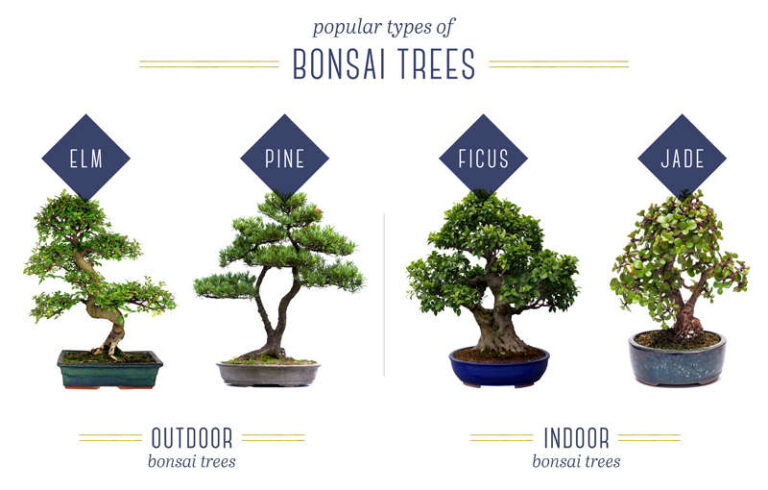
Many trees work, but not all. Choose species suited to your climate and light conditions for best results.
How often should you repot a bonsai?
Young trees usually need repotting every 1–3 years. Older trees may go 3–7 years between repots.
Is wiring safe for my bonsai?
Wiring is safe when done correctly. Use the right gauge and remove wire before it cuts into bark.
What is the best season to train a bonsai?
Spring and early summer are best for major work. Minor pruning and styling can occur year-round depending on species.
Conclusion
Training a bonsai tree is steady, patient work. Practice pruning, wiring, root care, and seasonal maintenance. Learn from mistakes and keep a simple plan. Start small, document each step, and enjoy the slow reward of a living art piece. Try one focused training step this week, and share your progress for feedback or questions.

Laura Bennett is a gardening writer at MyGardenLabs who creates beginner-friendly guides focused on solving common plant care and gardening problems.