When To Repot A Bonsai Tree: Timing Tips For Health
Repot bonsai every 1–3 years for young trees and every 3–5 years for mature trees.
I have worked with bonsai for years and helped dozens of students learn repotting. This guide explains when to repot a bonsai tree, how to read the signs, and how to do it safely. Read on to learn clear rules, real tips from my experience, and step-by-step actions you can use the next time your bonsai needs fresh soil and room to grow.

When to repot a bonsai tree: signs to watch
Knowing when to repot a bonsai tree is part science and part feel. Look for clear signs that the roots need space or the soil has lost structure.
Common signs that show when to repot a bonsai tree:
- Root-bound pot: Roots circle the bottom or come out of drainage holes.
- Water drains too fast or pools on the surface.
- Soil breaks down and becomes compacted or smells stale.
- Slow growth or poor leaf color despite proper light and feed.
- Roots visible on the surface or soil level rising.
I once delayed repotting a maple because it still had leaves. The roots had filled the pot. After repotting it perked up within weeks. Learning to watch roots and soil will make the timing clearer.

Best time of year to repot a bonsai tree
Timing affects survival and recovery. Most bonsai do best when repotted during rest or early growth.
General timing rules for when to repot a bonsai tree:
- Deciduous trees: repot in late winter to early spring before buds open.
- Evergreen trees: late winter or early spring, or early autumn for mild climates.
- Tropical bonsai: repot in spring or early summer when growth is active.
- Avoid repotting during hot summer or deep winter freezes.
Repotting when the tree is about to start active growth helps roots recover fast. That same window works for most species and gives the lowest stress to the plant.
How often to repot by species, age, and pot size
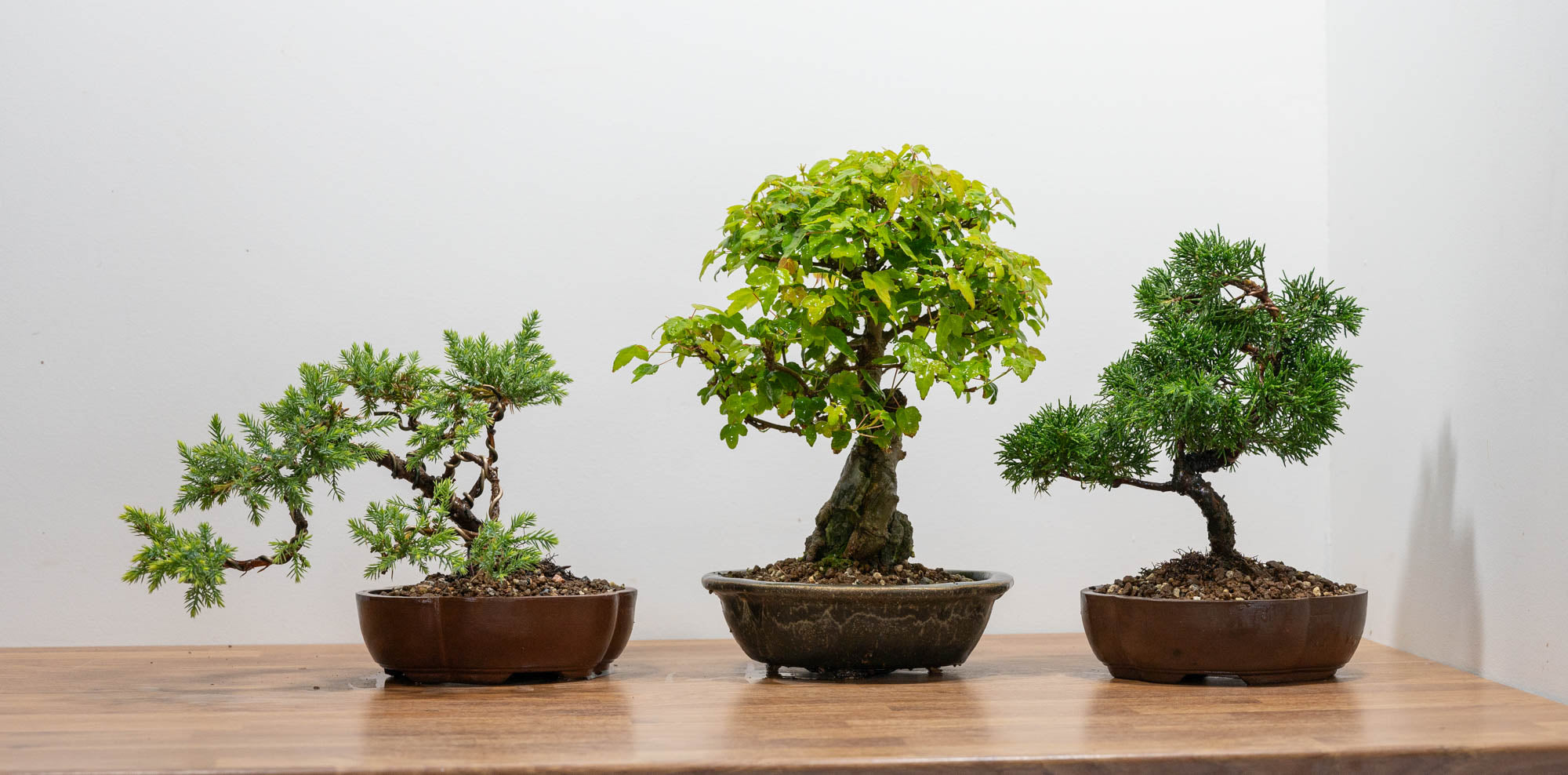
How often you repot a bonsai tree depends on age, species, and pot volume. Younger trees need more frequent work.
Typical intervals for when to repot a bonsai tree:
- Young, fast-growing trees: every 1–2 years.
- Semi-mature trees: every 2–4 years.
- Mature bonsai in stable pots: every 3–7 years.
- Slow growers and potted in deep soil may go longer.
Other factors that change timing:
- Pot size: small pots need more frequent repotting.
- Soil mix: fast-draining mixes break down faster.
- Root growth: aggressive roots shorten the interval.
From my experience, check roots every spring. I mark repot years on a calendar. That simple habit prevents surprise root crowding.
Step-by-step guide: how to repot a bonsai tree
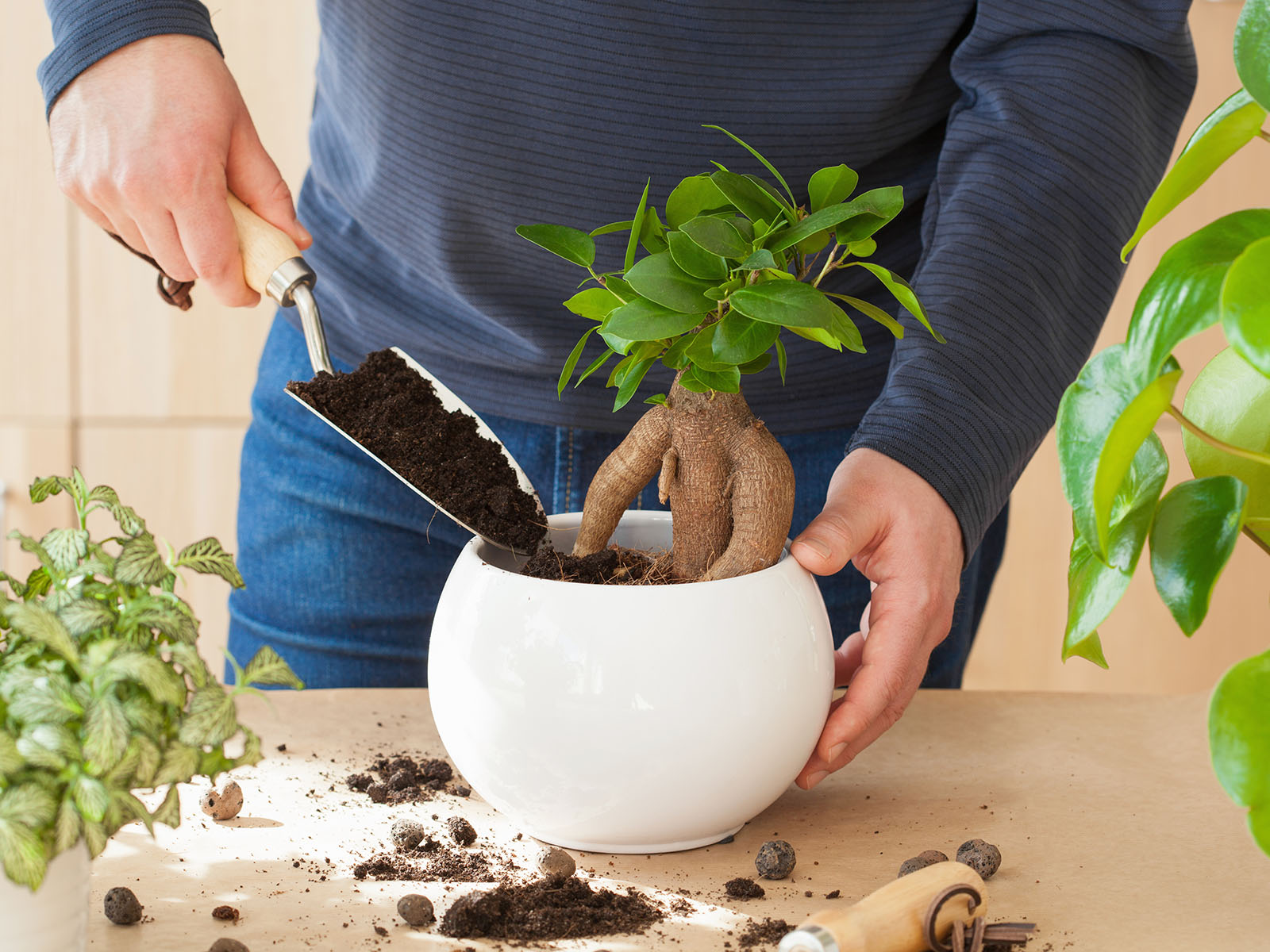
A clear method reduces shock. Use these steps when deciding when to repot a bonsai tree.
Materials you will need:
- New pot or cleaned old pot.
- Sharp root scissors and pruning shears.
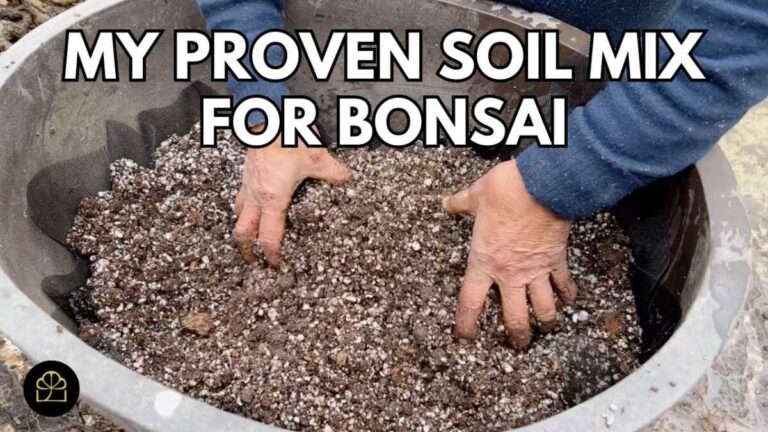
- Fresh bonsai soil mix.
- Wire and chopstick for settling soil.
- Watering can and tray.
Step-by-step repotting:
- Prepare pot and soil. Place mesh on drainage holes and add a base soil layer.
- Remove the tree gently from the pot. Loosen soil around the root ball with a chopstick.
- Inspect roots. Remove any rotten or circling roots and cut back about one-third for healthy mature trees; cut more for very root-bound young trees.
- Place tree in pot and fill with fresh soil, working the soil in to avoid air pockets.
- Secure tree with wire if needed. Water thoroughly and place in shade for a week or two.
Keep cuts clean and avoid leaving ragged roots. I learned to always use fresh soil and a clean pot. That prevents disease and speeds recovery.
Choosing soil and the right pot
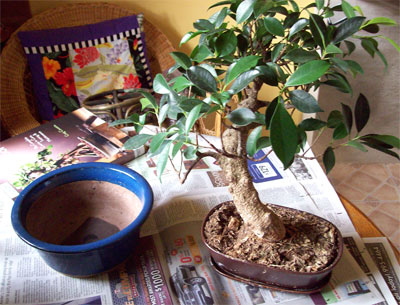
The right soil and pot help determine when to repot a bonsai tree again. Soil affects drainage and how fast roots fill the space.
Soil traits to prefer:
- Good drainage with some water retention.
- Stable particles that do not break down quickly.
- Mix often includes akadama, pumice, and lava rock or similar substitutes.
Pot selection tips:
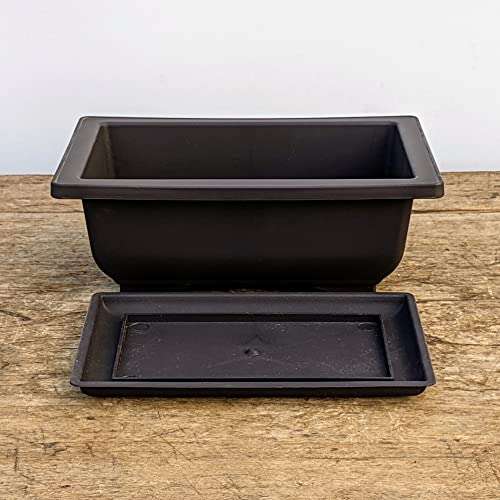
- Choose a pot that fits the root spread with a little room.
- Use shallow pots for traditional bonsai styles; deeper pots for nurseries.
- Ensure good drainage holes and use mesh to stop soil loss.
When soil breaks down or clogs, that is a clear sign you need to think about when to repot a bonsai tree next. Fresh soil keeps roots healthy and makes watering predictable.

Root pruning, techniques, and common mistakes
Root work is the core reason you repot. Proper technique keeps the tree healthy and maintains style.
Key root pruning basics for when to repot a bonsai tree:
- Prune circling roots to stop girdling.
- Cut thick roots cleanly to encourage fine feeding roots.
- Keep a balance: do not remove more than about one-third of the root mass unless the tree is young and vigorous.
Common mistakes to avoid:
- Repotting in the wrong season.
- Removing too many roots at once.
- Packing soil too tightly, limiting oxygen.
- Neglecting aftercare like shading and watering.
I once removed too many roots from a juniper. It weakened and dropped foliage for months. Now I prune more gently and in steps. This reduces risk and speeds recovery.

Aftercare and how to help your bonsai recover
Aftercare matters as much as the repotting act. Follow simple steps to help roots settle and grow.
Aftercare actions when you repot a bonsai tree:
- Keep the tree shaded for 1–2 weeks to reduce stress.
- Water well and check daily so the soil remains evenly moist but not waterlogged.
- Delay heavy pruning of branches for a few weeks after repotting.
- Resume feeding only after the tree shows new growth.
Watch for signs of poor recovery like wilting, yellow leaves, or root rot. Early checks let you act fast. I always note the date and track recovery in a journal. That record helps me fine-tune the next repot.

Mistakes to avoid when deciding when to repot a bonsai tree
Knowing when to repot a bonsai tree includes knowing what not to do. Avoid these pitfalls.
Common pitfalls:
- Repotting during peak heat or deep cold.
- Waiting too long until the tree is badly root-bound.
- Using poor soil that compacts quickly.
- Skipping root inspection and pruning.
Avoiding these mistakes saves plants and time. If you are unsure, err on the side of earlier repotting in spring.
Frequently Asked Questions of when to repot a bonsai tree
How do I know if my bonsai needs repotting now?
Look for roots at the surface, roots coming through drainage holes, or soil that dries too fast. Slow growth or poor health despite good care also signals repotting may be needed.
Can I repot my bonsai any time of year?
You should avoid extremes. The best time is usually late winter to early spring before growth begins; tropical trees can be repotted in warmer months when actively growing.
How much root should I cut when repotting?
As a rule, remove about one-third of the root mass for mature trees. Young nursery trees can tolerate harder root pruning but still need care and a gentle approach.
Will repotting shock my bonsai?
Some stress is normal, but repotting at the right time and following good aftercare minimizes shock. Shade, steady moisture, and delayed heavy pruning help recovery.
How long until my bonsai recovers after repotting?
Most bonsai show signs of recovery in a few weeks to a few months, depending on species and season. New root growth often resumes within 4–8 weeks in active growth periods.
Conclusion
Repotting is a key skill for every bonsai keeper. Watch roots, check soil, and time the work for spring when possible. Use fresh soil, prune roots with care, and give your tree gentle aftercare. Start by checking your pots this season and mark a repotting plan for younger trees. Try one repot this year with the steps above, and share your results or questions below — your bonsai will thank you.

Laura Bennett is a gardening writer at MyGardenLabs who creates beginner-friendly guides focused on solving common plant care and gardening problems.