Are Bonsai Trees Toxic To Dogs: Pet Safety Guide
Most bonsai species are not highly toxic to dogs, but some varieties and treatments can be dangerous.
I’ve cared for bonsai and dogs for years, so I know the worry when curious paws meet tiny trees. This article answers are bonsai trees toxic to dogs with clear, practical guidance. I’ll break down which bonsai plants pose real danger, what symptoms to watch for, first-aid steps, and how to keep your dog and bonsai safe together. You’ll get expert-backed tips, real-world examples, and easy prevention strategies so you can make informed choices for your home.

Why pet owners ask: are bonsai trees toxic to dogs?
Many people love bonsai for their beauty and calm. Dogs love to chew. Those two facts lead to a common question: are bonsai trees toxic to dogs? The short answer is mixed. Some bonsai species are harmless. Others contain toxins that can cause vomiting, drooling, tremors, or worse.
Owners also worry about treatments and additions. Fertilizers, pesticides, wire coatings, and soil additives can be dangerous. So the risk often comes from the whole bonsai setup, not just the tree itself.
Which bonsai species are toxic or safe for dogs?
Knowing which species are commonly used as bonsai helps answer are bonsai trees toxic to dogs. Below is a clear list that separates generally safe choices from risky ones.
Safe or generally low-risk bonsai
- Chinese elm (Ulmus parvifolia) — usually non-toxic and common in bonsai.
- Japanese maple (Acer palmatum) — typically non-toxic to dogs.
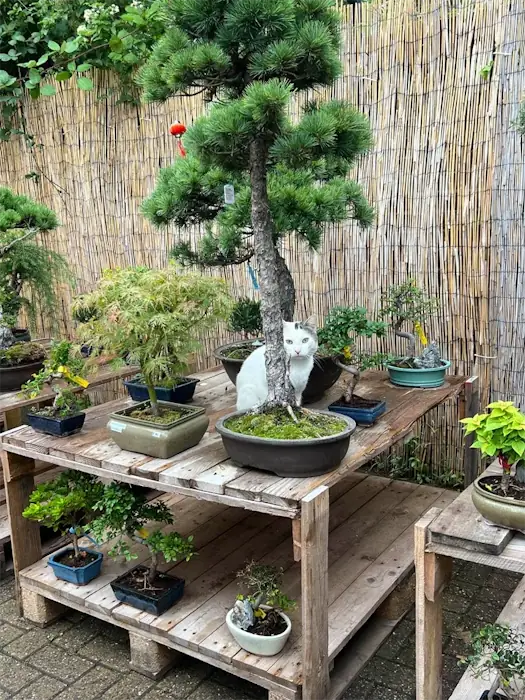
- Pine species (Pinus spp.) — can cause mild stomach upset if chewed, but are not commonly life-threatening.
- Boxwood (Buxus sempervirens) — may cause mild GI upset in small amounts.
Toxic bonsai species to avoid or handle with care
- Azalea/Rhododendron — contains grayanotoxins; can cause vomiting, drooling, low blood pressure, and heart issues.
- Japanese yew (Taxus spp.) — highly toxic; even small amounts can cause sudden collapse and heart failure.
- Sago palm (Cycas revoluta) — extremely toxic to dogs; can cause liver failure and death.
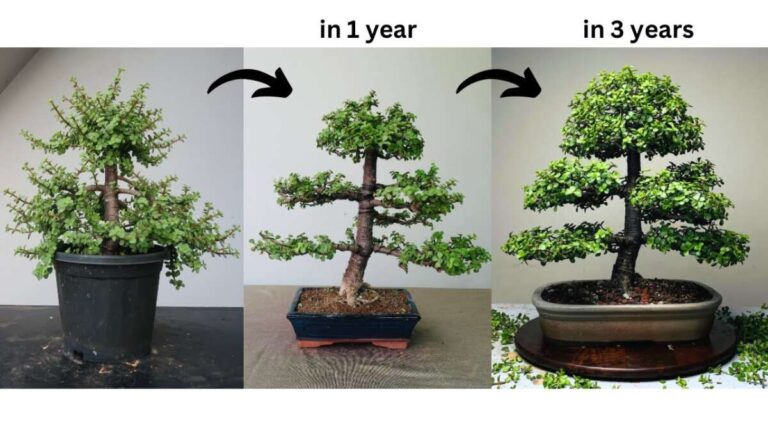
- Jade plant (Crassula ovata) — used as bonsai in succulents; causes vomiting and lethargy in dogs.
- Oleander (Nerium oleander) — very toxic; not commonly used as bonsai but dangerous if present.
Remember that cultivar and local varieties can vary. Also, young leaves and seeds are often more concentrated in toxins than mature foliage.
Other hazards: soil, fertilizers, pesticides, and decorations
When owners ask are bonsai trees toxic to dogs, they should think beyond leaves. Many non-toxic plants become risky because of added chemicals or components.
Common non-plant hazards
- Fertilizers — many contain salts or chemicals that irritate the gut or cause toxicity if ingested in quantity.
- Pesticides and fungicides — can lead to tremors, drooling, or poisoning depending on ingredients.
- Bonsai wire and clips — can injure the mouth or digestive tract if swallowed.
- Decorative stones, moss, or charcoal — small pieces can cause choking or intestinal blockage.
- Rooting hormone powders — may be harmful if licked or eaten.
Safe housekeeping tips
- Store chemicals out of reach.
- Rinse hands and tools after treatment.
- Avoid edible or fragrant additives that encourage chewing.
Signs of poisoning and when to act
If you’re wondering are bonsai trees toxic to dogs, watching for symptoms matters. Signs can range from mild to severe.
Common early signs
- Drooling, licking lips, or chewing at the mouth.
- Vomiting or diarrhea.
- Lethargy and weakness.
- Loss of appetite.
Serious signs that need immediate care
- Tremors, seizures, or collapse.
- Labored or irregular breathing.
- Pale gums, irregular heartbeat, or fainting.
- Continuous vomiting or bloody diarrhea.
Timing and progression
- Symptoms can appear within minutes to several hours.
- Some toxins cause delayed liver or heart damage and may take 24–72 hours to show full effect.
If you see worrying signs, act fast. Quick veterinary care can be life-saving.

What to do if your dog eats a bonsai
Practical steps help answer are bonsai trees toxic to dogs in real time. Follow these actions calmly and quickly.
Immediate steps
- Remove the plant and keep your dog away from it.
- Check your dog’s mouth and take out any plant pieces you can safely remove.
- Note the plant name, amount chewed, and time of ingestion.
Contact professionals
- Call your veterinarian or an animal poison control hotline right away.
- Follow their guidance on whether to induce vomiting; do not induce at home unless told.
Bring useful items to the vet
- A sample or photo of the bonsai.
- Packaging from any fertilizers or treatments used on the plant.
- A description of your dog’s size, age, and symptoms.
Treatments a vet might use
- Activated charcoal to limit absorption.
- IV fluids for dehydration and to support organs.
- Medications for nausea, seizures, or heart issues.
- Hospital monitoring for liver or heart toxicity when appropriate.

Prevention and safe bonsai care with dogs
If your question is are bonsai trees toxic to dogs, prevention is the best answer. Careful choices and placement make bonsai and dogs compatible.
Choose pet-safe species
- Prefer non-toxic bonsai species like Chinese elm or Japanese maple.
- Avoid species on the toxic list such as azalea, sago palm, or yew.
Create barriers and safe zones
- Place bonsai on high shelves or in rooms with doors.
- Use plant stands that are out of reach and stable.
- Consider a dedicated display case or terrarium.
Change care habits
- Store fertilizers and pesticides securely.
- Use pet-safe pest control options.
- Replace tempting top-dress moss with harder, less edible materials.
Train and supervise
- Teach a reliable “leave it” or “no” cue.
- Reward your dog for ignoring plants.
- Supervise young or chewer dogs around plants.
Small changes prevent big problems. Regular checks and simple training keep both dog and bonsai safe.

Personal experience and lessons learned
I once had a small jade bonsai on a low table. My Labrador puppy chewed a few leaves and vomited all night. The vet said jade plants cause gastrointestinal upset but rarely fatal outcomes in small amounts. The lesson: even fairly “mild” bonsai can cause distress.
What I changed after that
- I moved all bonsai to higher shelves.
- I chose species less appealing to dogs.
- I kept a camera on the room until the behavior was trained out.
These practical steps saved me money and worry. If you keep bonsai, expect curiosity. Plan for it.
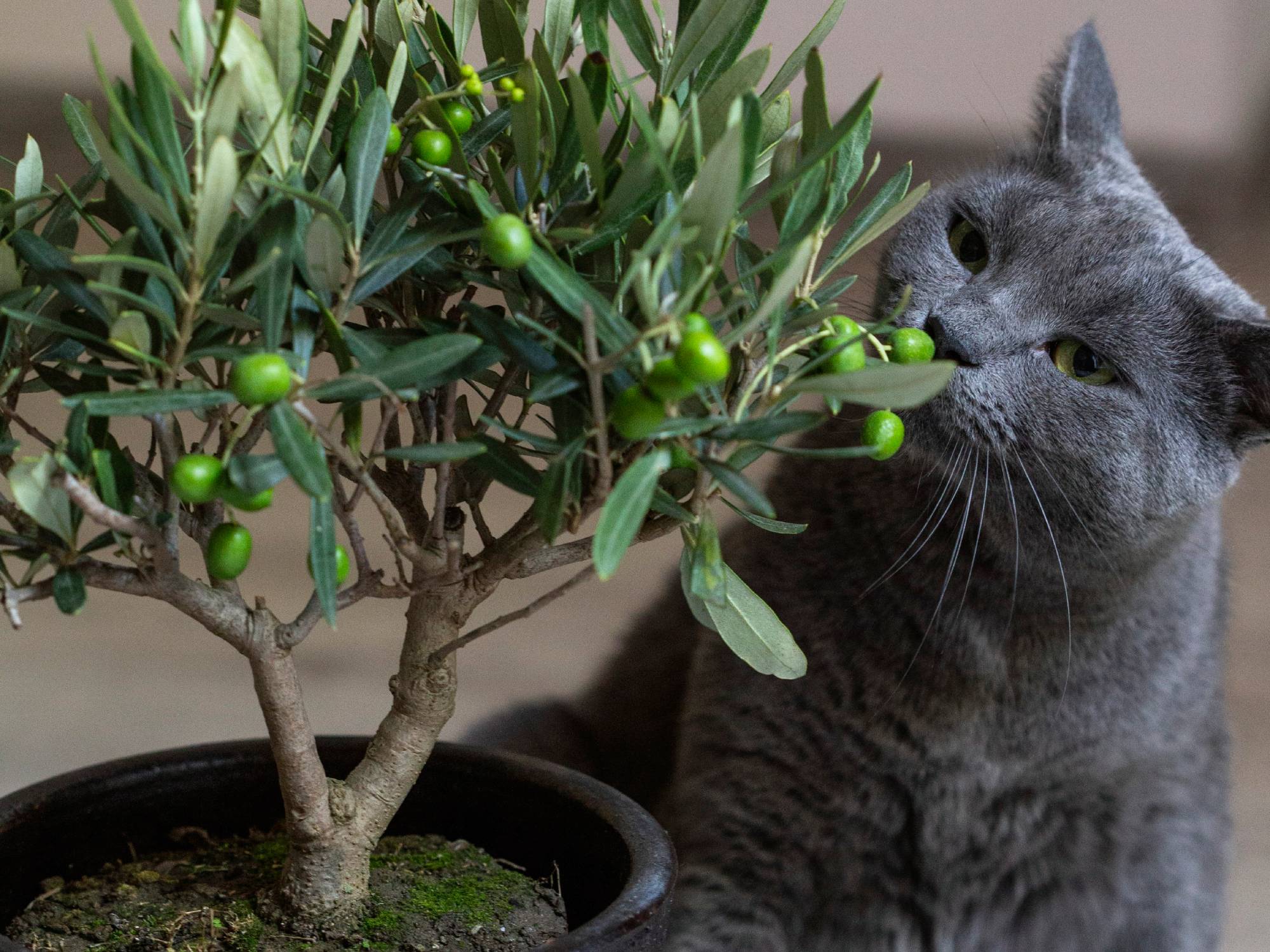
Frequently Asked Questions of are bonsai trees toxic to dogs
What should I do right away if my dog chews a bonsai leaf?
Remove access, note the plant type and amount, and call your veterinarian or poison control. Follow professional instructions rather than guessing at treatments.
Are all bonsai species safe around dogs?
No. Many species are safe, but some like azalea, yew, sago palm, and jade are risky and should be avoided. Species vary, so check each one before bringing it home.
Can small amounts of a toxic bonsai kill my dog?
It depends on the species and the dog’s size. Some plants, such as yew or sago palm, can be lethal even in small amounts, so seek vet care immediately.
Is the soil or fertilizer on a bonsai dangerous to dogs?
Yes. Fertilizers and pesticides can be toxic and may cause vomiting, weakness, or worse. Store and apply chemicals safely and keep dogs away from treated plants.
How can I train my dog to stop chewing bonsai?
Use a firm “leave it” command, reward good behavior, provide chew alternatives, and supervise. Consistent training and placing bonsai out of reach work best.
Conclusion
You can enjoy bonsai and keep your dog safe. Many bonsai species are not highly toxic to dogs, but some are dangerous, and treatments or decorations can add risk. Learn the species you own, watch for symptoms, and act fast if your dog chews a plant. Use prevention steps like higher placement, pet-safe care products, and training to reduce risk.
Take action today: review the bonsai in your home, move any risky plants or supplies out of reach, and teach a clear “leave it” cue. If you found this helpful, share your experience in the comments or subscribe for more pet-safe plant tips.

Laura Bennett is a gardening writer at MyGardenLabs who creates beginner-friendly guides focused on solving common plant care and gardening problems.