How To Take Care Of Indoor Bonsai Plants: Easy Care Tips
Keep indoor bonsai evenly watered, given bright light, good soil, and routine pruning to thrive.
I have trained and cared for indoor bonsai for years, and I will walk you through exactly how to take care of indoor bonsai plants with clear, tested steps. This guide blends hands-on tips, science-backed basics, and easy routines so you can keep bonsai healthy and beautiful at home.

Basics: what an indoor bonsai needs and why it matters
A bonsai is a full-sized tree grown in a small pot. Indoor bonsai are species that tolerate steady indoor light and warmth. How to take care of indoor bonsai plants starts with understanding their three core needs: light, water, and the right soil.
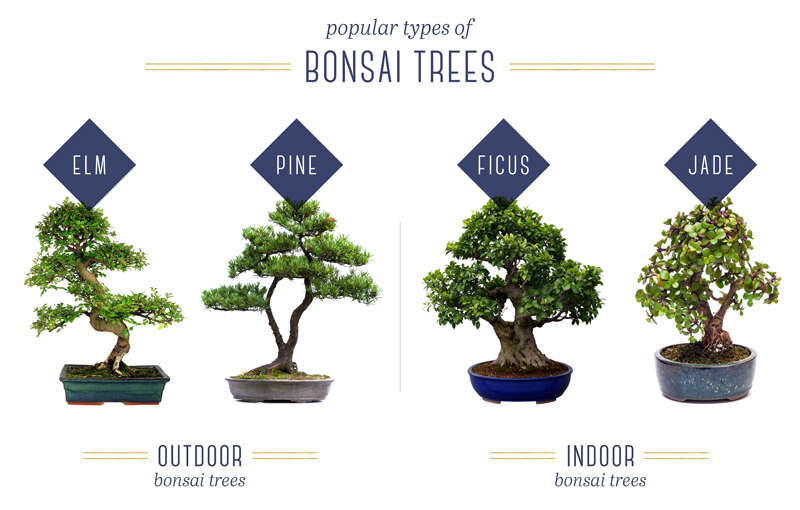
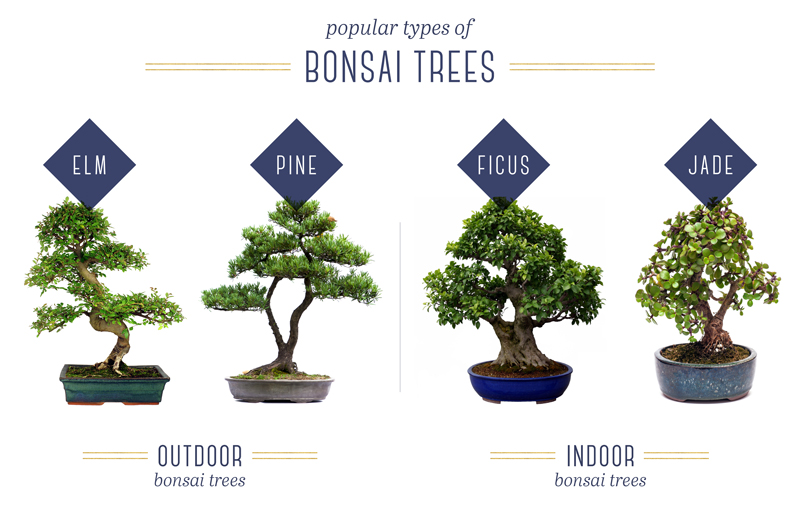
Know your species. Common indoor bonsai include ficus, jade, schefflera, and serissa. Each one has quirks. Match care to the species before you change routines.
Start small. Learn basic watering, pruning, and feeding first. With steady habits you will avoid stress and quick failures.
Light and placement for indoor bonsai
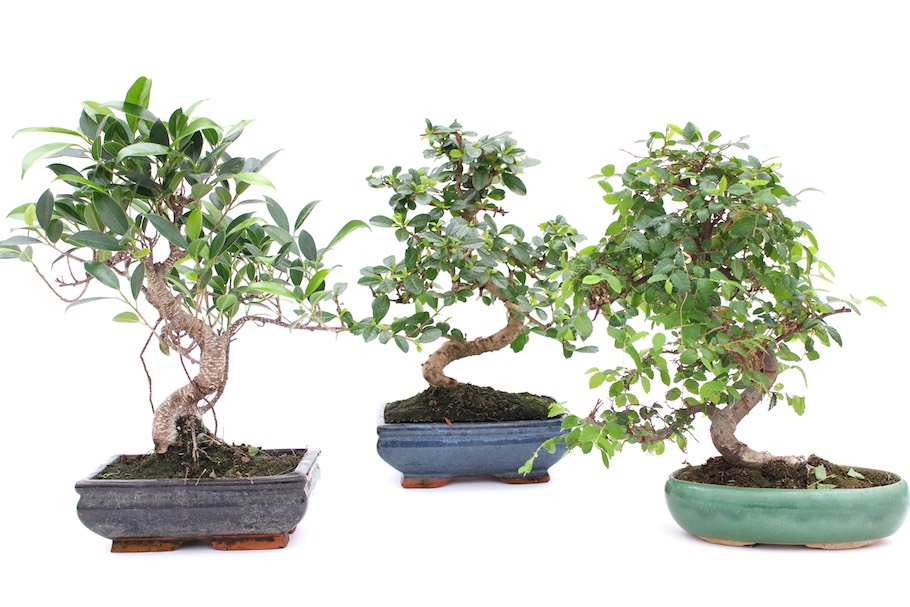
Good light is the most common care gap. Most indoor bonsai want bright, indirect light for 6 to 10 hours a day. Place them near an east- or south-facing window that gets morning sun and filtered light in the afternoon.
If natural light is weak, use grow lights. Position a full-spectrum LED 6 to 12 inches above the canopy. Run lights 10 to 12 hours daily to mimic daylight.
PAA-style question: How much light does an indoor bonsai need? Most need bright, indirect light for most of the day; stronger species tolerate a few hours of direct sun. Low-light species can survive in moderate light but grow slower.
Rotate the pot weekly to keep the tree balanced. Avoid hot, dry air from vents. A consistent spot reduces stress and saves you time.

Watering and humidity: simple rules that work
Watering is the most common cause of loss. Learn to feel the soil. Water when the top 1/4 inch of soil starts to dry. Water thoroughly until water drains from the pot base.
Use the soak-and-drain method for best results. Put the pot in a sink, pour water slowly until it drains out, then let it sit for a minute and drain again. This helps flush salts and gives roots full moisture.
Indoor air can be dry. Raise humidity with a tray of pebbles and water under the pot or use a small humidifier nearby. Misting helps leaves, but it does not replace soil moisture.
Signs to watch for:
- Overwatering: yellowing leaves, soft roots, leaf drop.
- Underwatering: dry soil, crispy leaves, quick leaf loss.
- Root rot: foul smell, dark mushy roots — remove and repot if you find it.
Personal tip: I once kept a ficus too wet for months. Leaves fell slowly and the soil smelled sour. A full repot and a drier schedule brought it back in three months.
Soil, pots, and drainage
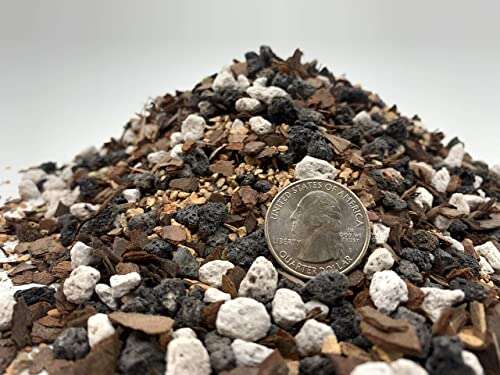
Good soil drains and holds a little water. Use a bonsai mix or make your own with:
- Akadama or clay granules for structure.
- Pumice for aeration.
- Lava rock or coarse grit for drainage.
Avoid ordinary garden soil. It compacts and holds too much water in small pots. Always choose a pot with drainage holes. Use a mesh or coarse grit over the hole to stop soil loss.
Repot young trees every 1 to 3 years. Repot older, established bonsai every 3 to 5 years. Repotting refreshes soil and lets you prune roots to keep the tree healthy and small.
Pruning, wiring, and shaping
Pruning controls size and shape. There are two types:
- Maintenance pruning to keep the shape and remove new shoots.
- Structural pruning to cut larger branches and direct long-term form.
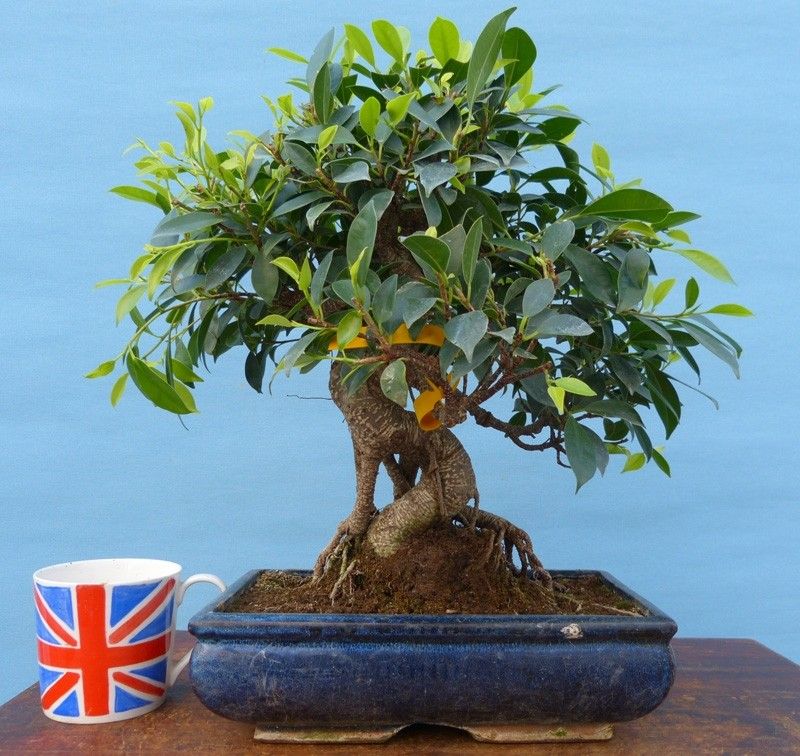
Use sharp, clean tools. Cut at an angle and seal large cuts if needed. Wire branches to shape them, but unwrap wire before it digs into bark. Check wired branches every few weeks.
Timing matters. Prune most indoor species in spring and summer when the tree is growing fast. Structural cuts are best in a growth season so wounds heal quickly.

Feeding and fertilizing indoor bonsai
Bonsai need regular food because pots hold little soil. Use a balanced, slow-release fertilizer or a liquid feed every 2 to 4 weeks in the growing season. Reduce feeding in late fall and stop during true dormancy.
Match fertilizer to the species. Acid-loving species need different feeding than succulents like jade. Follow package directions and avoid overfeeding, which burns roots.
Organic feeds help soil life and reduce chemical buildup. I alternate liquid feed with a diluted organic fertilizer and see steady, healthy growth.

Pests, diseases, and common problems
Keep pests in check early. Common pests include aphids, scale, spider mites, and mealybugs. Look under leaves and at branch joints often.
Treat pests with simple steps:
- Isolate the tree.
- Wash leaves and spray with insecticidal soap.
- Use neem oil or targeted sprays for stubborn infestations.
PAA-style question: Why are my bonsai leaves yellowing? Yellow leaves can mean overwatering, poor light, nutrient lack, or root problems. Check soil moisture, light, and root health to find the cause.
Always keep tools clean. Sterilize with alcohol between cuts. Prevention is easier than cure.

Seasonal care and repotting schedule
Indoor bonsai still follow seasons. Growth slows in cooler months. Adjust care:
- Reduce watering in slow growth periods.
- Cut back on fertilizer in late fall.
- Move trees to brighter spots in winter.
Repot in spring for most species. Repot when roots are active but before new top growth explodes. Spring repotting reduces stress and speeds recovery.
If your species needs a cold period, provide a cooler spot for a few weeks. Some tropical indoor species do not require a cold dormancy.
Advanced care, styling, and display tips
As you grow confident, try finer work:
- Refine branch placement with precise pruning.
- Thin foliage to improve light penetration.
- Use jin and shari techniques for deadwood accents on older trees.
Display matters. Put bonsai at eye level for short viewing or on a stand for room balance. Change display seasonally to show leaves, blooms, or winter form.
Patience beats speed. Style in small steps and let the tree respond before the next cut. This mindset keeps trees healthy for decades.
Personal experience: lessons learned and mistakes to avoid
I have killed and revived many bonsai. Key lessons:
- Do not overwater out of fear. Check the soil instead.
- Learn species needs before you change the pot or location.
- Keep a small journal of watering, pruning, and repotting dates.
Avoid these mistakes:
- Using garden soil in small pots.
- Letting trees sit in drafty vents or near heaters.
- Wiring too tightly or leaving wire on too long.
A patient, steady routine will add years to your bonsai's life. Small habits matter more than big fixes.
Frequently Asked Questions of how to take care of indoor bonsai plants
What is the best indoor bonsai for beginners?
Ficus and jade are great beginner choices. They tolerate lower light and are forgiving of water mistakes.
How often should I water my indoor bonsai?
Water when the top quarter inch of soil feels dry, usually every 2–7 days depending on light and pot size. Always water thoroughly until it drains.
Can indoor bonsai live near windows with direct sun?
Many indoor bonsai do well with morning direct sun and filtered afternoon light. Avoid harsh midday sun through glass that can burn leaves.
How do I know when to repot my bonsai?
Repot when roots circle the pot or soil drains poorly, typically every 1 to 5 years based on age. Spring is the best season for most species.
How do I treat pests on my indoor bonsai?
Isolate the plant, wash leaves, and apply insecticidal soap or neem oil for common pests. Repeat treatment weekly until pests are gone.
Should I use tap water for my bonsai?
Tap water usually works, but if it is very hard or chlorinated, use filtered or let it sit overnight to off-gas. Rainwater is ideal when safe to collect.
Conclusion
Caring for indoor bonsai plants is a steady mix of good light, careful watering, the right soil, and routine pruning. Start with one tree, learn its needs, and keep simple logs of what you do. With consistent habits you will see steady gains and deep satisfaction in watching your bonsai thrive.
Ready to try a new routine? Pick one change—better light, a new soil mix, or a weekly check—and keep it for a month. Share your progress, ask questions, or join a local bonsai group to grow faster and enjoy the journey.

Laura Bennett is a gardening writer at MyGardenLabs who creates beginner-friendly guides focused on solving common plant care and gardening problems.