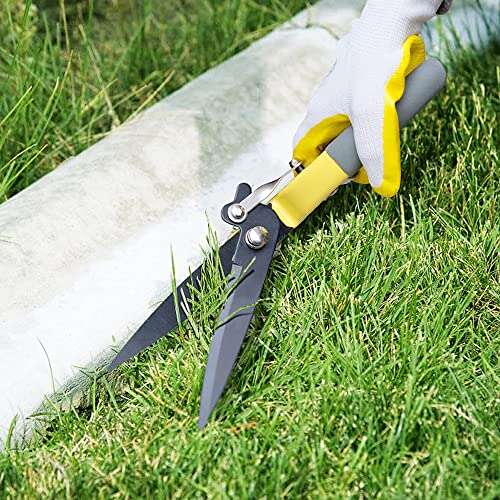
Does Trimming Plants Help Them Grow: Pruning Tips
Yes, trimming can help many plants grow better—but only when you remove the right parts at the right time. Pruning can encourage branching, improve light and air flow, remove damaged growth, and guide a plant’s shape. It does not always make a plant grow faster, and heavy or poorly timed trimming can slow growth or cause damage.
For gardeners across the United States, the best method depends on the plant, local climate, season, and reason for pruning. A rose in Florida may need a different schedule than a rose in Minnesota. Start by identifying the plant and checking its normal growth cycle.
What does trimming do to a plant?
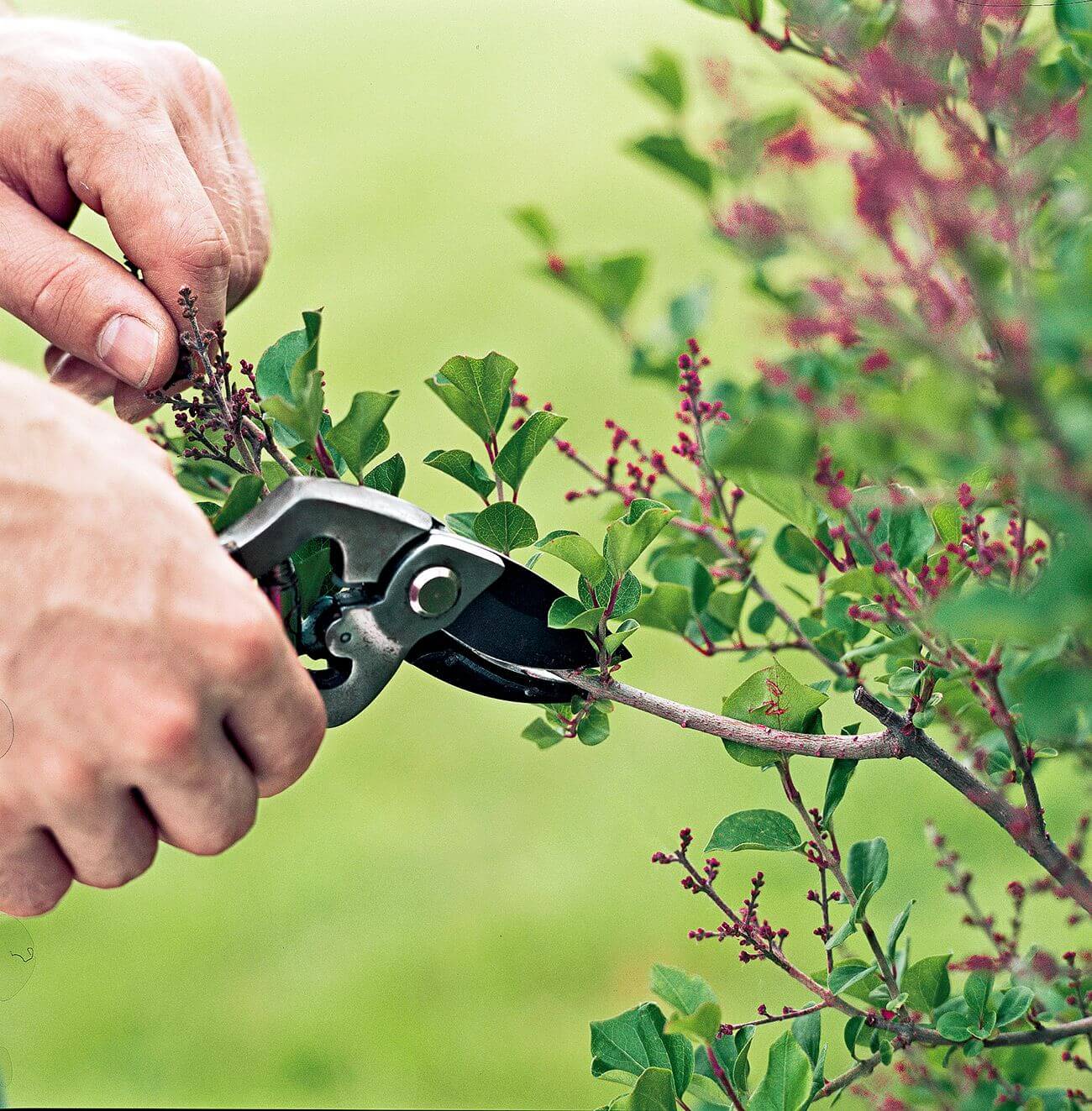
Trimming, or pruning, means removing selected parts of a plant. These parts may include stems, branches, leaves, flowers, roots, or damaged tissue.
Pruning changes where the plant sends energy. A plant often directs resources toward active growing tips. When you remove one of those tips, lower buds may begin to grow. This can create a fuller, bushier plant.
Trimming may also:
- Remove dead, diseased, or broken parts
- Improve air movement through dense growth
- Let more sunlight reach inner leaves
- Control height and width
- Encourage flowers or fruit in some plants
- Keep branches from rubbing against each other
- Make indoor plants fit their growing space
The result depends on the plant and the cut. A light trim may improve shape and branching. A severe cut can remove too much leaf area and reduce the plant’s ability to make food.
Trimming versus pruning
People often use “trimming” and “pruning” in the same way. In general:
- Trimming often means cutting back soft, new growth to shape a plant.
- Pruning usually means removing selected branches, stems, or other plant parts for health, structure, or production.
Both actions can affect plant growth. The correct cut matters more than the name.
How trimming can encourage new growth
Trimming can promote new growth by reducing apical dominance. This is the natural tendency of a plant’s top or main shoot to grow more strongly than side buds.
The growing tip produces chemical signals that help control nearby buds. When you cut the tip, those signals change. Side buds may then break dormancy and produce new shoots.
This is why pinching the tip of a young basil plant can make it branch. The same basic idea applies to many houseplants, herbs, shrubs, and flowering plants.
However, the response is not guaranteed. New growth also depends on:
- Light
- Water
- Soil drainage
- Temperature
- Nutrients
- Plant age
- Time of year
- Plant species and variety
A trimmed plant cannot produce strong growth if its roots sit in water or it lacks enough light.
Does cutting leaves make plants grow faster?
Usually, no. Leaves make energy through photosynthesis. Removing many healthy leaves reduces the plant’s ability to make that energy.
A small amount of leaf trimming may help if leaves are blocking light or if the plant is too dense. Removing a large portion of healthy foliage can slow growth while the plant replaces lost leaves.
Remove leaves when they are:
- Brown and fully dead
- Diseased
- Infested and unlikely to recover
– Blocking needed air flow - Crowding the plant in a way that harms its health
Do not remove healthy leaves simply because the plant looks large. A large, healthy leaf is still an important food-making surface.

When should you trim plants?
The best time to trim depends on the plant and the goal. A useful rule is to prune during a period when the plant can recover without facing extreme heat, cold, drought, or active disease.
General timing guide
| Plant or goal | Common timing in the United States | Main reason |
|---|---|---|
| Dead or broken branches | Any time, when noticed | Reduces safety and disease risks |
| Spring-flowering shrubs | After flowering | Protects next season’s flower buds |
| Summer-flowering shrubs | Late winter or early spring, before strong growth | Encourages new flowering shoots |
| Fruit trees | Usually during dormancy, based on species and local guidance | Improves structure and light |
| Herbs such as basil | During active growth | Encourages branching and harvest |
| Houseplants | During active indoor growth | Supports recovery and new shoots |
| Roses | Varies by type and region; often late winter or early spring | Removes weak wood and shapes the plant |
| Diseased plant parts | As soon as possible, under dry conditions | Limits spread |
These are broad guidelines, not universal rules. Some plants set flower buds on old wood. Others flower on new wood. Cutting at the wrong time may remove the buds that would have produced flowers.
In much of the United States, avoid major pruning just before a period of extreme heat, severe cold, or drought. A freshly cut plant may have more trouble managing water loss or recovering from stress.
Seasonal considerations
Spring: Many plants begin rapid growth. Light shaping and removal of winter damage can work well. Avoid cutting spring-flowering shrubs before they bloom if you want flowers.
Summer: Light trimming can control soft growth. Avoid heavy pruning during intense heat unless you must remove a hazard or diseased part.
Fall: Avoid stimulating tender new growth before a hard freeze in colder regions. Some plants may also be more vulnerable to winter injury after late pruning.
Winter: Dormant pruning is useful for many deciduous trees and shrubs. Do not assume every plant should be cut in winter. Evergreens and plants in warm U.S. regions may follow different patterns.
How to trim plants correctly
Good trimming starts with a clear purpose. Do not cut first and decide why later.
1. Identify the plant
Find the plant’s common and scientific name if possible. Care instructions for a hydrangea, tomato, boxwood, and indoor pothos can differ greatly.
Check a local extension resource for your state. The U.S. Department of Agriculture plant hardiness zone can help with climate context, but it does not replace plant-specific pruning advice.
2. Choose the goal
Decide whether you want to:
- Remove damage
- Make the plant bushier
- Improve airflow
- Control size
- Increase flowers
- Improve fruit production
- Remove crossing branches
- Rejuvenate an old shrub
Each goal calls for a different amount and location of cutting.
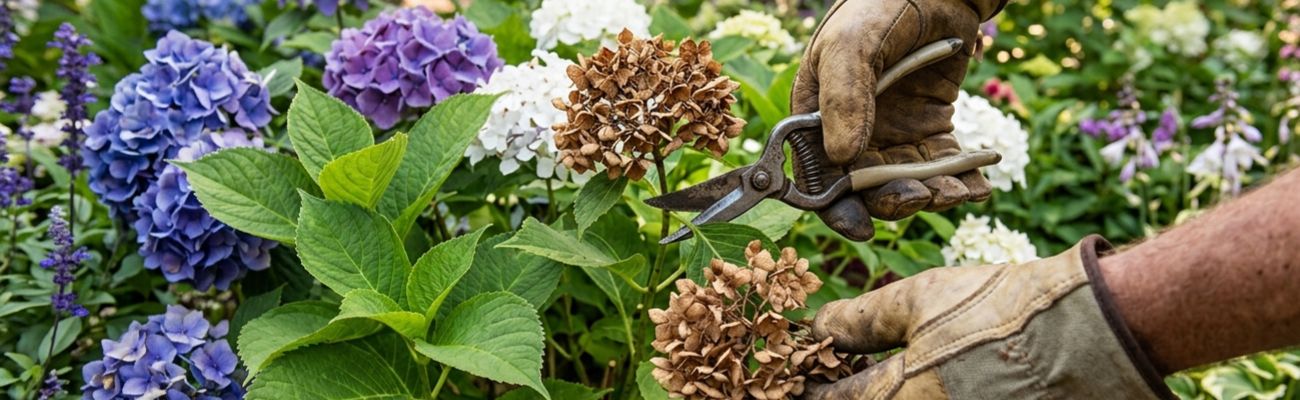
3. Use clean, sharp tools
Use bypass hand pruners for small stems. Use loppers for larger branches and a pruning saw for thick wood.
Clean tools help reduce the chance of spreading plant diseases. Wipe soil and plant debris from the blades. If you move from a diseased plant to a healthy plant, disinfect the tool according to current guidance for the product you use.
Wear eye protection when cutting branches above shoulder height. Use a stable ladder only when someone can assist, and hire a qualified tree professional for large limbs or work near power lines.
4. Remove unhealthy growth first
Cut out dead, broken, or clearly diseased wood before shaping healthy parts. Follow the branch back to a healthy point.
For diseased material, avoid placing infected cuttings in home compost unless your compost system reaches conditions that reliably destroy the pathogen. Bag and dispose of the material according to local rules when appropriate.
5. Make the cut in the right place
For a small stem, cut just above a healthy bud. Choose a bud that points in the direction you want new growth to go.
For a branch, cut just outside the branch collar. The branch collar is the slightly swollen area where a branch joins a larger stem or trunk. Do not leave a long stub, and do not cut flush against the trunk.
Large tree cuts need extra care. Do not use wound paint or sealant unless a qualified local source specifically recommends it for the situation. Many trees can close wounds naturally, and sealants may trap moisture or interfere with normal wound response.
6. Remove only what the plant can handle
A conservative trim is safer than a severe one. When shaping a healthy plant, remove a small portion at a time and step back to inspect the form.
The right amount varies by species. A light pinch on basil is very different from removing a major branch from a mature tree.
Which plants benefit most from trimming?
Many plants respond well to careful pruning, but the benefit differs by type.
Herbs and leafy plants
Basil, mint, oregano, and similar herbs often become fuller when you pinch or cut stems above a pair of leaves. Regular harvesting can act like light pruning.
For basil, remove the top growing section before the plant becomes tall and sparse. Remove flower buds if your goal is continued leaf production. Allowing some herbs to flower may be useful if you want seeds or flowers for pollinators.
Houseplants
Houseplants may become long and thin because of low indoor light. Trimming can make them look fuller, but it does not solve the lack of light.
Move the plant to a suitable light level before or after pruning. Cut just above a node, which is the point where a leaf or bud joins the stem. Pothos, philodendron, coleus, and many other houseplants can produce new shoots from nodes.
Do not water a freshly trimmed plant excessively. Less foliage may mean less water use, so the soil may stay wet longer.
Flowering shrubs
Pruning can improve flowering when you know whether the plant blooms on old wood or new wood.
- Plants that bloom on old wood often form flower buds during the previous growing season.
- Plants that bloom on new wood form flowers on growth produced during the current season.
Pruning an old-wood bloomer before flowering may remove its buds. Pruning a new-wood bloomer during dormancy may encourage fresh flowering growth.
Fruit trees and berry plants
Pruning can improve light, air flow, branch strength, and fruit quality. It does not replace proper pollination, watering, pest control, or nutrition.
Young fruit trees need structural training. Older trees may need selective thinning rather than a drastic cut. Removing too much wood can cause vigorous, weakly attached shoots and may reduce fruit production.
For large fruit trees, use guidance from your state’s Cooperative Extension Service. The correct method varies by crop.
Trees
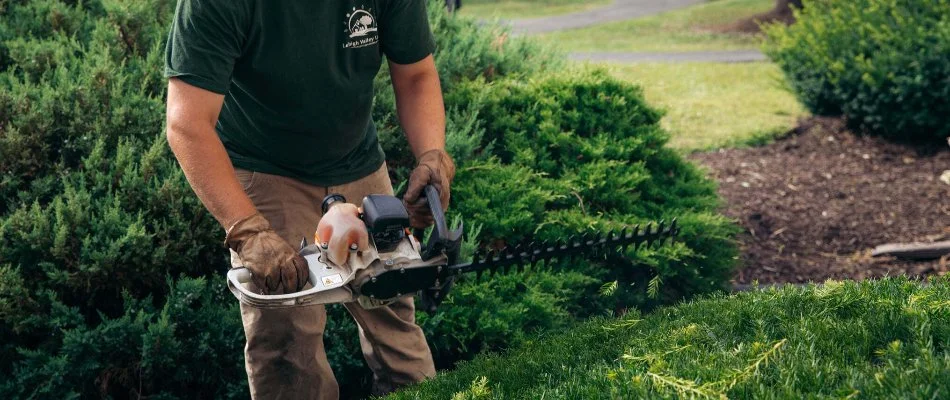
Tree pruning is not the same as hedge trimming. A tree’s branch structure affects strength and safety for many years.
Remove hazardous, dead, or rubbing branches when needed. For large trees, high branches, storm damage, or cuts near utility lines, contact an ISA-credentialed arborist or another qualified tree professional.
When trimming does not help growth
Trimming will not correct every plant problem. It may make a weak plant worse when the real issue is below the surface.
Do not rely on pruning alone if the plant has:
- Poor light
- Root rot
- Compacted soil
- Drought stress
- Severe insect damage
- A plant disease
- Cold injury
- Nutrient problems
- A pot that drains poorly
- Roots restricted by a small container
Check the growing conditions before cutting healthy tissue. If leaves are yellow, inspect watering and drainage. If stems are long and weak, check light. If new growth is distorted, look for pests before pruning.
Signs you trimmed too much
A plant may have been over-pruned if it shows:
- Sudden wilting
- Sunburn on previously shaded stems or leaves
- Few remaining leaves
- Slow recovery
- Many thin shoots
- New growth that dries out
- Increased pest problems
Move the plant away from harsh afternoon sun if it has lost much of its leaf cover. Keep watering steady, but do not keep the soil constantly wet. Avoid heavy fertilizer while the plant is stressed unless a soil test or plant-care guide supports it.
Common trimming mistakes to avoid
Cutting on a fixed schedule
A calendar can help, but plant growth matters more than a date. A late freeze, heat wave, or unusual season may change the safest timing.
Topping trees
Topping removes large portions of a tree’s crown and leaves stubs. It can trigger weak shoots, increase decay risk, and create future structural problems. Use selective pruning instead, or seek professional help.
Using dull tools
Dull blades crush stems. Crushed tissue heals poorly and may provide an easier entry point for pathogens.
Leaving long stubs
Stubs often die back and can slow the plant’s natural wound response. Cut just outside the branch collar when removing a branch.
Removing every flower
Deadheading can encourage more blooms in some plants, but not all. Some plants produce attractive seed heads, and some flowers do not rebloom after removal.
Pruning a stressed plant heavily
A plant under drought, heat, cold, pest, or root stress has fewer resources for recovery. Remove dead or dangerous tissue first, then correct the growing conditions.
Applying too much fertilizer after pruning
Fertilizer is not a replacement for leaves or roots. Excess nutrients can damage roots or produce weak, soft growth. Improve light, water, soil, and drainage before adding fertilizer.
A simple decision guide
Use this quick process before you trim:
-
Is the plant healthy enough to prune?
If it is severely wilted, diseased, or drought-stressed, correct the main problem first. -
What do you want to change?
Choose health, shape, size, branching, flowers, or fruit. -
Does the plant bloom on old wood or new wood?
This determines whether timing may affect flowers. -
Is the branch dead, broken, diseased, or hazardous?
Remove urgent problems first. -
Can you make the cut safely?
Stop if the branch is large, high, near a power line, or beyond your tools. -
Will the plant still have enough healthy leaves?
If not, reduce the amount you remove. -
Can you provide proper care afterward?
Plan for suitable light, water, and protection from extreme conditions.
The best trimming is selective. It changes the plant’s structure without taking away more living tissue than necessary.
Frequently asked questions
Does trimming a plant make it grow faster?
It can make a plant produce more side shoots or appear fuller, but it does not always increase total growth. Removing too much foliage can slow growth because the plant has fewer leaves for photosynthesis.
Should I cut off brown leaves?
Remove fully brown or dead leaves. If only the tip is brown, you can trim the damaged part for appearance, but leave some green tissue when possible. Also check for low humidity, inconsistent watering, salt buildup, root problems, or excess fertilizer.
Does pinching help plants grow bushier?
Often, yes. Pinching the growing tip can reduce apical dominance and encourage side buds to grow. This works well for many herbs, annual flowers, and houseplants, but the response varies by species.
Can I trim plants in summer?
Light trimming may be safe during active summer growth. Avoid heavy pruning during extreme heat or drought unless you are removing damaged, diseased, or hazardous growth. Water and climate conditions matter more than the season alone.
Should I trim roots when repotting?
Root pruning can help in some container situations, but it also injures the plant and should not be routine. Remove only dead, rotten, or severely circling roots unless a reliable guide for that plant recommends more. Use a clean tool and a container with drainage.
How long does it take to see new growth after trimming?
Some fast-growing plants show new shoots within days or weeks. Woody shrubs and trees may take longer. If no growth appears, check light, temperature, water, roots, and the plant’s normal dormancy period before cutting again.
Final answer: does trimming plants help them grow?
Trimming can help plants grow in a healthier shape, produce more side branches, and direct energy toward useful growth. It works best when you remove damaged or competing parts, make clean cuts, and prune at the right time for the plant.
It can also harm growth when you remove too many leaves, cut during stressful weather, or prune without fixing problems such as poor light or root rot. Identify the plant first, choose one clear goal, and make the smallest cut that solves the problem.
For your next step, inspect the plant’s light, soil moisture, and damaged growth. Then check a trusted U.S. Cooperative Extension guide for that specific plant before making major cuts.
Sources for further reading
- University of Minnesota Extension: Pruning trees and shrubs
- Penn State Extension: Pruning ornamental plants
- Clemson Cooperative Extension: Pruning shrubs
- University of California Statewide Integrated Pest Management Program: Pruning
- U.S. Department of Agriculture Plant Hardiness Zone Map

Laura Bennett is a gardening writer at MyGardenLabs who creates beginner-friendly guides focused on solving common plant care and gardening problems.