How To Germinate Seeds Faster Naturally: 2026 Guide
Pre-soak seeds in warm water, add gentle heat, and keep moisture constant.
If you want to learn how to germinate seeds faster naturally, you’re in the right place. I’ve started thousands of seeds for home gardens, farms, and trials. In this guide, I’ll show you what actually works, why it works, and how to apply it today for quicker, healthier sprouts without harsh chemicals.
How germination works and what speeds it up
Seeds wake up when they have water, warmth, and oxygen. Moisture softens the seed coat and triggers enzymes. Warmth speeds those enzymes up. Oxygen fuels tiny cells as they divide.
Some seeds need light to sprout. Others need darkness. Fresh seed with intact food reserves will pop faster. If you master these basics, you already know how to germinate seeds faster naturally.
Fast-start checklist: how to germinate seeds faster naturally today
Use this simple plan to boost speed without synthetic tricks.
- Use fresh, high-quality seed. Old or poorly stored seed slows down.
- Pre-soak seeds 8 to 24 hours in warm water (not hot).
- Add gentle bottom heat. Aim for 70 to 85°F for warm crops.
- Start in a sterile, fine seed mix or the paper towel method.
- Keep the medium evenly moist, not soggy.
- Give light as soon as sprouts appear.
- Vent domes daily for airflow. Reduce fungus risk.
- Label every batch with date and variety.
Follow these steps and you’ll feel confident about how to germinate seeds faster naturally in any season.
Pre-soaking: simple hydration hacks
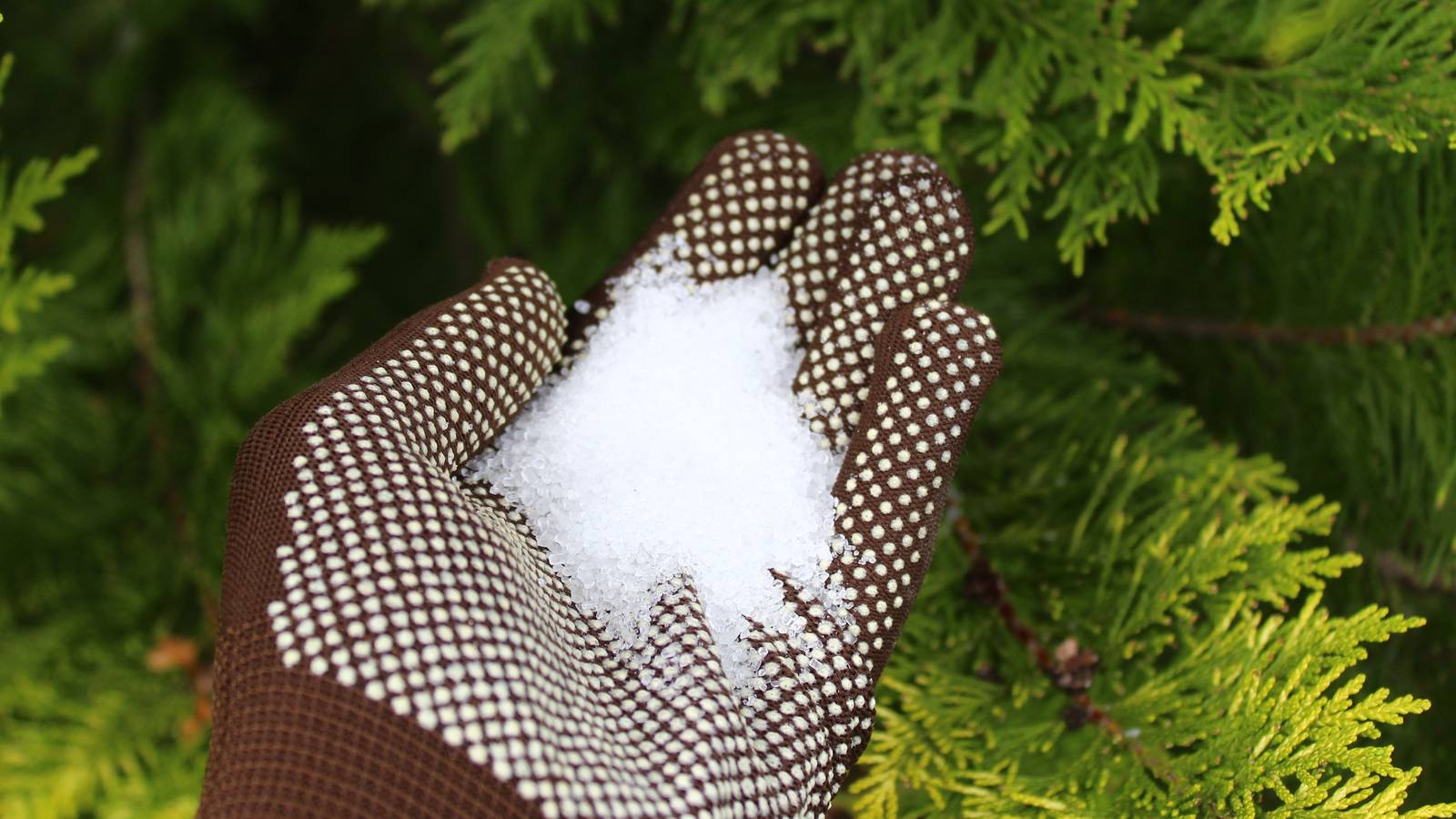
Pre-soaking wakes seeds fast by hydrating them before planting. Use water warm to the touch. Most veggies and herbs do well with 8 to 12 hours. Large or hard seeds can go 12 to 24 hours.
You can boost results with gentle, natural soaks:
- Chamomile tea: Helps reduce fungus on the seed coat.
- Kelp or seaweed extract: A tiny amount adds natural hormones.
- Coconut water: Contains growth compounds and minerals.
- Aloe vera water: Mild enzymes and protective compounds.
Rinse after soaking. Then sow at once. This is one of the easiest ways to master how to germinate seeds faster naturally.

Scarification and stratification made easy
Some seeds have armor. Scarification helps water get inside.
- Light sanding: Rub seeds on fine sandpaper a few times.
- Nicking: Clip the seed coat edge with a nail clipper.
- Hot-water dip: Pour hot (not boiling) water over seeds. Let cool and soak.
Other seeds need winter-like cues. That’s stratification.
- Cold stratify: Mix seeds with moist sand or peat. Seal and chill in the fridge.
- Typical range: 2 to 8 weeks for many perennials and natives.
- After chilling, sow in warmth. They often pop fast.
Use these tricks to figure out how to germinate seeds faster naturally for tough species.

The paper towel or baggie method
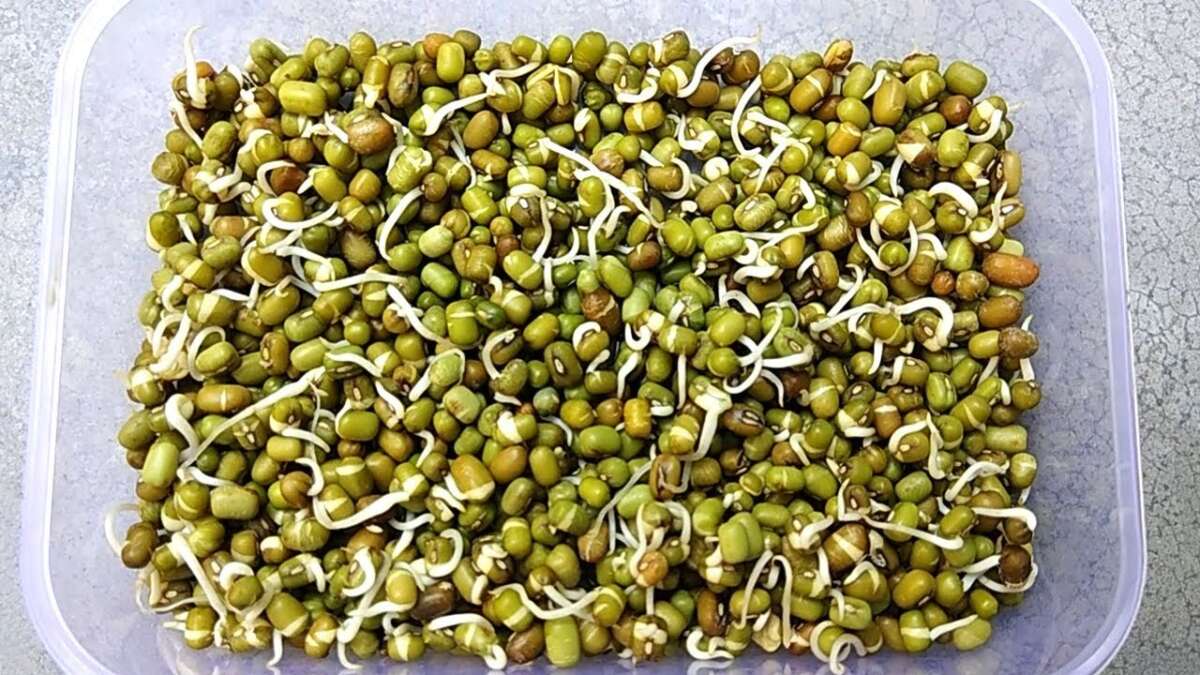
This method speeds up slow or uncertain seeds. It also lets you monitor progress.
- Moisten a paper towel until damp, not dripping.
- Spread seeds in a single layer. Fold the towel.
- Slip into a labeled plastic bag. Do not seal fully.
- Keep warm (70 to 80°F). Check daily.
- Plant as soon as you see a tiny root.
Add a cinnamon dusting if fungus is a risk. This quick test is a great way to learn how to germinate seeds faster naturally without wasting space.

Soil or soilless: choosing a fast medium
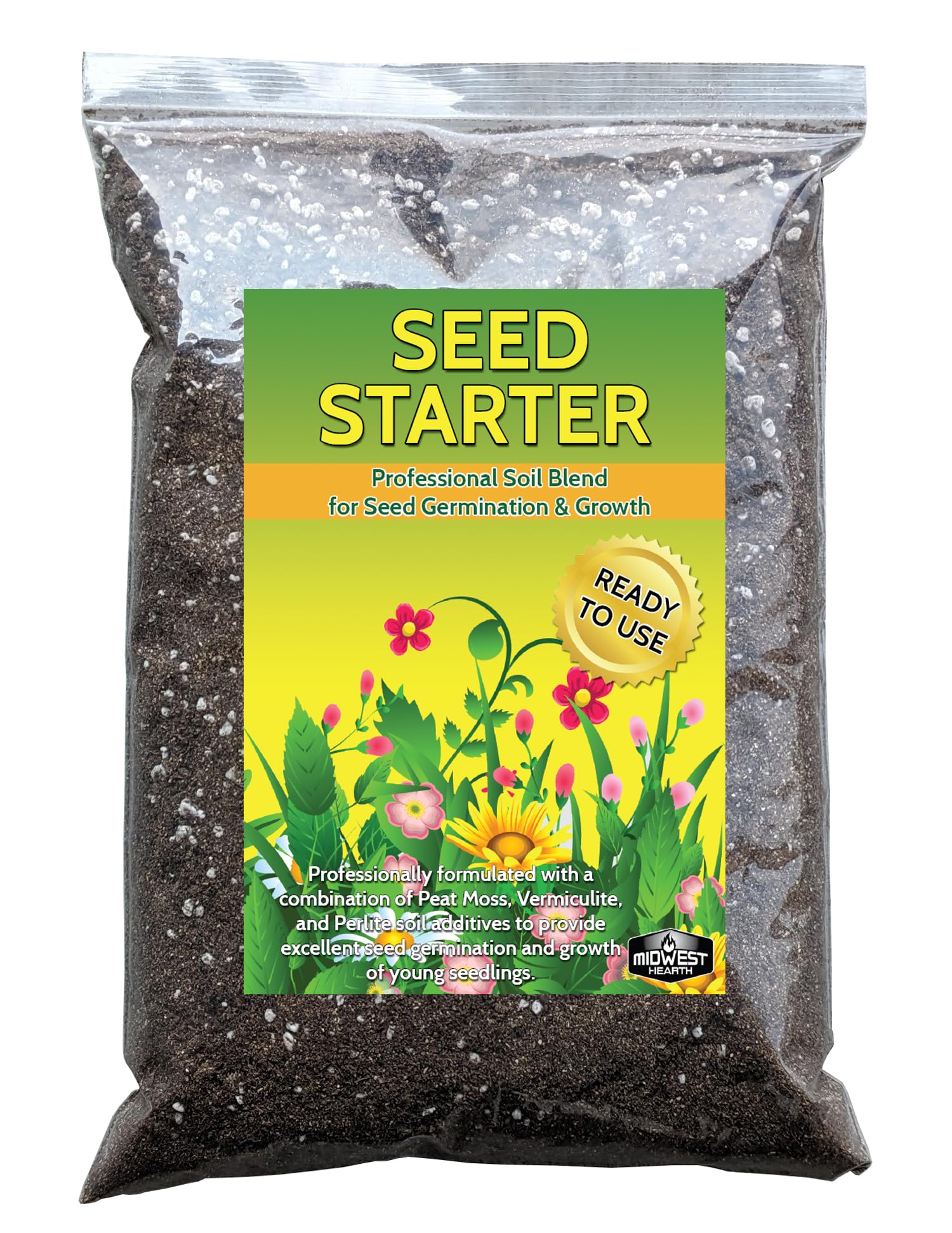
A sterile, fine seed-starting mix gives fast, even results. Coarse mixes dry out and slow the show. Aim for a blend that holds moisture but drains well.
Good choices include:
- Seed-starting mix with peat, coir, and fine perlite
- Straight vermiculite for tiny seeds
- Fine coco coir with a pinch of perlite
Pre-moisten the mix so it clumps slightly when squeezed. This small step improves how to germinate seeds faster naturally in trays or cells.
Warmth, moisture, oxygen: dialing in conditions
Warmth speeds enzymes. Most warm-season seeds like 75 to 85°F. Cool crops like lettuce or spinach sprout well at 60 to 70°F. Check variety preferences on the packet.
Moisture should be steady, never soaked. Bottom water or mist as needed. Vent domes daily for airflow. Stale air invites damping-off disease. Once sprouts emerge, give bright light right away to keep stems short and strong. These basics anchor how to germinate seeds faster naturally in any setup.

Natural biostimulants that actually help
A few gentle helpers can boost vigor without harsh additives.
- Kelp extract: Mix very weak (about 1 teaspoon per quart). Soak seeds 1 to 2 hours.
- Chamomile tea: Use as a soak or spritz to deter fungus.
- Aloe water: Blend a teaspoon of pure gel in a quart of water for a light soak.
- Cinnamon: Dust lightly on the medium surface to discourage mold.
Use them sparingly. More is not better. Each tool helps you refine how to germinate seeds faster naturally while keeping sprouts healthy.

Troubleshooting slow or stubborn seeds
If seeds lag, look for these common causes.
- Too cold: Add bottom heat or move to a warmer room.
- Too wet: Improve drainage. Water less often.
- Hard seed coat: Try scarification or a longer soak.
- Old seed: Increase sowing density or run a paper towel test.
- Damping-off: Improve sanitation, airflow, and light. Remove domes sooner.
Track what you try. Small fixes often make a big difference in how to germinate seeds faster naturally.
Real-world examples from my bench
Peppers can be slow. I soak them in warm chamomile tea, then give steady 80°F heat. They pop in 5 to 7 days. Parsley drags unless pre-soaked; a 24-hour soak cuts time in half.
Nasturtiums love a light nick and an overnight soak. Many natives need 4 to 6 weeks of cold stratification. These small moves are how I’ve learned how to germinate seeds faster naturally across many species.
Common mistakes to avoid
Skip these pitfalls and you’ll gain days.
- Planting too deep: Most seeds want 2 to 3 times their thickness. Tiny seeds need only surface contact.
- Overwatering: Soggy mixes slow oxygen and invite rot.
- Old seeds: Store cool and dry. Label with dates.
- Weak light: Sprouts stretch and stall without enough light.
- Dirty tools: Clean trays and tools to reduce disease.
Avoiding these mistakes is core to how to germinate seeds faster naturally without setbacks.
A 24-hour quick-start plan
Use this when you’re short on time and want results fast.
- Hour 0: Start a warm water or chamomile soak.
- Hour 8 to 12: Prepare pre-moistened seed mix and labels.
- Hour 12 to 16: Drain seeds. Sow shallow. Mist gently.
- Hour 16 to 24: Place on a heat mat. Vent a dome if used. Set a timer to check daily.
- Days 2 to 7: Keep moisture steady. Add light at first sprout.
This plan is a simple, tested way to practice how to germinate seeds faster naturally on any weekend.
Tools and supplies checklist
Gather these once and seed starting gets easy.
- Fresh seeds with labeled dates
- Seed-starting mix, fine vermiculite, or coco coir
- Trays, cell packs, or shallow containers with holes
- Spray bottle and bottom-watering tray
- Heat mat with thermostat
- Paper towels and zip bags for tests
- Gentle biostimulants like kelp or chamomile
Having the right tools makes it effortless to repeat how to germinate seeds faster naturally each season.
Frequently Asked Questions of how to germinate seeds faster naturally
How long should I soak seeds?
Most seeds do well with 8 to 12 hours. Large or hard seeds can go up to 24 hours, but never let them sit so long they turn mushy.
Do I need a heat mat to speed germination?
No, but it helps a lot. A warm spot like the top of a fridge can work if you monitor temperature.
Can light help before seeds sprout?
Some seeds need light, but most only need it after sprouting. Give bright light right away to stop leggy growth.
Is the paper towel method better than soil?
It’s great for testing and speeding slow seeds. Move sprouts gently into mix once the root shows to avoid damage.
What natural soaks are safe?
Chamomile tea, weak kelp extract, and aloe water are gentle and effective. Use low doses and rinse seeds after soaking.
How do I stop damping-off naturally?
Improve airflow, avoid overwatering, and use sterile mix. A light cinnamon dusting on the surface can help.
Why didn’t old seeds sprout?
Seeds lose vigor with age and poor storage. Do a paper towel germination test and sow more than you think you need.
Conclusion
Speedy germination is about simple basics done well. Hydrate seeds, add warmth, keep air moving, and plant at the right depth. Layer in gentle soaks and smart prep, and you’ll see faster, stronger sprouts.
Try one or two tips today and track your results. Ready to learn more about how to germinate seeds faster naturally and level up your garden? Subscribe for new guides, ask questions in the comments, and share your wins.

Laura Bennett is a gardening writer at MyGardenLabs who creates beginner-friendly guides focused on solving common plant care and gardening problems.