

What Does A Trowel Look Like: Types And Uses
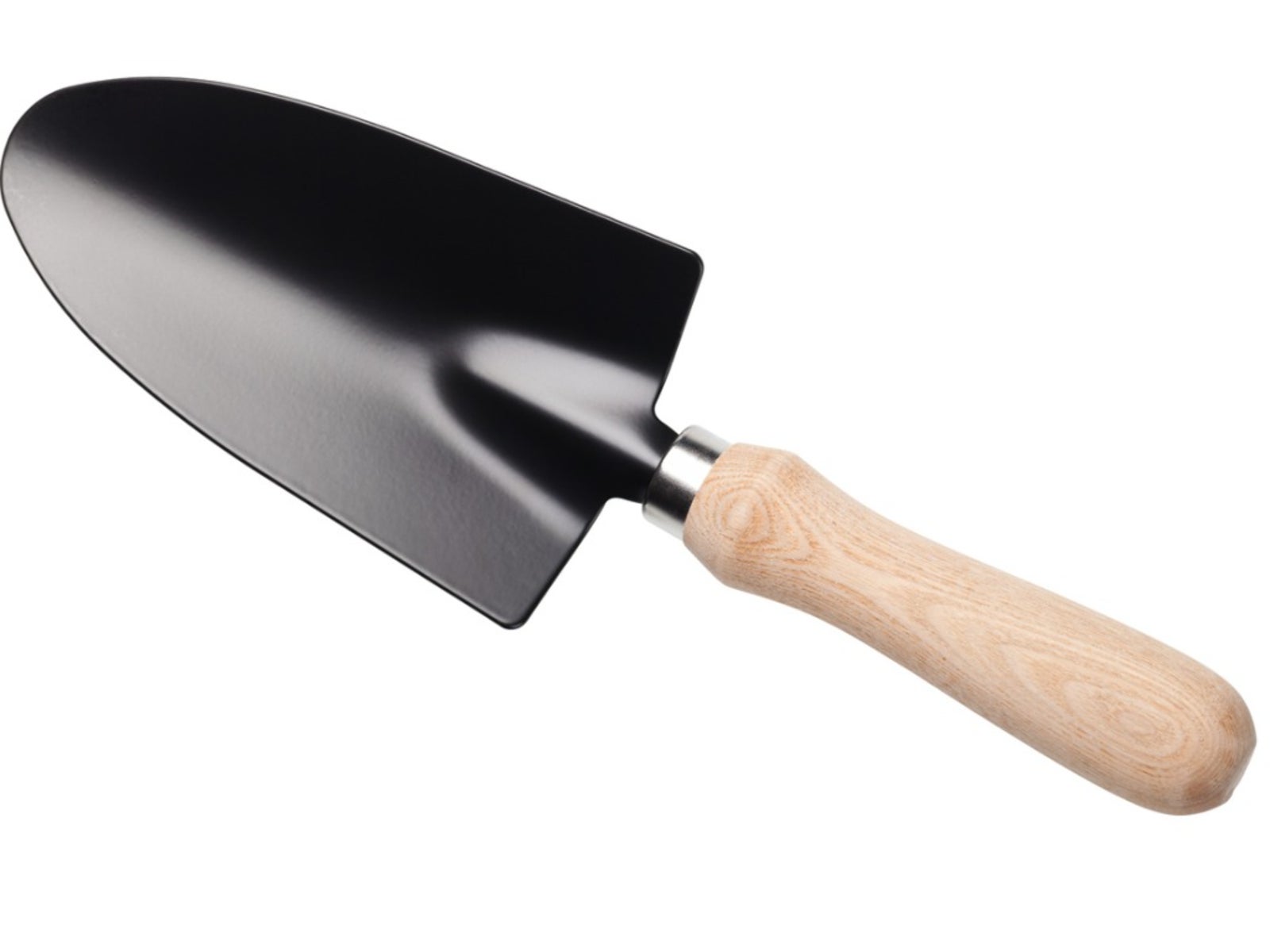
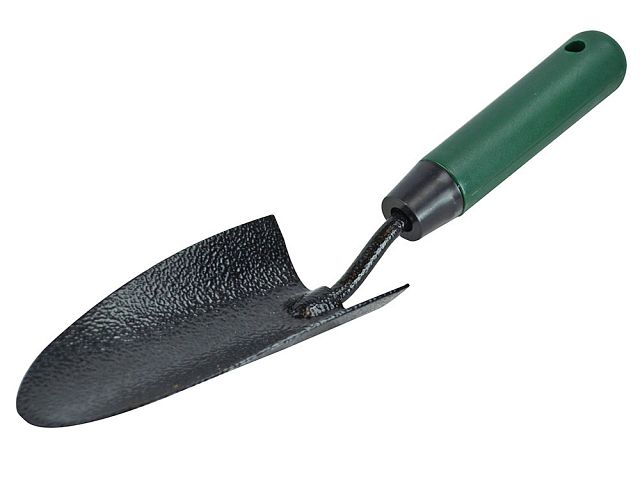
A trowel looks like a small hand tool with a flat metal blade, a handle, and a pointed or square tip.
If you have seen one in a garden, on a construction site, or in a toolbox, you may have noticed that trowels come in several shapes. The answer to “what does a trowel look like” depends on its job. This guide explains the parts, common types, sizes, materials, and key features that help you identify the right trowel.
What Does a Trowel Look Like?
A trowel usually has three main parts:
• A blade made from metal or another strong material
• A handle made from wood, plastic, rubber, or metal
• A shank that joins the blade to the handle
The blade is the working part of the tool. It may be pointed, rounded, square, narrow, wide, flat, or toothed. The handle gives you control and helps you press, scoop, spread, or shape material.
A typical garden trowel looks like a small, narrow shovel. It has a pointed metal blade and a short handle. A masonry trowel often has a wider triangular blade and a stronger handle for moving mortar or concrete.
So, what does a trowel look like in simple terms? It looks like a compact shovel designed for careful work rather than heavy digging. Its small size lets you work around plants, bricks, tile, and tight spaces.
The Main Parts of a Trowel
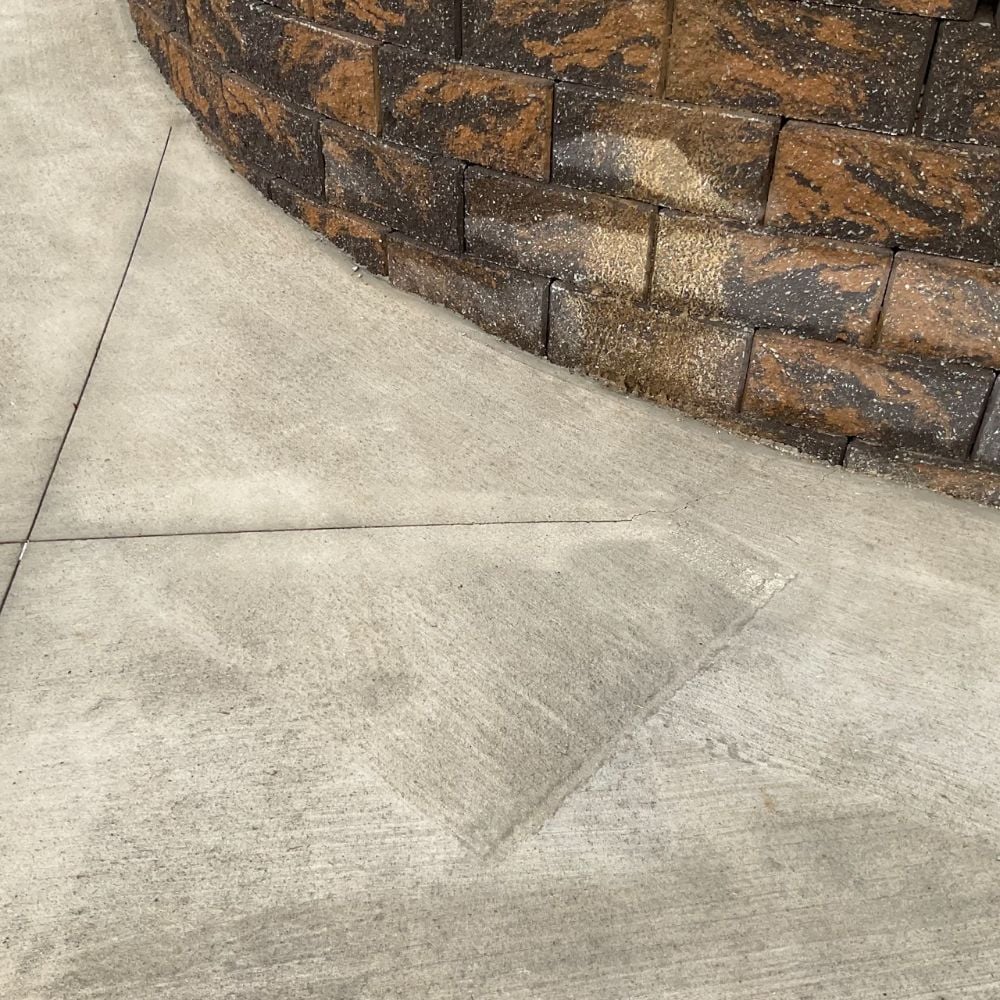
Knowing the parts makes it easier to compare different trowels. Each part affects comfort, control, and performance.
Blade
The blade is the flat working surface. It may be made from stainless steel, carbon steel, aluminum, or plastic.
Common blade shapes include:
• Pointed blades for digging into soil
• Triangular blades for spreading mortar
• Square blades for tight corners
• Rectangular blades for smoothing and finishing
• Notched blades for spreading tile adhesive
• Rounded blades for scooping and planting
A good blade should feel firm and balanced. It should not bend easily during normal use. Stainless steel resists rust, while carbon steel often offers high strength but needs more care.
Handle
The handle is the part you hold. It may have a straight shape, a curved grip, or a soft rubber coating.
Garden trowel handles are often short and rounded. Masonry trowel handles may be slightly larger because workers use them for long periods. A comfortable handle reduces pressure on your fingers and wrist.
Some handles have a hole for storage. Others include a grip guard that helps prevent your hand from sliding onto the blade.
Shank
The shank is the connector between the blade and handle. On a forged trowel, the shank may be part of one solid piece of metal. On a lower-cost tool, it may be attached with a separate joint.
Check the shank before buying. A loose joint can make the blade wobble. That wobble reduces control and may cause uneven work.
Tang
The tang is the part of the blade or shank that extends into the handle. A full tang runs through much of the handle and usually offers strong support.
A partial tang may enter only part of the handle. It can work well for light tasks, but it may not withstand repeated heavy force.

What Does a Garden Trowel Look Like?
A garden trowel looks like a small shovel with a pointed or rounded blade. Most garden trowels are about 2 to 4 inches wide, although exact sizes vary.
The blade is usually curved slightly from front to back. This curve helps the trowel scoop soil and move compost. Many blades have measurement marks, which help you plant bulbs and seedlings at the right depth.
A garden trowel may have:
• A narrow blade for planting small flowers
• A wide blade for moving more soil
• A pointed tip for breaking hard ground
• A polished steel surface for easier cleaning
• A soft grip for comfort
• Depth markings for planting accuracy
When people ask what does a trowel look like, they often mean this common garden tool. It is the type most people keep in a shed, garage, or patio storage box.
A garden trowel is not meant to replace a full-size shovel. Its strength is precision. You can use it to dig a small hole, remove a weed, mix potting soil, or transplant a young plant without disturbing nearby roots.
What Does a Masonry Trowel Look Like?
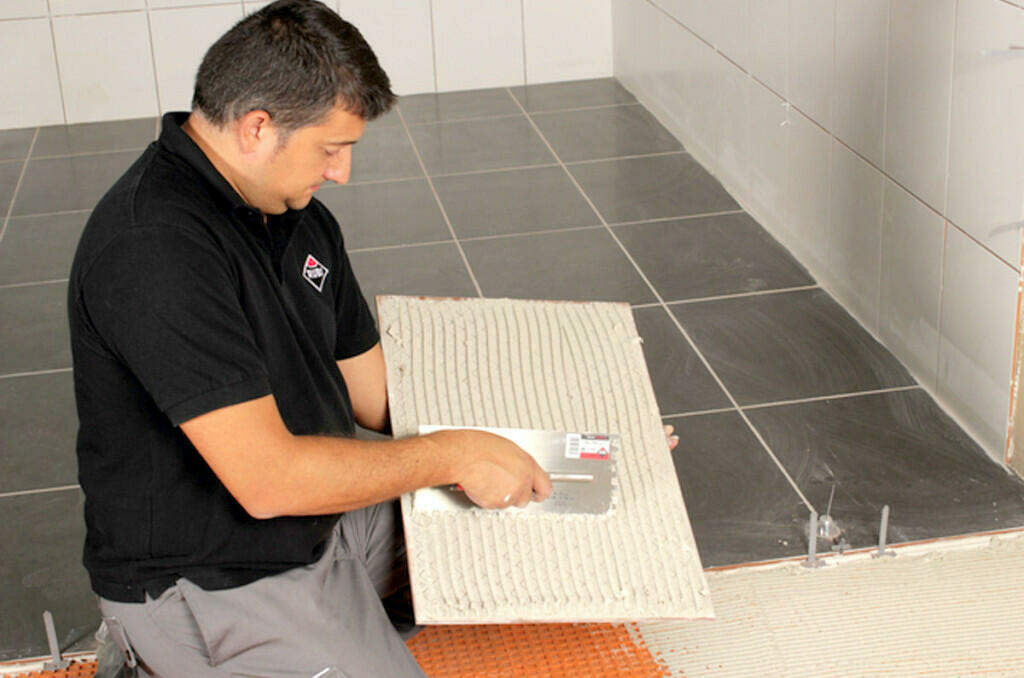
A masonry trowel looks different from a garden trowel. It usually has a flat, pointed blade with a strong handle set above the blade. The blade often forms a triangle or a long, narrow shape.
Masons use this trowel to scoop, spread, and shape mortar. The blade must be stiff enough to carry heavy material without twisting.
Common masonry trowels include:
Brick Trowel
A brick trowel has a broad triangular blade. It is used to spread mortar on bricks, blocks, and other masonry units.
The blade is often longer than a garden trowel. It may have a sharp point that helps the user place mortar in narrow areas.
Pointing Trowel
A pointing trowel has a small, narrow blade. It looks like a slim triangle and is used to fill or repair joints between bricks.
Its narrow shape gives the user better control in tight spaces. It is useful for small repairs and detailed masonry work.
Margin Trowel
A margin trowel has a narrow, rectangular blade with straight edges. It is useful for working in corners and along edges.
It may look like a small metal paddle attached to a handle. Tile workers and masons use it to move mortar, scrape material, and clean narrow gaps.
Gauging Trowel
A gauging trowel has a rounded or pointed blade. It is often used for mixing and applying small amounts of plaster, mortar, or cement.
Its compact shape allows careful work where a large trowel would feel awkward.

What Does a Finishing Trowel Look Like?
A finishing trowel looks like a flat metal plate with a handle attached near the center. The blade is usually rectangular and has straight edges.
Workers use finishing trowels to smooth concrete, plaster, stucco, and other spreadable materials. Unlike a garden trowel, it does not have a pointed digging tip.
A finishing trowel may have:
• A broad, flat blade
• Rounded or square corners
• A centered handle
• A smooth stainless steel surface
• A flexible or stiff blade
Rounded corners can reduce lines and marks in wet concrete or plaster. Square corners can help create sharp edges, but they may leave marks if used with poor technique.
A finishing trowel is often held at a low angle. The user moves it across the surface with steady pressure. Too much pressure can pull material away. Too little pressure may leave bumps.
What Does a Notched Trowel Look Like?
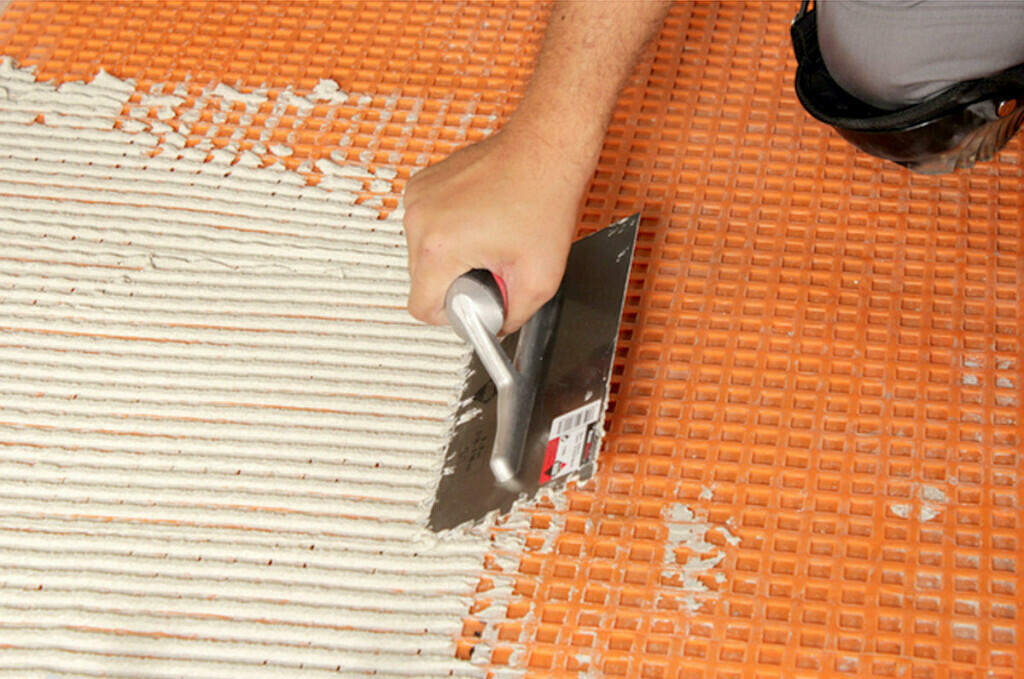
A notched trowel looks like a flat rectangular blade with teeth cut along one or more edges. The teeth may be square, V-shaped, or U-shaped.
Tile installers use notched trowels to spread thin-set mortar or tile adhesive. The notches create even ridges in the adhesive. When a tile is pressed into place, those ridges spread and help create consistent coverage.
The notch size matters:
• Small notches suit small tiles and thin materials
• Medium notches suit many wall and floor tiles
• Large notches suit large tiles and uneven surfaces
The correct size depends on the tile, adhesive, surface, and installation method. Always follow the adhesive maker’s instructions and local building requirements.
A notched trowel should have clean, even teeth. Worn teeth can create uneven adhesive ridges. That can lead to hollow spots beneath the tile or weak bonding.
Trowel Shapes and What They Do
The shape of a trowel is not just a design choice. It controls how the tool moves material.
Pointed Trowel
A pointed trowel has a tip that reaches narrow spaces. It works well for digging small holes or placing mortar between bricks.
Rounded Trowel
A rounded trowel has curved edges or a curved tip. It is useful for scooping soil and reducing sharp marks during finishing work.
Square Trowel
A square trowel has straight edges and corners. It is useful for corners, edges, and flat surfaces.
Triangular Trowel
A triangular trowel is common in masonry. Its shape helps spread mortar in a controlled layer.
Notched Trowel
A notched trowel has teeth along its edge. It spreads adhesive in ridges rather than as a smooth layer.
When deciding what does a trowel look like, focus on the blade shape first. The blade usually tells you more about the tool’s purpose than the handle does.

Trowel Materials and Finish
Trowels come in several materials. Each option has benefits and limits.
Stainless Steel
Stainless steel blades resist rust and are easy to clean. They are a popular choice for gardening, tile work, and general repairs.
They may cost more than basic steel tools. However, the added resistance to corrosion can make them a good long-term choice.
Carbon Steel
Carbon steel is strong and often holds a sharp edge. It is common in masonry and heavy-duty tools.
Carbon steel can rust if left wet. Wipe it dry after use and apply a light coat of protective oil when storing it for a long time.
Aluminum
Aluminum is light and resists rust. It may suit gardeners who want a tool that is easy to carry.
It is usually softer than steel. Avoid using an aluminum trowel to pry rocks or hard objects from the ground.
Plastic
Plastic trowels are light and do not rust. They work well for soft potting mix, indoor plants, and children’s gardening projects.
They may crack under high force. They are not a good choice for hard soil, mortar, or concrete.
How to Identify a Good Trowel
A good trowel should match the job and feel stable in your hand. The most expensive tool is not always the best choice.
Use this simple checklist:
• Look for a blade that does not flex too easily
• Check that the handle feels comfortable
• Inspect the joint between the blade and handle
• Choose stainless steel for low maintenance
• Choose carbon steel for demanding work
• Avoid sharp burrs on the blade edges
• Pick a size that matches the material and space
• Confirm that notched teeth are even and undamaged
Balance also matters. Hold the trowel as if you were using it. The blade should not feel much heavier than the handle.
One practical lesson is to avoid using a small trowel as a pry bar. I have seen many tools fail because someone used the handle to lever out a stone. A trowel is made to cut, scoop, spread, or smooth. It is not a substitute for a pry bar.
How to Use Different Trowels
The right technique depends on the trowel type.
Using a Garden Trowel
- Hold the handle firmly but do not squeeze too hard.
- Push the tip into the soil at a slight angle.
- Rock the blade forward or backward to loosen the soil.
- Lift small amounts of soil at a time.
- Keep the blade away from plant stems and roots.
For transplanting, make the hole slightly wider than the root ball. Place the plant at the same depth it had in its original container unless the plant care instructions say otherwise.
Using a Masonry Trowel
- Load a small amount of mortar onto the blade.
- Place the mortar where needed.
- Spread it with the flat face or edge.
- Keep the layer even.
- Clean excess mortar before it hardens.
Masonry work requires practice. A small amount of material gives you better control than an overloaded blade.
Using a Finishing Trowel
- Place the blade on the wet surface.
- Hold it at a low angle.
- Move it in smooth, overlapping passes.
- Use light pressure at first.
- Clean the blade between passes if material builds up.
The goal is a smooth surface, not forceful scraping. Let the tool do the work.
Using a Notched Trowel
- Apply adhesive to the surface.
- Comb the notched edge through the adhesive.
- Keep the ridges in one direction.
- Press the tile into place with a slight sliding motion.
- Check coverage on larger tiles by lifting one before the adhesive sets.
Always follow the product instructions. A notched trowel cannot correct a weak or dirty surface.
Common Mistakes to Avoid
Many trowel problems come from using the wrong tool or poor care.
• Using a garden trowel for heavy digging can bend the blade
• Using a masonry trowel to pry rocks can loosen the handle
• Using a finishing trowel with dried concrete can scratch the blade
• Using a worn notched trowel can create uneven adhesive coverage
• Leaving carbon steel wet can cause rust
• Storing a dirty trowel can shorten its working life
• Choosing a handle that is too small can cause hand strain
A common mistake is buying a tool based only on appearance. A shiny blade may look attractive, but the joint, balance, and handle comfort matter just as much.
Clean your trowel after every use. Rinse away soil or mortar, dry the blade, and store it in a dry place. For carbon steel, a thin layer of oil can provide extra protection.
Trowel Safety Tips
Trowels are simple tools, but their blades can cause cuts and puncture injuries. Use basic care each time.
• Wear gloves when handling rough soil, mortar, or sharp materials
• Keep the blade pointed away from your body
• Do not leave a trowel buried in soil or hidden under debris
• Carry it with the blade facing down and away
• Keep children away from sharp masonry tools
• Wear eye protection when scraping hard material
• Wash your hands after working with cement products
Wet cement and mortar can irritate skin. Follow the safety information on the product label. If cement gets into your eyes, rinse with clean water and seek medical help when needed.
A safe trowel is also a well-maintained trowel. A loose handle or cracked grip can cause sudden slips.
Choosing the Right Trowel for Your Job
Start by asking what material you need to move or shape. Then choose the blade that matches the task.
• For planting flowers, choose a pointed garden trowel
• For moving potting mix, choose a wider garden trowel
• For brickwork, choose a brick trowel
• For narrow mortar repairs, choose a pointing trowel
• For corners, choose a margin trowel
• For tile adhesive, choose a notched trowel
• For concrete or plaster, choose a finishing trowel
• For light indoor gardening, choose a plastic trowel
If you are unsure what does a trowel look like for your project, take a sample of the material or a photo of the work area to a hardware store. Staff can often help match the blade shape and size.
For occasional home use, a quality garden trowel and a small margin trowel cover many basic tasks. Professional work may require several specialized tools.
Frequently Asked Questions About What Does a Trowel Look Like
What does a basic garden trowel look like?
A basic garden trowel looks like a small shovel with a short handle and a pointed or rounded metal blade. It is designed for planting, digging small holes, and moving soil.
What does a masonry trowel look like?
A masonry trowel usually has a flat, triangular blade and a handle mounted above the blade. It is stronger and larger than a garden trowel and is used to spread mortar.
What does a trowel look like for tile work?
A tile trowel has a flat rectangular blade with notches along one or more edges. The notches create even ridges in tile adhesive.
Are all trowels shaped the same?
No. Trowels vary by purpose, so their blades may be pointed, square, triangular, rectangular, rounded, or notched. A garden trowel and a finishing trowel can look very different.
What is the difference between a trowel and a small shovel?
A trowel is smaller and offers more control for detailed work. A small shovel usually has a larger blade and longer handle for moving more soil or material.
How do I know if a trowel is good quality?
Look for a firm blade, a secure handle, a strong joint, and comfortable balance. Stainless steel is easy to maintain, while carbon steel offers strength but needs protection from rust.
Conclusion
A trowel is a small hand tool with a blade, handle, and connecting shank. What does a trowel look like depends on its purpose: garden trowels resemble small shovels, masonry trowels have triangular blades, finishing trowels are flat and broad, and notched trowels have toothed edges.
Choose the blade shape, size, and material that fit your task. Keep the tool clean, dry, and used only for its intended job. Explore more tool guides, compare trowel designs at your local hardware store, and share your own experience with trowels in the comments.

Laura Bennett is a gardening writer at MyGardenLabs who creates beginner-friendly guides focused on solving common plant care and gardening problems.


