What Do You Call Garden Scissors: Names And Uses
Garden scissors are commonly called garden shears, pruning scissors, gardening snips, or floral snips.
If you have ever stood in a garden store wondering what do you call garden scissors, you are not alone. The name changes with the tool’s size, blade shape, and job. This guide explains the common terms, shows which tool fits each task, and helps you choose, use, and care for the right pair.
What do you call garden scissors?
The most common names are garden shears, pruning scissors, pruning snips, and gardening scissors. In the United States, people often use these terms in similar ways, even though each tool has a slightly different design.
Here is the simple breakdown:
• Garden scissors usually have short blades and small handles. They work well for herbs, flowers, thin stems, and light trimming.
• Garden shears often have longer blades or stronger handles. They are useful for shaping soft plants, hedges, grass, and small branches.
• Pruning shears are stronger hand tools made for cutting woody stems and branches. Many gardeners call them hand pruners or secateurs.
• Pruning snips are small, sharp tools for careful cuts. They are popular for deadheading flowers, harvesting herbs, and trimming houseplants.
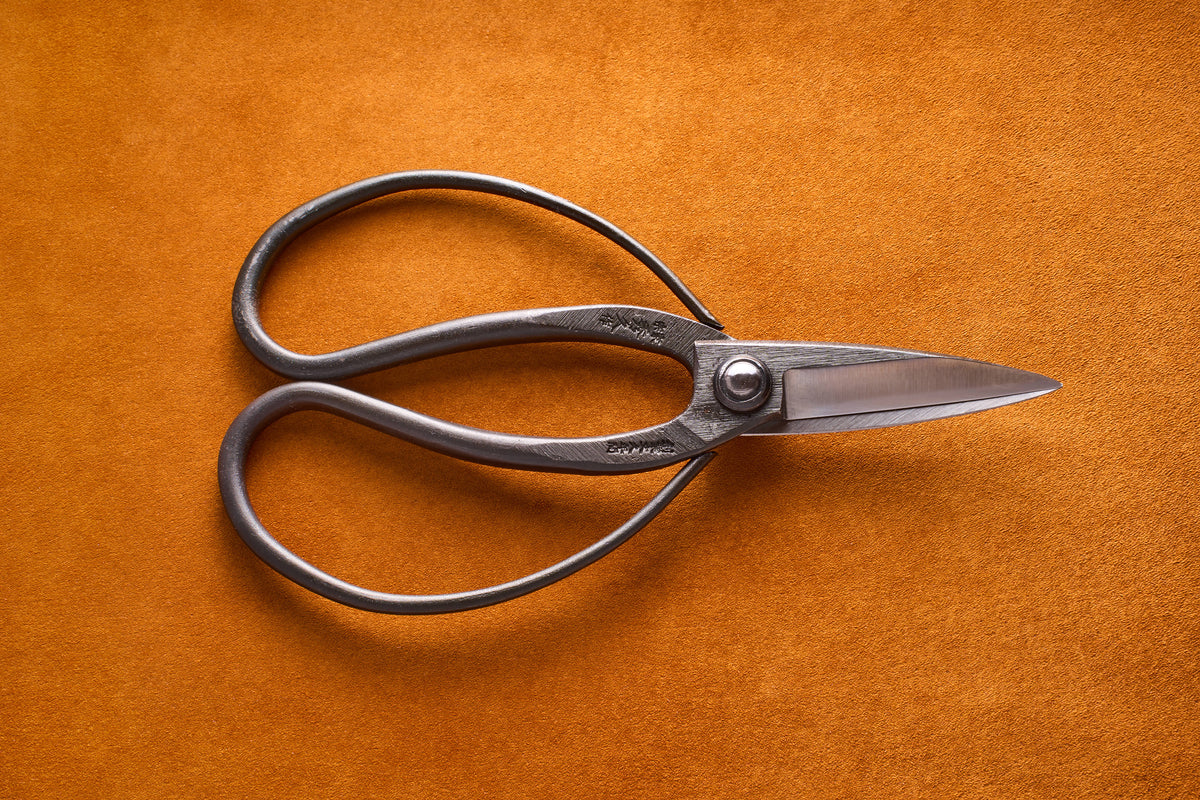
• Floral snips are narrow tools made for flower stems, bonsai, and delicate plant work.
So, if someone asks what do you call garden scissors, “garden shears” is usually the safest general answer. “Pruning shears” is more accurate when the tool cuts woody growth.
Garden scissors, shears, snips, and pruners: What is the difference?
The words can overlap, but the tools do not always perform the same work. Think of them as kitchen knives. A butter knife, chef’s knife, and paring knife all cut, but each one has a different purpose.
Garden scissors
Garden scissors look most like household scissors. They usually have two straight blades that slide past each other. This design is called a bypass cut.
They are best for:
• Cutting herbs
• Trimming soft stems
• Removing spent flowers
• Harvesting lettuce and greens
• Cutting twine, plant ties, and light materials
Garden scissors are not ideal for thick branches. Forcing them through hard wood can bend the blades or damage the cutting edge.
Garden shears
Garden shears are a broad category. Some look like large scissors, while others have long handles for extra reach and power.
Hedge shears are a common type. They have long, straight blades and are used to shape hedges, grasses, and soft leafy growth. They are not the same as bypass pruners, which are made for individual branches.
Pruning shears
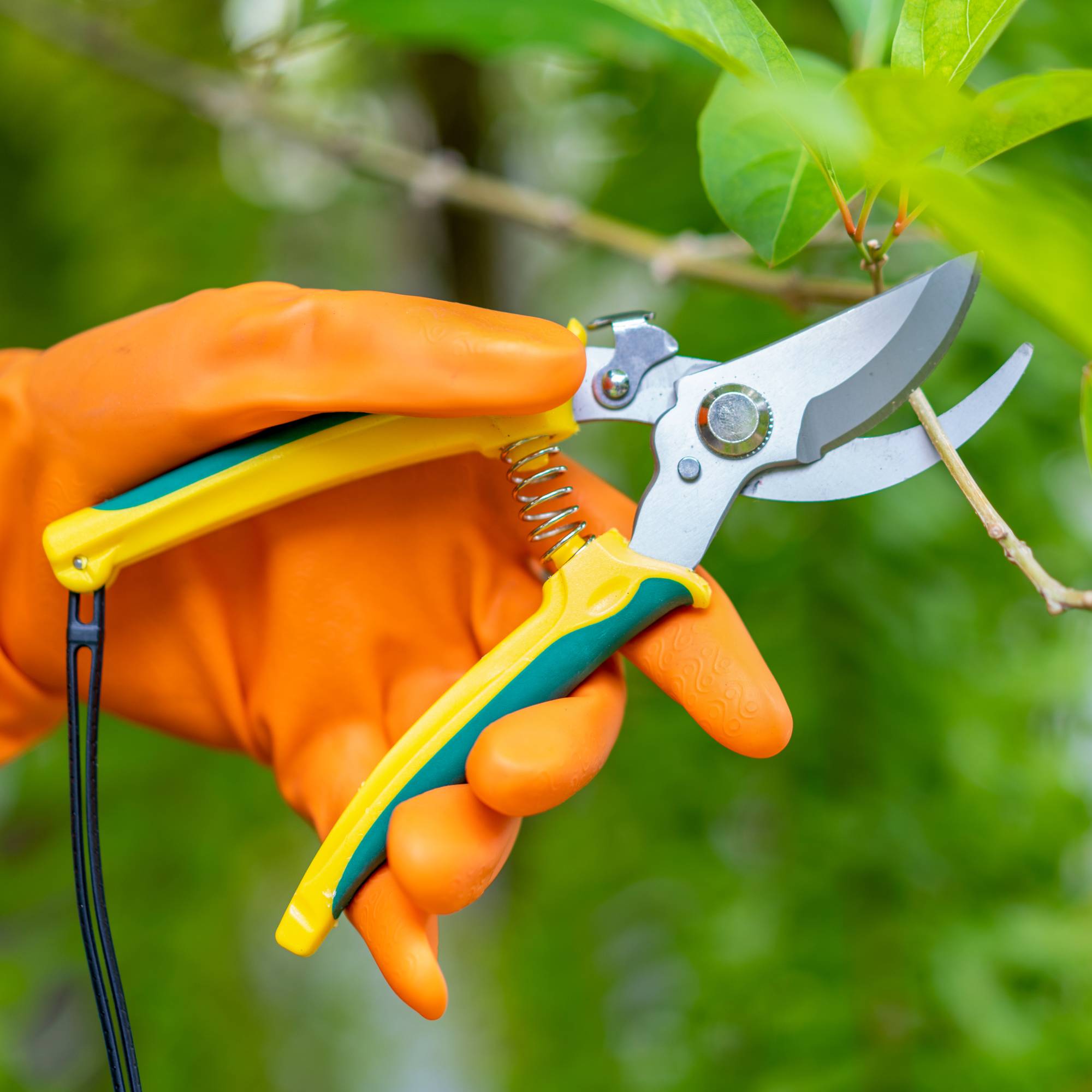
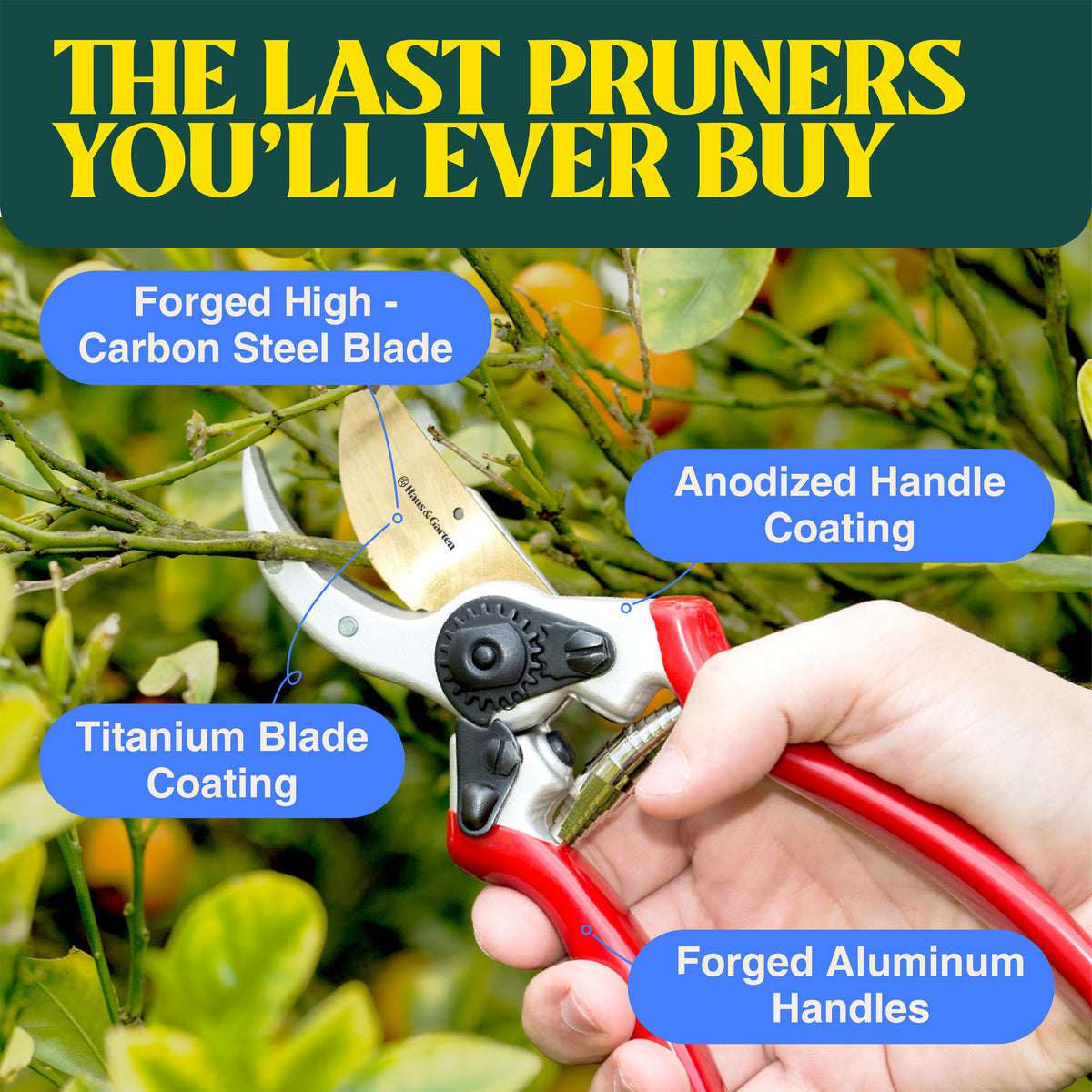
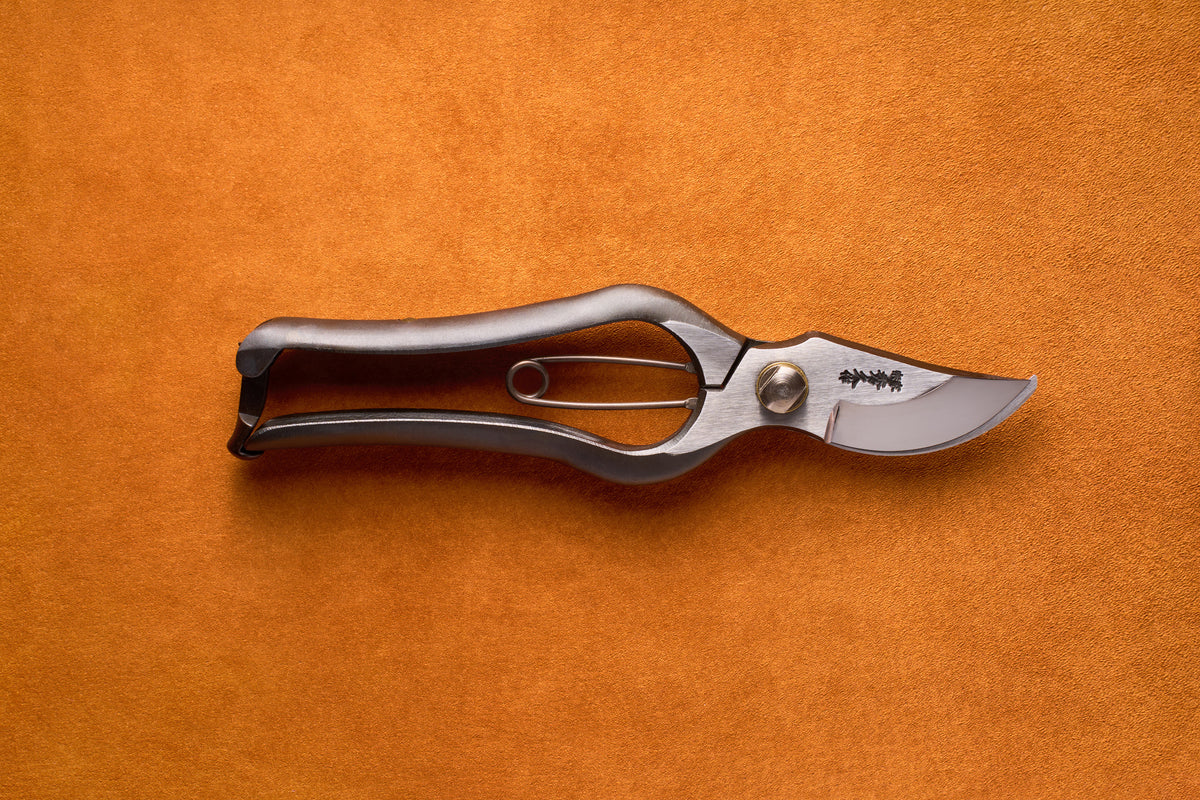
Pruning shears are also called hand pruners, bypass pruners, or secateurs. They have a strong cutting head and a spring that opens the handles after each cut.
Bypass pruners have one curved blade that passes a thicker blade. They make clean cuts on living stems and are often the best choice for roses, shrubs, and fruit trees.
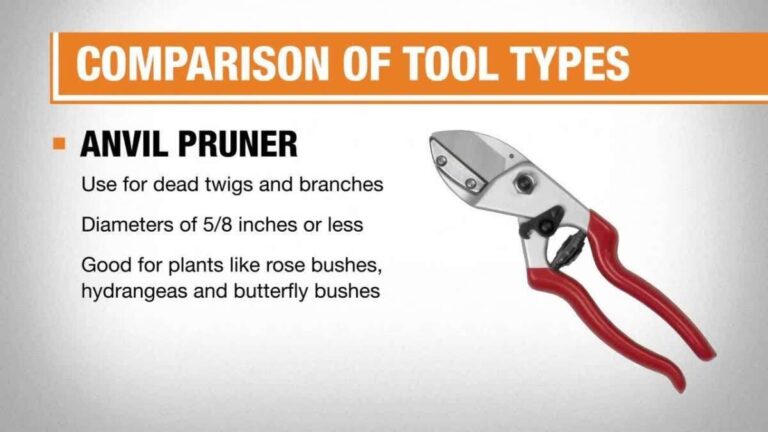
Anvil pruners have one sharp blade that closes against a flat surface. They can crush fresh stems, so they are often better for dead wood than live branches.
Garden snips
Garden snips are small and precise. They are useful when you need control more than force.
Gardeners use snips for:
• Deadheading small flowers
• Cutting houseplant leaves
• Harvesting herbs
• Removing damaged plant parts
If you search for what do you call garden scissors in a plant shop, “garden snips” may describe the small pair you need.
Why do the names vary?
Tool names vary because gardening traditions, regions, and brands use different language. In the United States, “pruning shears” and “hand pruners” are common terms. In the United Kingdom and some other countries, “secateurs” is widely used.
The word “shears” often suggests a larger cutting tool. The word “scissors” usually suggests two equal blades with finger holes. Still, garden product labels are not perfectly consistent.
A manufacturer may call a small tool “pruning scissors,” while another may call an almost identical tool “micro snips.” The safest way to identify a garden cutting tool is to check its cutting capacity and blade design, not just its name.
Which garden cutting tool should you use?
Choosing the right tool protects both the plant and your hands. A clean, sharp cut heals faster than a crushed or torn cut.
Use this guide:
• Use garden scissors for herbs, flowers, soft stems, and light trimming.
• Use floral snips for roses, cut flowers, bonsai, and narrow spaces.
• Use bypass pruners for living branches up to the size listed by the maker.
• Use anvil pruners for dry, dead wood.
• Use hedge shears for shaping hedges and soft leafy plants.
• Use loppers for branches that are too thick for hand pruners.
• Use a pruning saw for large branches.
Do not use garden scissors as a replacement for every pruning tool. A small pair may cut a thin stem well, but it can become unsafe when used on thick wood. The handles may slip, and the blades may close without enough power.
A simple size rule
Match the tool to the stem. Thin, green stems need small, sharp blades. Thick, woody branches need stronger jaws and longer handles.
Always check the manufacturer’s cutting limit. The stated size depends on the plant’s hardness, the blade condition, and your hand strength.
How to use garden scissors correctly
Good technique makes a large difference. Even the best garden scissors can harm a plant when used with a dull blade or a poor cutting angle.
Follow these steps:
-
Inspect the stem and find the point where you want to cut.
-
Hold the tool firmly but do not squeeze harder than needed.
-
Place the blade just above a leaf node or branch junction.
-
Make one smooth cut instead of rocking the tool back and forth.
-
Angle the cut slightly so water does not sit on the cut surface.
-
Remove the cut piece and check the stem for crushing.
For most plants, avoid leaving a long stub above a bud. Also avoid cutting too close to the bud. A small gap gives the plant room to heal without leaving a dead piece of stem.
When removing a diseased branch, cut into healthy wood below the damaged area. Clean the blade before moving to another plant. This small habit can reduce the spread of plant pathogens.
How to choose good garden scissors
The best pair depends on your plants, hand size, and daily tasks. Price matters, but blade quality and comfort matter more.
Look for these features:
• Sharp, rust-resistant blades
• A comfortable grip
• A smooth opening spring
• A locking mechanism for safe storage
• A replaceable spring or blade, when available
• A size that fits your hand
• A blade shape suited to the plant material
Stainless steel resists rust and is easy to clean. Carbon steel can hold a very sharp edge, but it needs more care. Coated blades may reduce sap buildup, though the coating can wear over time.
If you have arthritis or weak hand strength, look for ergonomic handles, a rotating grip, or a ratcheting mechanism. A tool that feels comfortable is more likely to be used safely and often.
Bypass or anvil?
For most live garden growth, choose bypass pruners. Their passing blades make a cleaner cut and reduce crushing.
Choose anvil pruners for dry branches or tough dead stems. They can be useful, but they are not always the best choice for soft, living growth.
How to clean and maintain garden scissors
Clean tools last longer and make better cuts. Sap, dirt, and plant material can collect around the joint and create drag.
After each use:
• Brush away soil and plant pieces.
• Wipe the blades with a clean cloth.
• Remove sticky sap with rubbing alcohol or a product made for tool cleaning.
• Dry the metal fully.
• Add a small amount of tool oil to the hinge.
• Store the tool closed and dry.
Disinfect the blades between plants when disease is a concern. A suitable disinfectant can help reduce the risk of spreading bacteria, fungi, and viruses. Follow the product label, because strong chemicals may damage metal or irritate your skin.
Do not leave garden scissors outdoors overnight. Moisture can cause rust, especially around the hinge and blade joint.
A dull blade is also a safety problem. It requires more force and may slip. Sharpen the blade with the correct file or sharpening tool, or have it serviced by a professional if the cutting edge is damaged.
Common mistakes to avoid
Many gardening injuries and plant problems come from using the wrong tool or rushing the cut. These mistakes are easy to prevent.
• Do not cut branches thicker than the tool’s rating.
• Do not twist garden scissors while cutting.
• Do not use a dirty blade on several plants.
• Do not leave tools open in a pocket or tool bag.
• Do not store wet scissors in a closed container.
• Do not cut wire unless the tool is made for wire.
• Do not use household scissors for heavy pruning.
• Do not ignore a loose hinge or broken spring.
One lesson I often return to is simple: the right tool should feel calm in your hand. If you need to strain, twist, or force the cut, stop and choose a larger tool. A few extra seconds can prevent a damaged plant or an injured finger.
Are garden scissors safe for children?
Garden scissors can be safe for older children when an adult provides instruction and supervision. Start with soft stems and show the child how to keep fingers away from the blades.
Choose a tool with rounded handle ends, a locking feature, and a size that fits the child’s hand. Never leave sharp garden tools on the ground, even for a short time.
Children should not use loppers, pruning saws, or heavy bypass pruners without close adult supervision. Safe habits matter more than speed.
What do you call garden scissors in different places?
The answer depends on local usage.
In the United States, common terms include garden scissors, garden shears, pruning shears, hand pruners, and garden snips. “Pruners” often means a strong handheld tool for branches.
In the United Kingdom, Ireland, Australia, and some other regions, “secateurs” is a common word for hand pruners. “Floral scissors” may describe fine scissors for flowers and delicate stems.
Online stores may use several names for the same basic tool. When shopping, search for the plant task as well as the name. For example, “herb harvesting snips,” “bypass pruners for roses,” or “floral scissors for cut flowers” can produce more useful results than a general search for what do you call garden scissors.
What do professional gardeners use?
Professional gardeners often carry more than one cutting tool. A small snip handles flowers and herbs, while bypass pruners handle shrubs and young branches. Larger work may require loppers or a pruning saw.
This approach saves time and protects the tools. Small scissors stay sharp when they are not forced through thick wood. Large tools also work better when the branch is beyond the safe limit of a small pruner.
Many professionals also carry a cleaning cloth, disinfectant, sharpening tool, and spare spring. These simple items help maintain clean cuts throughout a long workday.
Frequently Asked Questions About What Do You Call Garden Scissors
Are garden scissors and pruning shears the same thing?
Not always. Garden scissors usually have smaller, straighter blades for soft stems, while pruning shears are stronger and made for thicker, woody growth.
What do you call garden scissors for cutting flowers?
They are often called floral snips, floral scissors, or flower-cutting shears. Their narrow blades help make precise cuts between stems and leaves.
What do you call garden scissors for herbs?
Garden snips, herb scissors, and harvesting scissors are common names. Choose a small, sharp tool that can make clean cuts without crushing tender stems.
Are garden scissors the same as hedge shears?
No. Hedge shears usually have long blades for shaping many soft stems at once. Garden scissors are smaller and better for individual stems and detailed work.
What do you call garden scissors in the UK?
The usual term for hand pruning tools is secateurs. Small tools for flowers and herbs may still be called garden scissors, floral scissors, or snips.
Can garden scissors cut small branches?
Some strong garden scissors can cut thin green branches, but most are made for soft stems. Use bypass pruners when the branch feels hard, thick, or difficult to cut.
How often should you clean garden scissors?
Wipe them after each use, especially after cutting sticky or diseased plant material. Disinfect them between plants when disease may spread.
Conclusion
Garden scissors are commonly called garden shears, pruning scissors, garden snips, floral snips, or hand pruners. The best name depends on the tool’s size and job, but the best choice depends on the plant material you need to cut.
Use small scissors for herbs and flowers, bypass pruners for live branches, hedge shears for soft hedges, and saws for large wood. Keep every tool clean, dry, sharp, and matched to its cutting limit. Choose the right pair for your next garden task, and share your favorite gardening tool in the comments.

Laura Bennett is a gardening writer at MyGardenLabs who creates beginner-friendly guides focused on solving common plant care and gardening problems.