Can You Trim Mexican Feather Grass In Summer: Pruning Tips
Introduction
Yes, you can trim Mexican feather grass in summer—but only lightly. In most U.S. gardens, summer is the wrong time for a hard cutback because heat, drought, and fresh cuts can stress the plant. Use summer trimming to remove dead flower stems, brown tips, or damaged leaves. Save the main cut for late winter or early spring, just before new growth starts.
Mexican feather grass is usually sold as Nassella tenuissima. It may also appear under its former name, Stipa tenuissima. The plant forms fine, hair-like leaves and airy seed heads that move in the wind.

The short answer: trim lightly in summer
A light summer trim is safe when the plant looks untidy, has broken stems, or contains dead material. Do not cut the whole clump down to a few inches unless the plant has a serious problem and local growing conditions support recovery.
Use this simple rule:
| Summer condition | Recommended action |
|---|---|
| A few brown tips | Snip only the damaged tips |
| Dead flower stems | Remove them at the base |
| Broken or matted growth | Thin out the affected stems |
| Green, healthy growth | Leave it alone |
| Severe heat or drought | Delay trimming and water deeply if needed |
| Dead center or major decline | Investigate the cause before cutting |
Mexican feather grass naturally develops a soft, loose shape. It does not need frequent shaping like a hedge. Cutting too much in summer can expose the crown, increase water loss, and leave the plant looking thin.
Why summer is not the best time for a hard cut
Mexican feather grass grows best when it has good light, sharp drainage, and moderate moisture. A hard summer cut removes much of the leaf area that helps the plant make food. The remaining crown may then face high heat with less protection.
Fresh cuts can also expose living tissue to intense sun. This matters most in the hot, dry parts of the United States, including the Southwest, inland California, Texas, and parts of the Southeast. The exact risk depends on local weather, soil, irrigation, and the plant’s health.
A summer cut may be reasonable if the clump is mostly brown and the growing season is still long. Even then, remove only the dead material when possible. If the plant is green at the base, keep that living growth.
How to trim Mexican feather grass in summer
Follow these steps for a safe light trim.
1. Check the plant before cutting
Look closely at the base of the grass. Green leaves and firm stems show that the plant is still active. Dry, hollow, or fully brown stems can usually be removed.
Also check for:
- Dry soil
- Crown rot
- Insect damage
- Broken stems
- Animal damage
- Heavy piles of wet leaves
- Seed heads spreading into nearby beds
Do not trim a plant that is wilting from heat until you address its water stress. Cutting a stressed plant can make recovery slower.
2. Clean and sharpen your shears
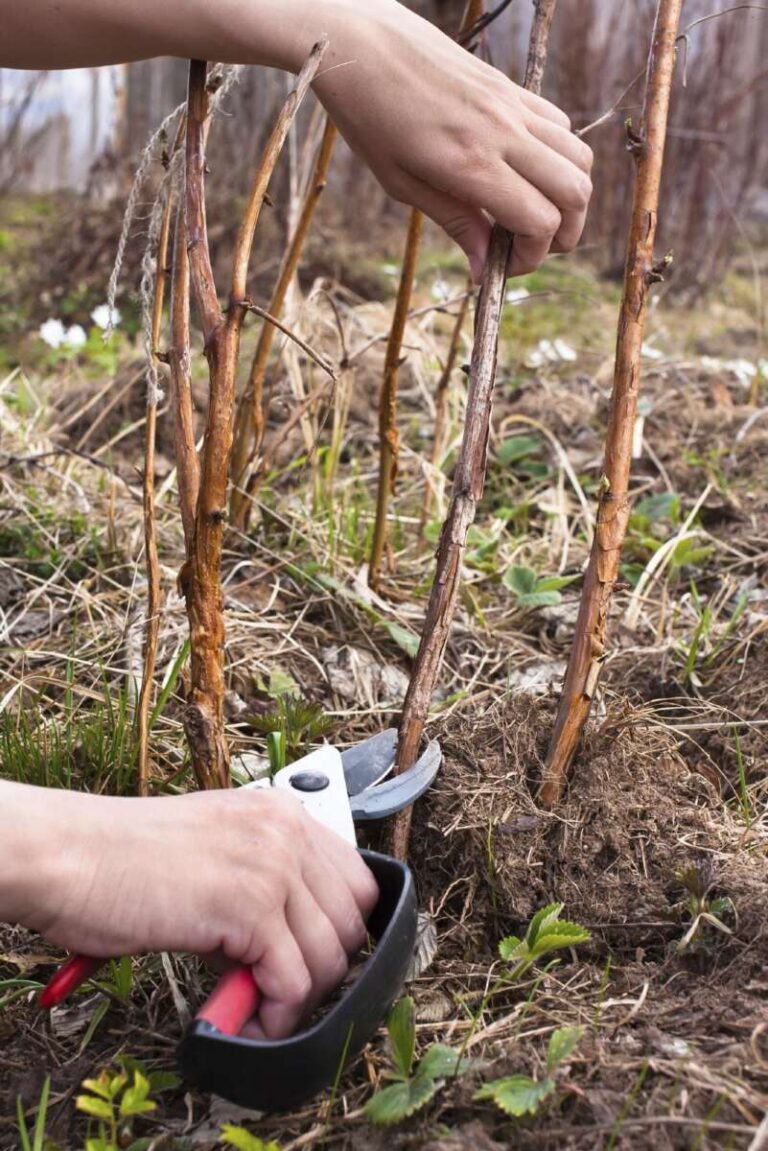
Use hand pruners or clean grass shears. Wipe dirt from the blades, then disinfect them if you have cut diseased plants. A clean, sharp blade makes a smooth cut and reduces crushed stems.
Wear gloves. The leaves are fine, but they can still scratch skin. Eye protection is useful when cutting a large, dry clump.
3. Remove dead flower stems
Cut old flower stems close to the base of the clump. This improves the plant’s appearance without removing much green growth.
If you want the natural seed-head display, leave some stems in place. If you want to reduce reseeding, remove the seed heads before they shed mature seed. Bag the removed seed heads rather than placing them in home compost.
4. Snip damaged leaf tips
Cut brown tips one at a time when only a small part of the leaf is damaged. Follow the natural angle of the blade instead of making a blunt, straight line across the whole plant.
For a larger area of damage, trim the affected outer layer lightly. Avoid cutting deep into the crown.
5. Thin, do not shear
Remove a few old or crowded stems from the center. This is better than shaping the entire plant into a ball or square.
Aim to keep the clump’s natural fountain shape. Stop when it looks cleaner, not perfectly uniform.
6. Remove the trimmings
Clear cut leaves and seed heads from the crown. A thick layer of wet plant material can hold moisture against the base and may encourage rot.
Do not spread Mexican feather grass seed in wild areas, roadside spaces, vacant lots, or natural areas. In some U.S. regions, this plant can escape cultivation and affect native plant communities. Check your state extension service or local invasive-plant program for current guidance.

When should you cut Mexican feather grass back?
The best time for a major cutback is usually late winter or early spring, before strong new growth begins. This timing varies across the United States.
In warm regions, new growth may start in late winter. In colder areas, wait until the worst freezes have passed and you can see new green shoots at the base.
A useful timing guide is:
| U.S. region | Typical major-trim window |
|---|---|
| Desert Southwest | Late winter, before spring growth |
| Southern California | Late winter or early spring |
| Gulf Coast and Southeast | Late winter to early spring |
| Mid-Atlantic and lower Midwest | Early spring |
| Northern states | After severe freezes, before active growth |
These are general windows, not fixed dates. Watch the plant rather than the calendar. New green shoots are the clearest sign that the plant is waking up.
Cut the old foliage back to about 4 to 6 inches above the ground if the plant is healthy and the local climate allows it. Do not cut into the crown. If the clump is still mostly green, remove only old outer growth instead of giving it a full cutback.
Avoid a major trim in fall. Old foliage can help protect the crown through winter, and the seed heads add habitat and visual interest. Remove diseased or unsafe material at any time.

How much can you cut in summer?
For most healthy plants, remove no more than the damaged or dead portion during summer. A light trim may remove a few inches from selected stems. A full cutback can remove most of the plant’s ability to photosynthesize during hot weather.
Use the plant’s condition as your guide:
- Healthy and green: Do little or nothing.
- Brown at the tips: Trim the tips only.
- Brown flower stems: Remove the flower stems.
- Brown throughout but green at the base: Cut back the dead outer growth, but keep the green center.
- Brown and dry at the crown: Check watering, drainage, and root health before pruning.
- Dead after a long drought: Cut away dead material and assess whether the crown is still alive.
If the plant pulls easily from the soil, smells sour, or has a soft crown, the problem may be root or crown rot. More trimming will not solve poor drainage. Consider replacing the plant if the crown has died.
Watering after a summer trim
A light trim does not always require extra water. Water only when the plant is dry and needs irrigation. Mexican feather grass generally prefers soil that drains well and should not sit in wet soil.
When watering is needed, water slowly and deeply around the root zone. Avoid spraying the freshly cut foliage or keeping the crown constantly damp.
Do not fertilize just because you trimmed the grass. Excess fertilizer can produce weak, floppy growth and may increase water needs. If the plant has pale leaves or poor growth, first check sunlight, drainage, root crowding, and irrigation. A soil test can help when nutrient problems are suspected.
Common summer-trimming mistakes
Cutting every blade to the same height
A flat haircut can make the grass look harsh and may remove healthy growth. Trim selected stems instead.
Cutting during extreme heat
Wait for a cooler period if the plant is already wilted or the soil is very dry. Water stress should be corrected before pruning.
Trimming wet plants
Wet foliage and wet crowns are more likely to spread disease and can be harder to cut cleanly. Choose a dry day.
Leaving cut seed heads in the garden
Mexican feather grass can produce many seeds. In areas where it is considered invasive or a weed risk, remove seed heads carefully and dispose of them according to local guidance.
Mulching against the crown
Keep mulch a few inches away from the plant’s base. Thick, wet mulch can trap moisture and contribute to crown problems.
Assuming all brown leaves mean the plant is dead
Some brown material is normal, especially after winter or drought. Check the crown and look for green shoots before removing the plant.

Is Mexican feather grass invasive in the United States?
It can be invasive in some U.S. locations, but the risk is not the same everywhere. Mexican feather grass produces many small seeds, and those seeds may move beyond a garden through wind, water, animals, soil, or landscape activity.
Before planting or allowing it to reseed, check:
- Your state department of agriculture
- Your state university extension service
- Local invasive-plant lists
- County or city landscaping rules
- Nearby conservation-area guidance
This is especially important in dry regions and places with native grasslands or sensitive habitats. If local guidance lists the plant as invasive or prohibited, remove seed heads before they mature and consider a noninvasive ornamental grass suited to your area.
Plant status can change by state and by local policy. A plant that is sold in one area may still be a poor choice near natural land in another.
Can you trim Mexican feather grass with a weed trimmer?
You can use a string trimmer for a large, established clump during the proper late-winter cutback, but hand pruners or grass shears offer better control for summer work.
A trimmer can:
- Cut healthy green growth by mistake
- Damage nearby plants
- Throw dry seed heads
- Injure the crown
- Spread seed farther than intended
If you use a trimmer, keep it above the crown, work slowly, and wear eye and leg protection. Do not use a power trimmer around children, pets, windows, or hard surfaces without proper clearance.
For one or two plants, hand tools are usually safer and more precise.

Frequently asked questions
Will Mexican feather grass grow back after a summer cut?
Often, yes, if the crown and roots remain healthy. Recovery may be slow during hot, dry weather. Keep the soil appropriately moist, but do not keep it wet. A plant cut to the ground in severe heat may recover poorly.
Should I cut off the flower heads?
Cut them off if you want a tidier look or need to reduce reseeding. Leave them if you value the plant’s summer texture and local rules do not identify it as a problem plant.
Why is my Mexican feather grass turning brown in summer?
Possible causes include drought, excessive heat, poor drainage, root or crown rot, natural aging, or winter damage that became more visible as the season progressed. Check the soil and crown before pruning heavily.
Can I cut Mexican feather grass back in fall?
You can remove dead or unsafe material in fall, but a full cutback is usually better in late winter or early spring. Leaving some foliage over winter can protect the crown and provide garden structure.
How do I stop Mexican feather grass from spreading?
Remove seed heads before they mature, collect fallen seed heads, and do not place mature seed in compost. If the plant is spreading into natural areas, replace it with a locally appropriate alternative after checking regional guidance.
Final recommendation
Yes, you can trim Mexican feather grass in summer, but keep the trim light. Remove dead flower stems, brown tips, broken leaves, and unwanted seed heads. Avoid a full haircut during hot or dry weather.
For a major cutback, wait until late winter or early spring, then trim the old foliage while protecting the crown and new shoots. Before allowing the plant to reseed, check your state and local invasive-plant guidance.
For further reference, consult the USDA PLANTS Database, NC State Extension Plant Toolbox, and your state university extension service for regional advice on Nassella tenuissima.

Laura Bennett is a gardening writer at MyGardenLabs who creates beginner-friendly guides focused on solving common plant care and gardening problems.