Which Tool Is Used For Pruning Branches: Top Picks
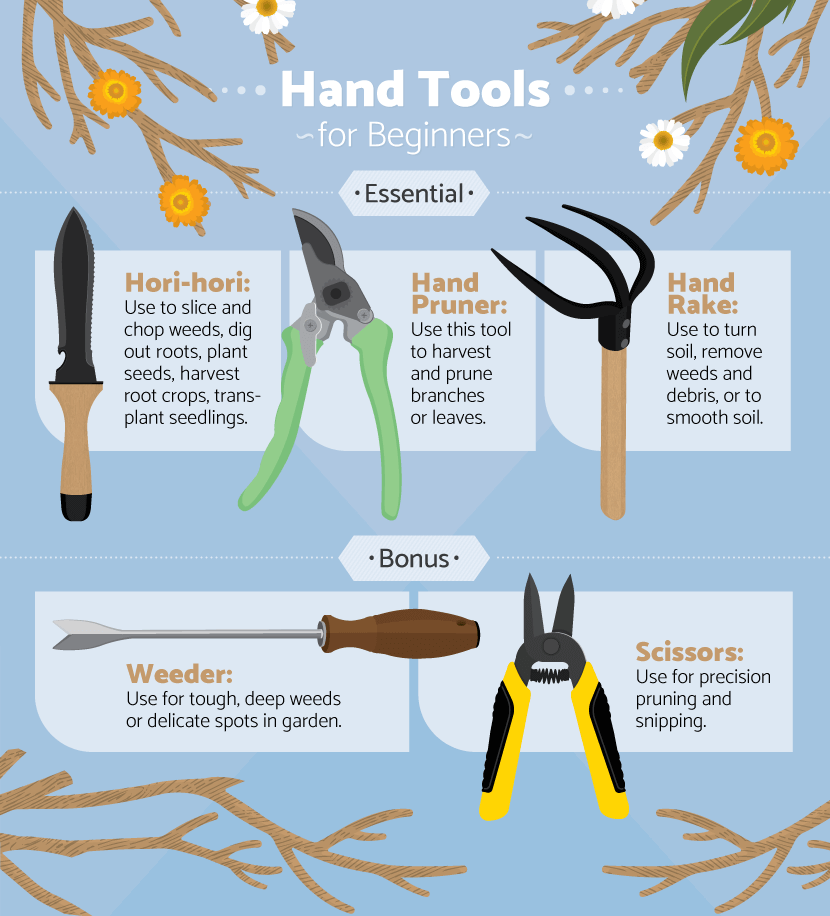
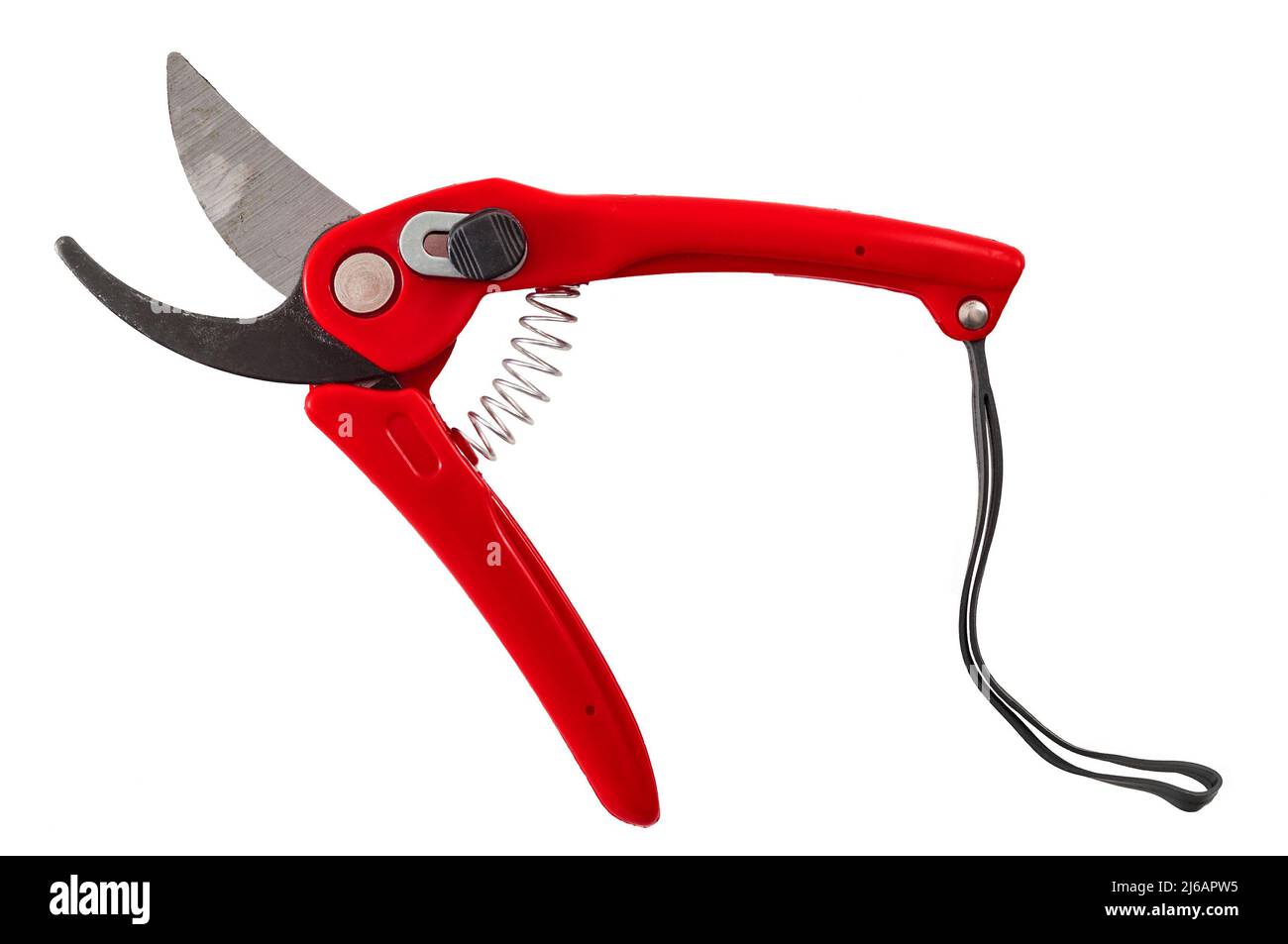
Pruning shears are the main tool used for cutting small branches cleanly and safely.
Knowing which tool is used for pruning branches helps you make clean cuts, protect the plant, and avoid wasted effort. The right tool depends on branch size, height, wood hardness, and the type of pruning you need to do. This guide explains each option in simple terms, with practical tips for choosing, using, and caring for pruning tools.

The Main Tool Used for Pruning Branches
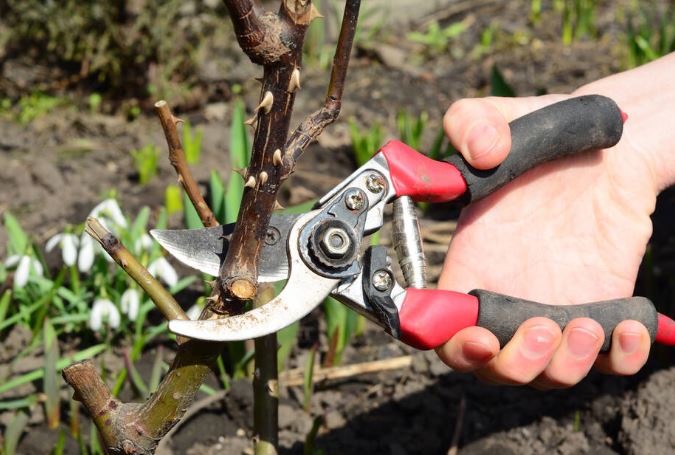
For most small branches, pruning shears are the best choice. They are also called hand pruners, pruning clippers, or secateurs. These tools fit in one hand and are made for cutting twigs and branches up to about ¾ inch thick.
When people ask which tool is used for pruning branches, the usual answer is pruning shears. They are easy to control and allow you to cut close to a branch collar without damaging nearby bark.
Pruning shears work well for:
• Rose bushes
• Young fruit trees
• Small ornamental trees
• Shrubs
• Vines
• Dead or diseased twigs
• New green growth
A sharp pair of pruning shears should make a smooth cut with little effort. If you must twist, crush, or force the handles, the branch may be too thick for the tool.
Types of Pruning Shears
Not all hand pruners work in the same way. The two main types are bypass pruners and anvil pruners.
Bypass Pruners
Bypass pruners have one curved blade that slides past a thicker supporting blade. This action is similar to scissors. It creates a clean cut and causes less crushing.
Bypass pruners are usually the best tool for:
• Live branches
• Green stems
• Fruit trees
• Roses
• Young shrubs
• Delicate garden plants
For healthy plant tissue, bypass pruners are often the safest choice. They leave a narrow cut that can heal more easily.
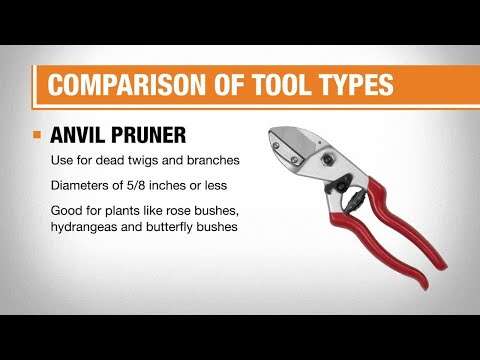
Anvil Pruners
Anvil pruners have one sharp blade that closes against a flat surface. They are strong and useful for dry, hard, or dead wood.
However, anvil pruners can crush live stems if they are used carelessly. Use them mainly for dead branches or tough wood where a slightly rougher cut will not harm the plant.
Ratchet Pruners
Ratchet pruners cut in stages. You squeeze the handles several times instead of using one strong motion. This design can help people with limited hand strength or joint pain.
Ratchet pruners may be helpful for thicker branches, but they can be slower. They also make it easier to lose control if the tool is not held firmly.
Which Tool Is Used for Thick Branches?
When a branch is too thick for hand pruners, use loppers. Loppers have long handles that provide more cutting power. They are designed for branches from about ¾ inch to 2 inches thick, although the exact limit depends on the model and the wood.
If you are still asking which tool is used for pruning branches over ¾ inch thick, loppers are usually the right answer. Their long handles work like levers, so they reduce the hand force needed to make a cut.
Loppers are useful for:
• Mature shrubs
• Fruit tree branches
• Thick rose canes
• Small tree limbs
• Hard or dry branches
• Overgrown hedges
Choose bypass loppers for live wood. Choose anvil loppers for dead or very hard wood.
Do not force loppers beyond their rated capacity. A tool that is too small may bend or break. A crushed branch can also leave a larger wound that heals slowly.
Which Tool Is Used for High Branches?
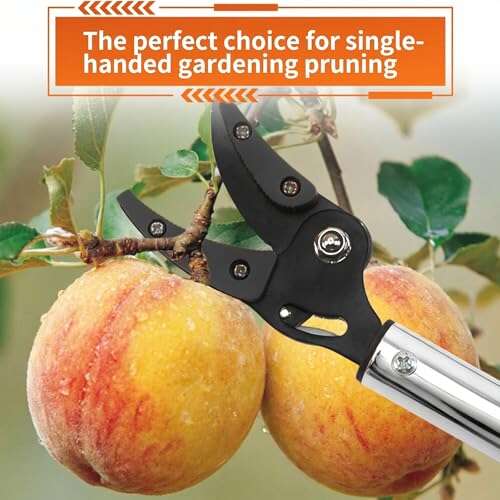
For branches that are out of reach, use a pole pruner. A pole pruner has a cutting head attached to a long pole. Many models use a rope, lever, or telescoping handle to operate the blade from the ground.
A pole pruner is the tool used for pruning branches high in a tree when a ladder would be risky. It works well for light branches that are above your head but still within the tool’s cutting limit.
There are two common types:
• Manual pole pruners use a rope or lever.
• Powered pole pruners use a battery, electric motor, or small engine.
Pole pruners are useful, but they need careful handling. A falling branch can injure you or damage property. Never stand directly under the branch you are cutting.
For large limbs near power lines, hire a qualified tree professional. Do not use a pole pruner, ladder, or saw near energized wires.
Which Tool Is Used for Large Tree Branches?
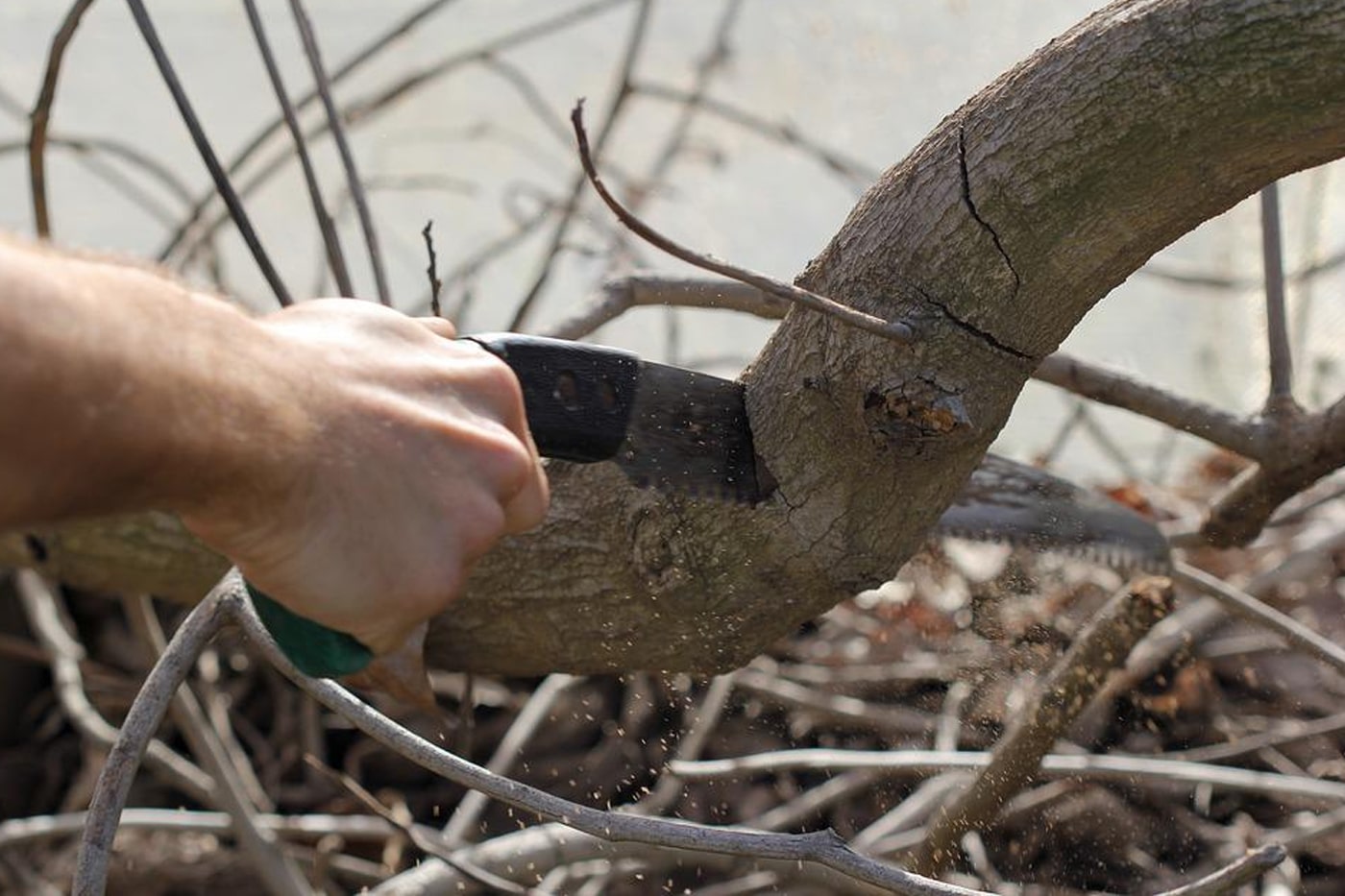
A pruning saw is the best tool for large branches that are too thick for loppers. Pruning saws have sharp teeth designed to cut through green or dry wood. Many have curved blades that help them stay in the cut.
A folding pruning saw is easy to carry and store. A fixed-blade pruning saw is often stronger and more stable for larger jobs.
Use a pruning saw for branches that are:
• More than 2 inches thick
• Too hard for loppers
• High on a tree when used with a pole saw
• Dead and woody
• Growing from a mature trunk
For large limbs, use the three-cut method. This helps prevent bark from tearing down the trunk.
- Make a small undercut several inches from the final cut.
- Make a top cut slightly farther out to remove most of the branch.
- Make the final cut just outside the branch collar.
Never cut flush against the trunk. The branch collar contains tissue that helps the plant close and protect the wound.
Other Tools Used for Pruning Branches
The best tool depends on the branch and the goal. Besides shears, loppers, and saws, gardeners may use several other tools.
Hedge Shears
Hedge shears have long, straight blades. They are designed to trim many small stems at once. Use them for shaping hedges and formal shrubs.
They are not ideal for cutting thick branches. Repeated use on heavy wood can damage the blades and create rough cuts.
Pole Saws
A pole saw combines a long pole with a small saw. It may be manual or powered. Pole saws are useful for higher branches that are too large for a manual pole pruner.
Powered pole saws can cut quickly, but they require extra care. Wear eye protection, keep both feet on stable ground, and follow the manufacturer’s safety instructions.
Chainsaws
Chainsaws are used for very large limbs and tree removal work. They are not a normal first choice for routine pruning.
Chainsaws can cause severe injury if used without proper training. For large trees, overhead cuts, storm damage, or branches near buildings, contact a certified arborist.
Floral Snips
Floral snips are small scissors for flowers, herbs, and very thin stems. They are precise but not strong enough for woody branches.
How to Choose the Right Pruning Tool
Choosing which tool is used for pruning branches starts with measuring the branch. Do not choose a tool only by appearance or price. Match the tool to the wood and the cut.
Use this simple guide:
• Up to ½ inch: Floral snips or small pruning shears
• Up to ¾ inch: Bypass pruning shears
• About ¾ to 2 inches: Loppers
• More than 2 inches: Pruning saw
• High branches: Pole pruner or pole saw
• Large, dangerous limbs: Qualified tree professional
Also consider the type of wood. Fresh green wood is often easier to cut than dry hardwood. A tool that handles a 1-inch soft branch may struggle with a 1-inch oak branch.
Handle comfort matters, too. Look for non-slip grips, a safety lock, replaceable blades, and a size that fits your hand. People with arthritis may prefer ratchet pruners or lightweight bypass tools.
How to Prune Branches Correctly
Even the best tool can cause damage when used incorrectly. Good pruning depends on both the tool and the cut.
Follow these steps:
- Inspect the branch and decide where the cut should go.
- Find the branch collar, which is the slightly raised area where the branch joins the trunk or larger limb.
- Place the cutting blade on the side that will leave the cleanest cut.
- Make one firm cut when possible.
- Keep the cut just outside the branch collar.
- Remove torn bark with a clean blade if needed.
- Step back and check the plant’s shape before making another cut.
Avoid removing too much at once. A common guideline is to avoid taking more than about one-quarter of a tree’s live crown in a single year, though the safe amount varies by species, age, and health.
Do not paint routine pruning wounds unless a qualified professional recommends it for a specific disease or pest concern. In many cases, trees seal wounds naturally.
Common Pruning Mistakes to Avoid
The wrong tool can cause more harm than a missed cut. These mistakes are common in home gardens.
Using Dull Blades
Dull blades crush bark and require extra force. They also make it harder to control the cut. Sharpen blades regularly or replace them when they no longer hold an edge.
Cutting Too Close to the Trunk
A flush cut removes the branch collar. This can create a larger wound and slow the plant’s natural defense process.
Leaving Long Stubs
Long stubs can die back and attract pests. Cut just outside the branch collar, but do not remove the collar itself.
Using Hedge Shears on Large Wood
Hedge shears are for shaping thin growth. They are not a substitute for loppers or a pruning saw.
Cutting Wet or Diseased Wood Without Cleaning the Tool
Sap and plant disease can remain on blades. Clean tools between plants, especially when working with trees that show signs of infection.
Climbing an Unstable Ladder
Many pruning injuries happen when people reach too far or lose balance. For high branches, use a ground-based pole tool or hire a professional.
Tool Cleaning and Maintenance
Tool care improves cutting quality and extends tool life. It also lowers the chance of spreading disease between plants.
After each pruning session:
• Brush away sawdust and plant residue.
• Wipe blades with a clean cloth.
• Disinfect blades when moving between plants.
• Dry the tool fully.
• Apply a light coat of tool oil to moving parts.
• Store tools in a dry place.
Use a sharpening file made for the blade style. Follow the original bevel rather than creating a new angle. If the blade is badly damaged, replacement may be safer than repeated sharpening.
In hands-on garden work, one lesson becomes clear: a clean, sharp tool saves time and protects the plant. A cheap tool that is maintained well can perform better than an expensive tool that is dirty and dull.
Safety Tips for Pruning Branches
Safety should guide every decision about which tool is used for pruning branches. Even small cuts can cause injury when tools slip or branches fall unexpectedly.
Wear:
• Safety glasses
• Work gloves
• Long sleeves
• Strong, closed-toe shoes
• Hearing protection when using powered tools
Before cutting, check for hidden wires, unstable branches, insects, and nearby people or pets. Keep your free hand away from the blade and never hold a branch directly above the cutting path.
Stop and call a professional when:
• The branch is near a power line.
• The tree is large or unstable.
• The branch hangs over a roof or road.
• Storm damage has split the trunk.
• You need to use a chainsaw in a tree.
• You cannot safely reach the cutting point from the ground.
The safest tool is sometimes no tool at all. Professional tree workers have the training, equipment, and insurance needed for high-risk pruning.
Seasonal Pruning Considerations
The best pruning time depends on the plant. Many deciduous trees are pruned during dormancy, often in late winter. At that time, the structure is easier to see, and many pests and diseases are less active.
Spring-flowering shrubs often bloom on older wood. Pruning them at the wrong time can remove next season’s flower buds. Summer-flowering shrubs are often pruned in late winter or early spring before new growth begins.
Remove dead, broken, or hazardous branches whenever needed. However, avoid major pruning during extreme heat, drought, or periods of severe plant stress.
Before pruning a fruit tree, rose, hedge, or ornamental tree, check guidance for that specific species. Local university extension services and certified arborists provide useful information based on regional climate and plant health.
Frequently Asked Questions About Which Tool Is Used for Pruning Branches
What is the main tool used for pruning branches?
Pruning shears are the main tool used for small branches and twigs. They work best on live branches up to about ¾ inch thick, depending on the tool.
Which tool is used for pruning thick branches?
Loppers are used for branches that are too thick for hand pruners but usually smaller than about 2 inches. A pruning saw is better for larger or harder branches.
Are bypass pruners better than anvil pruners?
Bypass pruners are usually better for live wood because they make a clean cut with less crushing. Anvil pruners are useful for dead or very hard wood.
Which tool is used for pruning branches high in a tree?
A pole pruner or pole saw is used for high branches from the ground. Do not use these tools near power lines, and avoid cutting branches that could fall onto people or property.
Can hedge shears cut tree branches?
Hedge shears can cut very small, flexible stems while shaping a hedge. They should not be used for thick tree branches because they may crush the wood and damage the blades.
Should pruning tools be disinfected?
Yes, clean and disinfect pruning tools when moving between plants, especially if a plant shows disease symptoms. This helps reduce the spread of pathogens through cutting wounds.
When should a chainsaw be used for pruning?
A chainsaw should be reserved for large limbs and trained users who understand safe cutting methods. For overhead, unstable, or high-risk branches, hire a qualified arborist.
Conclusion
The answer to which tool is used for pruning branches depends on branch size and location. Use pruning shears for small live growth, loppers for medium branches, pruning saws for thick limbs, and pole tools for branches that are high but safely reachable from the ground.
Clean cuts, sharp blades, correct timing, and safe habits matter as much as the tool itself. Start with the smallest tool that can make the cut without crushing the branch, and contact a professional whenever the work involves height, power lines, or heavy limbs. Share your pruning questions or explore more plant-care guides to build your gardening skills.

Laura Bennett is a gardening writer at MyGardenLabs who creates beginner-friendly guides focused on solving common plant care and gardening problems.