How To Know When Plants Need Water: 2026 Care Guide
Check the soil, watch the leaves, feel the pot, and note the light.
You’re here because you want a simple, reliable way to read your plants. As a grower and coach, I’ve helped hundreds of people learn how to know when plants need water without guesswork. In this guide, I’ll show you what to look for, what to avoid, and how to build a habit that keeps roots healthy and growth strong. You’ll learn how to know when plants need water in any season, in any room, with any potting mix.

Quick ways to see how to know when plants need water
Let’s start with the signs you can check in seconds. These are the simple tells I use each morning on my rounds.
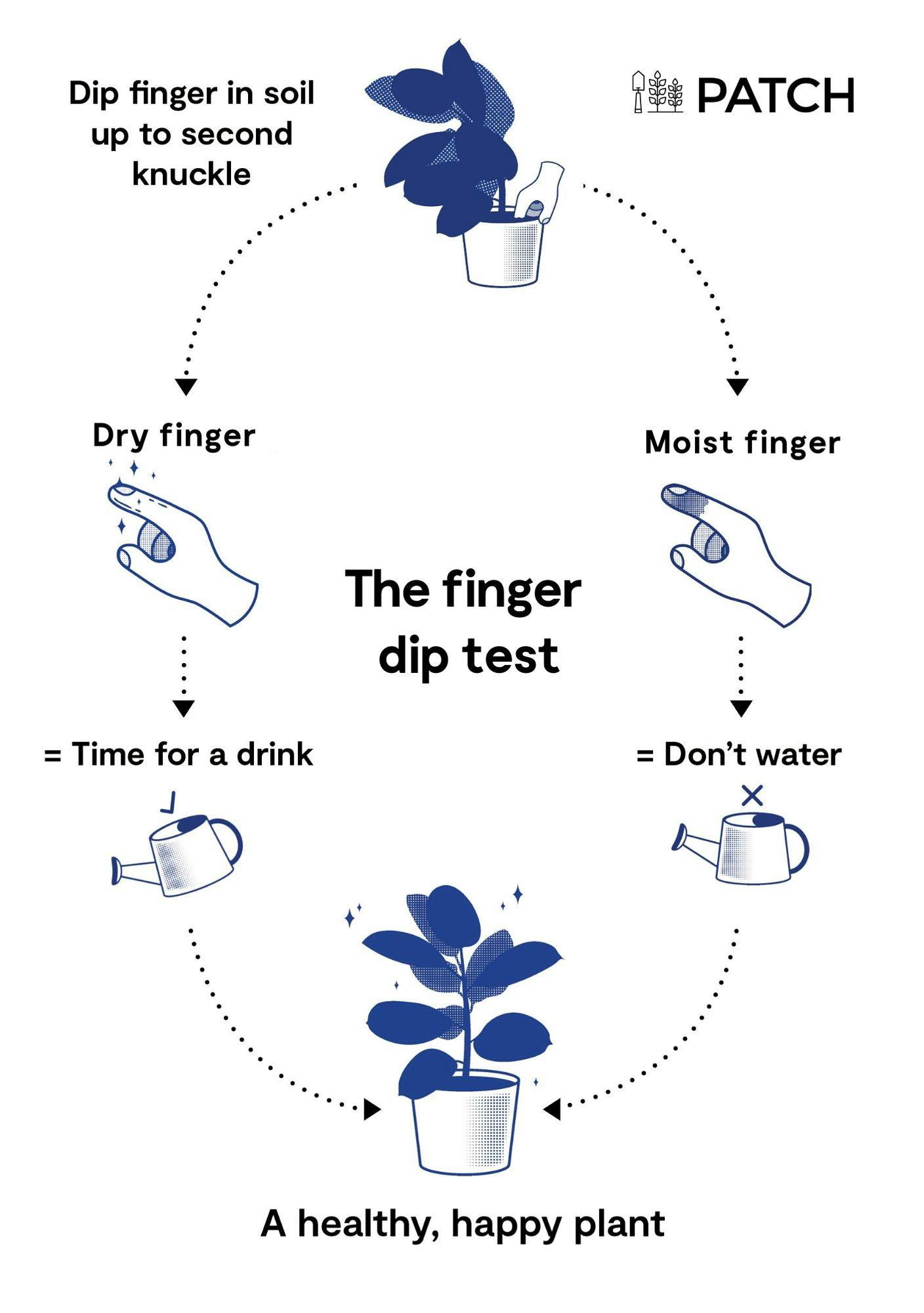
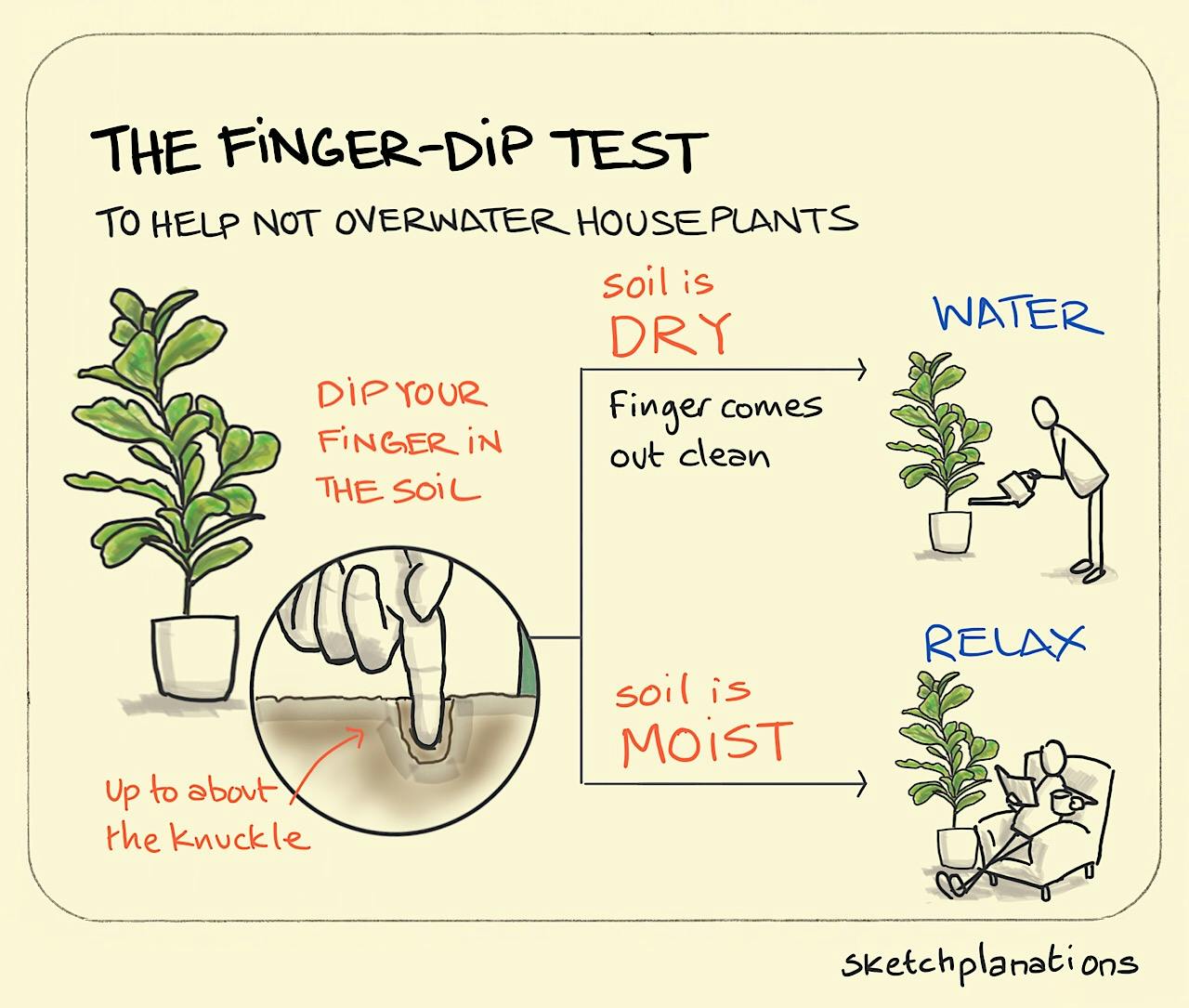
- Finger test. Push a clean finger 1 to 2 inches into the soil. If it feels dry at that depth, water soon.
- Pot weight. Lift the pot. Dry pots feel much lighter than wet ones. Learn each plant’s “dry weight.”
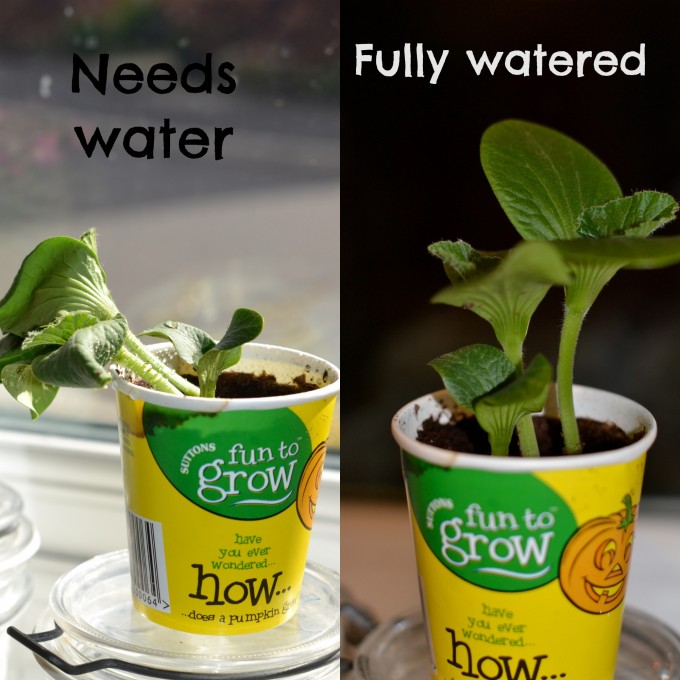
- Leaf feel. Thirsty leaves lose snap. They feel soft or floppy rather than crisp.
- Soil look. Dark, cool soil is moist. Pale, dusty, or shrinking soil is dry.
- Wilting pattern. A light wilt that perks up after watering is thirst. A heavy, limp wilt with wet soil can be root rot.
If you want a fast system for how to know when plants need water, combine the finger test with the lift test. Together, they are more accurate than either one alone.

Soil checks that never lie
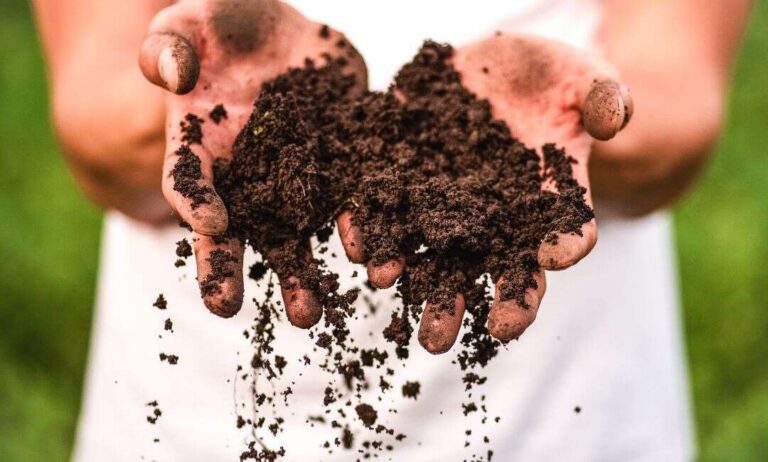
Soil is the best truth-teller. Most watering mistakes happen because the top looks dry while the root zone is still wet.
- Depth matters. Many plants want the top inch dry but moisture below. Check at 2 to 3 inches for larger pots.
- The chopstick test. Insert a wooden chopstick or skewer. If it comes out dry and clean, it’s time to water. If it comes out dark or damp, wait.
- Compacted or hydrophobic mix. When soil pulls from the pot edge or water runs off, the mix is too dry. Bottom-water or soak to re-wet.
- Drainage clues. After watering, excess should drain into the saucer. No drainage often means the soil is already saturated.
Research and extension guidance show that most houseplants prefer a slight dry-down between waterings. This method works across seasons and rooms and is key for how to know when plants need water with confidence.
Leaf, stem, and color signals
Plants “talk” through texture, posture, and color. Learn their language and you’ll master how to know when plants need water.
- Turgor pressure. Healthy leaves are firm. When low on water, they droop a bit and spring back after watering.
- Curling and cupping. Leaves may curl inward to reduce surface area and slow water loss.
- Dull color. A thirsty plant often looks matte, not glossy. Some species gray slightly.
- Crispy tips. Dry air or underwatering can cause brown, crispy edges. Check soil before blaming humidity.
- Distinguish stress. Drooping with wet soil points to overwatering or poor roots, not thirst.
I once nearly lost a peperomia by misreading a wilt. The soil was wet, but I watered anyway. It declined fast. Lesson learned: always read the soil and the plant together.
The pot weight and lift test
If I had to pick one habit, this is it. It’s fast, repeatable, and works for every plant.
- Train your hand. Right after a deep water, lift the pot. That’s the “wet weight.”
- Lift daily. When it feels very light compared to wet weight, water.
- Use both hands for large pots. Or use a luggage scale to track numbers.
- Pair with soil checks. Weight catches what your eyes miss, especially with dense mixes.
This simple practice turns guesswork into muscle memory and is a core trick for how to know when plants need water without tools.
Timing factors: light, heat, humidity, and season
Water needs change with the weather and the room. Your plant’s day-to-day life matters as much as the species.
- Light. More light means more photosynthesis and faster drying. South and west windows dry quickest.
- Heat. Warm rooms speed evaporation and use. Cold rooms slow it down.
- Humidity. Dry air pulls water from leaves. High humidity slows drying.
- Season. Winter needs drop with shorter days. Spring growth drinks more.
- Airflow. Fans and open windows speed the dry-down.
Keep a simple note for each plant through one month. You’ll see a pattern. That pattern is the backbone of how to know when plants need water in your exact home.

Routine vs. signals: build a watering rhythm that lasts
Fixed schedules cause trouble. Signals save roots. Still, a light routine helps you stay on track.
- Use a check schedule, not a water schedule. For example, check twice a week, water only if dry at depth.
- Group by needs. Keep thirsty plants together and succulents together.
- Morning checks. Water early so leaves dry by night and fungus stays low.
- Track changes. New pots, bigger roots, or fresh light will change needs.
Experts often warn that overwatering is the top killer of houseplants. A signal-first habit is the safest way to practice how to know when plants need water.

Tools and tech that help
You don’t need gadgets, but a few tools make learning faster.
- Moisture meter. Useful, but calibrate it. Compare readings to your finger test and pot weight.
- Digital scales. Great for large planters. Record wet and dry weights.
- Self-watering pots. Helpful for even moisture, but still check the reservoir and root health.
- Sensors and apps. Good for logging, but your senses should lead.
Use tools to confirm, not replace, your senses. That balance is how to know when plants need water with consistency.

Common mistakes and myths
I see the same errors again and again. Avoid these and you’ll leap ahead.
- Watering on a fixed day. Plants don’t read calendars. They follow light and heat.
- Soggy saucers. Standing water suffocates roots. Always empty saucers after 15 minutes.
- Tiny sips. Shallow watering keeps roots near the top. Water deeply, then let it drain.
- Wet leaves at night. Raises risk of disease. Aim for soil, not foliage.
- Assuming droop equals thirst. Always check the soil before you reach for the watering can.
Clearing these myths is a big step toward mastering how to know when plants need water without stress.
Special cases: succulents, tropicals, seedlings, and outdoor beds
Different plant types have different “comfort zones.”
- Succulents and cacti. Let soil dry out fully. Wait a few days after the pot feels light before watering.
- Tropical foliage. Keep the top inch dry, but not the root zone. Look for slight droop or dullness.
- Seedlings. Keep evenly moist, not wet. Their roots are shallow and dry fast.
- Clay vs. plastic pots. Clay breathes and dries faster. Plastic holds moisture longer.
- Outdoor beds. Use a trowel to check 4 to 6 inches down. If it’s dry at that depth, it’s time.
These tailored checks give you a fine-tuned sense of how to know when plants need water across all setups.
A simple step-by-step watering routine
Here’s the exact routine I teach beginners. It keeps roots happy and prevents rot.
- Check depth. Test soil at 1 to 2 inches for small pots, 2 to 3 inches for large.
- Lift the pot. Confirm it feels light compared to its wet weight.
- Water slowly. Pour until water runs from the drain holes.
- Pause and repeat. Wait 60 seconds, then water once more to soak dry pockets.
- Drain fully. Empty the saucer after 15 minutes.
- Reset. Note the date, light, and room temp. Adjust your next check based on how fast it dried.
Use this method daily at first. Soon, you won’t guess. You’ll know. That’s the essence of how to know when plants need water.
Frequently Asked Questions of how to know when plants need water
How often should I water houseplants?
There is no one schedule. Check soil at depth and water only when the mix is dry to the right level for that plant.
Is a moisture meter better than the finger test?
Meters help, but they can be off. Pair a meter with the finger test and pot weight for best results.
Why do leaves droop even when the soil is wet?
That often means overwatering, poor drainage, or root damage. Improve airflow, check the pot’s drainage, and let the soil dry.
Do self-watering pots stop overwatering?
They help regulate moisture, but you can still overfill the reservoir. Monitor the wick and the root zone to avoid saturation.
How can I tell if my soil is hydrophobic?
Water runs off the top and down the sides. Bottom-water or soak the pot to re-wet the mix evenly.
Conclusion
Watering is a skill you can feel in your hands and see in your plants. Check the soil at depth, lift the pot, read the leaves, and watch the weather. When you combine these steps, you understand how to know when plants need water in your space, not just in theory. Use today’s checks on one plant, then apply them to the rest. Subscribe for more plant care guides, or drop a comment with your trick for reading thirst.

Laura Bennett is a gardening writer at MyGardenLabs who creates beginner-friendly guides focused on solving common plant care and gardening problems.