What Plants Should Be Cut Back In The Fall: Pruning Tips
Most deciduous perennials, dead annuals, and some shrubs should be cut back in fall after frost.
Knowing what plants should be cut back in the fall can make spring cleanup easier and help prevent pests and disease. However, not every plant belongs on the fall pruning list. Some stems protect crowns, feed birds, or add winter beauty. This guide explains which plants to cut, which to leave, and how to prune them safely.
Why Fall Cutback Matters
Fall pruning is not just about making a garden look neat. Removing weak, diseased, or dying growth can reduce hiding places for pests and lower the chance of fungal problems next season.
Still, a tidy garden is not always a healthy garden. Many hollow stems shelter native bees, while seed heads give birds food during cold months. The best approach is selective cleanup, not cutting everything to the ground.
When deciding what plants should be cut back in the fall, consider these benefits:
• Removes diseased leaves and stems before spring growth
• Reduces the spread of some fungal diseases
• Makes paths and garden beds safer
• Prevents dead growth from flopping onto nearby plants
• Helps mark plant locations before winter snow
• Reduces shelter for certain pests
The timing also matters. Cutting too early can remove food and cover for wildlife. Cutting too late can leave wet, tangled growth that is hard to manage.

What Plants Should Be Cut Back in the Fall?
The plants that benefit most from fall cutback are herbaceous perennials that die back naturally, annual flowers that have finished blooming, and plants with clear disease problems.
Here is a useful list of what plants should be cut back in the fall:
Herbaceous perennials
Many nonwoody perennials die back to the soil line after frost. Their leaves turn brown, collapse, and lose value. You can usually cut them back after the foliage has fully faded.
Common examples include:
• Peonies
• Daylilies
• Hostas
• Garden phlox
• Bee balm
• Catmint
• Yarrow
• Iris leaves
• Columbine
• Helenium
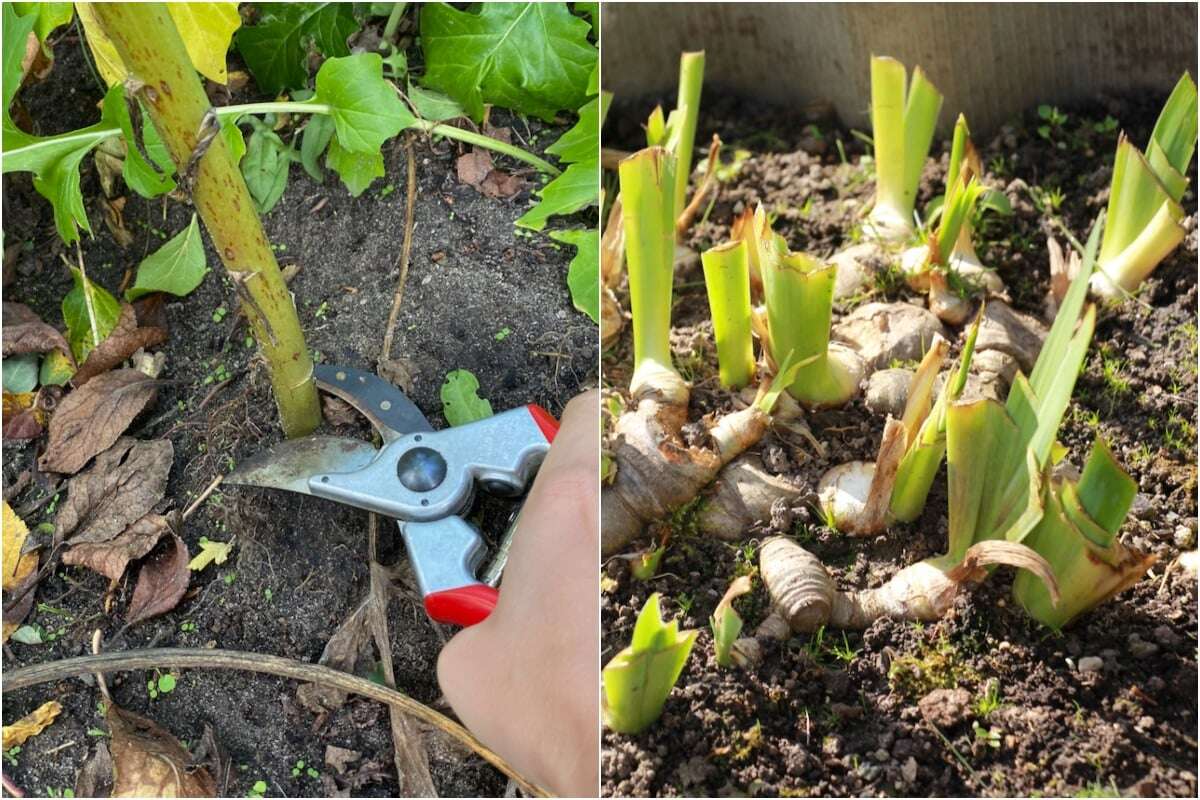
Cut healthy stems to about 2 to 4 inches above the soil. Leave a small marker if the plant disappears completely, especially in areas where spring weeds appear early.
Peonies are a good example. Their foliage can develop powdery mildew or other leaf problems late in the year. Cutting peony stems to ground level after frost helps remove infected plant material. Do not place diseased leaves in home compost unless your compost pile reaches a reliably high temperature.
Annual flowers
Annuals complete their life cycle in one growing season. Once frost kills them, remove the plants from beds and containers.
Good candidates include:
• Marigolds
• Zinnias
• Impatiens
• Begonias
• Cosmos
• Petunias
• Annual salvia
Shake off loose soil and compost healthy plants. Remove plants with severe disease, insect infestations, or rotting roots according to your local waste rules.
Vegetable plants
Vegetable gardens often need a careful fall cleanup. Remove spent tomato vines, cucumber vines, squash vines, bean plants, and diseased greens.
Tomato plants deserve special attention because they can carry fungal diseases such as early blight. Pull the entire plant, gather fallen fruit, and avoid planting tomatoes, peppers, eggplant, or potatoes in the same bed the next year if disease was severe.
Healthy roots and stems can go into a well-managed compost pile. Diseased plants are safer in municipal yard waste or the trash, depending on local guidance.
Irises and daylilies
Iris leaves may develop iris leaf spot. Cut infected leaves after frost and remove the debris from the bed. Do not cut iris leaves while they are still green unless disease is spreading quickly, because green leaves help the rhizome store energy.
Daylily leaves often turn yellow and collapse after a freeze. Trim them close to the crown once they are fully brown. Take care not to damage new shoots that may already be forming near the base.
Plants with serious disease
Diseased plant material is one of the clearest answers to what plants should be cut back in the fall. Remove stems and leaves that show:
• Black spots
• White mildew
• Orange rust
• Soft rot
• Cankers
• Severe insect damage
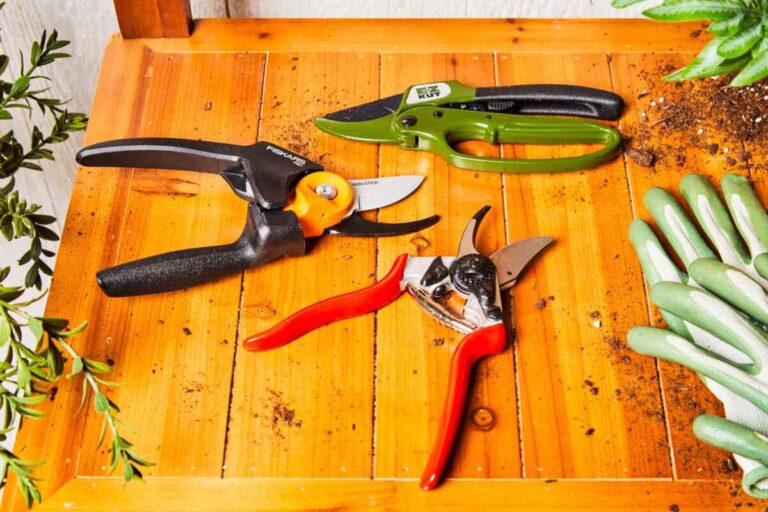
Use clean, sharp pruners. Disinfect the blades between infected plants with a household disinfectant labeled for this use. Cleaning tools helps prevent the spread of pathogens from one plant to another.
Plants You Should Usually Leave Standing
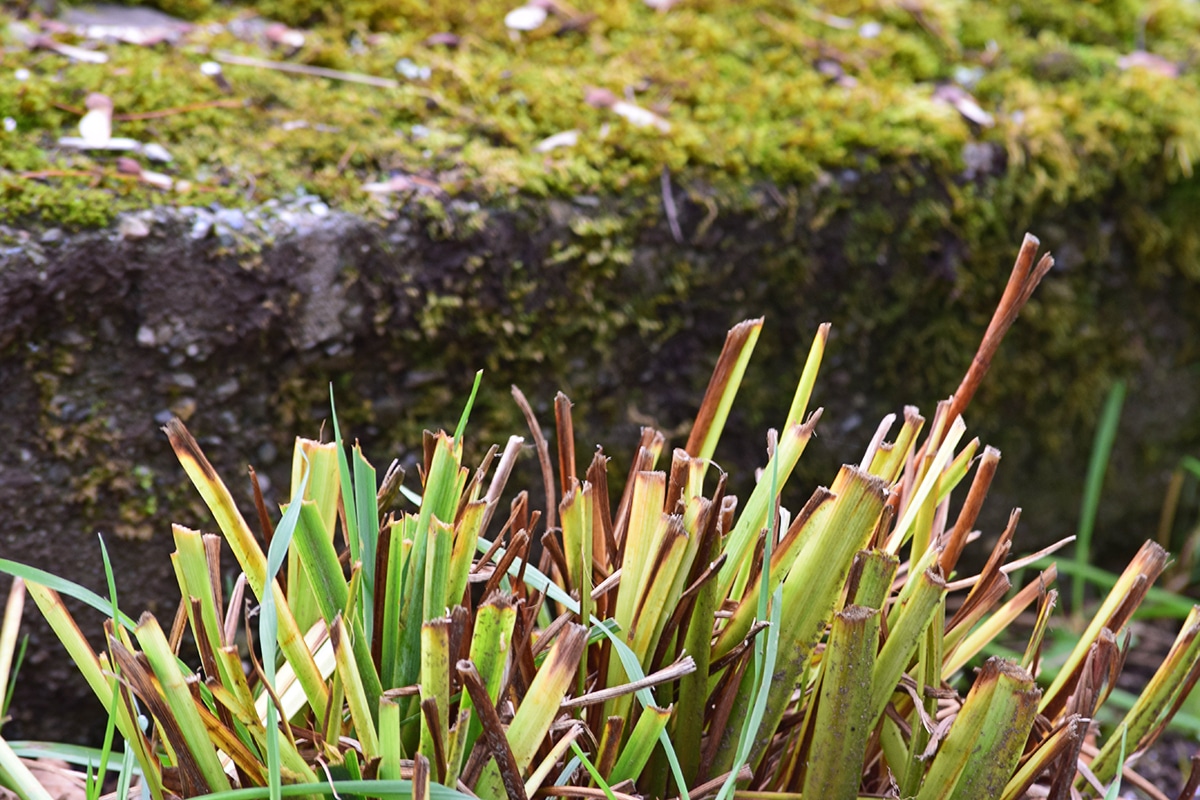
Some plants should not be cut back in fall. Their stems and seed heads support wildlife and protect the crown from winter weather.
Leave these plants standing until late winter or early spring:
• Coneflower
• Black-eyed Susan
• Joe-Pye weed
• Ornamental grasses
• Asters