How To Water Plants In Hot Weather: Smart Tips For 2026
Water early, deep, and slow; mulch well; adjust for plant type and heat.
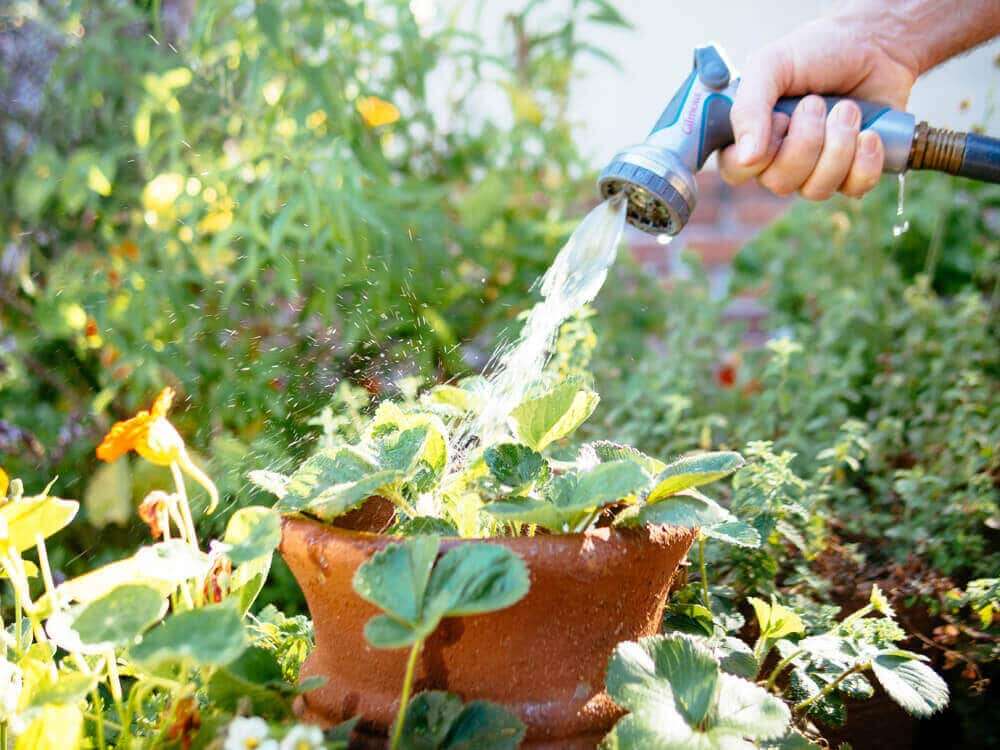
If you’ve wondered how to water plants in hot weather without wasting water or stressing roots, you’re in the right place. I’ve managed gardens through heatwaves, tested tools, and learned what truly keeps plants alive when the sun feels relentless. In this guide, I’ll show you how to water plants in hot weather with clear steps, simple science, and practical, real-world tips you can apply today.
Why heat changes everything for plants
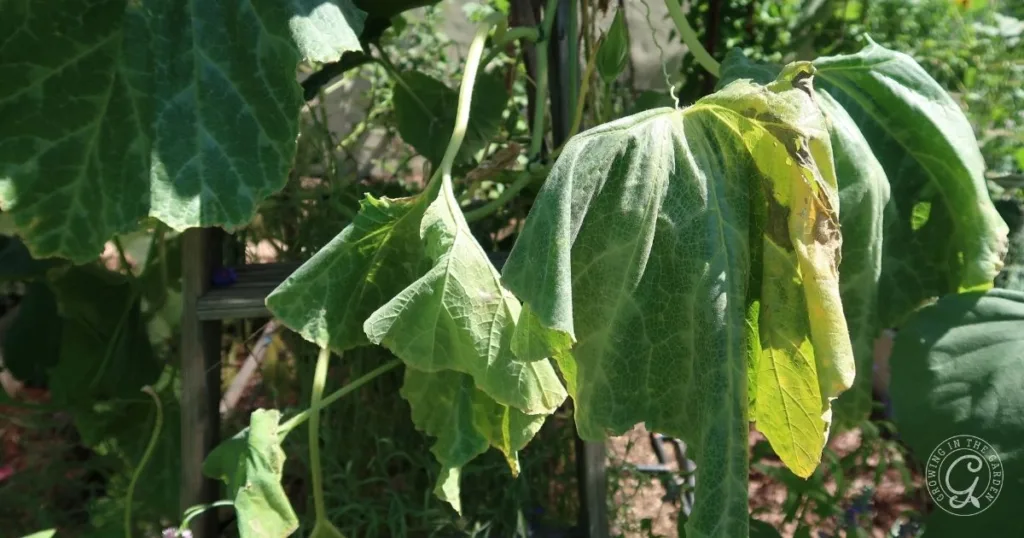
Hot weather speeds up water loss from both soil and leaves. Plants open tiny pores to breathe, and in heat, they lose water faster than roots can pull it up. That is why leaves droop at noon, even in moist soil.
Soil also changes in heat. It dries from the top down. Some potting mixes can turn water-repellent when dry. Then water runs off the surface or down the pot’s edge. A slow soak fixes this. Mulch also helps by blocking sun and wind at the soil line.
The goal is steady moisture in the root zone. Think of soil like a wrung-out sponge. Not soggy. Not dusty. Just even and cool. That is the core of how to water plants in hot weather.

The golden rules for how to water plants in hot weather
Follow these simple rules. They work for most yards, beds, and pots.
- Water at dawn. Aim for 4–9 a.m. Cooler air cuts loss to wind and sun. Evening can work if leaves dry before night.
- Go slow and deep. Soak the root zone to 6–12 inches for most plants. Use a gentle flow so water sinks in.
- Use the soak, pause, soak method. Water once. Wait 10 minutes. Then water again. The pause lets moisture move deeper.
- Keep soil covered. Add 2–4 inches of organic mulch. Leave a small ring clear around stems.
- Water the soil, not the leaves. Roots need it most. Wet leaves in heat can waste water.
- Adjust for soil type. Sandy soil needs more frequent watering. Clay needs slower flow and longer breaks.
These rules are the backbone of how to water plants in hot weather across any garden.

Step-by-step: how to water plants in hot weather
- Check moisture before you water. Push a finger or a screwdriver 2–3 inches into the soil. If it’s dry past the first knuckle, water.
- Set the right time. Water early morning. If a plant is wilting hard at noon, water it, but aim for the soil.
- Apply water slowly. Use a watering wand, soaker hose, or drip. Count to 30 at each plant, then move on and repeat.
- Pause to let water sink. After the first pass, wait 10–15 minutes. Then water again to reach deeper roots.
- Mulch after watering. Add mulch while soil is moist. Keep mulch pulled back 2 inches from stems or trunks.
- Watch the plant for recovery. Leaves may perk up within hours. If not, check soil depth again and repeat a slow soak.
- Track your schedule. In heat, note how many days it takes to dry. That becomes your base plan.
This routine is a field-tested way to master how to water plants in hot weather with less stress and less waste.
Tailor your plan by plant and setup
Not all plants drink the same. Match your plan to their needs.
- Containers and hanging baskets: They dry fast. In extreme heat, water once in the morning and check again in late day. Switch to drip spikes or self-watering pots for steady moisture.
- Vegetable beds: Keep soil like a damp sponge. Tomatoes and peppers need deep, even moisture to avoid blossom-end rot. Water the base, not the fruit.
- New plantings: Water more often during the first 4–6 weeks. Short, deep sessions help roots grow down.
- Established shrubs and perennials: Deep water once or twice a week, depending on heat and wind. Focus on the drip line, not the trunk.
- Trees: Give 5–10 gallons per inch of trunk diameter per week in heat. Use a slow trickle for one to two hours.
- Lawns: Aim for about 1 inch of water per week, including rain. Use the cycle-soak method to prevent runoff.
These tweaks are key to how to water plants in hot weather without overdoing it.

Tools and techniques that save water in heat
The right tools make the job easier and smarter.
- Soaker hoses: Lay them under mulch. They deliver slow, even water with little loss to air.
- Drip irrigation: Ideal for beds, shrubs, and veggies. Add a simple timer for set-and-forget watering.
- Watering wands: They give a gentle flow at the base, which reduces splash and waste.
- Moisture meters: Helpful for pots and new beds. Use as a guide, not the only truth.
- Mulch choices: Use shredded bark, pine needles, straw, or compost. Avoid piling mulch against stems.
- Wetting agents: If potting mix goes water-repellent, a soil wetting agent can help moisture move in.
- Self-watering containers: Great for balconies and patios. Keep the reservoir filled.
These tools support how to water plants in hot weather with less effort and more control.
Smart schedules and knowing when enough is enough
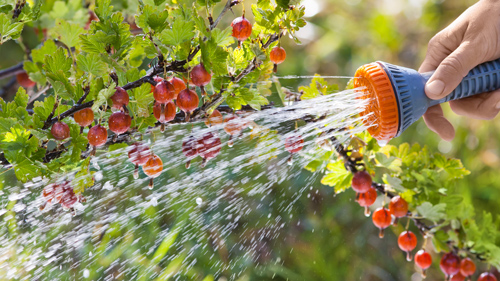
Heat, wind, and sun drive water loss. Your schedule should flex with the weather. Hot, windy days often need more frequent, shorter sessions. Cool, still days may not.
Use simple checks to confirm you’re on target.
- The finger test: Check 2–3 inches down. Dry? Time to water.
- The screwdriver test: It should slide in with light pressure. If it stops fast, soil is too dry.
- Pot weight: Lift the pot. Over time, you’ll learn the feel of dry vs moist.
- Rain gauge: A tuna can works. Track weekly totals so you don’t double water.
In my own beds, I log one heatwave week each summer. I note when pots dry, how long a deep soak lasts, and which areas wilt first. That short record keeps me honest and sharp about how to water plants in hot weather.
:max_bytes(150000):strip_icc()/summer-watering-schedule-GettyImages-174665363-a5f1e3e8eb7b4031be580edf5680638f.jpg)
Common mistakes to avoid when learning how to water plants in hot weather
Avoid these traps. They waste water and stress roots.
- Watering shallow and often: This trains roots to stay near the hot surface. Go deeper, less often.
- Blasting the soil: A hard stream compacts soil and causes runoff. Use a gentle flow.
- Wet leaves at night: It can invite disease in some plants. Aim for morning soil watering.
- Skipping mulch: Bare soil bakes and dries fast. Mulch is cheap insurance.
- Over-fertilizing in heat: It pushes soft growth that wilts. Hold heavy feeding until temps ease.
- Ignoring wind: Wind can dry plants faster than sun alone. Water and mulch more on windy days.
- Forgetting newly planted shrubs and trees: Their roots are small and need steady, deep care.
These are the fastest ways to derail how to water plants in hot weather.
Advanced heatwave tactics and drought planning
When temps soar, use extra protection and smart timing.
- Add shade cloth: 30–50% shade can cut stress without stopping growth. Drape over hoops or stakes.
- Group containers: Cluster pots to cool roots and reduce airflow around them.
- Use trays with a capillary mat: For a day or two, this helps pots sip from below. Do not leave roots soggy.
- Cycle-soak watering: Water lawns and beds in short bursts with rests between. This prevents runoff on hard, dry soil.
- Deep-soak trees: Use a slow trickle or a tree ring bag once a week in extreme heat.
- Skip pruning and heavy feeding: Wait until heat passes. Only remove dead, broken, or diseased parts.
- Capture safe water: Use rain barrels. If you use gray water, avoid bleach or harsh soaps.
These strategies sharpen how to water plants in hot weather when the forecast turns brutal.
Frequently Asked Questions of how to water plants in hot weather
How often should I water during a heatwave?
Check soil before you water. Many plants need deep watering every 1–3 days in extreme heat, but pots may need daily care.
Is midday watering bad for plants?
It’s not ideal, but it’s fine if a plant is wilting hard. Aim for the soil and use a gentle flow to limit loss.
How much water do trees need in hot weather?
A good rule is 5–10 gallons per inch of trunk diameter per week. Apply slowly around the drip line to soak deep roots.
Should I mist leaves to cool plants?
Misting offers brief relief but wastes water and may invite disease in dense foliage. Focus on deep soil moisture instead.
What type of mulch is best in heat?
Use organic mulch like shredded bark, straw, or pine needles, 2–4 inches deep. Keep it a couple inches away from stems.
Can I fertilize when it’s very hot?
Avoid heavy feeding in high heat. It can stress plants; wait for cooler weather or use a gentle, diluted feed if needed.
How do I know if I am overwatering?
Soil stays wet and leaves may yellow or droop. Check moisture at depth; if it’s soggy 2–3 inches down, wait to water.
Conclusion
Hot days do not have to mean sad plants. With slow, deep watering, smart timing, and mulch, you can keep roots cool and strong. Use these steps to master how to water plants in hot weather, and your garden will thank you with steady growth and less stress.
Try one upgrade this week: set a dawn watering routine or add mulch to your driest bed. Want more tips that work in the real world? Subscribe, ask a question, or share your own heatwave wins in the comments.

Laura Bennett is a gardening writer at MyGardenLabs who creates beginner-friendly guides focused on solving common plant care and gardening problems.