Can I Trim Hedges In The Fall: Best Pruning Tips
Yes, you can trim hedges in the fall, but timing and hedge type matter most.
If you are asking, “can i trim hedges in the fall,” the answer depends on the plant, your climate, and how much growth you plan to remove. Light shaping is often safe, while heavy pruning at the wrong time can cause tender new growth, winter damage, or fewer flowers next year. This guide explains the safest fall hedge-trimming methods, timing tips, tools, and mistakes to avoid.

Can I Trim Hedges in the Fall?
Yes, you can trim hedges in the fall in many cases. Fall is often a good time to remove dead, damaged, or diseased branches and to tidy a hedge before winter. However, the best approach depends on whether the hedge is evergreen, deciduous, flowering, or newly planted.
The main rule is simple: avoid encouraging soft new growth just before freezing weather. New shoots need time to harden. If they grow late in the season, cold temperatures may kill the tender tips.
When deciding if you can trim hedges in the fall, consider these factors:
• The plant species and growth habit
• Your local first frost date
• The hedge’s health and age
• Whether it blooms on old wood or new wood
• How much growth you want to remove
• Whether birds or other wildlife still use the hedge
A light trim is usually safer than a severe cut. Think of fall pruning as giving the hedge a neat haircut, not taking it down to the scalp.
The Best Time to Trim Hedges in Fall
The ideal timing varies by location. In most parts of the United States, late summer to early fall is safer than late fall. Aim to finish regular trimming at least four to six weeks before your area’s usual first hard frost.
This window allows fresh cuts to heal and new growth to mature. In warm regions, the trimming season may last longer. In northern states, stop earlier because freezing weather can arrive quickly.
Use these general timing guidelines:
• Early fall: Best for a final light shaping in many regions
• Mid-fall: Suitable for removing dead or broken branches
• Late fall: Limit work to small repairs and safety cuts
• After a hard freeze: Avoid major pruning until the plant is dormant or spring arrives
Weather matters more than the calendar. A warm October can behave like late summer, while a cold September may already signal the end of active growth.
When people ask, “can i trim hedges in the fall,” I first ask them to check the forecast. A calm, dry day with mild temperatures is better than a wet day followed by a freeze.

Which Hedges Can Be Trimmed in the Fall?
Not every hedge responds to fall pruning in the same way. Knowing the plant type helps you choose between a light trim, selective pruning, or no cutting at all.
Evergreen hedges
Many evergreen hedges can receive a light fall trim. Common examples include arborvitae, yew, boxwood, holly, and some junipers.
Remove long shoots and uneven tips, but avoid cutting deep into old, bare wood. Some evergreens do not regrow well from branches that have no green needles or leaves.
Evergreen shrubs may also lose moisture through pruning wounds and foliage during winter. For that reason, avoid heavy shaping just before severe cold or strong winter winds.
Deciduous hedges
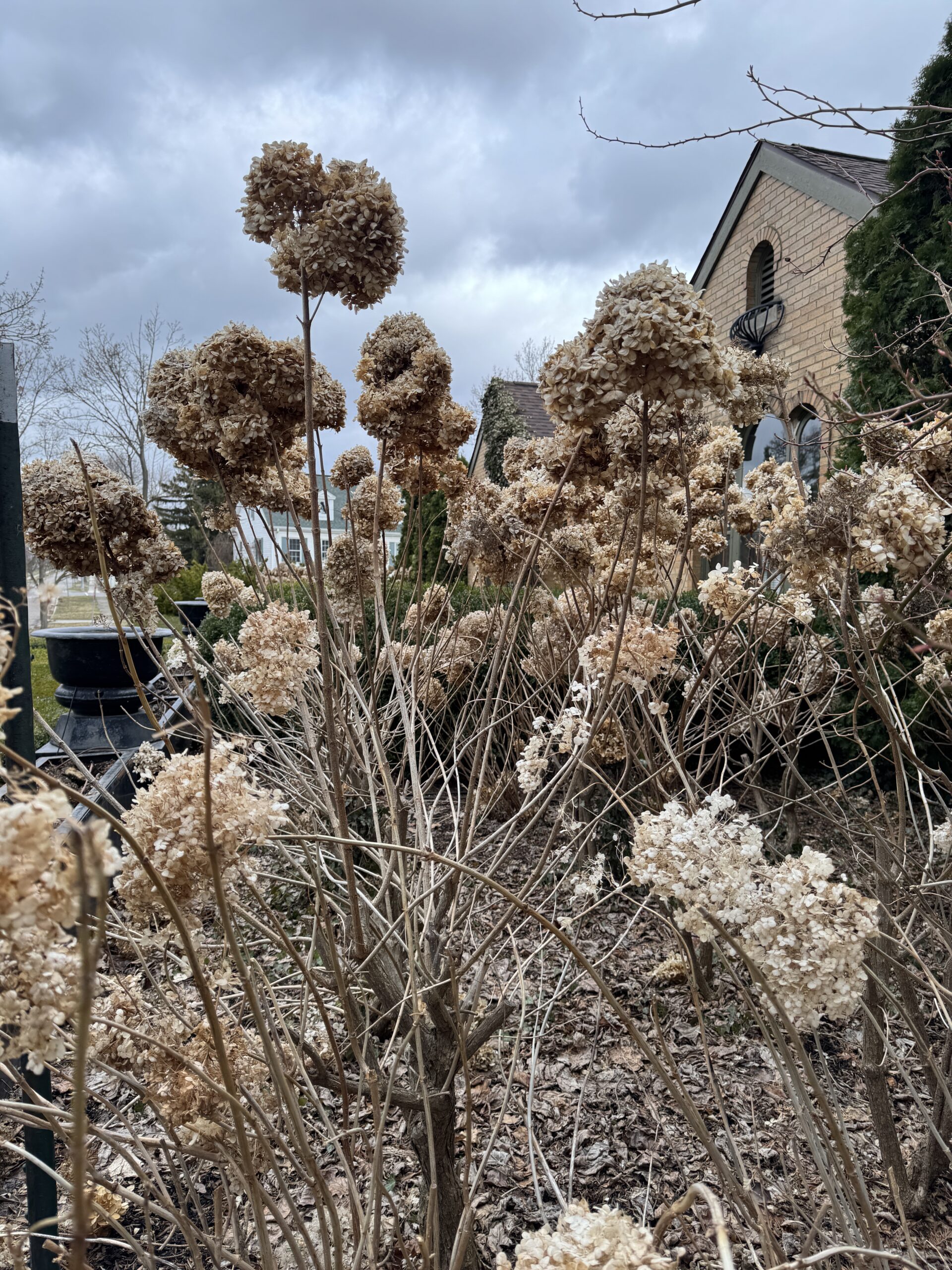
Deciduous hedges lose their leaves in fall. Once the leaves drop, you can see the branch structure more clearly. This makes it easier to remove crossing, weak, or damaged branches.
Still, a full formal trim is not always needed. Many deciduous shrubs benefit from late-winter pruning instead, especially when you want to control size or stimulate strong new growth.
Flowering hedges
Flowering hedges require extra care. Spring bloomers such as forsythia, lilac, and some viburnums often set flower buds on old wood during the previous growing season.
A fall trim may remove those buds and reduce spring flowers. If the hedge blooms in spring, wait until it finishes flowering before doing major pruning.
Shrubs that bloom on new wood, such as some spireas and certain roses, usually tolerate more pruning in late winter or early spring.
Newly planted hedges
Young hedges usually need little trimming in fall. Their first goal is root growth, not a perfect shape.
Remove broken or dead branches, but avoid cutting healthy stems unless the plant has strong, unwanted growth. Too much pruning can slow establishment and add stress before winter.
Why Trim Hedges in the Fall?
Fall hedge trimming can improve appearance and reduce winter problems when done correctly. It is not only about making the hedge look neat before the holidays.
Useful benefits include:
• Removing dead and diseased wood
• Reducing branches that rub against homes, fences, or walkways
• Improving airflow through thick growth
• Correcting small shape problems
• Removing weak branches that may break under snow
• Keeping paths and driveways clear
• Preparing formal hedges for winter
Fall also gives you a clear view of deciduous branches after leaves drop. This can help you spot cracks, cankers, insect damage, or weak branch unions.
In my experience with seasonal hedge care, the best results come from small corrections made each year. A hedge that receives light, regular care is easier to manage than one that needs a drastic cut every few years.
However, trimming is not a cure for every hedge problem. A hedge with root disease, severe pest damage, or major dieback may need a plant health assessment rather than simple pruning.
How Much Should You Cut?
The amount you remove is just as important as the timing. For a routine fall trim, remove no more than about one-third of the current season’s growth.
A lighter cut is better for stressed, young, or newly planted hedges. If the plant has drought damage, disease, or weak roots, wait when possible and focus only on dead or unsafe branches.
Use this approach:
- Start with dead, broken, or diseased branches.
- Remove branches that cross or rub together.
- Cut back shoots that block paths or windows.
- Step away often to check the overall shape.
- Stop before the hedge looks sharply reduced.
Do not make large cuts simply to achieve a perfect line. A slightly uneven hedge is healthier than a severely pruned one.
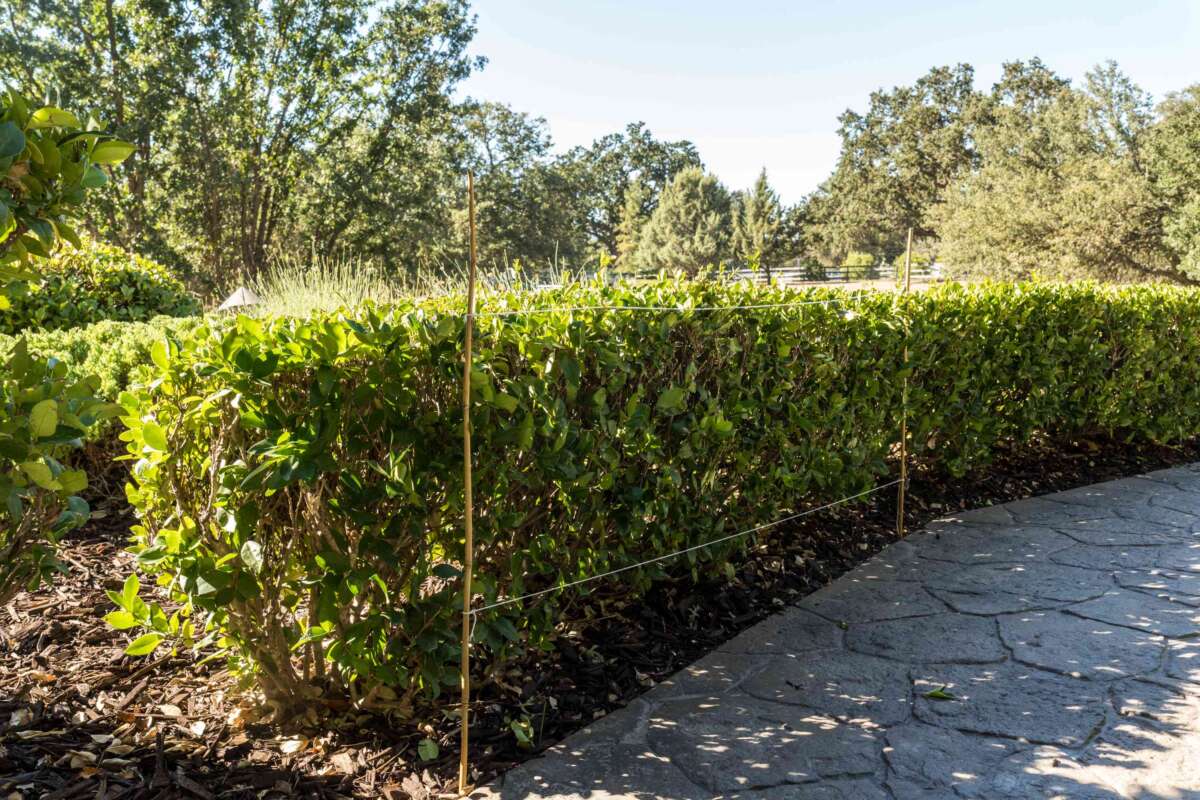
For formal hedges, keep the base slightly wider than the top. This shape allows sunlight to reach the lower branches. A hedge that is wider at the top may become thin and bare near the ground.
How to Trim Hedges Safely in the Fall
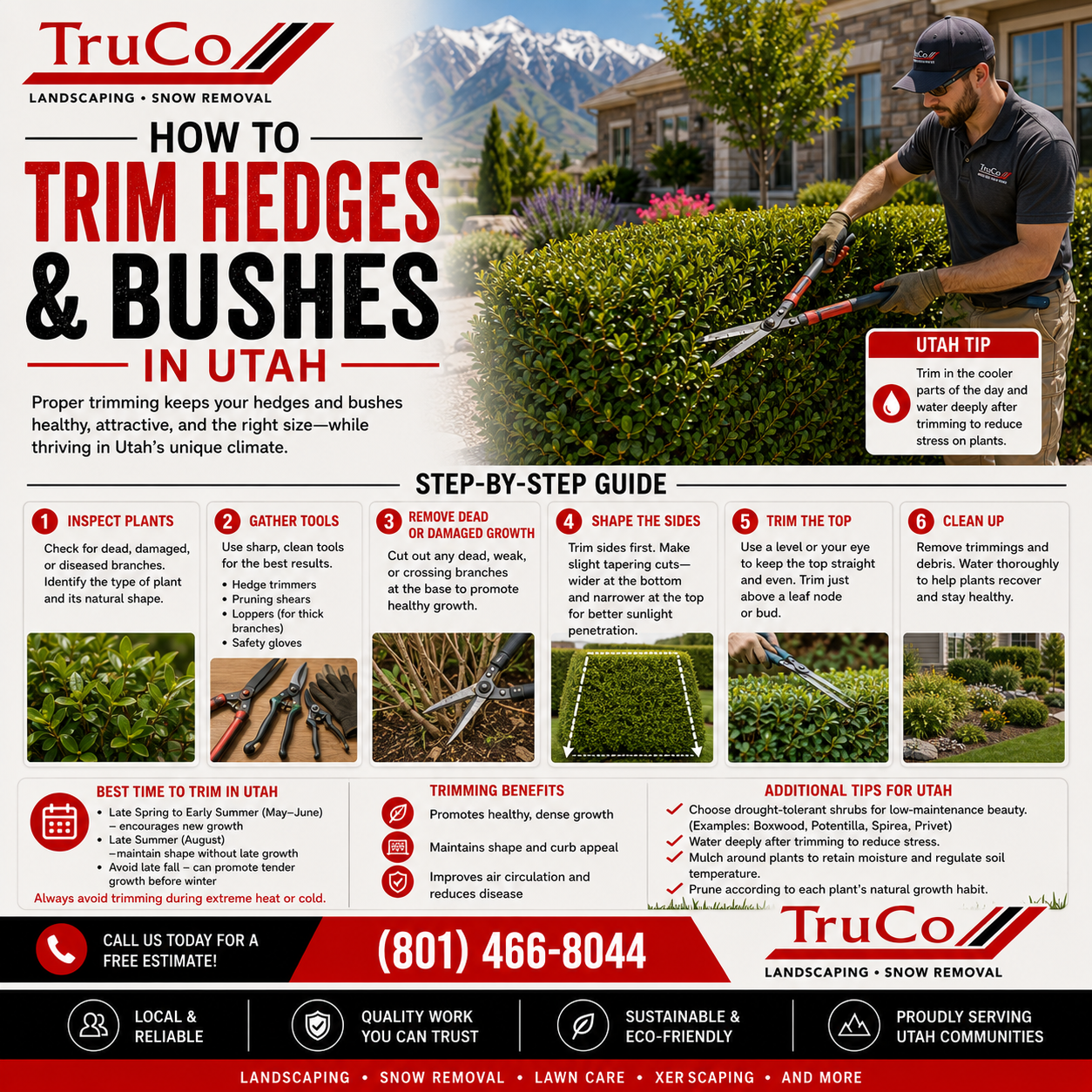
Good technique protects both you and the plant. Use sharp, clean tools and avoid rushing through the job.
Choose the right tools
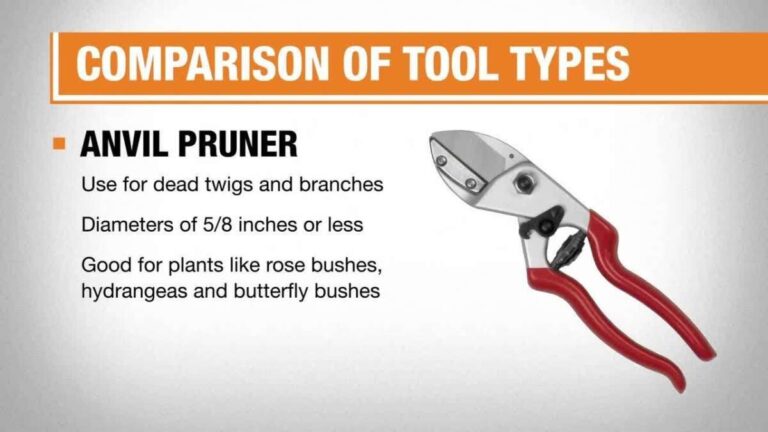
Use hand pruners for small branches, loppers for medium branches, and hedge shears or a powered trimmer for thin, uniform growth.
Before starting:
• Sharpen dull blades
• Disinfect tools after cutting diseased wood
• Check electric cords and batteries
• Wear eye protection and sturdy gloves
• Use hearing protection with loud power tools
• Keep both feet on stable ground
• Avoid cutting near hidden wires or utility lines
A dull blade crushes stems instead of making clean cuts. Crushed tissue heals slowly and creates an easier entry point for disease.
Use clean pruning cuts
Cut just outside the branch collar. The branch collar is the slightly swollen area where a branch joins a larger stem. Do not leave long stubs, but do not cut flush against the trunk or main branch.
For small shoots, angle the cut slightly so rain does not sit on the wound. Avoid applying pruning paint to normal cuts. Most healthy shrubs seal wounds naturally.
Trim in sections
Do not shape the whole hedge from one position. Work in short sections and step back often. This prevents deep dips, uneven tops, and accidental overcutting.
For power trimmers, move slowly and let the blades do the work. Forcing the tool can tear foliage and leave a ragged surface.

When Should You Avoid Fall Hedge Trimming?
Sometimes the safest answer to “can i trim hedges in the fall” is to wait. Avoid major pruning in these situations:
• A hard freeze is expected within the next few days
• The hedge is drought-stressed or badly wilted
• The soil is waterlogged
• The plant has active disease or widespread dieback
• The hedge is flowering or holding next year’s flower buds
• Birds are nesting in the branches
• The plant was recently transplanted
• You need to remove more than one-third of the hedge
Avoid trimming wet foliage when possible. Wet conditions make tools harder to control and can spread some plant diseases from one cut to another.
You should also avoid shearing a hedge simply because it looks slightly untidy. Many natural-form shrubs are healthier when allowed to keep their normal shape.
Local wildlife rules may also matter. Before removing a large section of hedge, check for active nests or animals using the cover. Waiting a short time can protect wildlife and prevent needless disturbance.
Common Fall Hedge-Trimming Mistakes
Even experienced gardeners can make mistakes when fall weather changes quickly. These are the errors I see most often.
Cutting too late
Late-season pruning can trigger new shoots. Those shoots may not harden before frost and can turn brown or die back.
Shearing every hedge
Shearing works well for formal, small-leaved hedges. It is less suitable for loose flowering shrubs. Repeated shearing can create a thick outer shell with weak, shaded growth inside.
Cutting into bare evergreen wood
Yew may regrow from older wood, but many other evergreens will not. If you cut beyond the green foliage, you may leave permanent holes.
Removing too much at once
Severe pruning stresses the plant and can expose inner branches to sun, wind, and cold. If a hedge is badly overgrown, reduce it over several seasons or consult a certified arborist.
Ignoring the hedge base
A level top does not guarantee a healthy hedge. Keep the lower part wider than the upper part so light reaches the base.