How To Fix Yellow Leaves On Plants Naturally: Easy Fixes
Check water, light, and nutrients; adjust using natural soil, compost, and care.
If yellow leaves are stressing you out, you are not alone. I’ve helped hundreds of plant parents fix this fast. In this guide, I’ll show you how to fix yellow leaves on plants naturally with proven steps you can trust. You’ll learn how to diagnose the cause, apply gentle fixes, and prevent it for good.
What Yellow Leaves Are Telling You
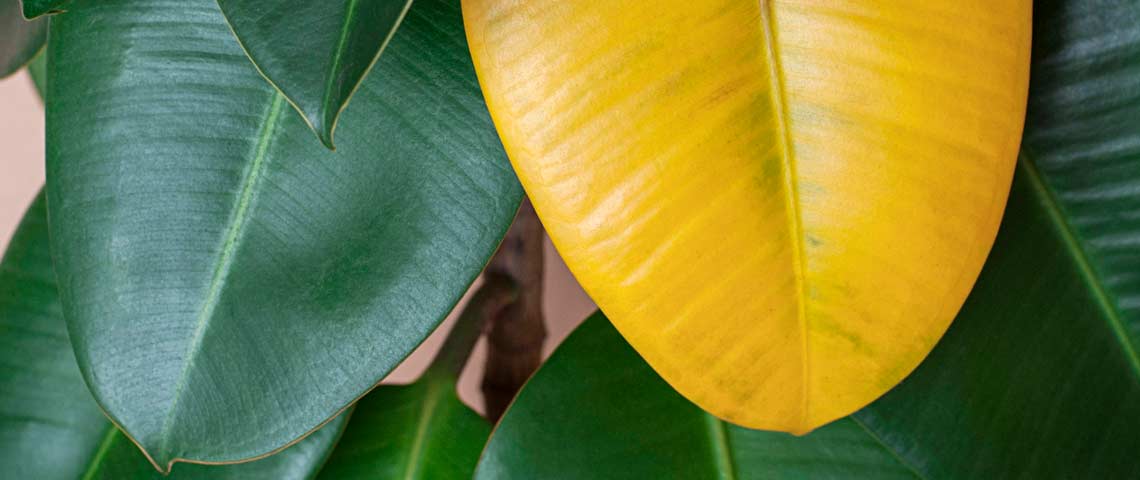
Yellow leaves are a symptom, not a verdict. They point to stress. That stress can come from water, light, food, pests, or roots. The trick is to read the signs and act with care.
Overwatering is the most common cause. Saturated soil blocks air in the root zone. Roots suffocate and cannot move nutrients. Underwatering causes the opposite issue. The plant shuts down to save water, and the oldest leaves turn yellow first.
Light also matters. Too little light reduces energy, so leaves fade and drop. Too much sun can bleach and scorch leaves. Temperature swings and dry air can stress plants as well.
Nutrients play a key role. Low nitrogen can cause even yellowing on older leaves. Iron or magnesium issues cause yellowing between veins. Soil pH can lock nutrients away. Pests and disease add a layer of damage. You can still learn how to fix yellow leaves on plants naturally by fixing the root cause, not just the leaf.

Step-by-Step Diagnosis At Home
Start simple. A clear plan saves time and plants.
-
Check soil moisture
Press a finger one inch into the soil. If it is wet, wait to water. If it is dry, water slowly until it drains. -
Look at the roots
For potted plants, slip the plant out of the pot. Healthy roots are white to tan. Brown, mushy roots mean rot. Tight, circling roots mean it is root bound. -
Inspect light and heat
Note how many hours of light the plant gets. Check for hot drafts or cold nights. -
Scan for pests
Use a magnifier. Look under leaves and along stems. Sticky residue, webbing, or tiny dots mean trouble. -
Review your feeding
Ask when you last fed and what you used. Think about the soil pH if you have a meter or test strip. This will help you learn how to fix yellow leaves on plants naturally without guesswork.
Keep notes. It helps you spot patterns and avoid repeat errors.
Natural Fixes You Can Apply Today
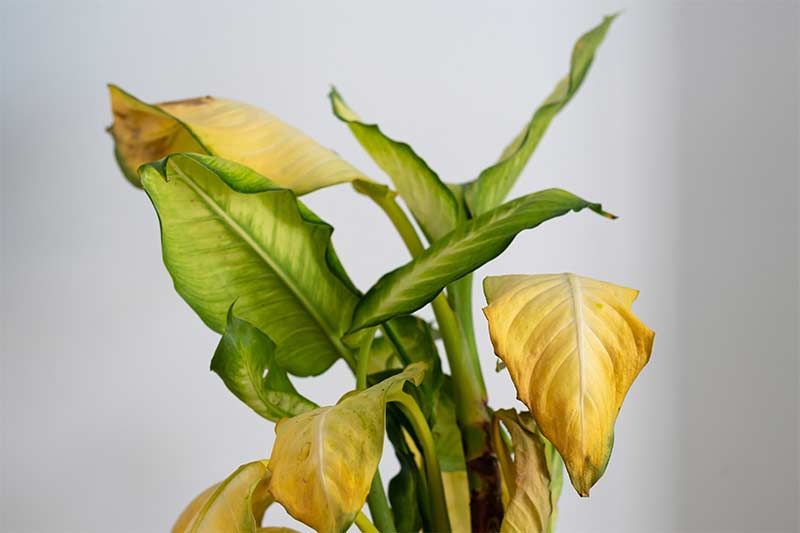
You can solve most cases with gentle, natural steps. Use the fix that matches your cause. This is the heart of how to fix yellow leaves on plants naturally.
Reset watering the right way
Water from the top until you see runoff. Let extra water drain out. For chronic overwatering, wait until the top inch is dry next time. Use a moisture meter if you are unsure.
Improve drainage and soil
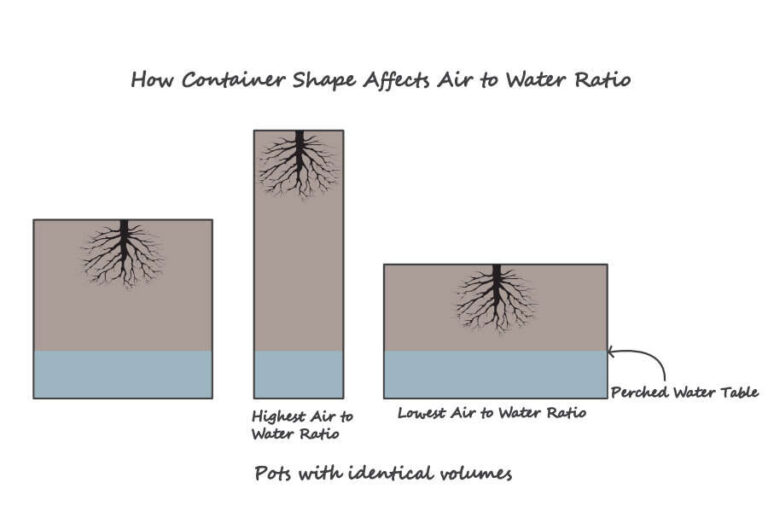
Use a fresh, well draining mix that suits the plant. Add perlite, pumice, or orchid bark to loosen soil. Make sure pots have holes. A breathable pot, like terracotta, helps roots get air.
Balance light
Low light plants still need bright, indirect light. Move them closer to a window or add a small grow light. If sun is harsh, use a sheer curtain. Rotate the pot weekly to keep growth even.
Feed the soil, not just the plant
Choose slow, natural sources. Compost and worm castings add life and trace minerals. Kelp or fish emulsion gives a gentle boost. For yellowing between veins, use an organic iron product or add worm castings and compost. For magnesium issues, try a light dose of Epsom salt, but only if you confirm the need. Do not overuse any single input.
Mind the pH
Most houseplants like a slightly acidic to neutral soil. If pH is high, iron can get locked out. Add peat-free compost, pine bark fines, or a light dose of elemental sulfur for acid lovers. Test again in a few weeks.
Fix root problems
If roots are brown and soft, trim damaged parts with clean scissors. Repot in a clean pot with fresh mix. For root bound plants, tease the roots loose and size up one pot.
Tackle pests the gentle way
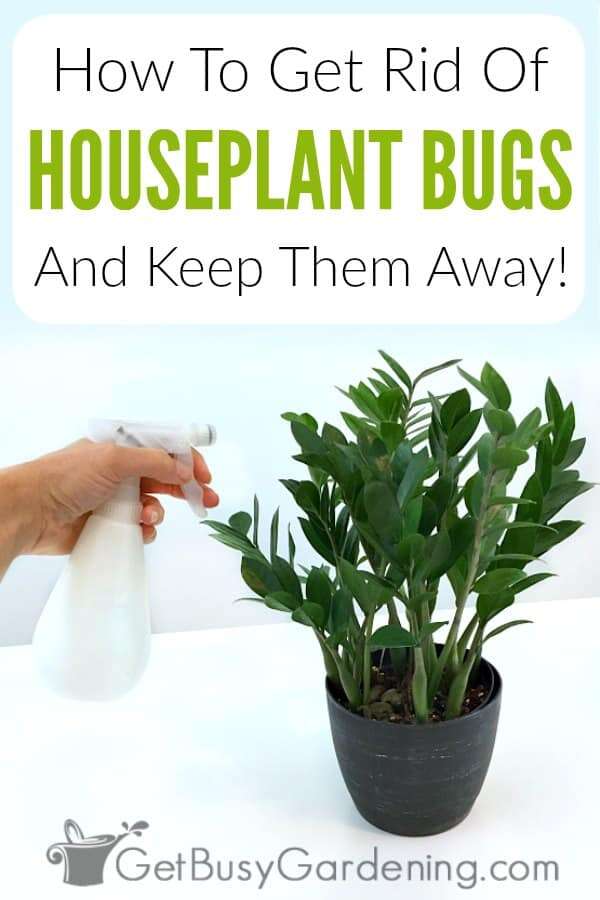
Use insecticidal soap or neem oil on soft pests like aphids and mites. Repeat every 7 days until clear. Wipe leaves with a damp cloth. Isolate the plant until you see no new signs. This is a clean way for how to fix yellow leaves on plants naturally when bugs are the cause.
Boost humidity and reduce stress
Group plants. Use a pebble tray or a small humidifier. Keep temps stable. Avoid cold nights and hot vents.
Flush salts
If you use tap water or fertilizers, salts can build up. Once a month, run water through the soil for a few minutes. Let it drain well.
Prune wisely
Remove only leaves that are 50% yellow or more. This lets the plant focus energy on new growth.
Small, steady changes work best. Watch your plant for two to four weeks for signs of green, new growth.

Nutrient Deficiency Cheat Sheet (Natural Sources)
Some yellowing patterns point to specific needs. Here is a simple guide to help you learn how to fix yellow leaves on plants naturally without harsh chemicals.
If older leaves yellow evenly
Likely low nitrogen.
Try compost, worm castings, or a gentle fish-based feed.
If veins stay green but spaces turn yellow (new leaves)
Likely iron lockout or low iron.
Check pH and use an organic iron product or add compost and castings.
If lower leaves yellow with green veins, edges curl
Likely magnesium stress.
Use a light Epsom salt solution once, only if needed.
If edges yellow and burn
Possible potassium issue or salt stress.
Improve drainage, flush soil, and use a balanced organic feed.
If patchy yellow with spots
Possible pests, fungus, or sun scorch.
Improve airflow, remove damaged leaves, and treat pests with soap or neem.
When in doubt, test soil and start with compost and better watering. That is a safe path for how to fix yellow leaves on plants naturally.

Prevention Plan: Keep Leaves Green All Year
Great care is a habit. Build simple routines that fit your life.
- Water on a rhythm, not a timer. Check soil first, then water.
- Feed light and often. Use compost, castings, and a mild liquid feed in the growing season.
- Map your light. Note bright windows and rotate plants each week.
- Clean leaves monthly. Dust blocks light.
- Check pests every Sunday. Catch them early to avoid big flare ups.
- Test pH and salts each season. A quick strip test guides smart moves.
- Repot every 12–24 months. Refresh soil and trim roots as needed.
- Quarantine new plants for two weeks. Keep your collection safe.
These steps lock in how to fix yellow leaves on plants naturally before they start. Healthy roots and steady care are your best tools.

Real-Life Fixes I’ve Used
My fiddle leaf fig turned yellow at the bottom after I moved it. The room had less light. I moved it near a bright window with a sheer curtain, added worm castings, and watered less. New leaves came in deep green in four weeks. That is how to fix yellow leaves on plants naturally with small tweaks.
A tomato in a fabric pot showed yellow leaves with green veins. I checked pH. It was high. I added compost and an organic iron product. New growth turned green fast.
A spider plant had tips browning and yellowing. I flushed the pot with rainwater and cut back on feed. I also trimmed a tight root ball. It bounced back in two weeks.
A gardenia had pale new leaves. I learned it wants acidic soil. I added pine bark fines and a light sulfur product. Buds held, and the leaves stayed green. This is another win for how to fix yellow leaves on plants naturally with pH care.
Frequently Asked Questions of how to fix yellow leaves on plants naturally
Why are my indoor plant leaves turning yellow all of a sudden?
It is often watering or light. Check soil moisture and move the plant to bright, indirect light before you change anything else.
Should I cut off yellow leaves?
Yes, if they are more than half yellow. Remove them to redirect energy to healthy growth and watch for new green leaves.
Can tap water cause yellow leaves?
It can in some areas due to salts or chlorine. Let water sit overnight or use filtered water to reduce stress.
How fast can I fix yellow leaves naturally?
Expect two to four weeks for visible change. New growth should be green when the root cause is fixed.
Is Epsom salt safe for yellow leaves?
Only if magnesium is low. Use a light dose and avoid repeat use unless a test or clear signs point to magnesium stress.
Will coffee grounds help with yellow leaves?
Not in raw form for pots. Use finished compost instead for a safe nutrient boost.
Can too much sun turn leaves yellow?
Yes. Bright, direct sun can bleach leaves. Use a sheer curtain and rotate the plant weekly.
Conclusion
Yellow leaves are a clue, not a crisis. When you match the fix to the cause, plants recover. Use gentle steps, feed the soil, and keep light and water in balance. This is the smart way for how to fix yellow leaves on plants naturally.
Pick one plant today and run through the quick checks. Make one change, then watch for new growth. Want more plant help? Subscribe for weekly tips, or drop a comment with your plant’s name and a photo. I’m here to help you grow with confidence.

Laura Bennett is a gardening writer at MyGardenLabs who creates beginner-friendly guides focused on solving common plant care and gardening problems.