Do You Cut Back Ponytail Grass: Best Pruning Guide
Yes—you can cut back ponytail grass, usually in late winter or early spring before fresh growth begins. For most U.S. gardens, trim Nassella tenuissima (formerly Stipa tenuissima, also called Mexican feather grass) to about 4 to 6 inches above the soil if the plant looks brown, tangled, or worn.
However, “ponytail grass” is sometimes confused with a ponytail palm. A ponytail palm is not a grass and should not be cut back in the same way. The care steps below focus first on ponytail grass.

What Is Ponytail Grass?
Ponytail grass is a fine-textured ornamental grass with thin, hair-like leaves and soft, flowing seed heads. In the United States, the name most often refers to Nassella tenuissima, which is also sold under its former botanical name, Stipa tenuissima.
The plant is also known as:
- Mexican feather grass
- Fine-leaved nassella
- Angel hair grass
- Needle grass
Ponytail grass is valued for its soft shape and movement in the wind. It often stays partly green in mild U.S. climates, while colder areas may see more winter browning.
The plant is not the same as a ponytail palm, Beaucarnea recurvata. That plant has a swollen trunk and long, strap-like leaves. Cutting a ponytail palm down to the soil can cause severe damage.
When Should You Cut Back Ponytail Grass?
The best time to cut back ponytail grass is late winter or early spring, just before new blades emerge.
This timing works well because the old foliage helps protect the crown—the central growing point at the base of the plant—through winter. Waiting until the end of winter also lets you enjoy the plant’s texture during the colder months.
Use this timing guide
| Plant condition | Recommended action |
|---|---|
| Brown and dormant after winter | Cut it back in late winter or early spring |
| Mostly green and healthy | Comb out dead blades instead of shearing |
| Broken or diseased stems | Remove damaged parts as soon as you see them |
| New green growth already emerging | Trim carefully around the new growth |
| Heavy seed production | Remove seed heads before they spread |
In warm parts of the southern United States, ponytail grass may keep growing through much of winter. In that case, a light cleanup may be better than a hard cut.
Avoid cutting the plant during hot, dry weather. Freshly cut grass can lose moisture quickly, and summer pruning may leave the crown exposed to heat.

How Far Back Should You Cut Ponytail Grass?
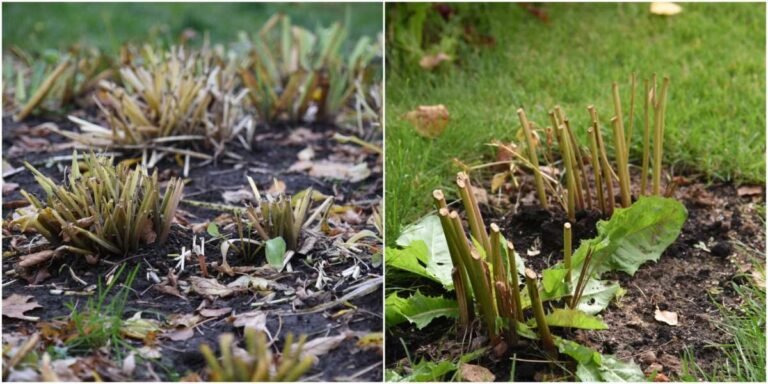
Cut ponytail grass to 4 to 6 inches above the ground when performing a full seasonal cleanup. This leaves enough stubble to help protect the crown while removing old, unattractive growth.
Do not cut all the way into the soil. A very low cut can injure the crown, especially if the plant is stressed by drought, cold, or poor drainage.
For a small plant, 4 inches may be enough. A large, well-established clump can be left closer to 6 inches if the lower stems are thick or difficult to cut.
The goal is not to make the plant perfectly flat. The goal is to remove old foliage while leaving the living base intact.
How to Cut Back Ponytail Grass
Follow these steps for a clean and low-risk pruning job.
1. Check the plant before cutting
Look closely at the base of the grass. New growth may appear as short green blades rising from the center of the clump.
If you see new green blades, mark their location. You can still remove old foliage, but avoid cutting directly across the new growth.
Also check for:
- Rot at the crown
- Soft or collapsing stems
- Mold
- Insect damage
- Broken sections
- Excess moisture around the base
If the center is soft and dark, the problem may be poor drainage rather than normal winter dormancy.
2. Choose the right tools
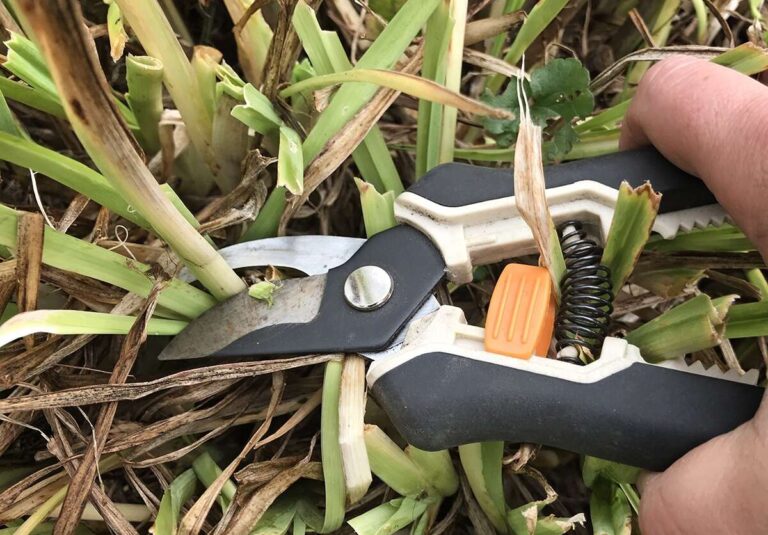
Use sharp tools that match the size of the plant:
- Hand pruners for a small clump
- Hedge shears for a medium clump
- Grass shears or electric trimmers for a large planting
- A rake or gloved hand for loose dead blades
Wear gloves and long sleeves. Fine grass blades can cut skin, and dry seed heads may irritate the eyes. Safety glasses are useful when using powered trimmers.
Clean the blades before and after pruning. A household disinfectant or rubbing alcohol can help reduce the chance of spreading plant disease between plants.
3. Tie the foliage together
Wrap a piece of twine around the grass several inches above the ground. This keeps loose blades together and makes cleanup easier.
For a large clump, use two ties: one near the middle and one higher up. Do not pull the tie so tight that it crushes the stems.
4. Make one clean cut
Cut the tied foliage to about 4 to 6 inches above the soil.
Use smooth, controlled cuts. Avoid tearing the stems or repeatedly sawing across the same area. Ragged cuts can leave damaged tissue and make the plant look uneven.
5. Remove the cut material
Lift away the cut foliage and rake out loose debris. Do not pile wet, diseased plant material around the crown.
If the plant had signs of rot or fungal disease, place the waste in the trash rather than adding it to home compost. Local rules may differ, so follow your municipality’s yard-waste guidance.
6. Water only if the soil is dry
Ponytail grass usually does not need heavy watering after pruning. Water only when the soil is dry and the plant is entering active growth.
Avoid soaking the crown. Ponytail grass prefers well-drained soil, and standing water can cause root or crown problems.

Should You Shear Ponytail Grass Every Year?
No. Annual shearing is not always necessary.
Cut ponytail grass back each year when the old foliage is clearly brown, flattened, or damaged. If the plant still looks full and attractive, remove only dead material by hand or with a rake.
In mild U.S. climates, ponytail grass may remain green enough that a full cut is unnecessary. A light cleanup can preserve more of the plant’s natural shape and reduce stress.
A useful rule is:
- Mostly brown: perform a full late-winter cut.
- Half green and half brown: remove the brown sections and leave healthy growth.
- Mostly green: comb out dead blades instead of shearing.
- Broken or diseased: remove affected parts promptly.
Ponytail grass has a fine texture, so a heavy cut can make the plant look sparse for a short time. New growth should gradually fill the clump during the growing season if the plant has adequate light, drainage, and moisture.
Can You Cut Ponytail Grass in the Fall?
You can remove damaged stems in fall, but it is usually better to leave healthy foliage until late winter.
The old blades provide winter structure and may help shield the crown from cold weather. They also give the garden visual interest when many other plants are dormant.
Fall pruning may make sense when:
- The grass is blocking a walkway
- The plant has diseased foliage
- Storm damage has broken the clump
- Dry stems create a fire concern in your area
- The planting must be cleared for a specific landscape design
If you prune in fall, leave at least 4 to 6 inches of stubble. Do not cut the crown itself.
In regions with dry winters or wildfire concerns, contact your local fire authority or county extension office for site-specific vegetation guidance. Fire recommendations depend on local climate, slope, spacing, and nearby structures.

What If Ponytail Grass Is Still Brown After Pruning?
Brown growth after winter does not always mean the plant is dead. Wait several weeks after pruning and look for new blades at the center of the clump.
Possible causes of continued browning include:
| Symptom | Possible cause | What to check |
|---|---|---|
| Brown tips but green centers | Winter damage or dry soil | Moisture and recent weather |
| Entire clump is brown | Dormancy, cold injury, or death | Scratch-test a stem and inspect the crown |
| Soft, dark center | Crown or root rot | Drainage and watering frequency |
| Thin, weak growth | Too much shade | Daily sunlight |
| Grass dies in patches | Root stress or physical damage | Soil moisture and nearby construction |
| New growth is absent in spring | Severe injury or dead plant | Crown firmness and root condition |
To check a stem, gently bend or scratch the outer surface. A living stem may show green tissue beneath the surface, while dead material is dry and brittle. This test is not perfect, so inspect several stems and the crown before removing the plant.
If the crown is firm and new growth is present, give the plant time. Do not keep cutting it lower in an attempt to force new growth.
Does Ponytail Grass Need Deadheading?
Deadheading is optional, but removing mature seed heads can improve the plant’s appearance and reduce unwanted spread.
Ponytail grass produces airy seed heads that can move beyond the original planting. In some U.S. regions, especially where Nassella tenuissima has naturalized, gardeners should take care to prevent seed from spreading into nearby natural areas.
Remove seed heads when they begin to dry but before they shed widely. Place the cut heads in a bag rather than shaking them over the garden.
Check guidance from your state’s invasive plant program or county extension office before planting or allowing this grass to spread. Recommendations can vary by region.
Ponytail Grass vs. Ponytail Palm: Which One Do You Have?
The correct pruning method depends on the plant’s identity.
| Feature | Ponytail grass | Ponytail palm |
|---|---|---|
| Botanical name | Nassella tenuissima | Beaucarnea recurvata |
| Plant type | Ornamental grass | Succulent-like tree |
| Main form | Low, flowing clump | Swollen trunk with a leaf crown |
| Normal pruning | Cut back old foliage in late winter | Remove only dead or damaged leaves |
| Hard cut to the ground | Sometimes suitable for grass | Not suitable |
| Common location | Outdoor beds and borders | Indoor containers or warm outdoor sites |
If the plant has a woody, swollen base, it is almost certainly a ponytail palm. Do not use grass-pruning instructions on it.
For a ponytail palm, cut away fully brown leaves near their base, but do not remove the growing tip at the center of the crown. Brown leaf tips can be trimmed for appearance, but the green portion of a leaf should remain whenever possible.
Common Mistakes When Cutting Ponytail Grass
Cutting too close to the soil
A very low cut can damage the crown. Leave 4 to 6 inches of growth above the soil.
Pruning during active summer heat
Summer cuts can expose the plant to heat and drought stress. Late winter or early spring is usually safer.
Cutting healthy green blades
Healthy leaves help the plant make energy. Remove dead or damaged foliage first.
Using dull tools
Dull blades crush stems and create ragged cuts. Sharpen or replace tools before pruning.
Ignoring poor drainage
Repeated browning may come from wet soil, not a lack of pruning. Check drainage before watering more often.
Leaving diseased debris in the bed
Diseased leaves can keep problems in the planting area. Remove suspicious debris and clean your tools.
Confusing the plant with a ponytail palm
This is the most serious identification mistake. A ponytail palm should not be cut down like ornamental grass.
Quick Takeaways
- Yes, ponytail grass can be cut back.
- Prune it in late winter or early spring.
- Cut brown foliage to about 4 to 6 inches above the soil.
- Comb out dead blades instead of cutting when the plant is still mostly green.
- Do not cut into the crown.
- Remove seed heads before they spread if needed.
- Confirm that the plant is grass—not a ponytail palm—before pruning.
Frequently Asked Questions
Does ponytail grass grow back after being cut?
Usually, healthy ponytail grass grows back from the crown after a proper late-winter cut. Growth may be slow if the plant is cold-stressed, too wet, too dry, or growing in heavy shade.
Can I cut ponytail grass with a lawn mower?
It is better to use hand pruners, grass shears, or a trimmer. A mower may cut unevenly, damage nearby plants, or cut too close to the crown.
Should I fertilize ponytail grass after cutting it?
Usually, no immediate fertilizer is needed. First confirm that the plant has suitable light, drainage, and moisture. If growth is weak, a soil test can help determine whether nutrients are actually lacking.
How often should ponytail grass be divided?
Divide it only when the clump becomes too large, crowded, or weak in the center. Division is best done during a mild period when the plant is beginning active growth. Repeated division is not needed for routine care.
Can ponytail grass survive winter in the United States?
It can survive winter in many U.S. landscapes, but results depend on the plant’s exact identity, local climate, drainage, and exposure. Cold, wet soil is often more damaging than a short dry cold spell.
Conclusion
For Nassella tenuissima, cutting back ponytail grass is a normal maintenance task—not a yearly requirement. Prune brown or damaged growth in late winter or early spring, leave 4 to 6 inches above the soil, and protect the central crown.
If the plant is still green, use a rake or gloved hand to remove dead blades instead of shearing the whole clump. Before making any cut, confirm that you have ponytail grass and not a ponytail palm.

Laura Bennett is a gardening writer at MyGardenLabs who creates beginner-friendly guides focused on solving common plant care and gardening problems.