How To Grow Vegetables With Minimal Watering: Pro Tips
Build rich soil, mulch deep, and water smart with drip only.
I’ve spent years testing what works in dry summers and tight water budgets. In this guide, I’ll show you how to grow vegetables with minimal watering using proven methods, simple tools, and habits that save time and money. You’ll see what to do, why it works, and how to copy it in your own yard.
:strip_icc()/watering-vegetable-garden-with-watering-can-f3304023a1704347a5f4fe3f9fe054b8.jpg)
Why less water can grow better vegetables
Plants waste less water when roots grow deep and soil holds moisture. That is the core of how to grow vegetables with minimal watering. When you focus on soil, mulch, and smart delivery, each drop goes further.
Research from land-grant extensions shows deep, rare watering builds stronger roots. Mulch cuts evaporation by up to half. Good soil stores water like a sponge and feeds microbes that help plants pull in moisture.
I learned this the hard way. I once watered little and often. My tomatoes sulked. When I switched to deep watering every 7 to 10 days with mulch, yields jumped and splits dropped.
Plan your site and beds for low-water success
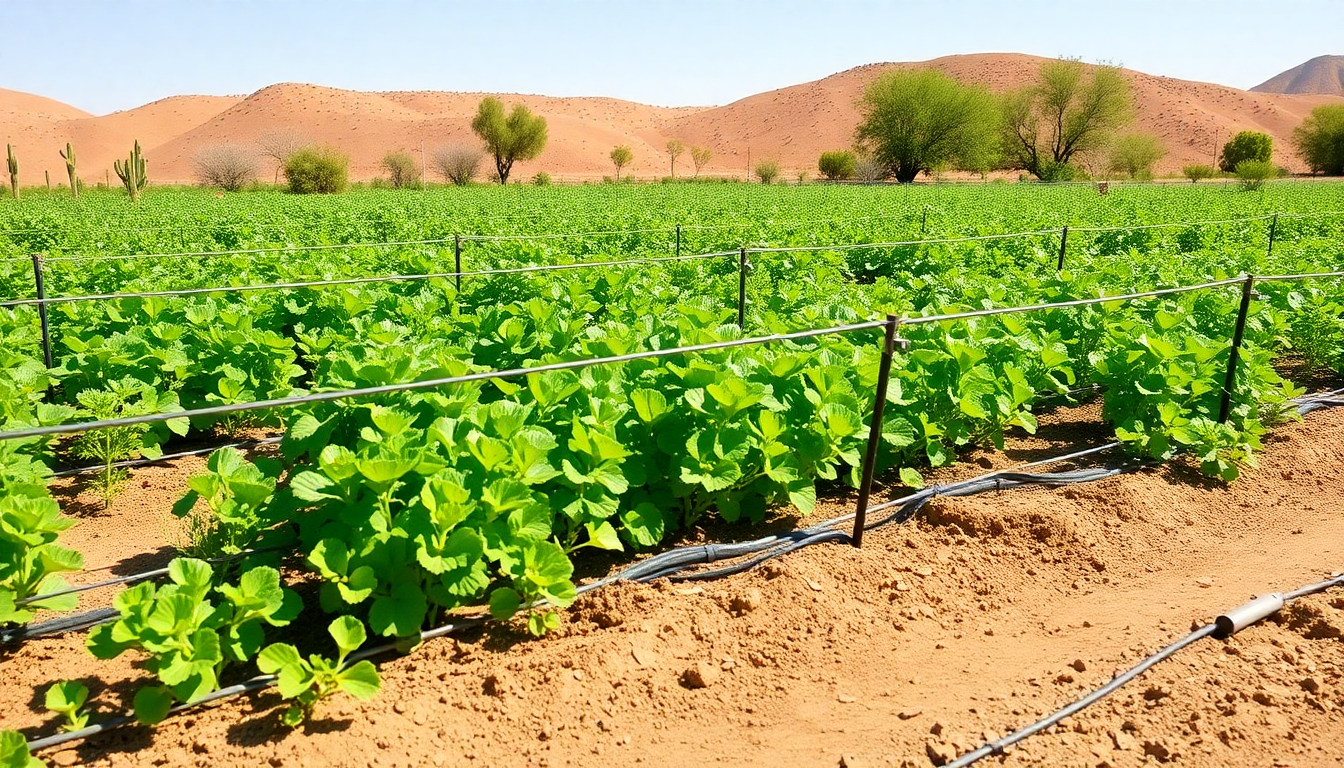
Good layout is step one in how to grow vegetables with minimal watering. Place beds where they get morning sun and afternoon shade if summers run hot. Block wind with hedges or a fence to slow evaporation.
Keep beds narrow so you can water only the root zone. In-ground beds hold water longer than tall raised beds, especially in hot, dry zones. If you use raised beds, go wide and deep and add lots of organic matter.
Plant in blocks, not single rows, so leaves form a living shade over soil. This mild shade lowers soil heat and slows water loss.

Build soil that holds water
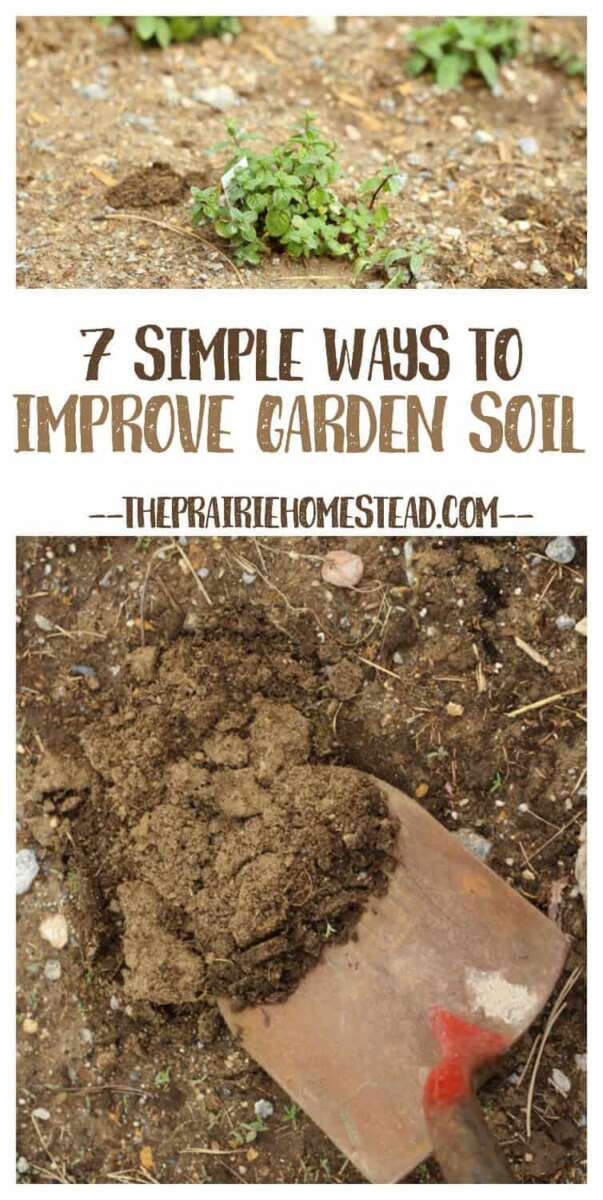
Rich soil is your water bank. It is the heart of how to grow vegetables with minimal watering. Aim for 5 to 10 percent organic matter if your native soil is poor. Compost, leaf mold, and aged manure all help.
Mix 1 to 2 inches of compost into the top 6 to 8 inches before planting each season. Add worm castings for quick biology. In sandy soil, a bit of biochar pre-charged with compost tea can boost water holding.
University trials show each 1 percent rise in organic matter can raise water storage in a big way. In my beds, moving from hard clay to crumbly loam cut my summer watering by a third.
Mulch like it matters
Mulch is simple and powerful. It is a must if you care about how to grow vegetables with minimal watering. It blocks sun, cools soil, and stops crusting after rain or drip.
Use 3 to 4 inches of clean straw, shredded leaves, or arborist chips around crops. Keep mulch a few inches off stems to prevent rot. Top up midseason as it settles.
Living mulches also work. Try low clover between rows or under tall plants like corn and tomatoes. Trim it when needed to limit water use and keep paths neat.

Smart irrigation that sips, not soaks
Drip lines or soaker hoses feed water right to roots. This is the backbone of how to grow vegetables with minimal watering. Add a pressure regulator and a timer to avoid waste.
Water early morning to cut loss to heat and wind. In most soils, deep water every 6 to 10 days. Run long enough to wet the root zone to 8 to 12 inches. Check with a trowel or soil probe, not guesswork.
Try deficit irrigation on hardy crops like tomatoes and peppers once fruits set. Slight stress can boost flavor without hurting yield. Use greywater only if local rules allow and never on edible leaves.
Choose crops and varieties that thrive on less water
Picking the right plants is key to how to grow vegetables with minimal watering. Some veggies handle heat and dry spells better than others.
Great low-water choices:
- Okra loves heat and keeps producing.
- Cowpeas and yardlong beans handle drought and fix nitrogen.
- Cherry tomatoes, paste tomatoes, and many heirlooms do well with deep, rare watering.
- Peppers, eggplant, and tomatillos are steady with mulch and drip.
- Winter squash, melons, and sweet potatoes spread, shade soil, and sip water.
- Chard, kale, and collards handle stress better than lettuce.
- Herbs like rosemary, thyme, sage, and oregano need little once established.
- Root crops like carrots and beets do fine with even but modest moisture.
Look for words like “dry-farmed,” “heat tolerant,” or “Mediterranean” on seed packets. Give plants honest spacing so leaves meet but air still flows.

Microclimate hacks that save water
Microclimate work is a fast lever in how to grow vegetables with minimal watering. Use 30 to 40 percent shade cloth in heat waves for tender greens. It can drop leaf temps by 10 degrees.
Plant tall crops on the west side to cast afternoon shade. Use light-colored mulches to reflect heat in very hot zones. Create windbreaks with sunflowers or trellised beans.
Time your planting to your weather. Spring greens before heat. Heat lovers after nights warm. This cuts stress and water use.

Containers, wicking beds, and ollas
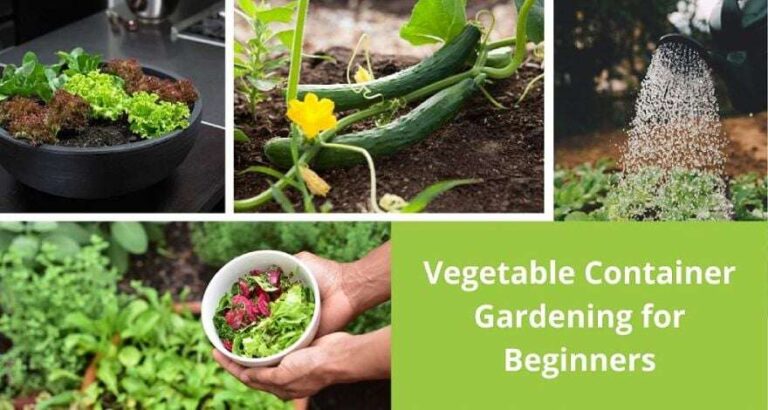
You can still learn how to grow vegetables with minimal watering in pots. Choose large, light-colored containers with plenty of organic mix. Add mulch on top. Group pots so they shade each other.
Wicking beds hold water in a bottom reservoir. Roots sip as needed. They cut watering by half in my summer tests. Buried clay pots, or ollas, release water slowly to nearby roots. They shine in herb and pepper beds.
Avoid black, thin plastic pots in full sun. They overheat and waste water. Fabric pots breathe well but dry fast, so use them with wicking trays.

Capture rain and keep it on site
Rain is free. Use it well, and you crack the code on how to grow vegetables with minimal watering. Add rain barrels or a cistern to roof downspouts. A fine mesh keeps out bugs. Use a simple filter before your drip system.
Shape soil on contour to slow and sink water. Swales, basins, and small berms hold rain in place. In dry climates, plant into shallow basins so every drop hits the root zone.
Where legal, connect overflow to a mulched tree basin. You feed soil life and store cool moisture underground.
Low-water maintenance that multiplies results
Daily habits decide how to grow vegetables with minimal watering. Weed early and often. Weeds steal moisture fast. Trim lower tomato leaves and trellis vines to boost airflow and reduce leaf scorch.
Pinch flowers on young plants for two weeks so roots get strong first. Remove cracked fruits that leak moisture and attract pests. Watch for curling leaves at noon. If they perk up by evening, you are still in the safe zone.
Feed lightly with compost tea or fish emulsion when plants push blooms. Healthy plants use water more efficiently.
A practical watering plan you can copy
Here is how to grow vegetables with minimal watering on a weekly rhythm. It is a simple plan you can tweak to your soil and weather.
Weekly plan in season:
- Early morning check with a trowel. If soil is moist below 2 inches, wait.
- If dry, run drip 60 to 120 minutes to reach 8 to 12 inches deep.
- Spot-water new transplants with a watering can at the base only.
- Inspect mulch depth. Keep it at 3 to 4 inches.
Season plan:
- Spring: Build beds, add compost, set drip, mulch right after planting.
- Early summer: Shift to deep, rare watering. Add shade cloth in heat waves.
- Late summer: Harvest often. Start fall crops under light shade.
- Fall: Plant cover crops. Top beds with leaves to store winter moisture.
Common mistakes to avoid
Avoid these traps as you learn how to grow vegetables with minimal watering. I made most of them early on.
- Watering shallow and often. Roots stay near the surface and dry fast.
- Skipping mulch. Soil bakes, and you lose water to sun and wind.
- Planting too tight. Poor airflow and high stress raise water needs.
- Using overhead sprinklers at noon. You lose a lot to evaporation.
- Ignoring soil type. Sand needs more organic matter and longer runs.
Measure, test, and adapt
Data helps you perfect how to grow vegetables with minimal watering. Use a simple soil moisture meter or the finger test. Dig a small hole and feel the soil at depth.