How To Garden With Limited Sunlight: Pro Tips 2026
Use shade-tolerant plants, reflect light, optimize containers, and track hours.
If you want to learn how to garden with limited sunlight, you’re in the right place. I’ve helped city dwellers, balcony growers, and backyard beginners turn dim corners into lush pockets of green. In this guide, I’ll show you how to garden with limited sunlight with clear steps, proven plant lists, and simple tools. You’ll get expert tips, no fluff, and real results you can see this season.

Understand Your Light: What “Limited Sunlight” Really Means
Many gardens get less than six hours of direct sun. That is okay. Plants see light as a mix of time and strength. Your job is to match plants to what you have.
Track your sun. Check the same spot every hour on a clear day. Note when direct rays hit and when shade returns. Do this for one week to spot patterns from trees or buildings. This is a key step in how to garden with limited sunlight.
Know the shade levels:
- Full shade: No direct sun. Bright sky light only.
- Deep shade: Little sky light. Under decks or dense trees.
- Partial shade: Two to four hours of direct sun. Often morning sun.
- Dappled shade: Light moves through leaves. Shifts over the day.
Simple tools help. A light meter app can show lux or foot-candles. You do not need exact numbers to start. Just learn which spots are brightest and which are dim. That one habit anchors how to garden with limited sunlight.
:strip_icc()/heuchera-midnight-bayou-2af3c0c3-d7f31fd6147449d384e2f35f6ee72718.jpg)
Smart Design Moves for Low-Light Spaces
Design can boost weak light. Aim to catch, reflect, and spread it. Then keep plants within that improved zone.
Use bright, light-reflective surfaces. Place white pots, pale gravel, or a mirror panel where sun lands. Bounce light onto shade beds. This lift is small but real. It stacks up over time and supports how to garden with limited sunlight.
Raise plants. Use stands or shelves to catch higher angles of sun. Edge tall plants to the back so they do not cast extra shade. Place shade lovers up front.
Think flow. Curved beds and narrow paths help light slip in from the sides. Group plants by light need. Keep thirst and soil needs similar to cut care time. These simple tweaks make how to garden with limited sunlight far easier.

Best Ornamentals for Shade and Dappled Light
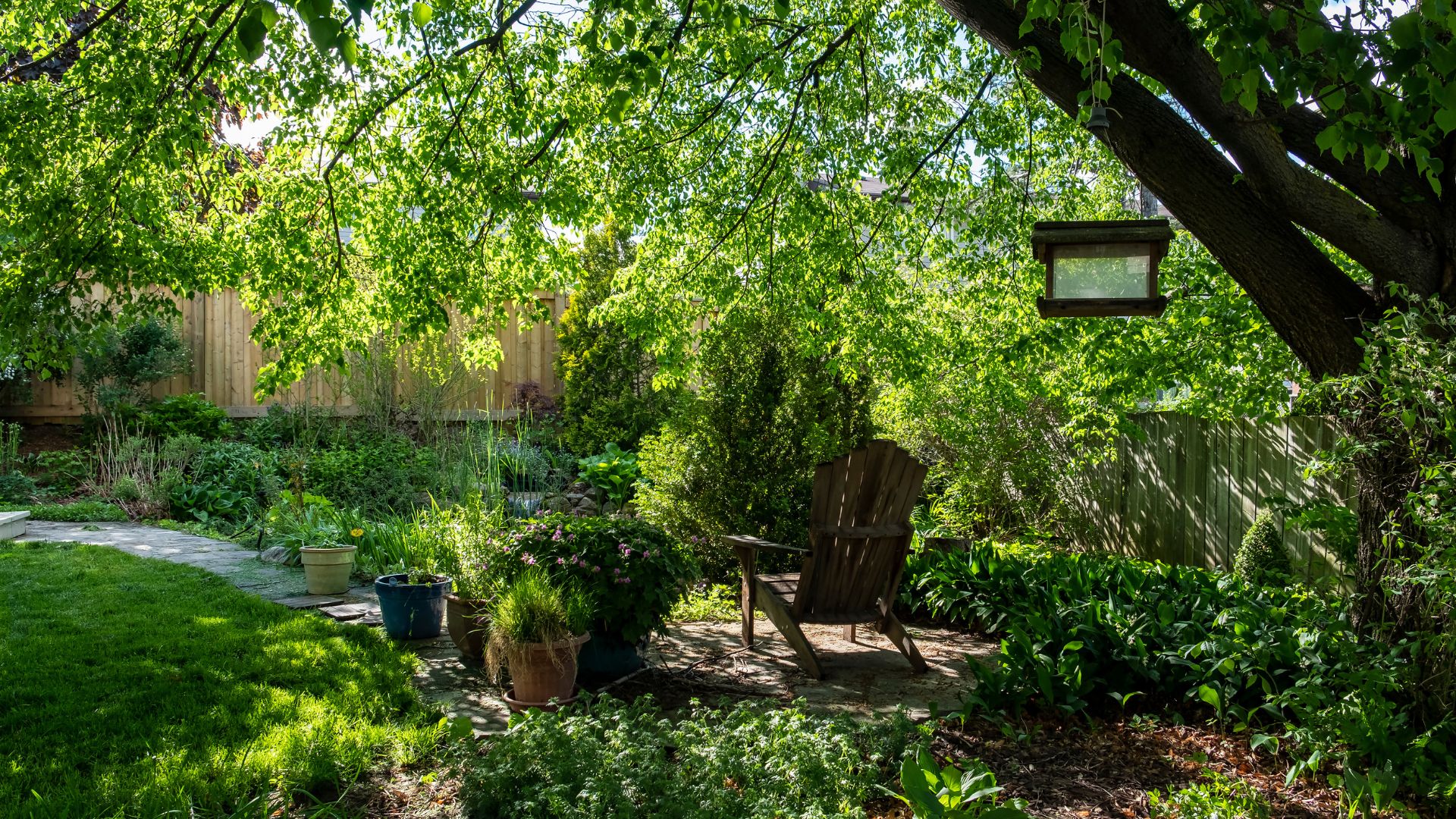
Some plants love soft light. Their leaves stay lush and rich in color. Flowers may be fewer, but texture steals the show.
Top picks for full to partial shade:
- Hostas: Bold leaves in green, blue, or variegated tones.
- Heuchera: Jewel-toned foliage. Good in pots and borders.
- Ferns: From maidenhair to autumn fern. Great in moist, rich soil.
- Hellebores: Early bloomers with long-lasting flowers.
- Astilbe: Feathery plumes. Likes constant moisture.
- Lungwort and brunnera: Silver-splashed leaves that brighten beds.
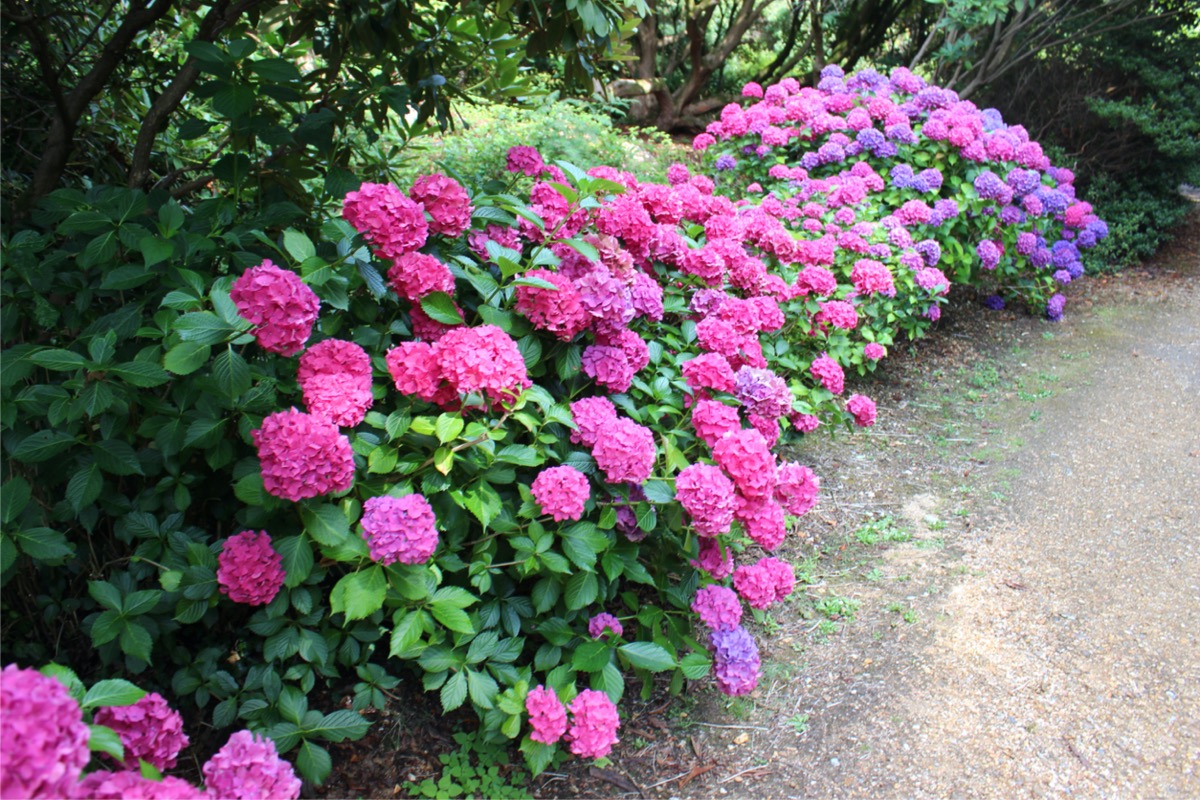
- Impatiens and begonias: Reliable color in light shade.
Use contrast. Pair large leaves with fine fronds. Mix matte and glossy textures. Layer heights. This planting style is a core move in how to garden with limited sunlight.
Grow Food in Shade: Herbs and Veg That Thrive
Edible gardening can work with low light. Focus on leaves, not fruit. Leaf crops need less energy than tomatoes or peppers.
Shade-tolerant edibles:
- Leafy greens: Lettuce, arugula, spinach, kale, mustard, and chard.
- Herbs: Mint, parsley, cilantro, chives, lemon balm, and oregano.
- Roots: Radishes and baby beets for greens and small bulbs.
- Brassicas: Broccoli rabe and Asian greens like tatsoi and mizuna.
Aim for morning sun if you can. Two to four hours helps. Grow in rich soil with steady water. Harvest small and often. Fast harvest is part of how to garden with limited sunlight because it keeps plants tender and productive.
Research shows leafy crops tolerate lower light well. Fruiting crops want six to eight hours. Save those for your brightest spots or plan to add lights. That choice is central to how to garden with limited sunlight without wasted effort.
:strip_icc()/peace-lily-spathiphyllum-wallisii-domino-bd41865a1-252ea4c0b35b43d19a41435b16a9cd01.jpg)
Containers, Indoors, and Reflectors
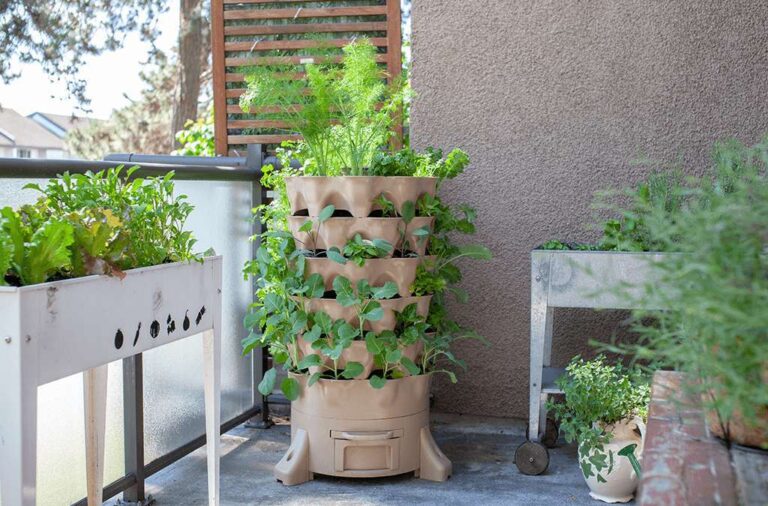
Containers give control. You can shift pots with the seasons and chase moving sun. That simple act is a cheat code for how to garden with limited sunlight.
Container tips:
- Choose light pots to move with ease.
- Use a high-quality potting mix. It drains well but holds some moisture.
- Place wheeled caddies under heavy containers.
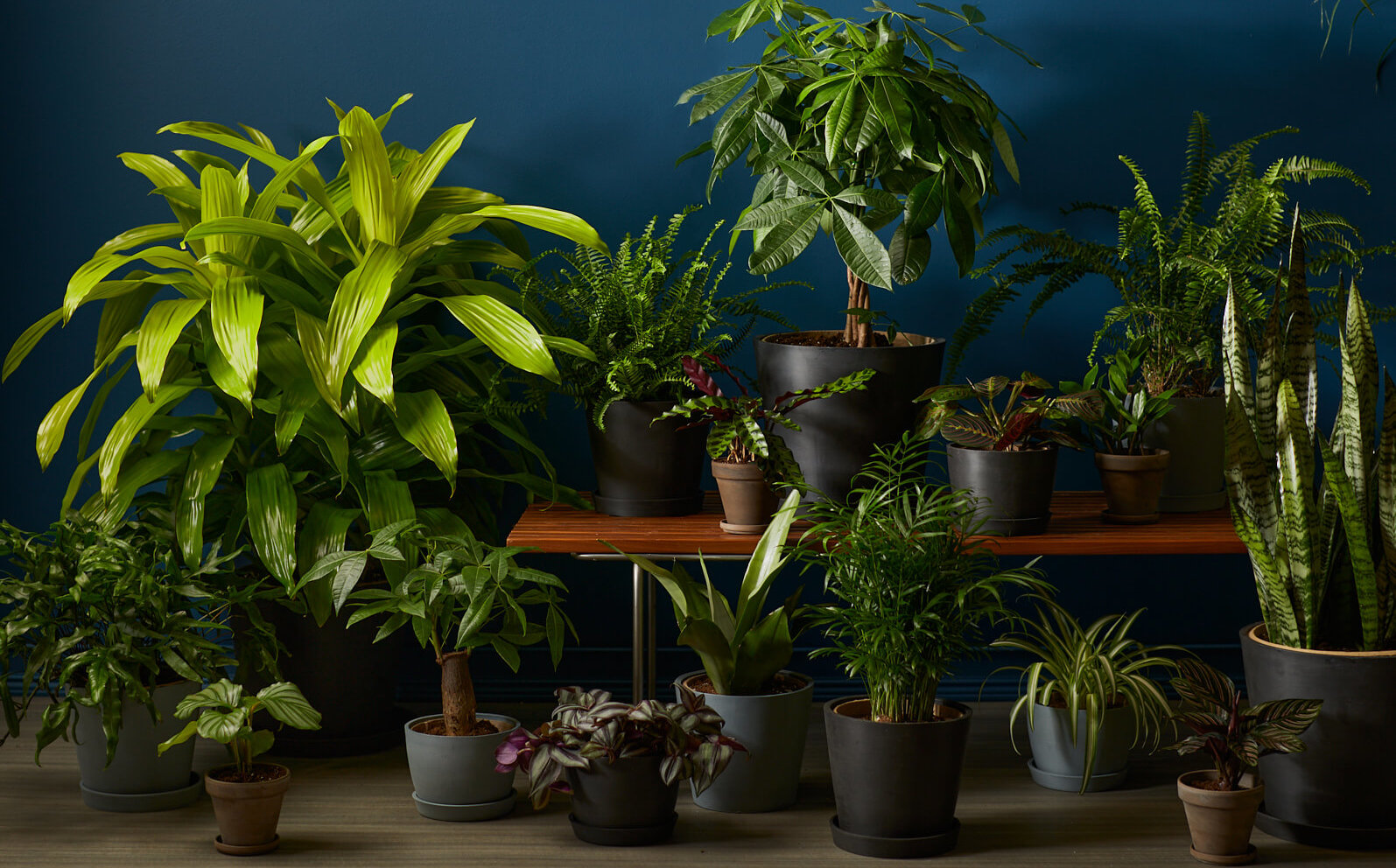
Indoors, use bright windows and clean glass. For an extra boost, add LED grow lights. Cool-running LEDs are energy smart. Keep lights 6 to 12 inches above plants. Run them 12 to 16 hours a day for leafy greens. This method expands how to garden with limited sunlight in any home.
Reflectors work indoors too. A sheet of white foam board can add a gentle lift. I’ve used clip lights and a timer to turn a dim shelf into a steady herb bar.
Soil, Water, and Fertility in Low Light
Shade slows growth. Roots drink slower and use less food. That means you must adjust care. This is where many people struggle with how to garden with limited sunlight.
Water less often but with purpose. Check soil with a finger test. If the top inch is dry, water. If it is damp, wait. Overwatering in shade leads to rot and fungus.
Feed light. Use a balanced, slow-release fertilizer at half rate. In containers, use a mild liquid feed every two to four weeks in the growing season. Add compost to boost structure and microbes. Healthy soil is the engine behind how to garden with limited sunlight.
Mulch matters. A thin layer keeps soil cool and steady. Avoid piling mulch onto stems or crowns.
Pests, Disease, and Maintenance in Shade
Shade can be humid. That invites slugs, snails, and mildew. A clean routine helps. This is a vital part of how to garden with limited sunlight.
Simple controls:
- Space plants to improve air flow.
- Water early so leaves dry by night.
- Hand-pick slugs or use iron phosphate baits as needed.
- Prune damaged leaves to reduce disease spread.
Scout weekly. Flip leaves. Look for sticky residue or webbing. Early action beats big fixes. Studies show good spacing cuts disease risk. This habit supports how to garden with limited sunlight with fewer losses.

Seasonal Tactics and Microclimates
Light shifts with the seasons. Trees leaf out and cast deeper shade in summer. In fall and winter, bare branches let more light in. Plan for this dance if you want to master how to garden with limited sunlight.
Use microclimates. A pale wall reflects light and holds warmth. A spot near water may be cooler and more humid. Test and learn. Move pots as angles change. Plant spring bulbs under deciduous trees. They bloom before shade returns.
On balconies, wind can dry pots fast. Use a moisture meter or self-watering planters. Small systems like these help you handle how to garden with limited sunlight with less stress.
:max_bytes(150000):strip_icc()/vegetables-thrive-in-shade-lead2-getty-0723-887d71d001a84e62b74c6b3b98db4f2f.jpg)
Common Mistakes and Easy Fixes
I’ve made most of these mistakes. Learn from my trials so you can nail how to garden with limited sunlight.
Common slips:
- Picking sun-only plants for deep shade. Fix by choosing known shade lovers.
- Overwatering. Fix by using well-draining mix and watering by touch.
- Starving the soil. Fix with compost and gentle, regular feeding.
- Ignoring light shifts. Fix by tracking light each season and moving containers.
- Crowding plants. Fix by giving space for air and light to reach leaves.
One more tip: start small. Win a few beds or containers. Scale up as you learn how to garden with limited sunlight in your unique space.
Frequently Asked Questions of how to garden with limited sunlight
How many hours of sun do I need to grow herbs?
Most soft herbs grow with two to four hours of sun. Mint and parsley do well in even less if the site is bright.
Can I grow tomatoes in shade?
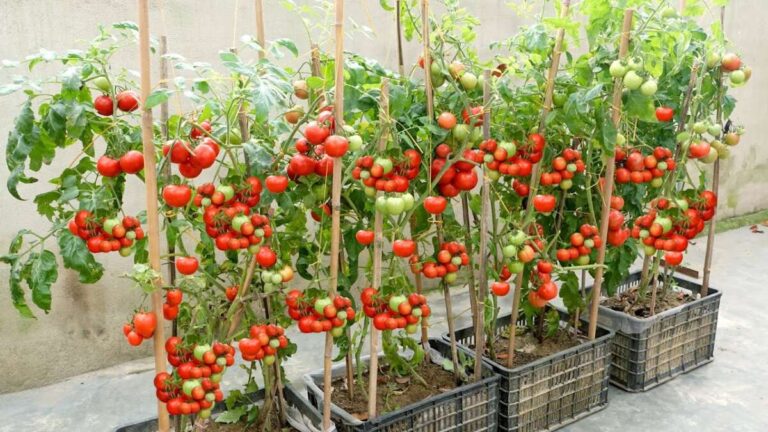
Tomatoes need six to eight hours of direct sun. In low light, choose cherry types and consider LED grow lights.
What grow lights work best for leaves?
Full-spectrum LED lights are ideal. Keep them close to plants and run 12 to 16 hours daily.
How often should I water shade plants in containers?
Check soil first. Water when the top inch is dry, which may be every few days in summer and weekly in cooler months.
Will reflective surfaces really help?
Yes, they add a small but steady boost. White walls, light mulch, and mirrors can bounce light to shaded leaves.
Conclusion
You can thrive with low light when you match plants to place, boost light with simple tricks, and tune care to slower growth. Track your sun, choose shade-suitable plants, and build healthy soil. That is the heart of how to garden with limited sunlight.
Pick one bed or a few pots and start this week. Keep notes, adjust, and enjoy the steady wins. If this guide helped, subscribe for more tips, ask a question, or share your own results so we can grow better together.

Laura Bennett is a gardening writer at MyGardenLabs who creates beginner-friendly guides focused on solving common plant care and gardening problems.