How To Bonsai A Tree: Beginners Step-By-Step Guide
Bonsai a tree by pruning roots and branches, training its shape, and giving steady care.
I’ve taught beginners and grown trees for years, so I know how to bonsai a tree well. This guide walks you through clear steps, tools, and timing. You’ll learn practical tips, common mistakes to avoid, and hands-on tricks that work. Read on and you’ll feel confident starting your first bonsai or improving an existing one.
:strip_icc()/conifer-bonsai-5b4a29c9-363681044cd84f8c927adf91f21ed9b2.jpg)
Bonsai basics: what bonsai is and why it matters
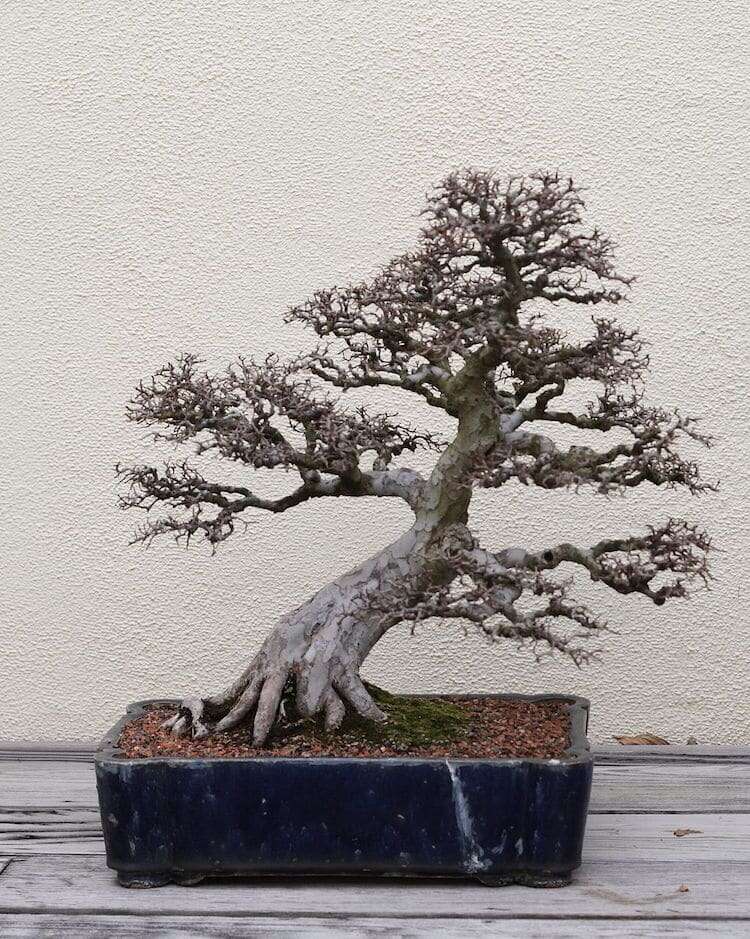
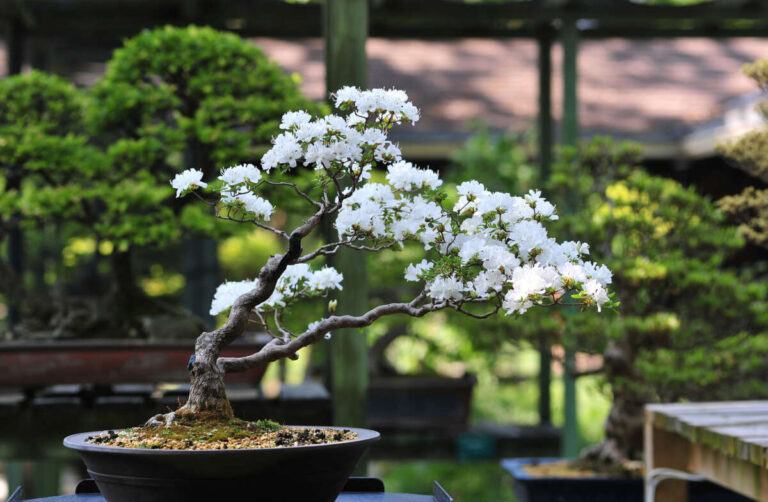
Bonsai is an art of growing miniature trees in containers while keeping the tree’s natural shape. Learning how to bonsai a tree means balancing pruning, root care, and styling. The goal is a mature-looking tree in small scale that stays healthy for years. This section covers core concepts you’ll reference again and again.
Choosing the right species for beginners
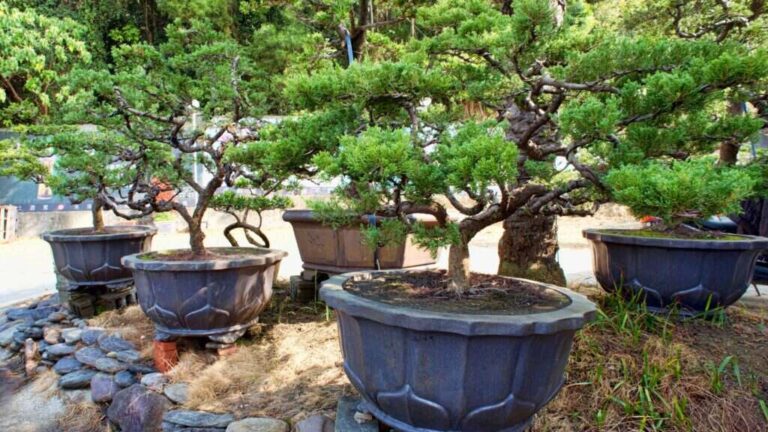
Pick a species that tolerates pruning and pot life. For indoor beginners, try ficus or jade for easier care. For outdoor bonsai, consider juniper, maple, or pine for classic styles. Matching species to your climate and light is essential when learning how to bonsai a tree.

Essential tools and materials
You need a small set of reliable tools to shape trees properly.
- Bonsai shears for fine branch cuts.
- Concave cutters to remove branches cleanly.
- Wire (aluminum or copper) in varied gauges to train branches.
- Root rake, chopstick, and tweezers for potting work.
- Well-draining bonsai soil and trays for repotting.
Good tools make learning how to bonsai a tree safer and neater.

Step-by-step: how to bonsai a tree (beginner-friendly)
Follow these steps the first few times to build confidence.
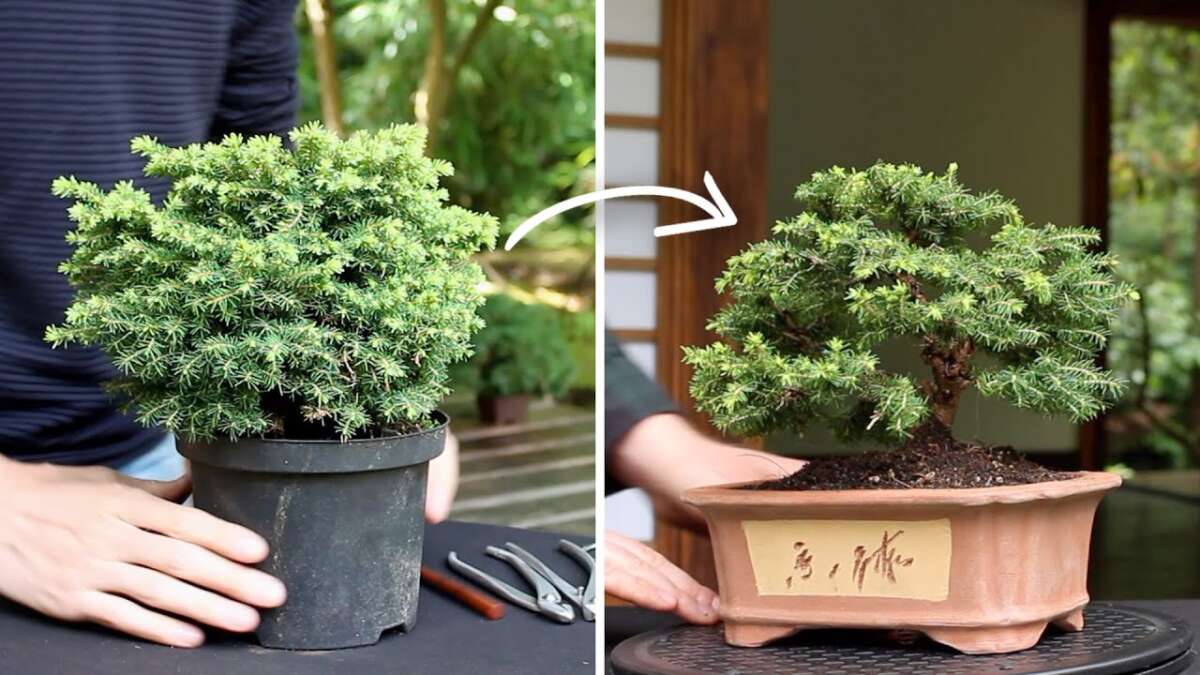
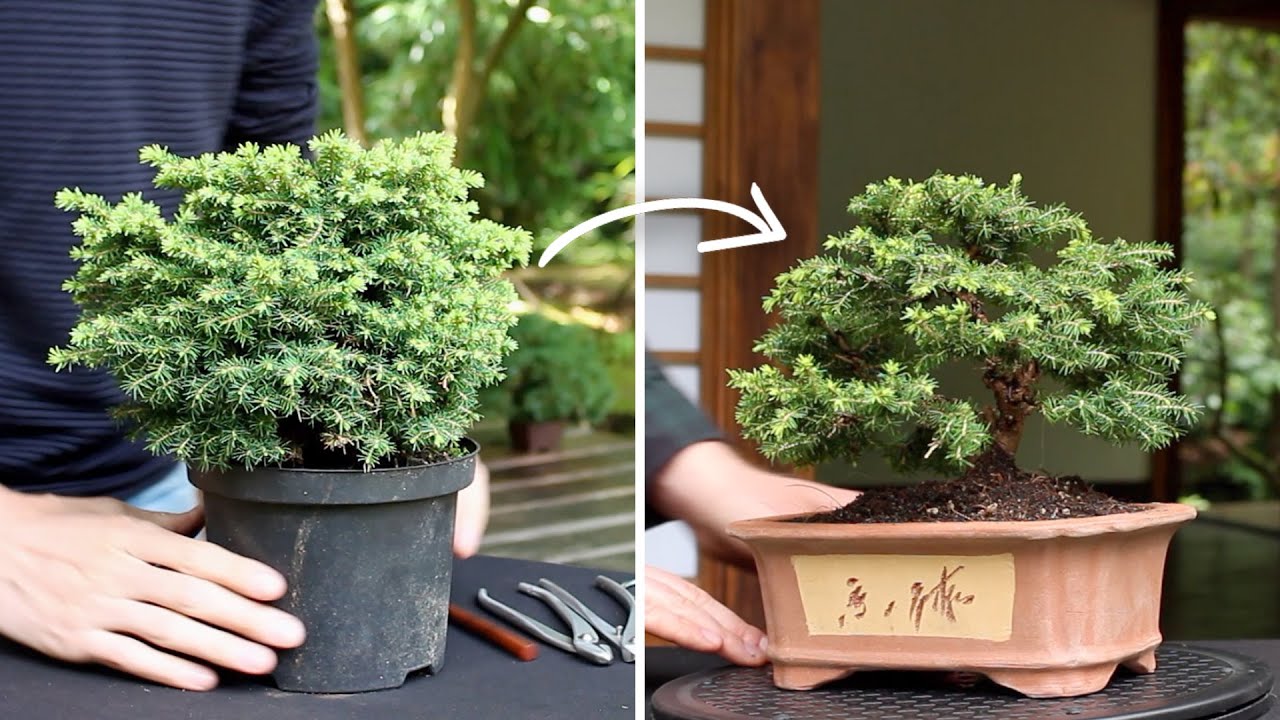
- Choose a healthy starter tree or nursery specimen. Inspect roots and overall vigor.
- Remove any dead or crossing branches. Keep the trunk and main branches balanced.
- Prune roots when repotting to fit the container. Trim about one-third of the root mass for young trees.
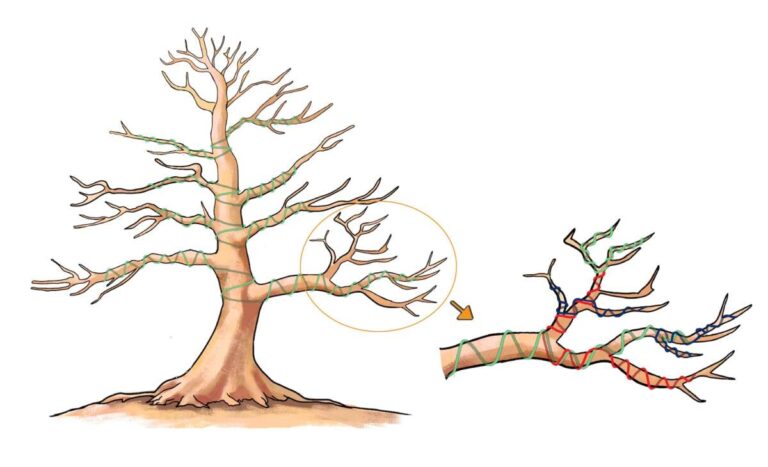
- Wire branches to set the basic shape. Bend gently and check wire often to avoid cutting in.
- Place the tree in a suitable pot with fresh bonsai soil. Water thoroughly after potting.
Repeat and refine these steps seasonally as you learn how to bonsai a tree.

Pruning techniques: branch and leaf pruning
Pruning controls size and encourages ramification.
- Structural pruning removes large branches to define form and trunk movement.
- Maintenance pruning trims small shoots to refine the silhouette and improve leaf placement.
- Leaf pruning (defoliation) on some species encourages smaller leaves and tighter branching.
Do small, deliberate cuts. Over-pruning is a common mistake when learning how to bonsai a tree.
Wiring and shaping safely
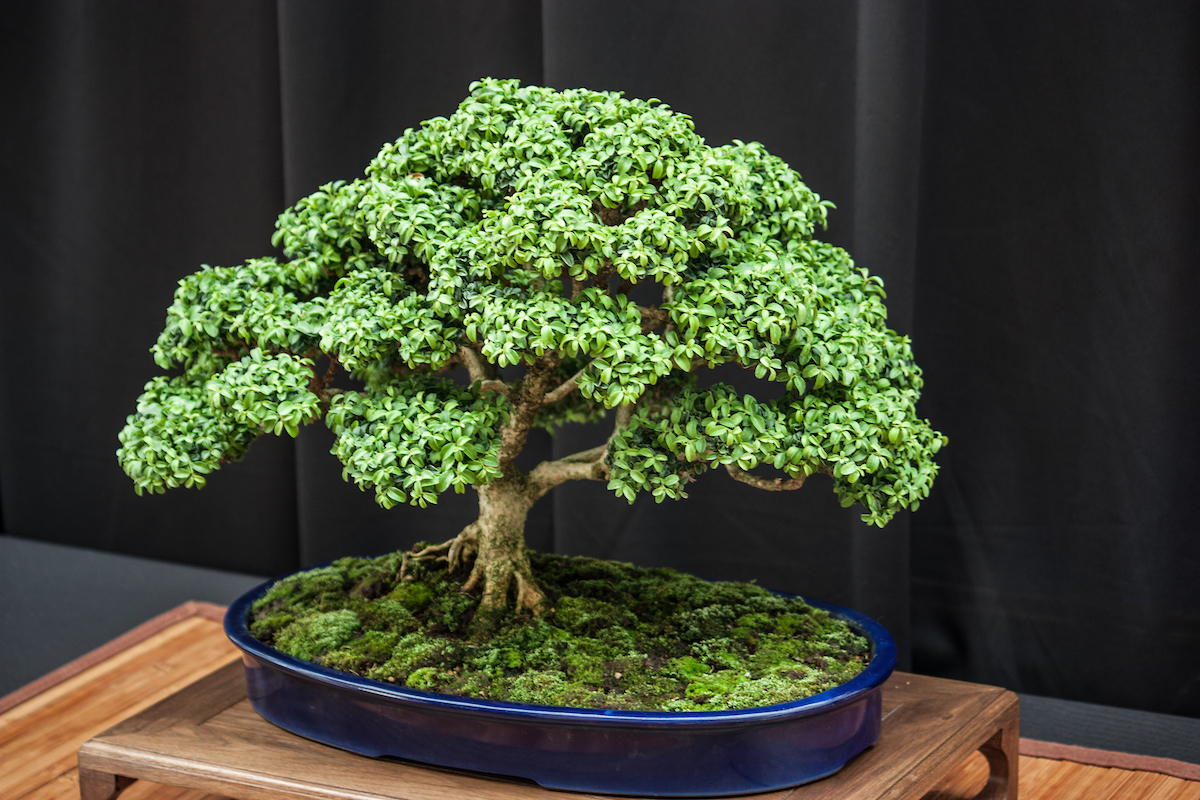
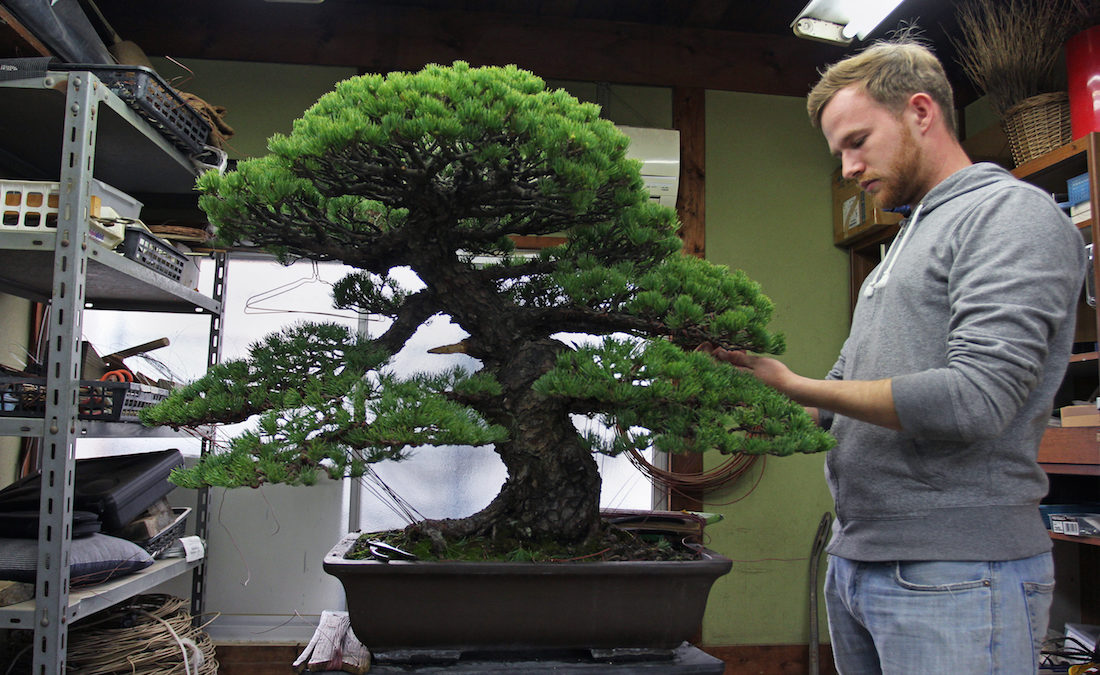
Wiring lets you position branches for decades of structure. Use these safe practices.
- Choose wire size that supports the branch without overpowering it.
- Wrap wire at about a 45-degree angle and anchor at the trunk or a thicker limb.
- Monitor wire every few weeks and remove it before it starts to bite into bark.
Wiring takes practice. I once left wire on too long and had to repair bark; check wires often while you learn how to bonsai a tree.
Repotting, soil, and root care
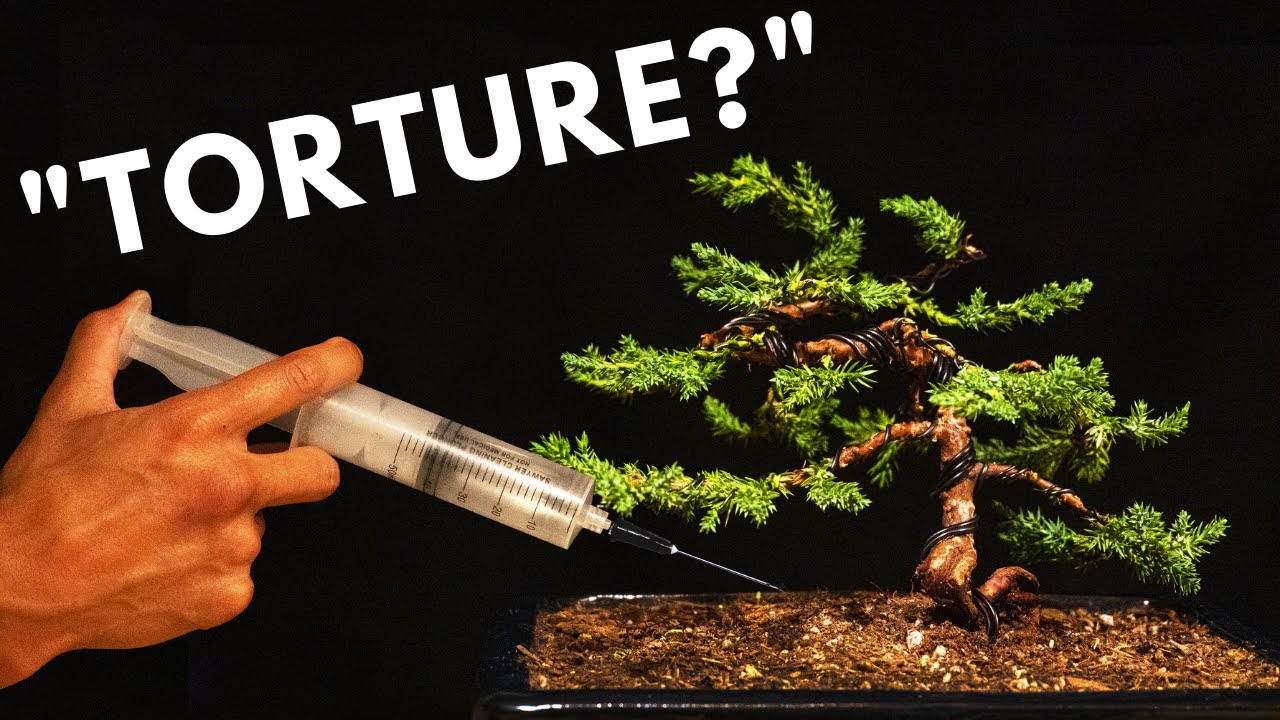
Healthy roots keep your bonsai alive and vigorous. Use these rules.
- Repot young trees every 1–3 years; older trees every 3–5 years.
- Use a fast-draining bonsai mix of akadama, pumice, and lava rock or equivalent.
- Trim tangled roots and remove excess soil to promote new feeder roots.
Repotting is a key skill in how to bonsai a tree. Do it in the correct season for your species.
Watering, feeding, and light
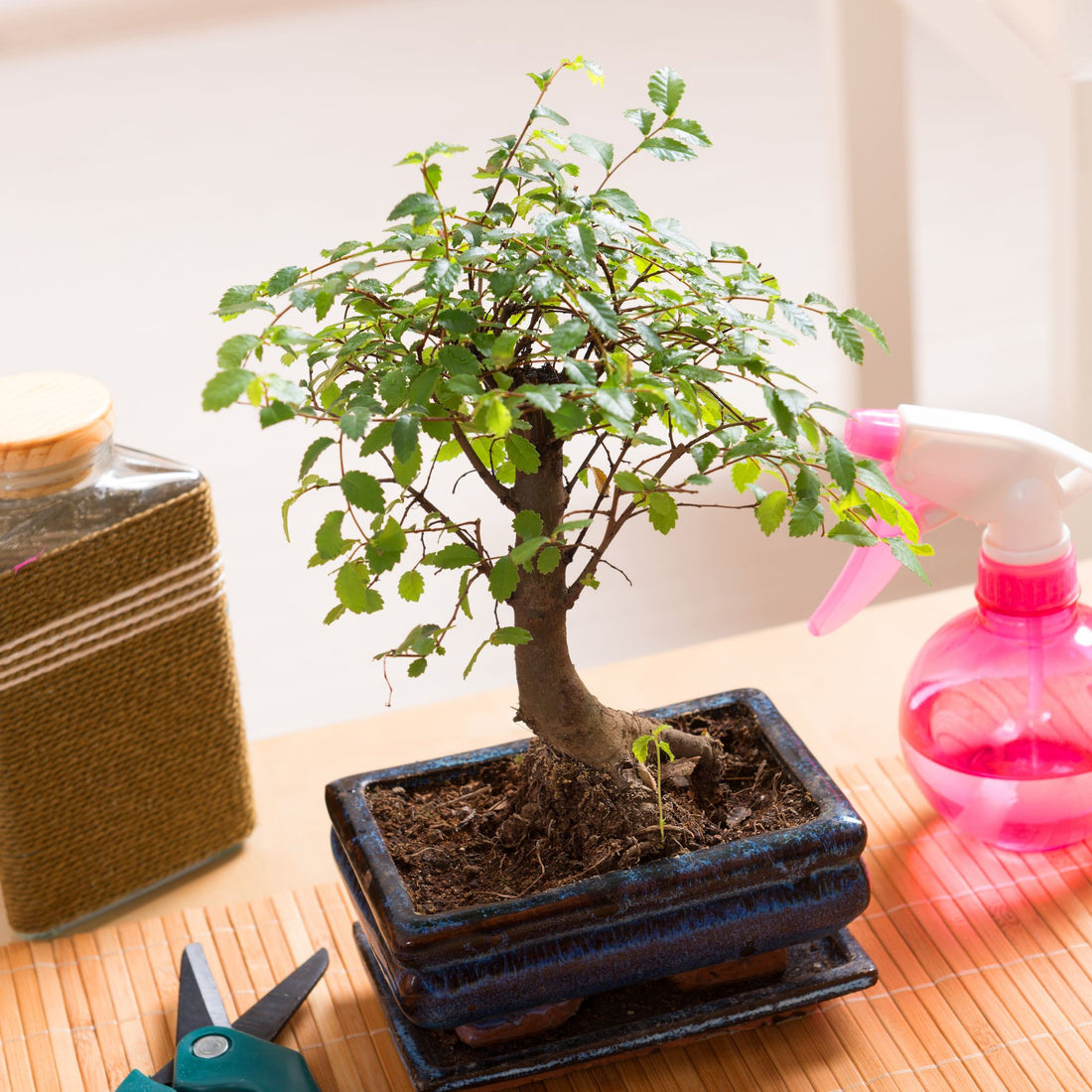
Water, fertilizer, and light are the backbone of bonsai care.
- Water when the soil is slightly dry on the surface. Avoid constant sogginess.
- Use a balanced fertilizer during the growing season and reduce feeding in winter.
- Match light levels to the tree species—many bonsai need full sun for several hours daily.
Good routine care is as important as styling when learning how to bonsai a tree.
Common mistakes and troubleshooting
Watch for these frequent errors that slow progress.
- Overwatering or poor drainage leads to root rot.
- Wiring too tightly causes scarring.
- Pruning heavily in the wrong season weakens the tree.
- Using improper soil keeps roots from breathing.
I learned these the hard way. After a few mistakes, I adjusted my schedule and saved several trees. Learning how to bonsai a tree includes learning from such errors.
Advanced techniques: jin, shari, and branch grafting
Advance slowly into dramatic effects once basic care is solid.
- Jin creates deadwood tips for an aged look.
- Shari exposes trunk wood to suggest weathering.
- Branch grafting adds a branch where one is missing or weak.
These methods add realism but require skill. Practice on sacrificial branches before applying them to prized trees as you deepen your how to bonsai a tree knowledge.
Seasonal care calendar
A simple seasonal plan keeps your work structured.
- Spring: major pruning, wiring, repotting young trees, start fertilizing.
- Summer: maintenance pruning, monitor water closely, protect from extreme heat.
- Fall: reduce fertilizing, prepare for dormancy for outdoor species.
- Winter: protect tender species from frost, minimal pruning for many trees.
Use this calendar as a template when you practice how to bonsai a tree.
Personal insights and lessons learned
I started with a shrubby nursery tree and learned patience fast. I left wire on too long once and had to restore bark. I also learned to wait before styling a recently repotted tree. Small, steady changes beat big dramatic moves. My advice: start simple, document each tree’s progress, and adjust as you go in your journey of how to bonsai a tree.
PAA-style quick questions
What is the easiest tree to start bonsai with? Many beginners find ficus and juniper forgiving species for how to bonsai a tree.
How often should I water a bonsai? Water when the topsoil feels slightly dry; frequency depends on species, season, and pot size.
When is the best time to repot? Repot in early spring before active growth for most species to reduce stress and encourage new roots.
Frequently Asked Questions of how to bonsai a tree
What tools do I need to start bonsai?
Start with bonsai shears, concave cutters, wire, and a root rake. These cover basic pruning, wiring, and repotting tasks.
How long does it take to bonsai a tree?
Simple styling can take months, but creating a mature-looking bonsai often takes years of careful pruning and training.
Can any tree become a bonsai?
Most woody species can become bonsai, but success depends on species traits, climate, and pruning tolerance.
Do bonsai trees need special soil?
Yes. Bonsai soil must drain well while retaining enough moisture; typical mixes use akadama, pumice, and lava or similar components.
Is wiring safe for my tree?
Yes if done correctly. Use appropriate wire gauge, bend slowly, and remove wire before it starts to cut into the bark.
Conclusion
You now have a clear roadmap for how to bonsai a tree. Start with the basics: choose the right species, learn pruning and wiring, and care for roots and soil. Take small steps, observe changes, and learn from mistakes. Try one tree, keep notes, and share progress with a community to speed learning. If you’re ready, pick a starter tree and begin today — then come back and tell me how it went.

Laura Bennett is a gardening writer at MyGardenLabs who creates beginner-friendly guides focused on solving common plant care and gardening problems.