Where Can I Find A Bonsai Tree: Best Places And Tips
You can find a bonsai tree at nurseries, garden centers, online shops, and local clubs.
If you are asking where can i find a bonsai tree, you’re in the right place. I’ve worked with bonsai growers, bought trees from shops and online sellers, and taught beginners how to spot a healthy plant. This guide walks you through reliable places to buy, what to look for, how to verify quality, and practical tips from real experience so you leave confident and ready to care for your bonsai.
Why people ask "where can i find a bonsai tree" and what bonsai are
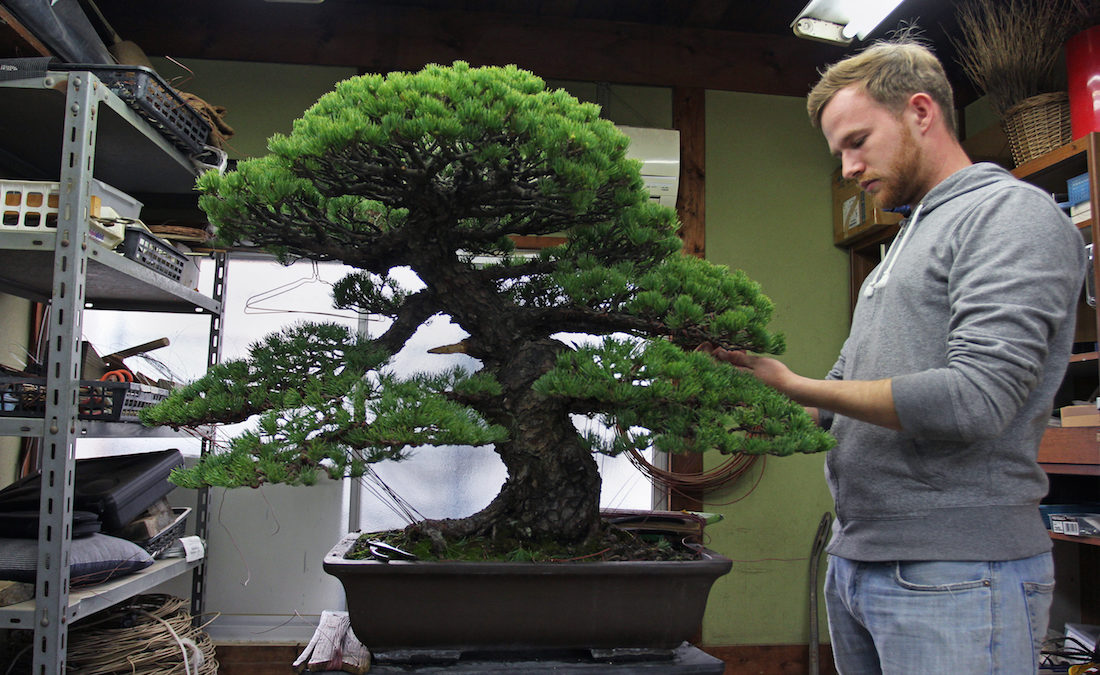
People ask where can i find a bonsai tree because bonsai are small living sculptures that need care and skill. Bonsai are regular tree species trained to grow in small pots. They show age, style, and individual character. Knowing where can i find a bonsai tree helps you pick one that fits your skill and space.
I have owned and trained bonsai for over a decade. Early on I bought one from a big box store and learned to spot flaws the hard way. That lesson shaped how I now recommend places to buy. If you want a long-lived tree, location of purchase matters.
:strip_icc()/GettyImages-598322873-409b66c4895d492eb28fde9e752d98ad.jpg)
Local options: shops, nurseries, and botanical gardens
Where can i find a bonsai tree locally? Start close to home.
- Local nurseries and garden centers often carry beginner bonsai and trained specimens. Visit during plant season to see healthy stock.
- Specialty bonsai shops and bonsai nurseries offer a wide range, from pre-bonsai to exhibition trees. Staff can advise on care.
- Botanical gardens and plant sales may have collectors selling trees. These events are good for unique finds.
- Farmers markets and craft fairs sometimes feature local bonsai artists. You can talk directly with growers and learn their methods.
When you visit, ask about the tree’s history, watering routine, and pest treatment. I once found a healthy juniper bonsai at a small nursery after inspecting soil and roots. Buying local lets you inspect in person, avoid shipping stress, and support community growers.

Where can i find a bonsai tree online
If you ask where can i find a bonsai tree online, the options are vast. Online shopping can be safe if you check sellers carefully.
- Online bonsai stores sell a range of species and sizes. Look for clear photos and shipping policies.
- Marketplaces and auction sites offer both young plants and rare trees. Read seller reviews and return rules.
- Dedicated bonsai forums and social media groups often have buy-sell sections. Members can offer trustworthy leads.
- Subscription and starter kits are good for beginners. They include training tools and care guides.
When buying online, request close-up photos of leaves, trunk base, and root flare. Check that the seller’s reviews and return policy are clear. I ordered a ficus online once and received it well packed. The seller included care notes that saved me time while it acclimated.

Where can i find a bonsai tree through clubs and classes
Clubs and classes are excellent answers to where can i find a bonsai tree. They connect you with growers and learners.
- Local bonsai clubs host sales, swaps, and workshops. Members sell or trade trees at fair prices.
- Community college classes and workshops often include starter trees for students. You learn while you buy.
- Bonsai shows and exhibitions let you see high-quality examples and meet vendors who sell trees.
Joining a club gives access to seasoned growers. I learned wiring and pruning from club mentors. They helped me evaluate where can i find a bonsai tree that matched my skill level.

How to choose the right place when you wonder "where can i find a bonsai tree"
Choosing where can i find a bonsai tree comes down to trust, care, and species fit. Use these checks.
- Inspect plant health. Look for firm, glossy leaves, no soft spots, and no heavy pests.
- Check roots and soil. Roots should not be overly pot-bound or rotted.
- Ask about provenance. Know if the tree is nursery-grown, collected, or grafted.
- Match species to your environment. Indoor-friendly species differ from outdoor bonsai.
- Compare prices and guarantees. A fair price reflects age, styling work, and plant health.
I once paid too little for a styled tree that later had root rot. Now I budget more for quality and supplier transparency. Knowing where can i find a bonsai tree that provides clear care history prevents that mistake.
Practical tips for buying and transporting a bonsai
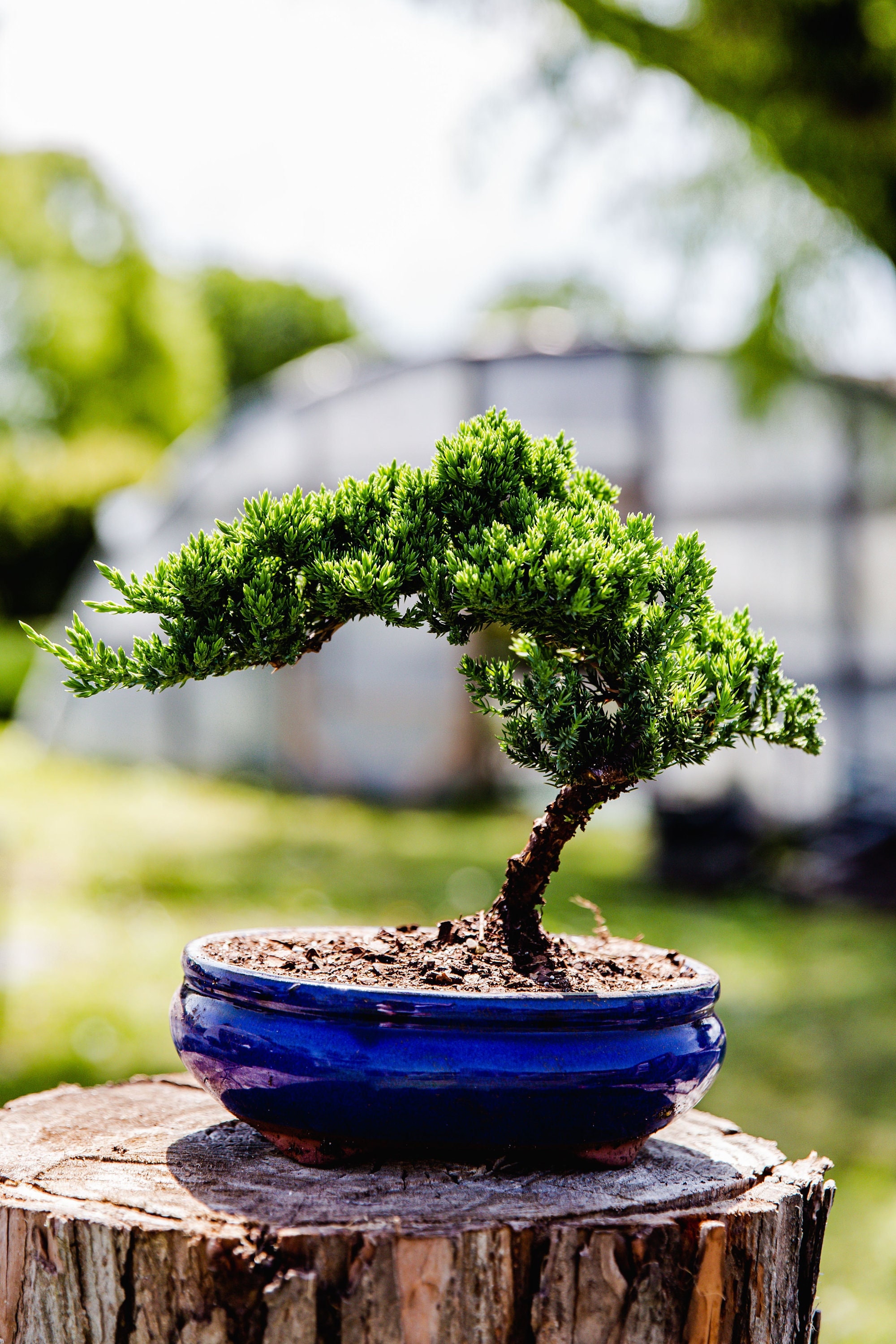
When deciding where can i find a bonsai tree, plan for safe transport and immediate care.
- Choose a sturdy box and padding if shipping. Protect branches and soil.
- Water lightly before travel. Wet soil is heavy but keeps roots safe; avoid overwatering.
- Inspect on arrival. Check leaves, soil, and pot for damage.
- Quarantine new trees for a week to watch pests or disease before placing near other plants.
From experience, a short walk home after purchase is best. Avoid long rides in direct sun. If you buy where can i find a bonsai tree online, track the shipment and give the plant time to rest once it arrives.
:max_bytes(150000):strip_icc()/ML_Grow_Bonsai-8-2000-54d3d1a7424b4359b44e52383f40b834.jpg)
How to care for your first bonsai after purchase
Finding where can i find a bonsai tree is only the start. Care decides success.
- Learn basic watering. Water when the top soil feels dry. Avoid letting roots dry out completely.
- Prune to shape. Remove dead branches and trim for balance.
- Repot when needed. Young trees often need repotting every 1–3 years.
- Feed with balanced fertilizer during the growing season.
- Watch for pests. Early detection makes treatment easier.
I recommend a simple routine for new owners. Water, check leaves, and rotate the pot weekly. That routine kept my first bonsai healthy through its first year.

Quick questions people also ask about where can i find a bonsai tree
Q: Can I buy a bonsai tree at a big box store?
A: Yes, big box stores sell bonsai, often for beginners. Inspect health closely and expect less styling detail.
Q: Is it better to buy local or online?
A: Local lets you inspect and avoid shipping stress. Online offers variety and rare species. Choose by your needs.
Q: What price range should I expect when deciding where can i find a bonsai tree?
A: Starter bonsai can cost $20–$100. Trained or older trees range from a few hundred to thousands. Price reflects age and care.
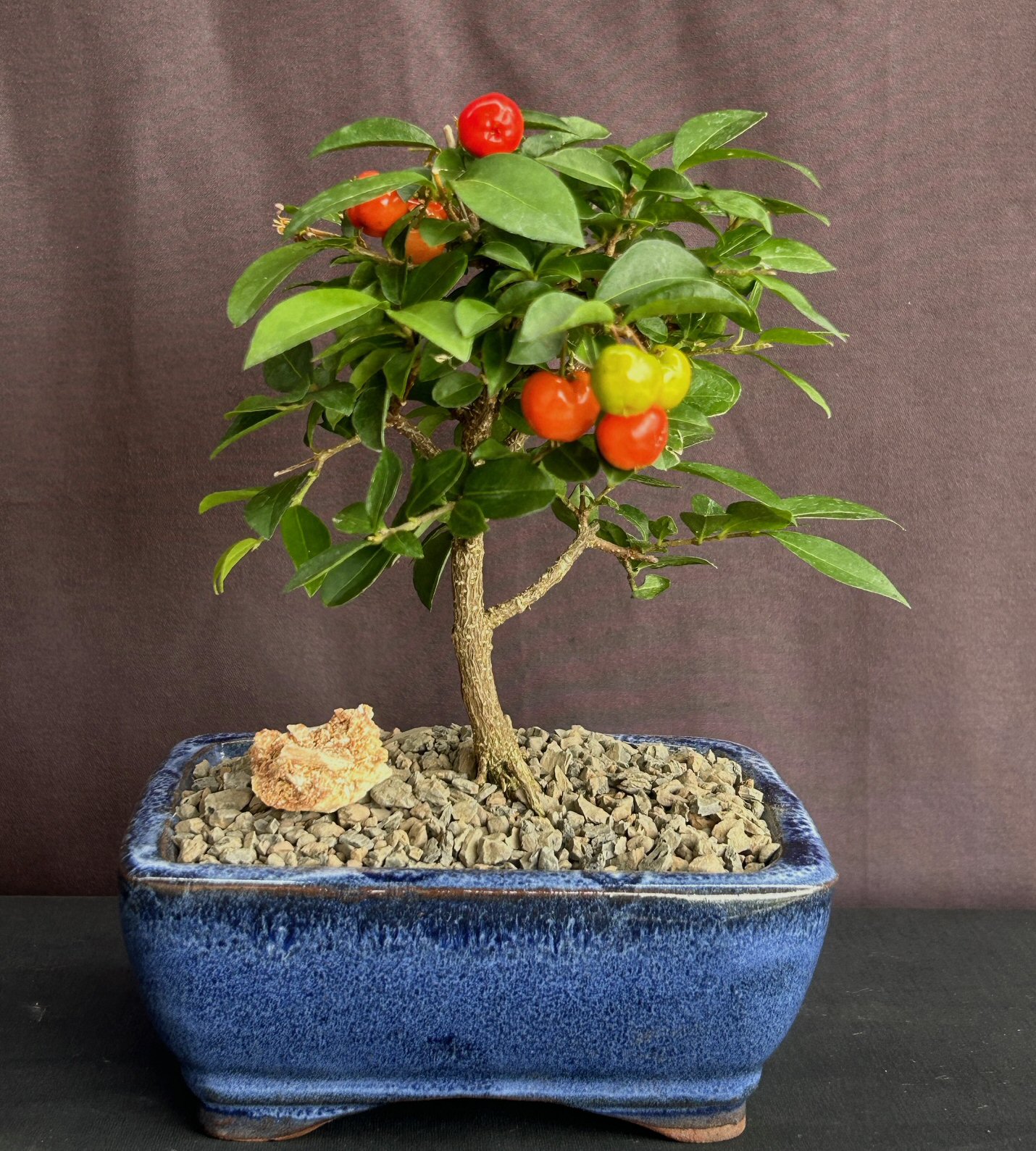
Frequently Asked Questions of where can i find a bonsai tree
Where can i find a bonsai tree for beginners?
Look at local nurseries, garden centers, and online starter kits. Join a club or attend a workshop to get hands-on advice and a beginner-friendly tree.
Where can i find a bonsai tree that is healthy?
Choose reputable bonsai shops, well-rated online sellers, or club members with good references. Inspect leaves, roots, and soil before buying.
Where can i find a rare or show-quality bonsai tree?
Specialty bonsai nurseries, auctions, and bonsai shows are the best places. Expect higher prices and request provenance when possible.
Where can i find a bonsai tree cheaply?
Check plant swaps, community markets, and social media groups for budget finds. Pre-bonsai or young stock is usually cheaper but needs more work.
Where can i find a bonsai tree if I live in an apartment?
Search for indoor-capable species at garden centers and online retailers. Ficus, jade, and some pines adapt well to indoor care with proper light.
Conclusion
Finding where can i find a bonsai tree is a mix of knowing your needs and choosing trusted sources. Local nurseries, specialty shops, clubs, and vetted online sellers are top options. Inspect health, ask questions, and plan for care and transport. Start with a tree that matches your skill and space, and you’ll enjoy steady progress.
Take action today: visit a local nursery or join a bonsai group. Try one small purchase and practice basic care for a month. Leave a comment about where you looked or sign up for more tips to grow your bonsai with confidence.

Laura Bennett is a gardening writer at MyGardenLabs who creates beginner-friendly guides focused on solving common plant care and gardening problems.