Can I Bonsai Any Tree: Practical Guide For Beginners
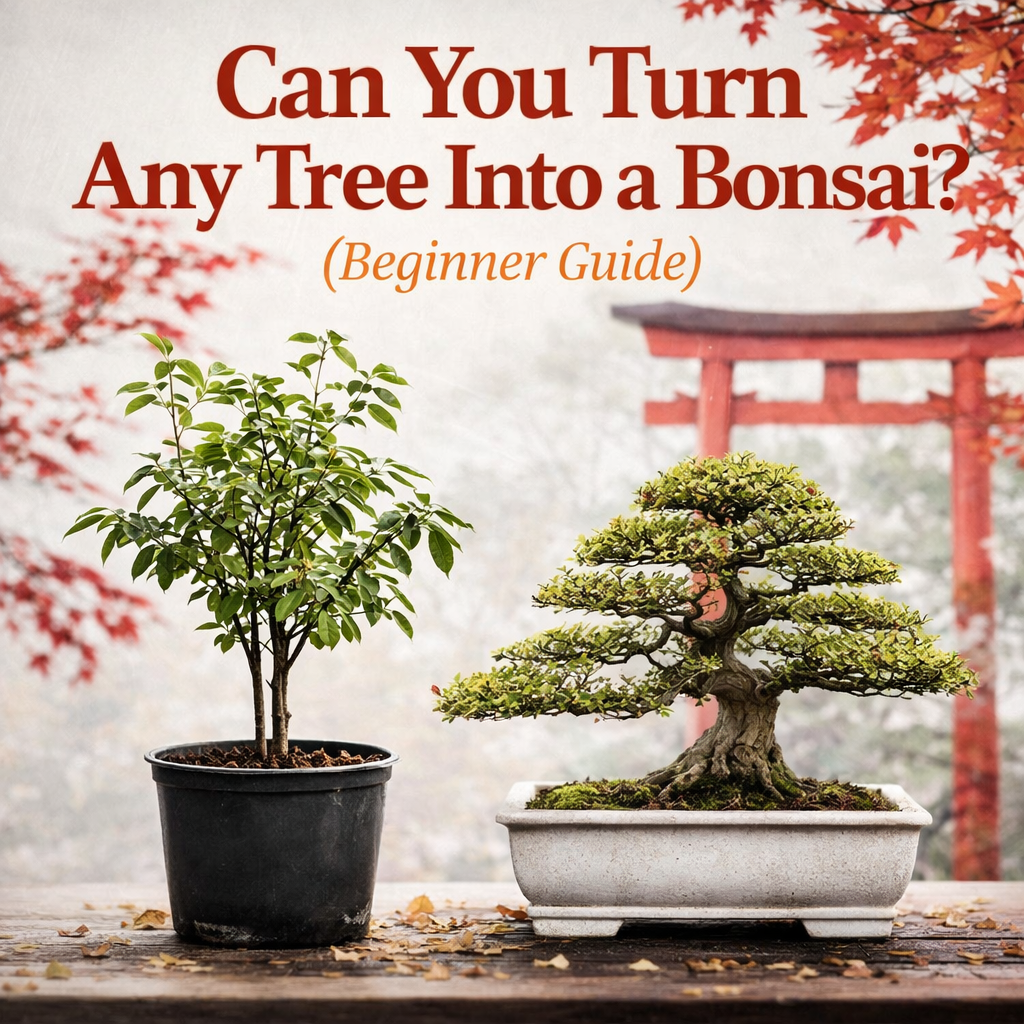
Yes — nearly any woody tree species can be trained into a bonsai with time and skill.
I’ve grown bonsai for years and taught dozens of students how to sculpt trees. In this article I’ll answer the central question, can i bonsai any tree, with clear facts, practical steps, and realistic limits. You’ll learn which species respond best, what techniques work across types, and how to avoid common pitfalls. Read on for an expert, hands-on guide to making bonsai from the trees you already love.
How bonsai works: fundamentals you need to know
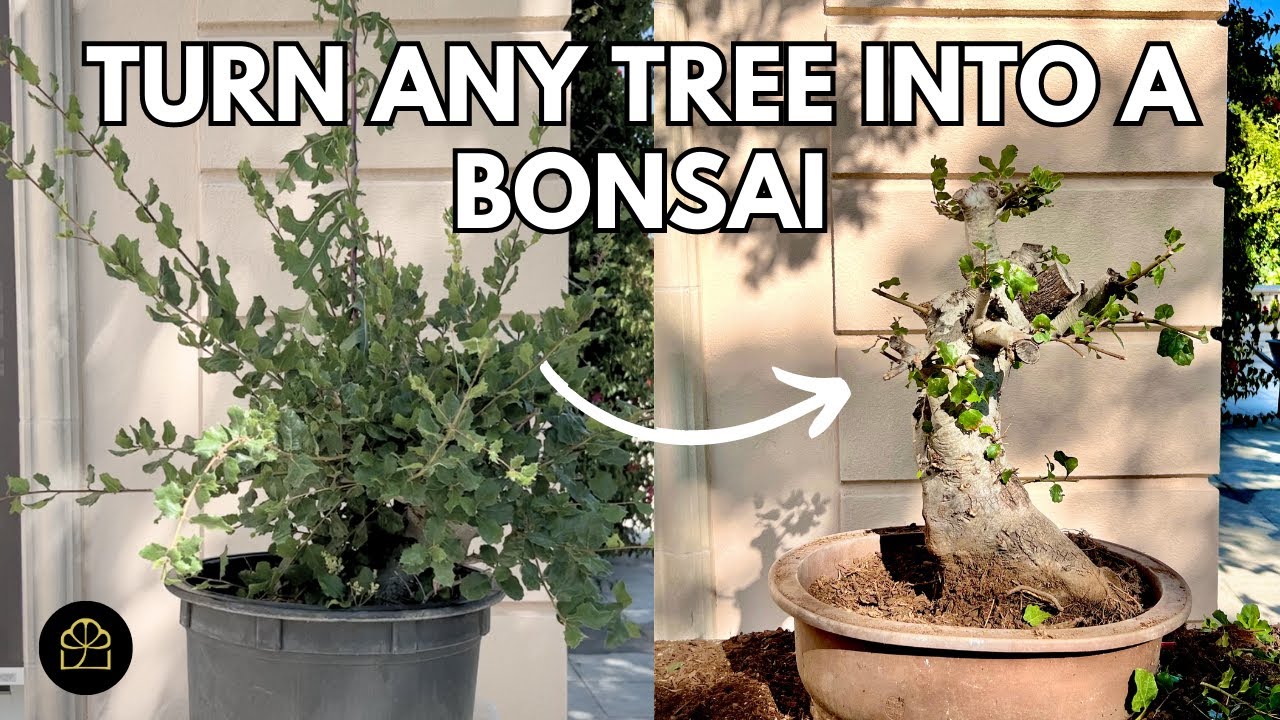
Bonsai is a horticultural art that uses containment, pruning, and care to keep a tree small. The goal is to suggest age and scale in a miniature form. Growth control comes from root pruning, canopy pruning, and using small pots with well-draining soil. Understanding these basics makes it easier to answer can i bonsai any tree and to choose the right approach for each species.
What bonsai requires from a tree:
- Woody stems that respond to pruning and back-budding.
- Tolerance for root pruning and confined soil.
- Seasonal patterns that fit your climate or a way to simulate them.
My experience: I started with a backyard maple and learned how root pruning changed its health in the first year. That early lesson taught me to match species traits to bonsai techniques before I attempted more delicate trees. These simple facts guide safe, successful bonsai practice.

Can I bonsai any tree?
Short answer: most woody trees can be trained as bonsai, but there are clear limits and differences. The phrase can i bonsai any tree captures a common question from beginners. The right answer depends on wood type, leaf size, branch structure, and whether the species tolerates root and crown reduction.
Key considerations:
- Deciduous vs. evergreen: both work, but they behave differently under pruning.
- Broadleaf vs. conifer: different wiring and pruning methods are needed.
- Tropical vs. temperate: temperature sensitivity affects where and how you grow a bonsai.
Practical reality: Can i bonsai any tree? Technically yes for most woody species, but success and aesthetics vary. For example, some tropical trees have large leaves that never reduce enough to suit classic bonsai scale. Some trees are legally protected or slow-growing and not practical. Always consider local laws and the natural habits of the species before you start.

Best trees for beginners, and trees that are difficult
Choosing the right species makes learning simple techniques more rewarding. Below are beginner-friendly trees and those that pose real challenges.
Good choices for beginners:
- Ficus species: forgiving, tolerant of indoor conditions and pruning.
- Japanese maple: great taper and seasonal color, responds well to pruning.
- Juniper: classic bonsai foliage, hardy and easy to style outdoors.
- Elm (Chinese or Zelkova): great bud back and vigor for styling.
Difficult or impractical species:
- Large-leaf tropicals: leaves stay too large for most bonsai styles.
- Some conifers with brittle branches: they crack with wiring.
- Trees with invasive root systems that refuse root confinement.
- Protected native species: legally restricted and should not be collected.
When people ask can i bonsai any tree, help them weigh these practical pros and cons. Matching the plant to your skill and environment matters most.

Step-by-step: how to bonsai most trees
These steps work for many trees. I use them on maples, elms, and ficus alike.
- Select a healthy young specimen
- Choose a plant with a good nebari (root flare) and interesting trunk movement.
- Plan the design
- Visualize the front, apex, and primary branches before cutting.
- Prune the roots and repot
- Trim about one-third of the roots in early spring for temperate trees. Use a well-draining bonsai mix.
- Prune the canopy
- Remove crossing branches and cut to outward-facing buds. Keep cuts small and frequent.
- Wire carefully
- Wrap wiring to shape branches, not to force them. Check wire every 4–8 weeks.
- Water, feed, and monitor
- Water thoroughly when the soil surface feels slightly dry. Feed with balanced fertilizer during the growing season.
- Seasonal care
- Protect tropical bonsai from frost. Let temperate trees experience dormancy.
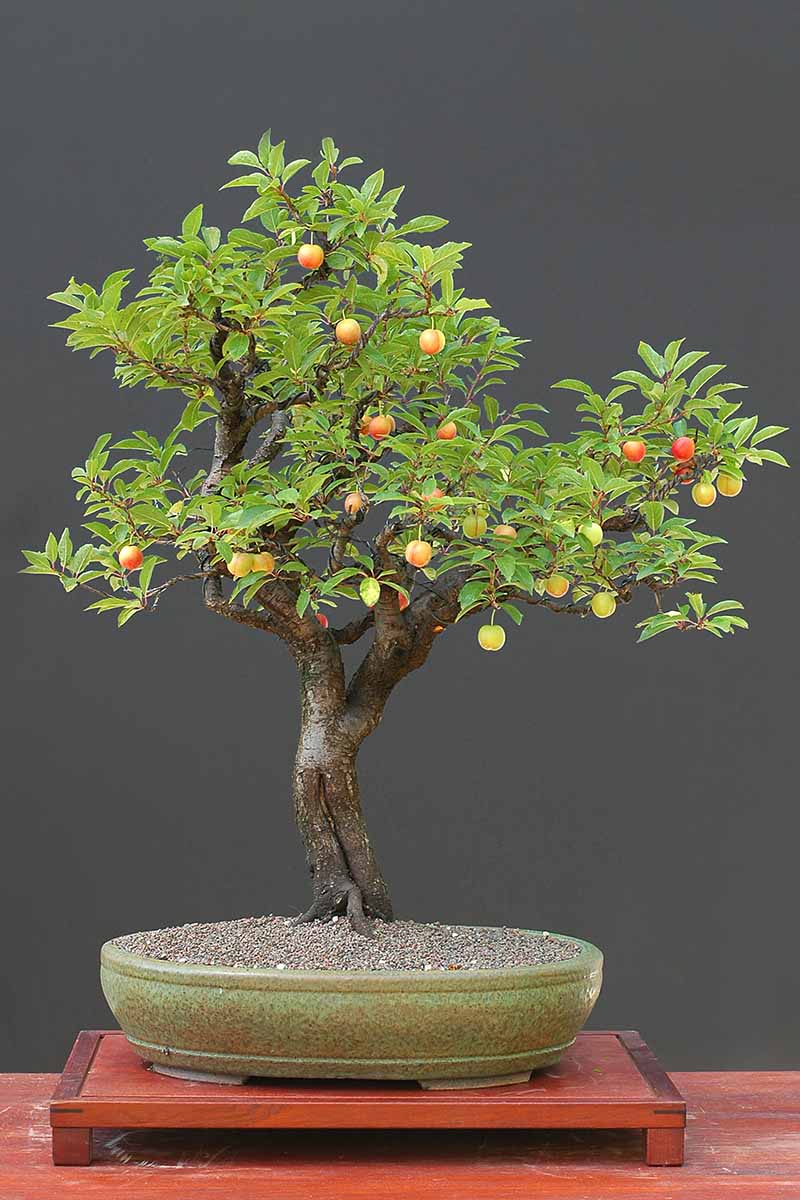
Personal tip: Start with wiring and light pruning before you make major trunk cuts. I once removed a trunk bend too early and had to graft later to fix it. Slow, incremental changes protect the tree and your work.
Techniques to address specific challenges
Different trees require tailored techniques. Here are common fixes.
Small leaves
- Use leaf pruning, defoliation, and strong summer light to encourage smaller foliage.
Thick trunk with little taper
- Apply jin and shari techniques, or use a sacrifice branch strategy to build taper over time.
Poor roots
- Root-over-rock style or root conditioning can improve nebari. Repot annually until roots are dense.
Environmental stress
- Adjust watering, increase humidity for indoor trees, and use shade cloth in extreme sun.
These techniques answer the deeper parts of can i bonsai any tree by showing how to adapt methods to species needs.
Limitations, ethics, and legal issues
It’s tempting to wild-collect rare trees, but ethics and law matter. You must consider sustainability and legal limits.
- Protected species: Many native trees are legally protected from collection.
- Ecosystem impact: Removing trees from the wild can harm habitats.
- Practical limits: Some species will not respond to severe root pruning without dying.
- Patience and time: Bonsai is multi-year work; be realistic about commitment.
I once learned the hard way that collecting a protected tree led to permit issues. After that, I always buy nursery stock or propagate cuttings.

Common mistakes and how to avoid them
Beginners often make predictable errors. Avoid these to improve success.
- Over-pruning early: Keep more growth to maintain vigor.
- Incorrect soil mix: Use a fast-draining bonsai soil to prevent root rot.
- Leaving wire too long: Check wire often to avoid scarring.
- Ignoring seasonal needs: Don’t overwinter a temperate tree indoors.
Can i bonsai any tree? You can, but these mistakes turn possibility into failure fast. Learn the basics and practice on forgiving species first.
PAA-style questions
What species always make good bonsai?
- Many species can make good bonsai; commonly used ones include ficus, juniper, maple, and elm because they respond well to pruning and styling.
Can large-leaf trees be used for bonsai?
- Large-leaf trees can be styled, but their leaves often stay too large for classic bonsai proportions. Some growers use leaf reduction techniques or choose species with naturally smaller leaves.
How long before a bonsai looks mature?
- It can take several years to a decade for a bonsai to develop mature character. Trunk development and branch ramification require steady, patient work.
Frequently Asked Questions of can i bonsai any tree
Can I bonsai any tree I find in my yard?
You can try with many woody trees, but success varies. Check species suitability, legal rules, and the tree’s tolerance for root pruning.
Will bonsai stunt my tree permanently?
Proper bonsai techniques control growth but don’t permanently damage a healthy tree when done correctly. Frequent mistakes like over-pruning or poor soil are what cause lasting harm.
Are indoor bonsai different from outdoor bonsai?
Yes. Indoor bonsai are usually tropical or subtropical species that tolerate indoor conditions, while outdoor bonsai need seasonal cycles and more light.
How often should I repot a bonsai tree?
Young trees often need repotting every 1–2 years. Mature bonsai may be repotted every 3–5 years depending on growth rate and root health.
Is wiring safe for all trees?
Most trees tolerate wiring when done properly, but some species have brittle bark or thin branches that can be damaged. Check wiring regularly and remove it before it cuts in.
Conclusion
Most woody trees can become bonsai with the right knowledge, care, and patience. The real answer to can i bonsai any tree lies in matching techniques to species, respecting legal and ethical limits, and learning slowly. Start with forgiving trees, practice root and branch work, and be willing to learn from mistakes.
Take action: try styling a small, healthy specimen this season, document your steps, and share your progress. If you found this helpful, subscribe for more bonsai tutorials or leave a comment with the tree you want to train.

Laura Bennett is a gardening writer at MyGardenLabs who creates beginner-friendly guides focused on solving common plant care and gardening problems.