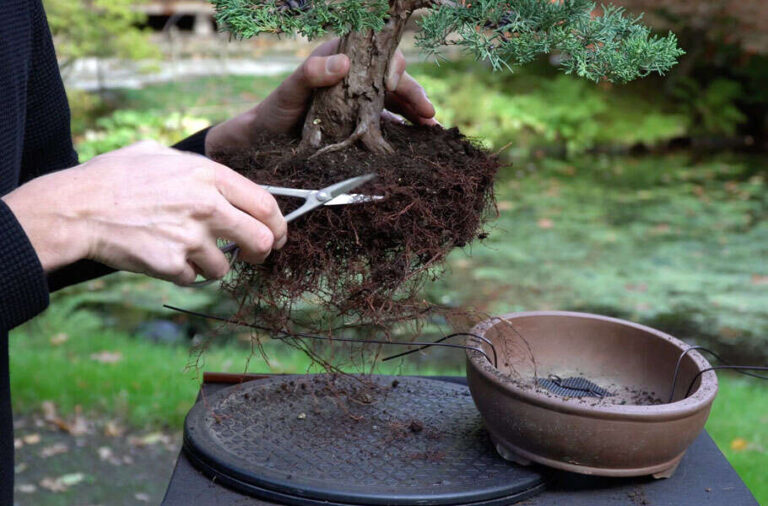
How To Prune Ficus Bonsai: Step-By-Step Guide
Prune ficus bonsai by trimming new shoots, thinning inner branches, and shaping the canopy regularly.
I’ve trained and pruned ficus bonsai for years, so I’ll walk you through exactly how to prune ficus bonsai with clear steps, smart timing, and easy tools. This guide covers when to prune, the difference between maintenance and structural pruning, how to avoid common mistakes, and practical tips from hands-on experience so you can keep your ficus healthy and stylish.

Why prune a ficus bonsai
Pruning keeps the tree small, balanced, and healthy. It controls growth, improves airflow, and directs energy to the parts you want to develop. Regular pruning also helps create and maintain the bonsai silhouette you prefer.
Benefits of pruning:
- Controls size and shape
- Encourages smaller leaves and tighter ramification
- Removes dead or crowded wood to reduce disease risk
- Directs energy into strong branches and new buds
How pruning helps overall care:
- Easier watering and feeding management
- Better light penetration and healthier leaves
- Faster recovery after pests or stress

When to prune your ficus bonsai
Timing matters for how to prune ficus bonsai effectively. Ficus are forgiving and can handle pruning year-round in warm homes or tropical climates. Still, the best time is during active growth—late spring through summer—for faster healing and new shoots.
Quick timing rules:
- Major structural pruning: late winter or early spring before vigorous growth starts
- Maintenance pruning: anytime during the growing season
- Light wiring and minor trims: usually spring through fall
Prune more cautiously in winter if your ficus is less active. Watch the tree’s energy and avoid heavy cuts just before a cold snap or when the plant is stressed.

Tools and materials you need
Good tools make pruning clean and easy. Use sharp, clean tools to reduce damage and infection risk.
Essential tools:
- Pruning shears: for small branches and shoots
- Concave cutters: for removing larger branches neatly
- Scissors: for leaf pruning and delicate work
- Rubbing alcohol or fungicide: to sterilize tools between cuts
- Twist ties or masking tape: to protect branches when wiring
Keep tools sharp and disinfect them before and after use. Clean cuts heal faster and reduce scarring, which is critical when you learn how to prune ficus bonsai.
Step-by-step: how to prune ficus bonsai (simple method)
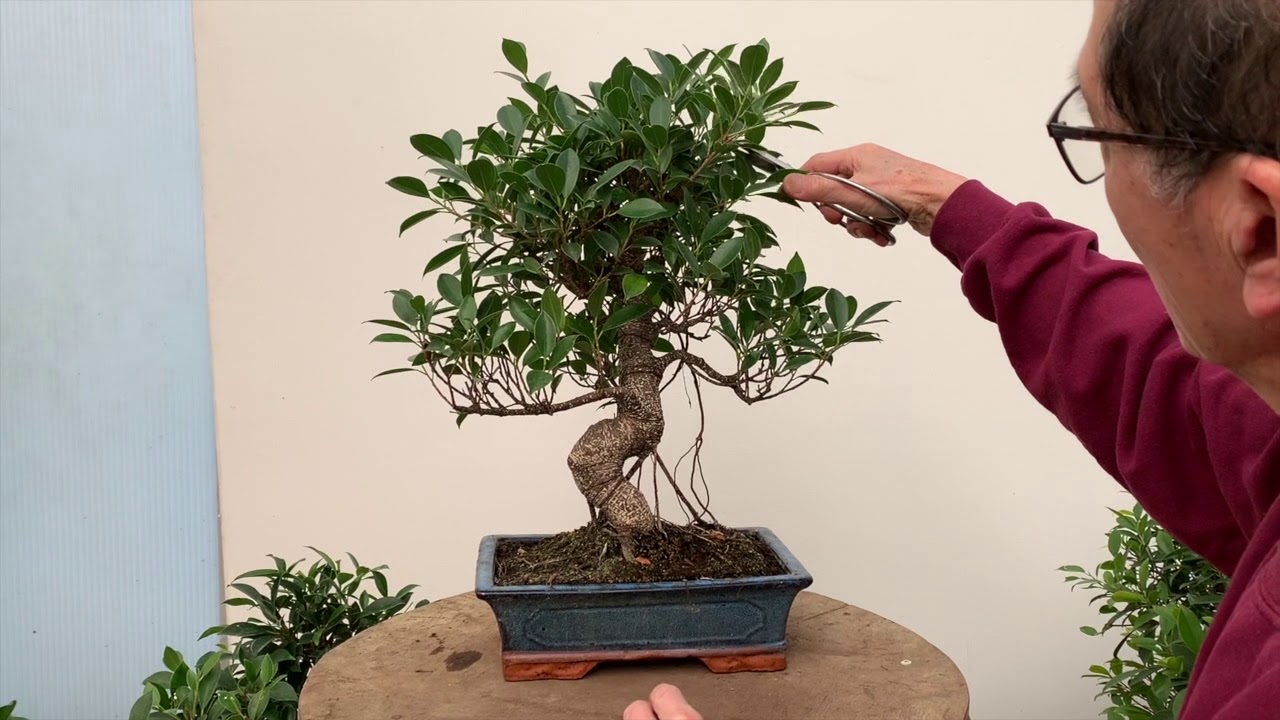
Follow a clear sequence to prune with confidence. I use this routine for most ficus bonsai.
-
Inspect the tree
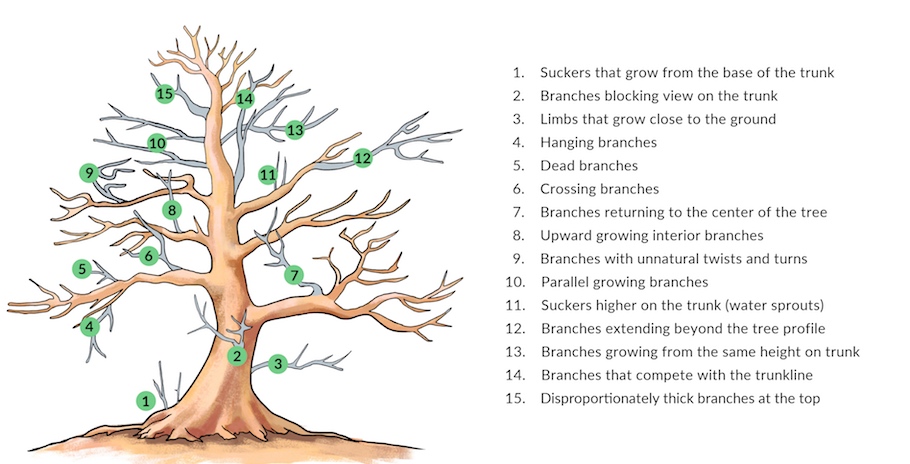
- Look for dead wood, crossing branches, and the main structure.
- Plan the silhouette before you cut.
-
Start with dead and unhealthy wood
- Remove dried, cracked, or diseased branches first.
- Cut back to healthy tissue or the trunk flare.
-
Thin crowded areas
- Remove inward-growing branches and those that cross others.
- Keep the strongest branches that support the main design.
-
Shorten long shoots
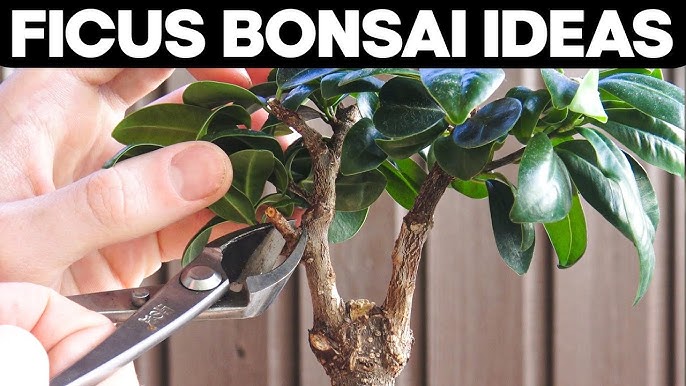
- Trim back vigor shoots to one or two leaf pairs to encourage ramification.
- Make cuts just above a node to direct new growth.
-
Shape the canopy
- Step back and view from multiple angles.
- Remove or reduce branches to restore balance and silhouette.
-
Final clean-up
- Seal large cuts if desired, but small cuts usually heal on their own.
- Sterilize tools and tidy the workspace.
Practical tip from experience: take photos before heavy pruning. A quick before-and-after helps you keep perspective and prevents over-pruning.
Maintenance pruning vs. structural pruning
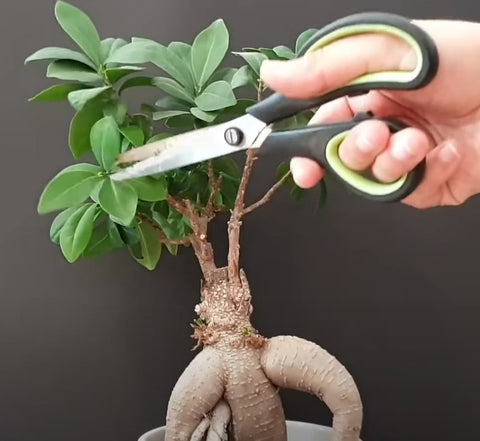
Understanding these two types makes clear how to prune ficus bonsai properly.
Maintenance pruning:
- Regular, light trimming to control sprouts and keep the shape
- Done several times during the growing season
- Focuses on leaf pruning and shortening shoots
Structural pruning:
- Major cuts to limbs and trunk to build the framework
- Done less often, usually during dormancy or before the growth surge
- Involves removing large branches and rebalancing weight
Both types are necessary. Use structural pruning sparingly and maintenance pruning often to refine the tree.

Leaf pruning and defoliation
Leaf pruning reduces leaf size and increases branch ramification. Ficus tolerate partial defoliation well.
How to do it:
- Remove select larger leaves in mid-summer on mature trees
- Avoid full defoliation on young or weak plants
- After leaf pruning, expect a burst of small-leaf growth and more fine branching
I’ve used partial defoliation to improve interior light on shaded trees with great results. Always monitor recovery and slow down if the tree shows stress.
Wiring and styling basics
Wiring helps position branches, but wiring and pruning go hand in hand. Wire before heavy pruning if you need to reposition branches.
Wiring tips:
- Use aluminum or annealed copper wire sized to the branch
- Wrap at a 45-degree angle, avoiding too-tight turns
- Remove wire after a few months to avoid cutting into bark
Style guidance:
- Maintain natural movement and avoid forced bends
- Aim for balance, negative space, and a clear apex
- Combine wiring with selective pruning for refined results
Common mistakes and how to avoid them
Avoid these errors when learning how to prune ficus bonsai.
Common mistakes:
- Over-pruning: remove too much foliage at once and the tree will weaken
- Cutting too close to the trunk: leave a short collar for faster healing
- Ignoring tool hygiene: dirty tools spread disease
- Wiring too tightly or leaving wire on too long
How I learned: early on I over-pruned a tree and had to nurse it back for a year. Now I cut gradually and watch recovery.

Aftercare: watering, feeding, and recovery
After pruning, the tree needs support. Proper aftercare speeds healing and promotes good growth.
Post-pruning care:
- Water consistently but avoid waterlogging
- Resume or increase feeding in the growing season to support new growth
- Provide bright, indirect light and stable temperatures
- Monitor for pests and stress signs
If a heavy prune was done, give the tree a few weeks of close observation. I often move recently pruned trees to a brighter, stable spot to help recovery.
Troubleshooting pests, diseases, and scarring
Pruning can expose issues or create entry points. Watch for pests and infection.
Signs to watch for:
- Sticky residue or sooty mold (scale or aphids)
- Unhealed large cuts after months (possible cambium damage)
- Yellowing leaves or slow bud break after heavy pruning
Treatment basics:
- Remove pests manually or use appropriate treatments
- Provide good airflow and avoid overwatering
- For large wounds, use clean cuts and consider wound dressings if infection risk is high
PAA-style questions (short answers)
Will heavy pruning make my ficus bonsai die?
Heavy pruning can stress a ficus, but it rarely kills a healthy tree if given proper aftercare. Reduce shock by pruning in stages and supporting the tree with water and fertilizer.
How long does it take for a ficus bonsai to recover after pruning?
Recovery varies, but visible new growth often appears within weeks in warm conditions. Full structural recovery may take several months.
Do I need to seal large cuts on ficus bonsai?
You can seal very large wounds to reduce infection risk, but small cuts usually heal naturally. Clean cuts and good aftercare are most important.
Frequently Asked Questions of how to prune ficus bonsai
How often should I prune my ficus bonsai?
Prune maintenance growth every few weeks during active growth and perform structural pruning once a year or less. Regular small trims are better than rare heavy cuts.
Can I prune a ficus bonsai indoors?
Yes, ficus bonsai do well indoors with good light and regular pruning; just ensure bright, indirect light and stable warmth. Indoor trees may need more frequent maintenance pruning.
How much of the foliage can I remove at once?
Remove no more than 30–50% of foliage in a single session for mature trees, and less for weaker plants. Stagger major pruning to reduce stress.
When should I do structural pruning on a ficus bonsai?
Do structural pruning late winter or early spring before strong growth resumes, or in a stable warm period in tropical climates. Aim to shape the tree when it can grow out the cuts.
What is the best tool for large branch removal?
Use concave cutters for large branches to create smooth wounds that heal well. Always sterilize the tool and make clean, purposeful cuts.
Can pruning reduce leaf size on ficus bonsai?
Yes, regular maintenance pruning and occasional partial defoliation encourage smaller leaves and better ramification. Combine pruning with proper light and feeding for best results.
Conclusion
Pruning a ficus bonsai blends careful planning with simple, consistent actions. Focus on healthy cuts, regular maintenance pruning, and patient aftercare to shape a strong, attractive tree. Start small, observe how your tree responds, and refine your approach over time.
Take action today: pick one branch to thin or one long shoot to shorten, observe the result, and build your skills step by step. If this guide helped, try sharing a photo of your ficus or ask a question below — I’ll respond with practical feedback.

Laura Bennett is a gardening writer at MyGardenLabs who creates beginner-friendly guides focused on solving common plant care and gardening problems.