Best Fertilizer For Ficus Bonsai: Top Picks & Feeding Tips
Best fertilizer for ficus bonsai: a balanced liquid 3-1-2 or gentle slow‑release pellet.
You love your ficus bonsai but struggle with yellow leaves, weak new shoots, or slow growth. I’ve been there. The right fertilizer fixes those problems fast. It feeds roots, fuels leaf shine, and keeps growth steady without burning. Read on and I’ll walk you through easy choices and pro tips to keep your ficus bonsai thriving.
Bonsai Liquid Food (8 oz)

I like this liquid bonsai food for its quick feed. It mixes easily in water. Leaves green up in weeks. It is low-odor and safe for indoor use.
Use it every two weeks in spring and summer. I cut back to monthly in fall. The balanced formula helps root health and steady branch development. It works well on ficus bonsai that need quick recovery.
Pros:
- Fast uptake for quick leaf color improvement
- Easy to mix and apply with watering
- Gentle formula suitable for indoor ficus bonsai
- Small bottle fits on a shelf and lasts with dilution
- Low risk of fertilizer burn when used as directed
Cons:
- Smaller bottle needs refills for many trees
- Requires careful dilution to avoid overfeeding
My Recommendation
This is best for bonsai growers who want rapid results without fuss. I recommend it for ficus bonsai showing pale leaves or slow growth. It delivers quick feed and visible leaf improvement. For a steady care plan, pair it with repotting and proper light.
| Best for | Why |
|---|---|
| Quick recovery | Fast uptake of nutrients |
| Indoor use | Low odor, gentle formula |
| New growers | Easy mixing and dosing |
Slow‑Release Pellets (5 oz)

Slow‑release pellets offer steady nutrition that lasts months. I scatter a few pellets on the soil surface. They feed roots slowly and reduce the need for frequent liquid feeds.
This pellet option is great for busy growers or vacation care. It reduces stress from missed feedings and keeps the ficus bonsai steady. I use it after repotting to keep young roots supported.
Pros:
- Long‑lasting feed reduces maintenance
- Gentle release prevents fertilizer shock
- Good for mixed indoor/outdoor climates
- Simple to apply—no measuring cups needed
- Helps keep root zone nutrient levels even
Cons:
- Harder to fine-tune dose mid-season
- Pellets may wash away with heavy watering
My Recommendation
If you want low fuss care, this pellet mix is a top pick. I advise it for travel or for beginners who forget regular feeding. It pairs well with occasional liquid boosts. It helps maintain steady nutrition for a healthy ficus bonsai.
| Best for | Why |
|---|---|
| Busy growers | Long‑lasting feed |
| Vacation care | Stable nutrient release |
| Beginners | Easy application |
Pro Liquid 3‑1‑2 (8 oz)

This 3‑1‑2 concentrate is classic bonsai food. Nitrogen for foliage. Phosphorus for roots. Potassium for vigor. I like the balanced profile for ficus bonsai.
I use this formula during active growth. It supports leaf density and branch strength. The concentrate dilutes well and stays stable in storage. It’s a go‑to for many experienced growers.
Pros:
- Balanced NPK ideal for bonsai growth
- Good for indoor ficus bonsai in active seasons
- Concentrate saves storage space
- Promotes both leaves and root strength
- Consistent results when used as directed
Cons:
- Requires careful dilution each use
- Less convenient than slow‑release for busy users
My Recommendation
Choose this if you want a balanced, reliable feed for active growth. I find 3‑1‑2 formulas work best on ficus bonsai that get strong light and regular pruning. It gives steady green leaves and good root support.
| Best for | Why |
|---|---|
| Active growers | Balanced NPK for growth |
| Pruned trees | Supports regrowth after trims |
| Experienced users | Precise dosing control |
Bonsai Spray Mist (8 fl oz)

A foliar spray feeds leaves directly. I use it for quick green‑up and pest stress recovery. The mist is light and easy to apply to a small ficus bonsai canopy.
It works well between liquid soil feeds. I spray in the morning on cool days. Foliar feed complements soil feed and helps with micronutrient needs. It’s ideal for trees with tight canopies.
Pros:
- Fast foliar uptake of micronutrients
- Easy to apply with a sprayer
- Great for quick leaf shine
- Helps stressed or pest‑attacked trees recover
- Light formulation reduces burn risk
Cons:
- Not a full substitute for root feeding
- Needs repeat use for sustained effect
My Recommendation
Use the spray for quick fixes and micronutrient gaps. I use it on ficus bonsai with dull leaves or light stress. It pairs well with a balanced soil feed to make a complete plan. It’s a smart add‑on for indoor growers.
| Best for | Why |
|---|---|
| Quick leaf shine | Foliar nutrient uptake |
| Stressed trees | Fast recovery boost |
| Tight canopies | Easy surface application |
Gentle Bonsai Mist (8 oz)

This gentle mist blends a 3‑1‑2 profile into a fine spray. I use it as a safe, low‑stress feed. It’s mild enough for delicate new leaves on young ficus bonsai.
I spray biweekly during growth bursts. It helps keep leaves glossy and pests at bay when combined with good hygiene. The mist is gentle and safe for indoor rooms.
Pros:
- Mild formula safe for tender leaves
- Easy foliar application
- Helps maintain leaf gloss and health
- Good for young or recently pruned trees
- Low odor for indoor use
Cons:
- Not enough as a sole fertilizer for big trees
- Regular use needed for visible effect
My Recommendation
This mist is best for young ficus bonsai and slightly stressed trees. I use it to avoid shock after pruning. It complements soil feeding and makes the best fertilizer for ficus bonsai regimen more complete.
| Best for | Why |
|---|---|
| Young trees | Gentle, non‑stressful feed |
| Indoor rooms | Low odor and mild action |
| Post‑pruning | Reduces shock risk |
Organic Liquid Bonsai Food (8 oz)

I often choose organic liquid food for a natural feed. It supports soil life and beneficial microbes. Leaves look healthy and soil structure improves over months.
Organic mixes are slower to act but safer long term. I combine a light organic feed with a balanced liquid for a steady plan. For ficus bonsai, that mix keeps things healthy and resilient.
Pros:
- Soil‑building and gentle on roots
- Supports beneficial microbes
- Lower risk of salt buildup
- Good for long‑term tree health
- Safe for indoor use around pets if label permits
Cons:
- Slower visible results than chemical feeds
- May need more frequent application to match growth spurts
My Recommendation
Pick an organic liquid if you want soil health and a gentle plan. I use it on ficus bonsai to avoid buildup and to boost soil life. It pairs well with seasonal concentrates for a balanced approach to the best fertilizer for ficus bonsai care.
| Best for | Why |
|---|---|
| Soil health | Builds microbes and structure |
| Pet‑friendly homes | Gentle, natural ingredients |
| Long term care | Prevents salt buildup |
Perfect Plants Pellets (5 yr supply)

These long‑life pellets are for those who want set‑and‑forget nutrition. I use a few pellets per pot and top up yearly. The release pattern is gradual and predictable.
They suit collections of small trees and busy schedules. I still add a liquid feed in spring to boost growth. For basic maintenance, they make care simple and reliable for ficus bonsai owners.
Pros:
- Years of slow release reduce refills
- Low maintenance for many pots
- Good baseline nutrition for steady growth
- Reduces the chance of overfeeding
- Works well with regular watering routines
Cons:
- Less flexible dosing for unusual growth needs
- Not ideal when you need a fast recovery feed
My Recommendation
Use these pellets if you want long‑term, low care feeding. I find them excellent for collections and low‑maintenance rooms. They form a steady foundation for the best fertilizer for ficus bonsai routines.
| Best for | Why |
|---|---|
| Collections | Long‑term slow release |
| Low maintenance | Few refills needed |
| Baseline feeding | Stable, steady nutrients |
Ficus Tree Liquid Feed (8 oz)

This feed is tuned to ficus species. I see good leaf shine and root vigor with regular use. The mix is slightly higher in nitrogen for lush foliage growth.
It fits growers who focus on ficus bonsai health. I use this as part of a seasonal plan. It keeps new shoots strong and supports dense foliage when light is adequate.
Pros:
- Formulated for ficus species
- Promotes lush, green foliage
- Helps root vigor with moderate phosphorus
- Easy dilution and application
- Good for indoor ficus bonsai displays
Cons:
- Higher nitrogen may encourage leggy growth if light is low
- May need complementary phosphorus in root recovery phases
My Recommendation
If you focus on ficus bonsai, this targeted feed is smart. I use it for display trees that need lush foliage. Pair with root‑focus feeds during repotting for balanced care. It’s a top choice if you want the best fertilizer for ficus bonsai that’s species‑tuned.
| Best for | Why |
|---|---|
| Ficus owners | Species‑tuned formula |
| Foliage focus | Higher nitrogen for leaf growth |
| Indoor displays | Good leaf shine and vigor |
Growthrive Organic Liquid (10 oz)

This probiotic‑enriched organic feed builds root life and resilience. I use it to calm replant shock and to support root regrowth. The organic base keeps salts low in the pot mix.
It’s a good choice when repotting ficus bonsai or after root pruning. I mix it lightly into water and apply at lower strength during recovery. Over months, soil life improves and growth stabilizes.
Pros:
- Probiotic boost for healthy root microbiome
- Low salt, organic base for steady growth
- Helps recovery after root work
- Safe for regular use with other feeds
- Good for indoor and outdoor bonsai
Cons:
- Slower visible results than synthetic feeds
- May need combined feeding for growth spurts
My Recommendation
Use this product to strengthen soil life and root health. I find it ideal after repotting or root pruning on ficus bonsai. It pairs well with light balanced feeds to give the best fertilizer for ficus bonsai results over time.
| Best for | Why |
|---|---|
| Post‑repot care | Supports root recovery |
| Soil building | Enriches beneficial microbes |
| Organic plans | Low salt and natural base |
Large Concentrate (16 oz)
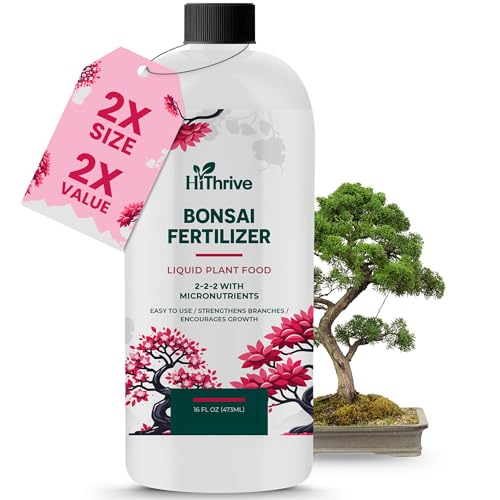
The larger concentrate is perfect for growers with several trees. I make large batches and store them. It saves money and limits trips to the store.
It contains a full macronutrient mix and key micronutrients. I dose carefully and keep records. For heavy collectors, it’s a cost‑wise way to feed multiple ficus bonsai.
Pros:
- Great value for multiple trees
- Includes micronutrients for balanced health
- Mixes into many gallons of feed
- Stable concentrate formula for storage
- Good for frequent feeders and clubs
Cons:
- Larger bottle may be overkill for one tree
- Need careful storage to prevent contamination
My Recommendation
Choose the large concentrate if you manage many ficus bonsai. I use it in a batch schedule to speed care. It offers good value and keeps feed consistent across trees. It helps maintain the best fertilizer for ficus bonsai practice in larger collections.
| Best for | Why |
|---|---|
| Collectors | Bulk value and batch mixing |
| Frequent feeders | Economical for many doses |
| Clubs | Shared use and storage |
Bonsai Liquid Food (Alternate 8 oz)
This version is a gentle all‑purpose liquid. I keep it for seasonal feeding when plants transition. It’s balanced and safe for most bonsai species including ficus.
I find it useful as a backup when other products run low. It gives consistent results and helps maintain steady color and growth. It’s a practical bottle to keep on hand.
Pros:
- Universal formula for many bonsai
- Easy to use as a seasonal boost
- Gentle and safe for indoor use
- Compact bottle for storage
- Good backup product for emergencies
Cons:
- Not specialized for specific needs
- Smaller size means frequent repurchases
My Recommendation
Keep this bottle as a seasonal or emergency feed. I use it when I need a safe, general feed for my ficus bonsai. It acts as a steady backup to more targeted products and helps maintain the best fertilizer for ficus bonsai routine.
| Best for | Why |
|---|---|
| General use | Safe, balanced formula |
| Seasonal change | Good transitional feed |
| Backups | Handy emergency bottle |
Bonsai Liquid (16 oz Value)
This value bottle makes many gallons of feed for bigger collections. I keep one on the bench to mix weekly. It’s the same trusted formula but in larger supply.
It helps me stay consistent. I record dilution rates and label jugs. For growers who feed often, this larger bottle reduces cost and fuss. It keeps my ficus bonsai regimen steady.
Pros:
- Large supply for many trees
- Good for weekly batch mixing
- Saves cost per gallon of mixed feed
- Includes needed micronutrients
- Stable formula for regular use
Cons:
- Too large for a single small tree
- Needs proper storage to keep fresh
My Recommendation
Buy the value bottle if you feed many ficus bonsai. I prefer bulk for clubs and collectors. It keeps supply steady and saves money. For the best fertilizer for ficus bonsai across a collection, bulk is wise.
| Best for | Why |
|---|---|
| Large collections | Bulk value and consistency |
| Weekly mixers | Make many gallons easily |
| Cost savers | Lower cost per dose |
Ficus Liquid (8 oz alt)
This is another ficus‑focused liquid I keep for display trees. I use it when I want a quick leaf boost before shows. It gives consistent color without pushing too much soft growth.
I recommend it for growers who show trees or sell plants. The formula targets leaf gloss and steady branch strength. It is a reliable part of my toolkit for the best fertilizer for ficus bonsai care.
Pros:
- Targets leaf gloss and display quality
- Balances vigor without too much stretch
- Good for pre-show prep
- Simple to apply and dilute
- Works on many ficus cultivars
Cons:
- Not ideal as sole feed for long term
- Best when paired with soil/organic feeds
My Recommendation
Choose this for display trees and sales prep. I use it to get clean leaf color before shows. It performs well with other feeders to give the best fertilizer for ficus bonsai results in appearance and health.
| Best for | Why |
|---|---|
| Display prep | Boosts leaf gloss |
| Sales trees | Improves marketable appearance |
| Show growers | Reliable, consistent results |
FAQs Of best fertilizer for ficus bonsai
How often should I feed a ficus bonsai?
Feed with liquid fertilizer every 2 weeks during spring and summer. Cut back to monthly in fall. Stop feeding in deep winter if tree is dormant. Use slow‑release pellets for steady year‑round base feeding.
Which NPK ratio is best for ficus bonsai?
A balanced 3‑1‑2 or similar NPK works well for most ficus bonsai. Slightly higher nitrogen helps leaf growth. For root work, add more phosphorus. Rotate formulas through the season for balance.
Can I use houseplant fertilizer on ficus bonsai?
Yes, many houseplant feeds work if they are balanced and dilute well. Bonsai prefer gentler, steady feeds. Always dilute to half or quarter strength and monitor leaf response. Follow the best fertilizer for ficus bonsai guidelines for repotting seasons.
Is organic better than synthetic for ficus bonsai?
Organic feeds build soil life and reduce salt buildup. They act slower but improve resilience. I use organics for long‑term health and synthetics for quick correction. A blend gives the best fertilizer for ficus bonsai strategy.
Will foliar sprays replace soil fertilization?
No. Foliar sprays supply fast micronutrients and quick fixes. They do not replace root feeding. Use sprays as a supplement. Combine sprays with a soil feed for complete nutrition and the best fertilizer for ficus bonsai care.
Final Verdict: Which Should You Buy?
The top pick for most growers is a balanced liquid 3‑1‑2 concentrate. It gives fast, reliable growth and pairs well with pellets or organics.
For steady, low‑maintenance care, combine a slow‑release pellet with occasional liquid feed to get the best fertilizer for ficus bonsai results.

Laura Bennett is a gardening writer at MyGardenLabs who creates beginner-friendly guides focused on solving common plant care and gardening problems.