Is My Bonsai Tree Dead: How To Tell And Save It
Most bonsai show clear signs before dying; many that look dead can still be saved.
I’ve cared for bonsai for over a decade and helped revive trees that owners were sure were gone. If you’re asking "is my bonsai tree dead," this guide walks you through clear checks, common causes, step-by-step revival tips, and when to let go. Read on for practical tests, real-life examples, and easy actions you can take today to assess and possibly save your tree.

Signs your bonsai tree is dead
You can often tell whether a bonsai is dead by looking and testing. If you ask "is my bonsai tree dead," start with these visible signs.
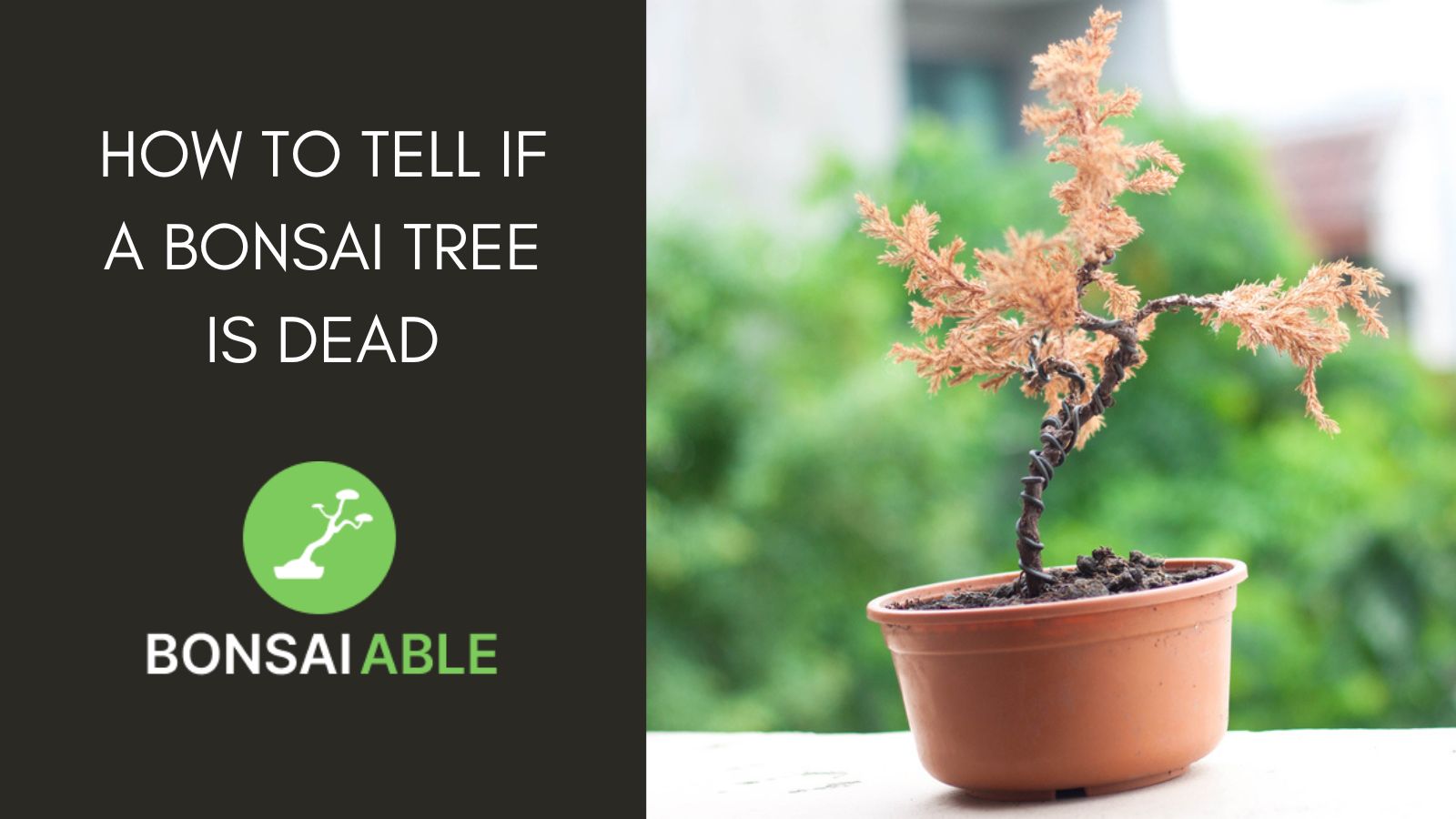
- Leaves that are brown, brittle, and fall off in clumps.
- A trunk that is mushy, black, or hollow when probed.
- Branches that snap cleanly with no green inside.
- Soil that smells sour or stays waterlogged for days.
- Roots that are black, slimy, or fully rotten when inspected.
Often a bonsai can look awful but still have live tissue near the trunk base or under bark. I’ve seen trees with almost all leaves gone recover after correct watering and root care. If more than half the trunk is dried and hollow, the tree is probably beyond recovery.

How to test whether your bonsai is alive
Practical tests help answer "is my bonsai tree dead" without guesswork. Try these quick checks.
-
Scratch test
- Gently scrape away a thin patch of bark on a small branch or trunk.
- Look for green, moist cambium under the bark. Green means alive; brown and dry means dead.
-
Bend test
- Bend a small twig. A flexible twig with some give is alive. A twig that snaps like a dry stick is dead.
-
Root check
- Remove the tree gently from its pot. Healthy roots are white or light tan and firm. Dark, mushy roots indicate rot.
-
Leaf and bud check
- Inspect buds closely. Swollen or soft buds often signal life. Fully shriveled buds often mean the part is dead.
These tests are low risk when done carefully. I use the scratch test first, since it’s quick and tells you a lot without disturbing roots. If multiple tests show no life, prospects are slim.
Common causes of bonsai death
Understanding causes helps prevent future loss and answers "is my bonsai tree dead" by linking signs to reasons.
-
Overwatering
- Causes root rot and suffocates roots. Soil stays soggy and roots turn black.
-
Underwatering
- Roots dry, leaves drop, and branches die from the tips inward.
-
Poor drainage or wrong soil
- Bonsai need fast-draining, airy mixes. Heavy soil traps water.
-
Wrong light and temperature
- Indoor species need steady light; outdoor species need seasonal cues or they decline.
-
Pests and disease
- Root fungus, scale, and spider mites can weaken or kill a bonsai quickly.
-
Rootbound or pot damage
- Crowded roots struggle to feed the tree and can lead to decline.
I’ve lost trees to overwatering more often than any other cause. Once roots rot extensively, recovery is slow and uncertain. Addressing causes early is the best chance to answer "is my bonsai tree dead" with a hopeful result.

Can a seemingly dead bonsai be revived?
Yes — sometimes. When people ask "is my bonsai tree dead," many are surprised that simple actions can bring trees back.
- If the trunk or major branches still show green under bark, recovery is possible.
- Small trees and species with hardy root systems respond best to revival efforts.
- Revival needs time, patience, and correct conditions: proper light, water balance, and often root work.
From experience, I’ve revived trees by removing dead wood, correcting watering, and improving soil. However, recovery can take months and sometimes the tree only partially recovers. Be patient and expect gradual signs like new buds or green under bark before celebrating.

Step-by-step revival plan
Follow a clear plan if you want to try saving your bonsai. These steps address the most common problems when people wonder "is my bonsai tree dead."
- Inspect and test
- Do the scratch test and root check to confirm live tissue.
- Prune dead material
- Remove only fully dead branches and leaves. Avoid heavy cuts during stress.
- Repot if roots are rotten or soil is compacted
- Trim only clearly dead roots and use fresh, fast-draining bonsai soil.
- Adjust watering
- Water thoroughly but allow surface to dry slightly between waterings. Monitor daily.
- Improve light and airflow
- Move the tree to appropriate light and avoid drafts or sudden temperature swings.
- Hold back on fertilizer
- Wait until the tree shows recovery signs before feeding. Start with a weak fertilizer.
- Watch and support
- Observe weekly. Use a tray to humidify if indoor species need higher humidity.
I once revived a ficus by repotting to remove rotten roots, then keeping moisture consistent. It took nine months to produce steady new growth, but patience paid off.

Preventive care to keep your bonsai alive
To avoid asking "is my bonsai tree dead" later, follow simple daily and seasonal habits.
- Use the right soil mix for drainage and aeration.
- Water based on soil moisture, not a strict schedule. Check with a finger or moisture meter.
- Provide appropriate light for the species—indoors or outdoors as needed.
- Repot every 2–4 years to refresh soil and prune roots.
- Inspect regularly for pests and disease and act fast if you find problems.
- Learn species needs: seasonal pruning, dormancy, and fertilization vary widely.
My best tip: observe daily for small changes. Small problems spotted early are easy to fix. That habit has saved more trees in my care than any other trick.

When to accept loss and recycle your bonsai
Knowing when to stop is as important as trying to save the tree. If you keep asking "is my bonsai tree dead" and tests show no life, here’s what to do.
- Confirm with multiple tests: scratch, bend, and root inspection.
- If most trunks and main roots are dry or rotten, the tree will not recover.
- Remove and compost the remains responsibly. Sterilize tools to avoid spreading disease.
- Consider reusing a still-good pot and soil after sterilizing it.
- Plant a new tree with lessons learned on watering, soil, and light.
Losing a bonsai hurts but it’s a chance to apply what you learned. Many bonsai growers start a better tree with the experience of the last one.

Frequently Asked Questions of is my bonsai tree dead
How quickly can I tell if my bonsai is dead?
Use the scratch and bend tests for immediate clues. Roots and bud checks give more certainty within a day or two.
Can a bonsai with no leaves still be alive?
Yes, many species drop leaves in stress but keep live cambium. Check bark color, buds, and roots to confirm.
Is overwatering or underwatering more likely to kill a bonsai?
Overwatering is the most common killer because it causes root rot and hides symptoms longer than drought.
Should I repot immediately if I think my bonsai is dying?
Repot only after confirming root rot or compacted soil. Gentle inspection first helps you choose the right action.
How long should I try to revive a bonsai before giving up?
Try consistent recovery steps for several months. If no green tissue or new buds appear in 3–6 months, chances are low.
Can pests make a bonsai look dead?
Yes. Heavy infestations or disease can cause defoliation and dieback that mimic a dead tree. Treat pests promptly.
Is it safe to cut back to healthy wood and wait?
Yes. Pruning to healthy wood can conserve energy for recovery, but avoid heavy pruning on a severely stressed plant.
Conclusion
Assessing whether "is my bonsai tree dead" takes calm checks, simple tests, and patient care. Start with the scratch and root checks, correct water and soil problems, and follow a careful revival plan if live tissue remains. If the tree can’t be saved, reuse what you can and apply lessons to a new start. Try one test today, act based on what you find, and share your progress or questions—your next bonsai has a better chance because you learned from this one.

Laura Bennett is a gardening writer at MyGardenLabs who creates beginner-friendly guides focused on solving common plant care and gardening problems.