How Often To Water Juniper Bonsai: Essential Care Tips
Water a juniper bonsai when the top inch of soil is dry — typically every 2–7 days depending on conditions.
I have grown and cared for dozens of juniper bonsai over the years, so I know that answering how often to water juniper bonsai is rarely a one-size-fits-all statement. This guide breaks down practical rules, seasonal schedules, soil and pot effects, signs of stress, and step-by-step watering methods you can use today. Read on to learn clear, expert-tested advice to keep your juniper bonsai healthy and thriving.

Watering basics for juniper bonsai
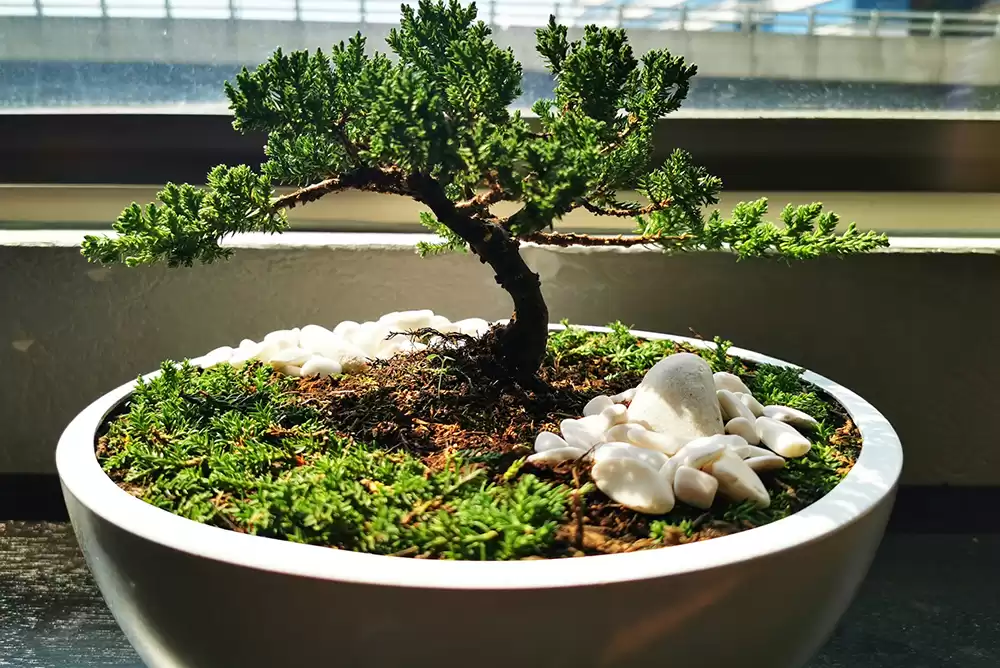
Junipers are hardy but have specific moisture needs. Understanding how often to water juniper bonsai starts with these basics.
- Juniper bonsai prefer slightly drier soil than many indoor tropical bonsai.
- They do not like to sit in waterlogged soil for long periods.
- Root health is the key to balancing moisture and aeration.
Typical frequency ranges from every 2 to 7 days. Warm, dry, or windy conditions push watering toward every 1–3 days. Cool, cloudy, or sheltered spots can stretch intervals to 6–7 days. Always check the soil before adding water. How often to water juniper bonsai depends on temperature, humidity, pot size, soil mix, and the tree’s age.
Factors that change how often to water juniper bonsai
Several factors change watering needs. Learn them and you can tailor your schedule.
- Climate and season
- Hot summers and dry winds increase water loss and shorten intervals.
- Dormant or cool months slow growth and reduce water demand.
- Pot size and material
- Small pots dry faster than larger ones.
- Unglazed clay pots lose moisture quicker than plastic or glazed pots.
- Soil mix
- Fast-draining mixes need more frequent watering.
- Dense, moisture-retentive mixes hold water longer and need less frequent checks.
- Tree size and root mass
- Young or recently repotted trees need more consistent moisture.
- Established trees with larger root mass tolerate longer gaps.
- Placement and light
- Direct sun increases water demand.
- Shaded spots reduce evaporation and slow drying.
By considering these factors you can predict how often to water juniper bonsai more accurately.
How to check moisture — practical methods
Never water on a fixed timer alone. Use simple tests.
- Finger test
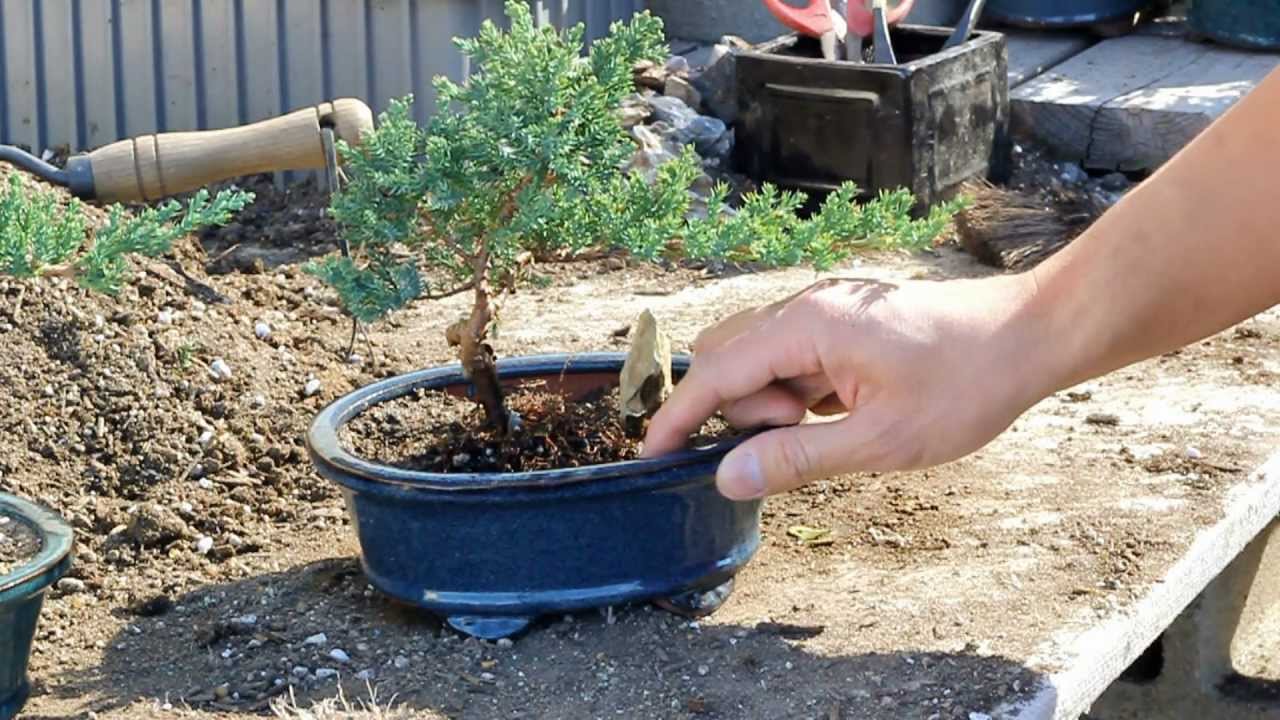
- Insert your finger about one inch into the soil. If it feels dry, water. If it’s cool and slightly moist, wait.
- Chopstick or wooden skewer
- Push it into the soil, then pull it out. Dry skewer means dry soil; damp skewer means hold off.
- Moisture meter
- Use a basic meter for quick reads. Aim for a moderate reading, not saturated.
- Lift the pot
- Learn the weight of a dry versus a freshly watered pot. It’s an easy daily check.
These checks help determine how often to water juniper bonsai without risking overwatering.
Proper watering technique
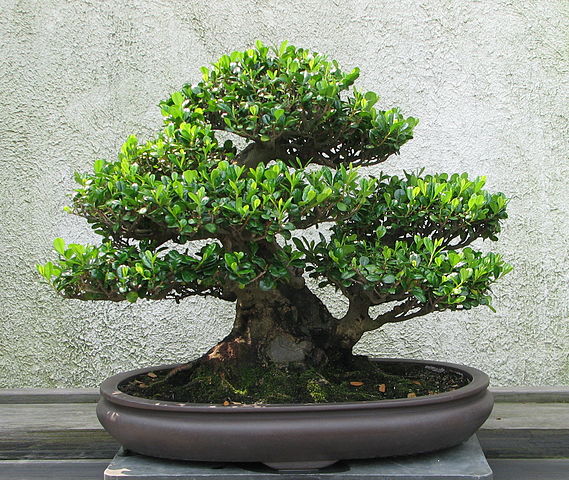
How you water matters as much as how often you water juniper bonsai.
- Water slowly and evenly until it runs out of the drainage holes.
- Use a fine nozzle or watering can to avoid disturbing soil.
- Avoid shallow, surface-only watering. Ensure water reaches the root zone.
- Water in the morning when possible to reduce fungal risk and allow foliage to dry.
- For outdoor junipers, deep soakings less often are better than many light sprays.
Good technique encourages deep root growth and fewer watering mistakes.
Seasonal watering schedule (general guide)
Adjust frequency by season. These ranges give a starting point for how often to water juniper bonsai.
- Spring
- Active growth. Check soil every 2–4 days. Water when top inch dries.
- Summer
- Peak demand. Check daily to every 3 days. Increase frequency in heat or wind.
- Fall
- Slow growth. Stretch to every 3–6 days as temperatures drop.
- Winter (dormant, outdoors in temperate zones)
- Minimal watering. Check every 7–14 days; avoid freezing-soaked soil.
Remember: these are starting ranges. Always check soil before watering, and adapt for your microclimate and potting mix.

Signs of underwatering and overwatering
Spotting stress early prevents lasting damage.
- Underwatering signs
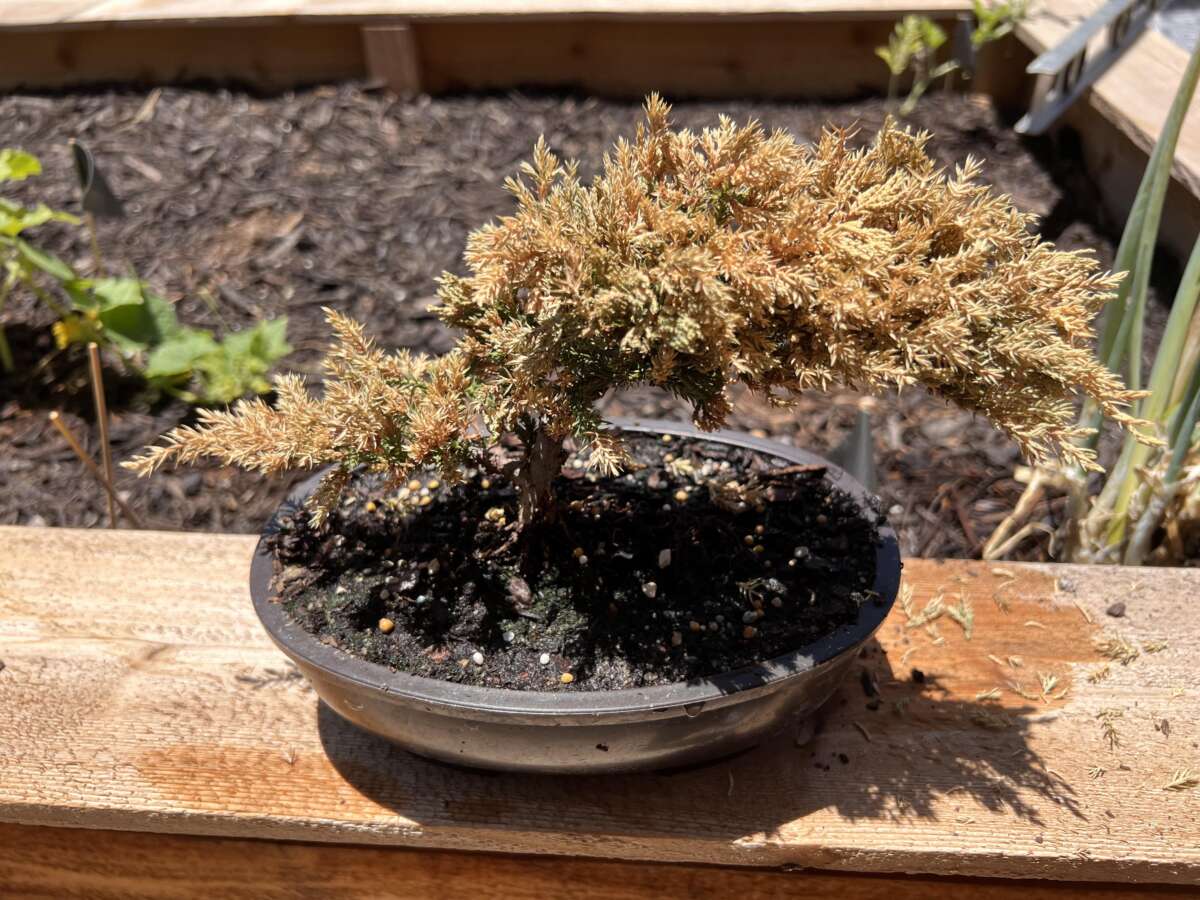
- Browning needle tips, dry brittle foliage, slow growth, soil pulling away from pot edges.
- Overwatering signs
- Yellowing needles, soft or blackened roots, mold on soil, slow decline despite wet soil.
- How to respond
- Underwatered trees: soak thoroughly and then monitor daily.
- Overwatered trees: stop watering, improve drainage, and if roots are mushy, repot into fresh mix.
Knowing these signs helps you correct how often to water juniper bonsai before problems escalate.
Soil, pot, and drainage: why they matter
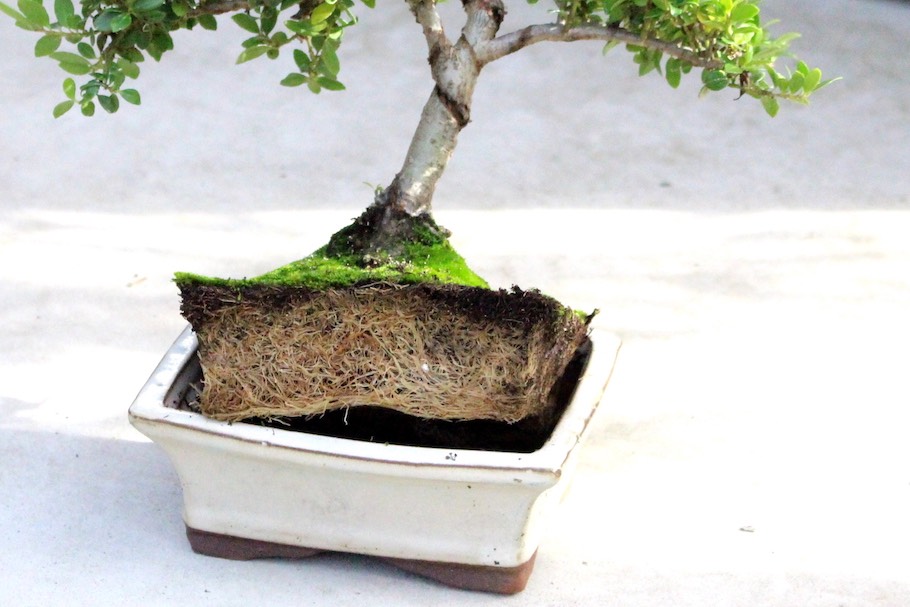
Soil mix and pot choice directly affect how often to water juniper bonsai.
- Use a fast-draining bonsai mix with inorganic components like akadama, pumice, or lava rock.
- Add organic matter sparingly. Too much peat or compost holds excess moisture.
- Always use pots with drainage holes.
- Consider a mesh over drains to keep soil from washing out while maintaining flow.
Well-draining soil reduces the risk of root rot and makes your watering schedule more predictable.

Troubleshooting and common mistakes
Avoid these mistakes that change how often to water juniper bonsai for the worse.
- Watering on a fixed schedule without checking soil
- Using dense potting soil that stays soggy
- Keeping bonsai indoors in dry heat without humidity
- Ignoring the pot size effect
- Using a spray-only approach that wets foliage but not roots
Learning from these common errors improves your ability to judge how often to water juniper bonsai.
Personal experience and lessons learned
I’ve kept juniper bonsai for over a decade. Here are real lessons from my practice.
- A small shimpaku in a clay pot needed water every other day in summer. I learned to trust the finger test more than a calendar.
- I once lost a tree by watering the same amount year-round. Seasonal adjustment is essential.
- Repotting into a grittier mix cut my summer watering from daily to every 3–4 days. Good soil saved me time and stress.
These hands-on examples show the need to tailor how often to water juniper bonsai to each tree and season.
Quick troubleshooting checklist
Use this checklist when unsure about how often to water juniper bonsai.
- Check the top inch of soil before watering.
- Use finger, skewer, or meter to confirm moisture.
- Water deeply until runoff.
- Note pot weight as a daily cue.
- Adjust schedule for heat, wind, or growth changes.
This routine will help you make confident watering decisions.
PAA-style quick questions (short answers)
Q: Can I water my juniper bonsai every day?
A: You can in hot, dry weather or if the pot and soil dry quickly, but daily watering is often unnecessary and can cause shallow roots.
Q: Is misting enough for juniper bonsai?
A: Misting hydrates foliage briefly but does not replace deep root watering. Use misting only to raise humidity, not as main watering.
Q: Should I water my juniper bonsai less in winter?
A: Yes. Growth slows in cool months, so reduce frequency and avoid saturated soil, especially if the tree is outdoors.
Frequently Asked Questions of how often to water juniper bonsai
How often should I water a small juniper bonsai in summer?
Small pots dry fast; check daily. Typically water every 1–3 days, depending on heat and wind.
Can I keep my juniper bonsai indoors and water less often?
Indoors can slow drying, but indoor heat may dry soil quickly. Check moisture often and water when the top inch is dry.
How deep should my water soak when I water my juniper bonsai?
Soak until water runs from the drainage holes to ensure the entire root ball is wet, then allow partial drying before the next soak.
Does pot material affect watering frequency?
Yes. Unglazed clay pots dry faster and may require more frequent watering than plastic or glazed pots.
How do I revive an overwatered juniper bonsai?
Stop watering, improve drainage, and consider repotting into fresh, fast-draining soil if roots are rotting. Trim damaged roots and allow the tree to recover in bright, indirect light.
Conclusion
Watering a juniper bonsai well means observing, testing, and adapting. Start by checking the top inch of soil and learn how your specific tree, pot, and climate affect drying rates. Use the finger test, soak deeply, and adjust by season. With practice, you’ll quickly know how often to water juniper bonsai for each tree in your care. Try the steps above this week and note changes; your bonsai will reward consistent, thoughtful attention. Share your results or questions in the comments, subscribe for more bonsai care tips, or try adjusting one factor at a time to see what works best.

Laura Bennett is a gardening writer at MyGardenLabs who creates beginner-friendly guides focused on solving common plant care and gardening problems.