How To Keep A Bonsai Tree Alive: Easy Care Guide
Keep a bonsai alive by giving it the right water, light, soil, and seasonal care.
I have grown bonsai for over a decade. I know the small mistakes that kill them fast. This guide on how to keep a bonsai tree alive walks you through clear steps. You will learn watering by feel, choosing soil and pot, pruning with confidence, and spotting trouble early. Read on to get simple, proven tips that help your bonsai thrive for years.

Why bonsai die: common causes and how to avoid them
Many beginners lose trees to simple errors. The top causes are overwatering, poor drainage, wrong light, and bad potting soil. Pests and neglect also shrink a healthy tree fast. To learn how to keep a bonsai tree alive, focus first on water, soil, and light. Fix those three and most problems vanish.
:max_bytes(150000):strip_icc()/indoor-bonsai-tree-f3f558eb4fab4c07bb17e41bdaa9adf4.jpg)
Choosing the right tree and location
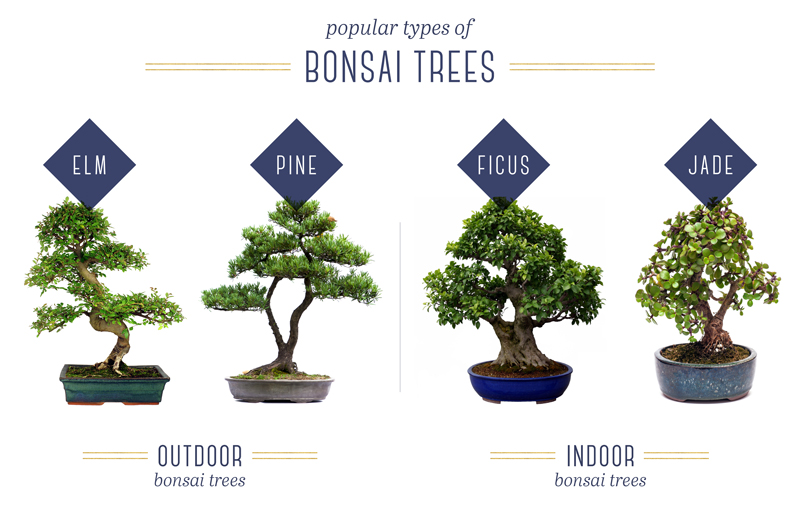
Pick a tree that fits your home. Some species like indoor warmth. Others need outdoor seasons to thrive.
- Pick a species that matches your climate and skill level. Start with hardy maples, ficus, or junipers for beginners.
- Choose a spot with good light and stable temperature. Avoid drafty windows and hot radiators.
- Match the tree to your time. If you travel a lot, choose a forgiving species and a simple care plan.
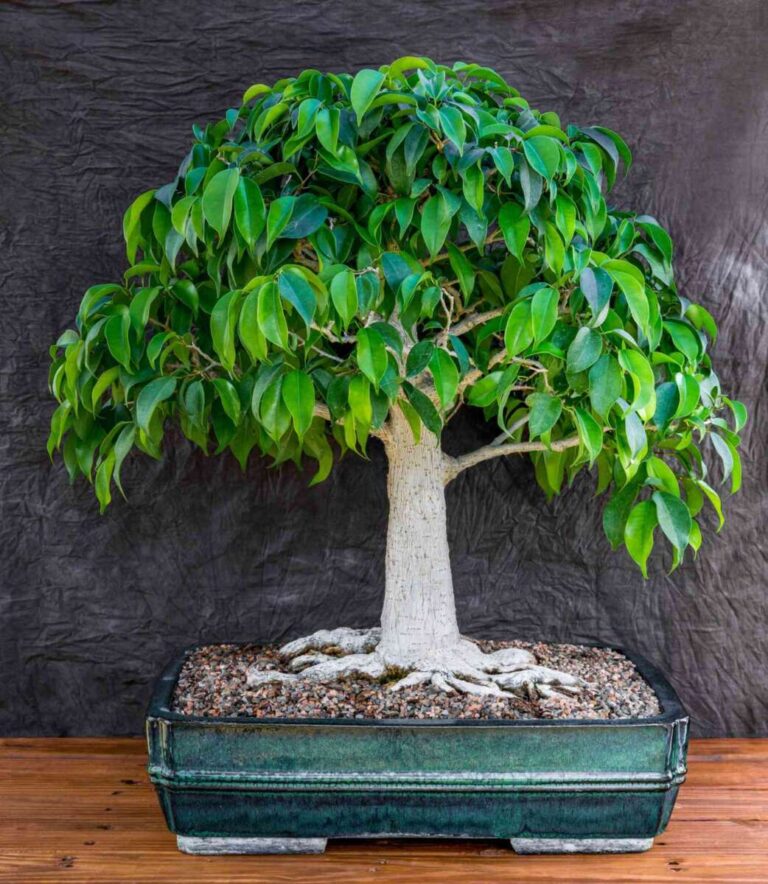
My first bonsai was a ficus. I kept it near a window and learned to water by weight. That one taught me how to keep a bonsai tree alive by forcing me to watch it closely.

Watering: when, how much, and how to check
Watering is the most common worry. Too much is worse than too little. Learn to read the soil, not a schedule.
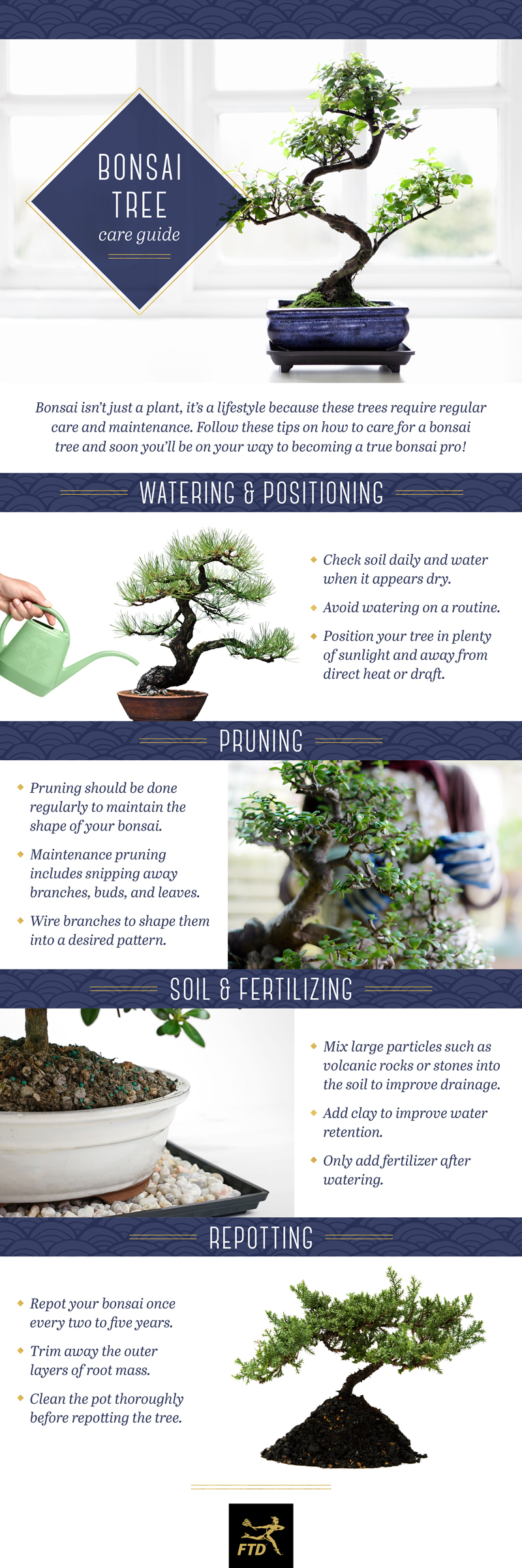
- Check daily in warm months. Stick a finger one inch into the soil. If it feels dry, water.
- Water until water drains from the pot’s holes. This ensures roots get wet through.
- Use a watering can with a fine nozzle to avoid washing soil away.
- Adjust for species, size, pot, and season. Small pots dry faster.
Signs of poor watering:
- Leaves yellow and drop when overwatered.
- Leaves brown and crisp when underwatered.
I once watered my tree every morning. It drowned. After that I checked soil first and saved many trees. Learning how to keep a bonsai tree alive starts with this one habit.
Soil, potting, and drainage
Bonsai need soil that drains well and holds some moisture. Pot size and mix matter more than fancy pots.
- Use a bonsai mix or blend: inorganic grit, pumice, and a small amount of organic matter.
- Ensure pots have multiple drainage holes.
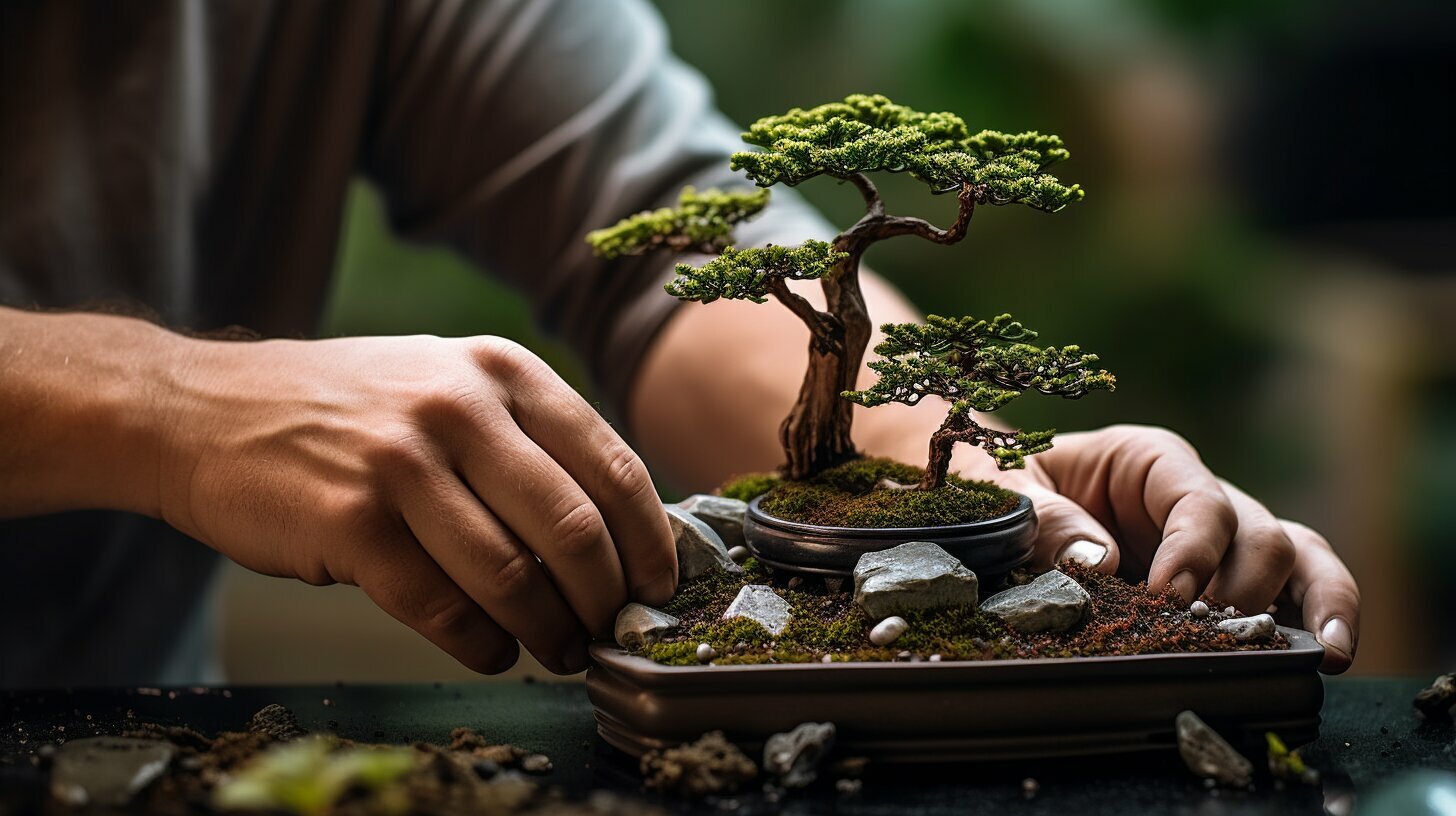
- Repot young trees every 1–3 years. Repot older trees every 3–5 years.
- Trim about a third of the roots during repotting if root-bound.
Good soil prevents root rot and keeps the roots healthy. When you learn how to keep a bonsai tree alive, think of soil as the tree’s lifeline.
:strip_icc()/GettyImages-598322873-409b66c4895d492eb28fde9e752d98ad.jpg)
Pruning, wiring, and shaping
Pruning keeps size and style in check. Wiring guides growth. Do both with care.
- Prune new shoots to keep the shape tidy. Remove dead branches promptly.
- Use clean, sharp tools to avoid tearing bark.
- Wire branches only when dry and during growth season. Remove wire before it digs in.
- Study branch angles and apex balance to create a pleasing form.
A rule I use: prune to create light and airflow. A well-pruned bonsai resists pests and grows stronger. That is a key part of how to keep a bonsai tree alive long term.
Light, temperature, and humidity
Light drives photosynthesis. Temperature and humidity set stress levels.
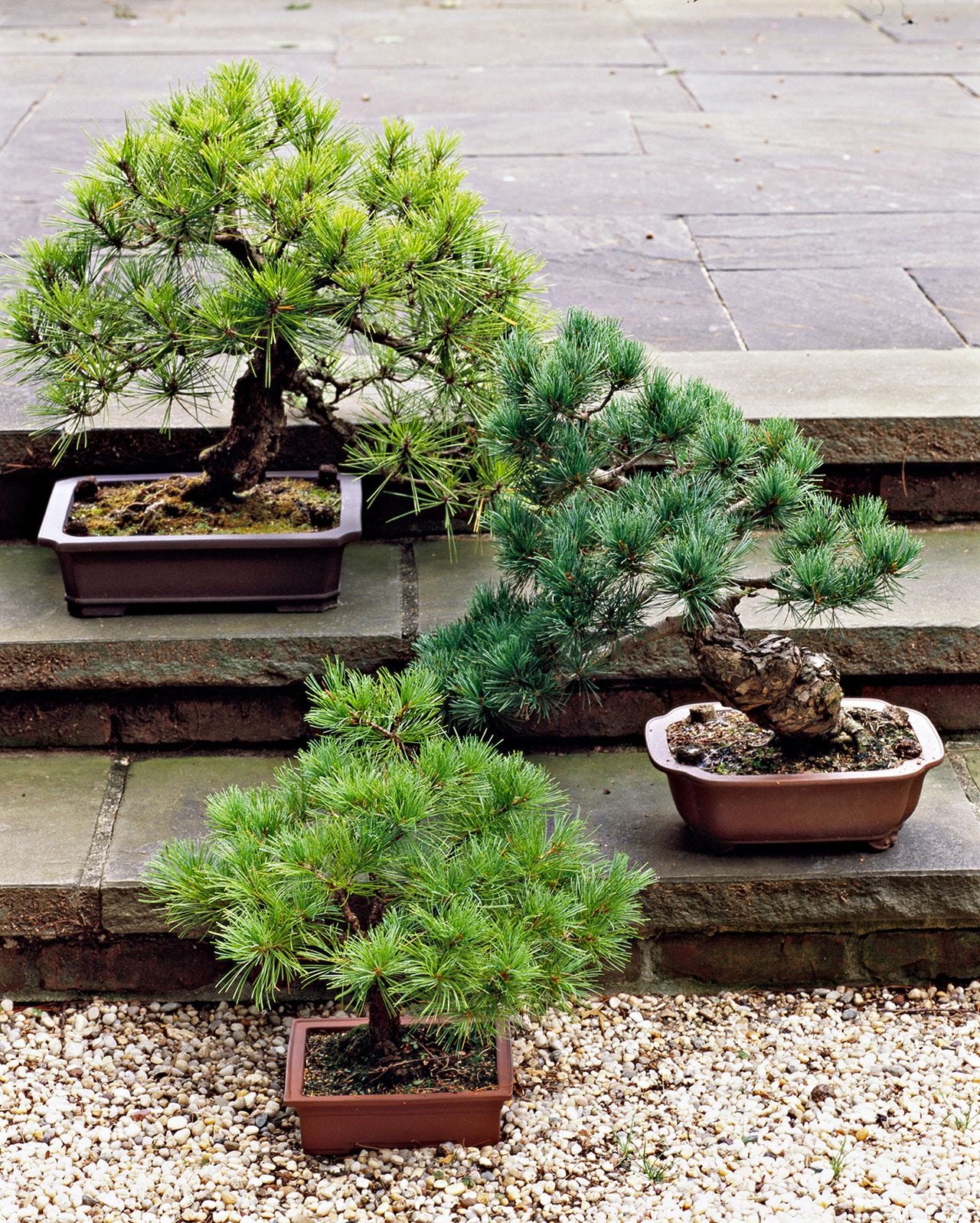
- Provide bright light for most species. Outdoor bonsai need full to partial sun.
- Indoor bonsai do best near an east or south window.
- Keep humidity higher than typical indoor air. Use trays or humidifiers when air is dry.
- Adjust care for winter dormancy. Many temperate species need a cool rest period.
If your bonsai loses vigor, ask whether light or humidity is wrong. Fixing these often revives a struggling tree and is central to how to keep a bonsai tree alive.

Pest and disease management
Pests and diseases move fast in small pots. Catch them early.
- Inspect leaves and soil weekly. Look for scale, mites, and aphids.
- Use a soft spray of water or insecticidal soap for small infestations.
- Remove diseased leaves and prune infected branches.
- Improve airflow and soil drainage to prevent fungal issues.
I treat problems early with targeted care. A small infestation fixed quickly rarely harms the tree. Early action is a major reason I know how to keep a bonsai tree alive.
Routine care schedule and checklist
A simple routine keeps trees healthy. Use this checklist as a habit.
- Daily: Check soil moisture and pests.
- Weekly: Rotate pot for even light. Mist if air is dry.
- Monthly: Light feed with diluted fertilizer during growth season.
- Seasonal: Repot if needed, change watering for cooler months, hard prune before growth begins.
Small, steady care beats rare, intense sessions. This steady care is the heart of how to keep a bonsai tree alive.
Troubleshooting common problems
Know the signs and act fast.
- Yellow leaves: likely overwatering or nutrient lack. Check soil and fertilizer.
- Leaf drop: sudden change in light or temp. Move tree to stable conditions.
- Brown leaf tips: low humidity or under-watering. Raise humidity and check water.
- Soft trunk or bad smell: root rot. Remove, prune roots, repot in fresh mix.
- Slow growth: check light, soil, and root health. Feed lightly in the season.
I once revived a near-dead tree by repotting and moving it outdoors for the summer. It bounced back in weeks. That saved tree taught me practical steps on how to keep a bonsai tree alive when it looks doomed.
My top practical tips from experience
These are the things I wish I knew at the start.
- Learn to water by weight: lift the pot to feel wet vs dry.
- Buy a moisture meter for big pots or if you travel. It reduces guesswork.
- Keep a small tool kit: sharp shears, concave cutters, wire, root rake.
- Log care. A simple note on watering and repotting helps you avoid repeat mistakes.
These habits make daily care easy and reliable. They form a real-life guide to how to keep a bonsai tree alive.
Frequently Asked Questions of how to keep a bonsai tree alive
How often should I water my bonsai?
Watering depends on pot size, species, and weather. Check soil daily in warm months and water when the top inch feels dry.
Can I keep any bonsai indoors?
Not every bonsai thrives indoors. Tropical species work well inside; temperate trees usually need outdoor seasons to stay healthy.
How long does a bonsai live with proper care?
With care, many bonsai live for decades. Some species can live over a hundred years when tended well.
When should I repot my bonsai?
Repot young trees every 1–3 years, older trees every 3–5 years. Repot in spring before new growth starts for best recovery.
What is the best soil for bonsai?
A well draining mix of inorganic grit, pumice, and a small amount of organic matter works best. Good drainage prevents root rot.
How do I know if my bonsai needs fertilizer?
If growth is slow or leaves are pale, feed in the growing season. Use a balanced, diluted fertilizer every 3–4 weeks.
Conclusion
Keeping a bonsai alive is a simple habit of good water, the right soil, correct light, and steady care. Start small, watch your tree, and learn from each season. Try one change this week—check soil by touch or move the tree for better light—and see the difference. Leave a comment with your bonsai story or subscribe to learn more tips on how to keep a bonsai tree alive.

Laura Bennett is a gardening writer at MyGardenLabs who creates beginner-friendly guides focused on solving common plant care and gardening problems.