Why Are Bonsai Trees So Expensive: Hidden Costs Explained
Because they combine age, skilled labor, rarity, premium materials, and artist reputation.
I’ve spent years growing, buying, and selling bonsai, so I’ve seen the full picture of why bonsai trees are so expensive. This guide breaks down every cost and value driver—from years of careful pruning to rare genetics—so you can spot real value and make smart choices when you shop or care for these living works of art.
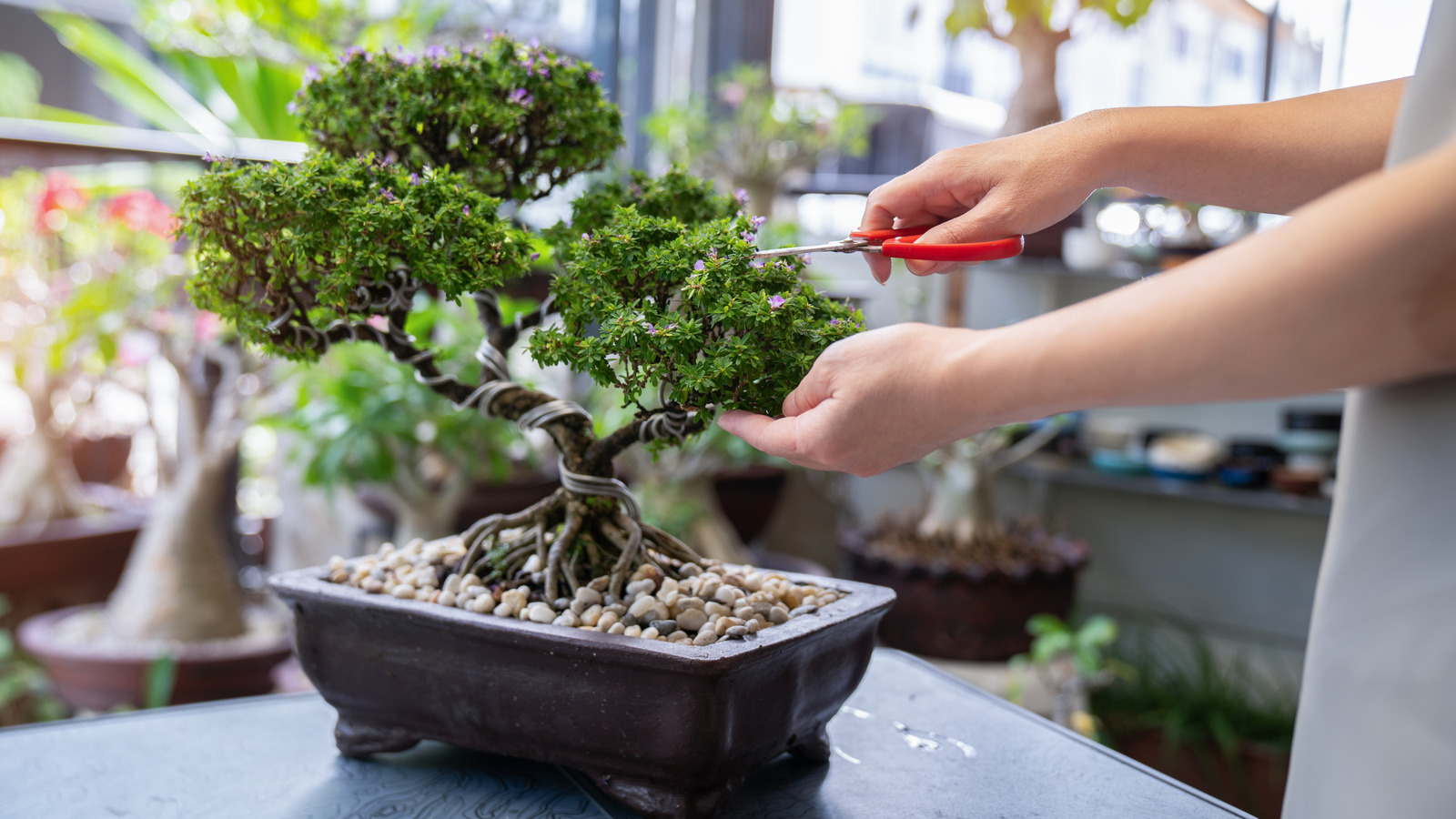
Key factors that explain why bonsai trees are so expensive
Bonsai cost comes from many small, steady efforts. It is not one thing. It is time, skill, and scarcity added together.
-
Age and training
Older trees often look better. They took decades to shape. A 50-year-old tree shows trunk taper, healed branch scars, and balanced roots. That takes time and patience. -
Skilled labor and artistic design
Bonsai artists learn design, horticulture, and repair. Training a tree is hands-on work. Every wiring, cut, and bend matters. -
Rarity of species and provenance
Some tree species are rare or slow-growing. Trees from a known artist or collection come with provenance. Provenance raises value. -
Quality of pot and materials
Fine ceramic pots, custom soil blends, and wired branches add cost. Good pots are art on their own. -
Health and maintenance costs
Bonsai need regular pruning, repotting, and pest care. Over the years, these costs add up. -
Market demand and auction prices
Collectors pay for famous trees. Auctions set high prices for standout pieces. Reputation and demand drive prices up.
Why bonsai trees are so expensive is the sum of these recurring costs and the artistic value placed on a living object that changes slowly through time.
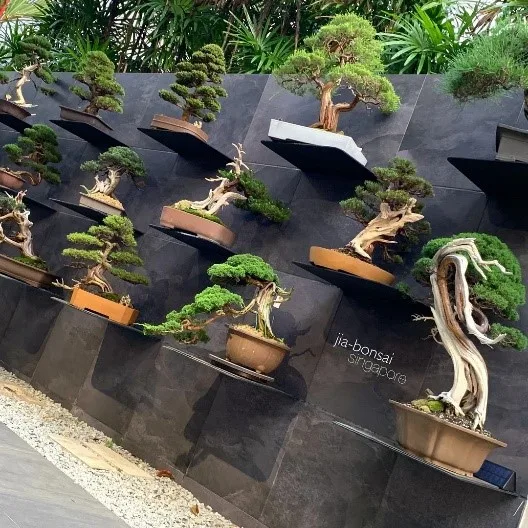
The art and labor behind bonsai: why time equals money
Bonsai are horticulture and sculpture in one. Each tree is sculpted slowly.
-
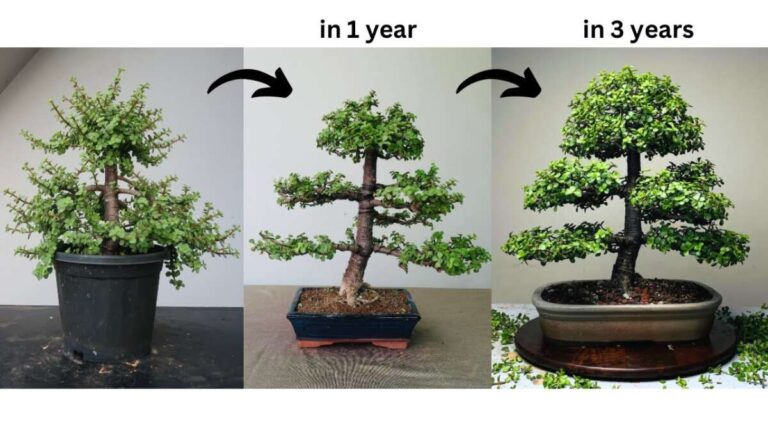
Training takes years
A beginner bonsai can be shaped in 3–5 years. A classic, refined bonsai may need decades. Each year requires pruning, wiring, and observation. -
Skilled techniques
Techniques include jin, shari, grafting, root pruning, and careful wiring. These require skill and an eye for design. -
Ongoing labor
Bonsai are not set-and-forget. Seasonal tasks repeat forever. Labor compounds the tree’s cost over time.
From my experience, a single large repot or corrective wiring session can take hours. Skilled labor is expensive. That is a big part of why bonsai trees are so expensive.
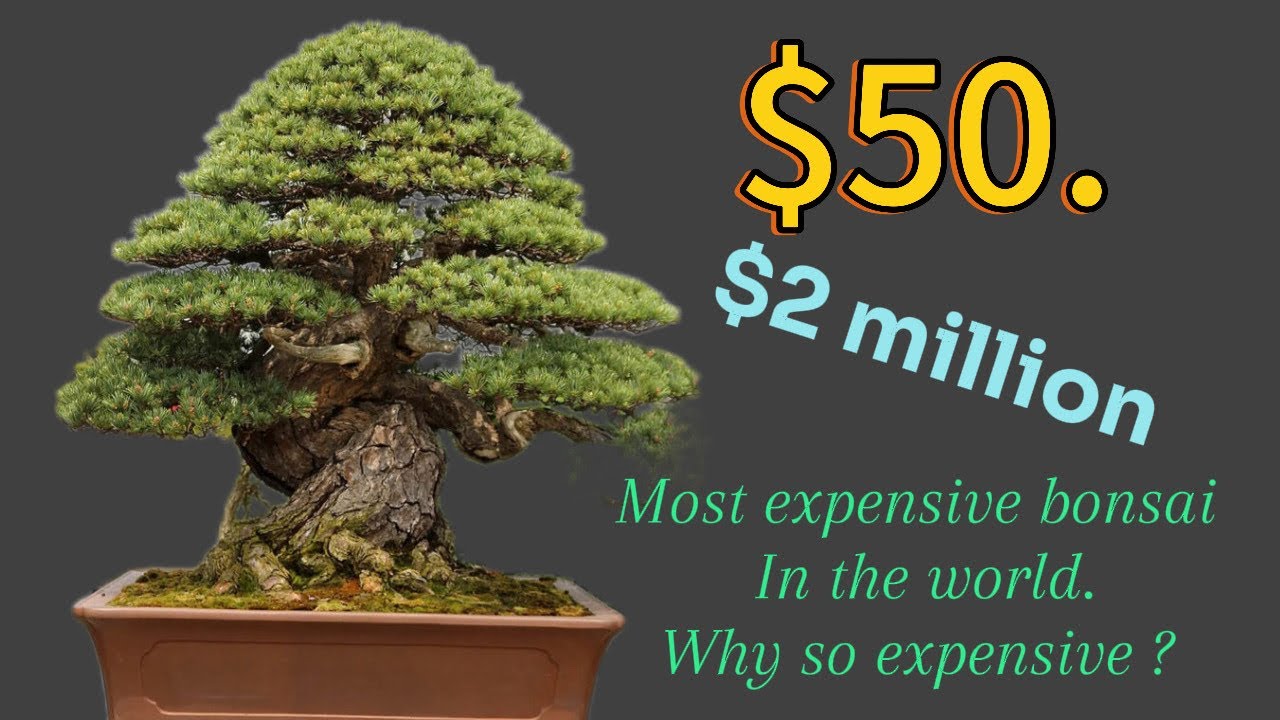
Age, rarity, and provenance: how history raises price
Age creates character. Rarity creates demand. Provenance creates trust.
-
Age adds visible signs of maturity
Deep bark texture, trunk flare, and healed cuts all signal age. Buyers pay for these signs. -
Rare species and limited stock
Some species are prized, such as old junipers, pines, and certain maples. Limited supply raises prices. -
Provenance and artist signature
A tree from a master artist or notable collection carries a premium. Provenance proves authenticity. That drives collector interest.
Collectors often pay 10x or more for a tree with documented history. This is a main reason why bonsai trees are so expensive.
Materials, pots, and tools that add real cost
The visible pot and invisible soil matter.
-
High-quality pots
Fine glazed or kiln-fired pots are handcrafted. They can cost as much as the tree. -
Specialty soil and fertilizers
Bonsai soil mixes are specific and often imported. Good soil helps tree health and styling. -
Tools and wiring materials
Bonsai tools are precise and durable. Copper or aluminum wire, aviation snips, and root hooks are investment items.
I once bought a pot that doubled the sale price of a tree. Materials can be a surprising part of why bonsai trees are so expensive.
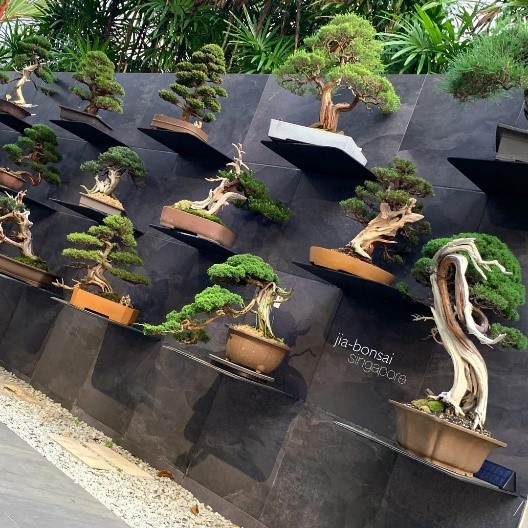
Ongoing care and hidden costs
Buying is just the start. Care adds cost and time.
-
Regular maintenance
Trimming, wiring, watering, and pest checks are weekly tasks for many bonsai owners. -
Repotting schedule
Repotting every 1–5 years requires soil, labor, and sometimes new pots. -
Shipping and legal paperwork
Shipping a mature tree safely needs custom packing. Import and export rules add fees for some species.
These hidden costs add to the lifetime expense of a tree. For many buyers, this is another reason why bonsai trees are so expensive.
Market dynamics: supply, demand, and reputation
Bonsai pricing follows art-market logic.
-
Artist reputation
A tree shaped by a respected artist commands higher bids. -
Scarcity and competition
Rare specimens create bidding wars among collectors. -
Auction and gallery markets
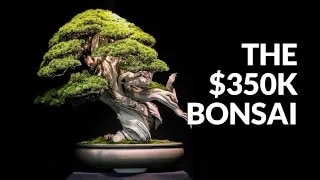
High-profile sales set price benchmarks. Media coverage can spike demand overnight.
If you wonder why bonsai trees are so expensive, part of the answer is that the market treats top bonsai like collectible art.

How to value a bonsai: practical steps before you buy
Know what to check. Don’t overpay.
-
Inspect trunk and nebari
Look for root flare and a tapered trunk. These show age and health. -
Check branch structure and balance
Good styling shows purposeful cuts and balanced growth. -
Ask about history and repotting
Know how old the tree is and when it was last repotted. Proven maintenance records add value. -
Consider pot and overall harmony
A matching pot and tree harmony increase value. -
Compare similar listings
Look at market prices for the species and age. Context helps you spot overpricing.