Can Juniper Bonsai Live Indoors: Care Tips That Work
No—can juniper bonsai live indoors long-term without special, carefully controlled conditions?
I grow and train bonsai for years. I have worked with junipers in cool greenhouses and on sunny patios. I know how they behave. This article answers can juniper bonsai live indoors with clear steps, real tips, and proven care plans. Read on to learn when indoor life works, when it fails, and how to give your juniper the best chance indoors.

Understanding juniper bonsai basics and why location matters
Juniper bonsai are outdoor trees by nature. They come from temperate climates with cold winters and bright summers. This life cycle matters for growth and health. The question can juniper bonsai live indoors often comes from people with limited space. It also comes from those who want a green companion year-round.
Junipers need strong light, air flow, and seasonal temperature swings. Indoors often lacks these key needs. Without them, trees get weak. They grow leggy, drop foliage, or catch pests and disease.
What junipers do need in simple terms:
- Bright light all day
- Cooler nights in many seasons
- Good air movement
- Dormancy cues in winter
Knowing this makes it easier to judge whether can juniper bonsai live indoors will work for you. If you can mimic outdoor conditions inside, it can be done. If not, your tree may struggle or die.
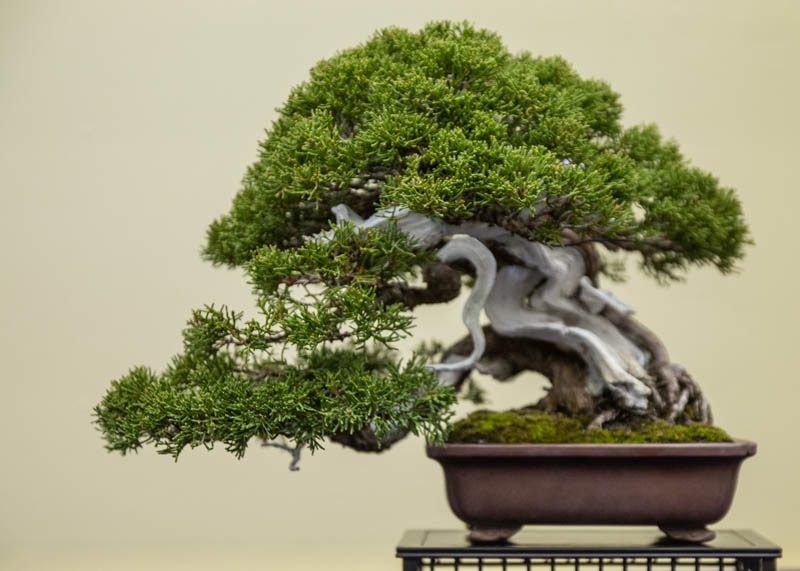
Can juniper bonsai live indoors? Practical reality and expectations
Short answer: most juniper bonsai do best outdoors. Yet the broader answer is nuanced. The phrase can juniper bonsai live indoors captures many scenarios. A juniper can survive indoors for a time. It rarely thrives long term unless conditions are right.
Indoors, light is the main limiter. Junipers need 6 to 8 hours of strong light. Most homes do not provide this. Another limit is humidity. Homes are drier, especially in winter. Dry air stresses the tree’s foliage. Finally, lack of seasonal cold prevents true dormancy. That can confuse growth cycles.
If you want to keep a juniper indoors, plan to:
- Provide supplemental grow lights
- Keep the tree near a bright, cool window
- Use a humidifier or humidity tray
- Move the tree outdoors in mild weather when possible
I have kept a juniper indoors for a winter when I lacked outdoor space. With lights and a cool spot, it survived and returned outdoors in spring. But I still recommend outdoor growing when you can.

Creating a suitable indoor environment to help your juniper survive
If you decide to try, you must plan. The main goal is to recreate outdoor signals inside. That means light, temperature, humidity, and airflow.
Light
- Install full-spectrum LED grow lights placed 12 to 24 inches above the canopy
- Run lights 10 to 12 hours daily to mimic outdoor sun
Temperature and dormancy
- Keep nights cool, ideally 40 to 55°F (4 to 13°C)
- If winter dormancy is impossible indoors, reduce temperatures and light for several weeks to simulate fall
Humidity and air flow
- Use a pebble tray with water or a humidifier for steady humidity
- Place a small fan on low speed to move air around the tree
Soil and drainage
* Use fast-draining bonsai mix with grit or pumice
- Avoid waterlogged soil which causes root rot
Placement and rotation
- Place the tree near east or south windows if possible
- Rotate the tree weekly so all sides get equal light

Watering, feeding, and pruning for indoor junipers
Watering indoor junipers differs from outdoor care. Indoor air and pot sizes change how the soil dries. Follow cues more than schedules.
Watering tips
- Water when the top 1/3 inch of soil feels dry
- Water until it runs from drainage holes to flush salts
- Avoid letting soil stay bone dry for long
Fertilizing
- Use a balanced bonsai fertilizer on a reduced schedule
- Feed lightly in winter if the tree is not fully dormant
- Resume normal feeding in spring
Pruning and wiring
- Prune to keep shape and allow light into inner branches
- Wire carefully; indoor growth can be softer and prone to snapping
- Keep wiring time shorter than for strong outdoor growth
Pest monitoring
- Watch for spider mites and scale, common indoors
- Treat early with gentle sprays or biological controls

Common mistakes and how to troubleshoot when keeping junipers indoors
People try can juniper bonsai live indoors without adjustments. That often leads to failure. Here are common mistakes and fixes.
Mistake: relying on window light alone
- Fix: add full-spectrum lights and extend light hours
Mistake: keeping tree near heat registers
- Fix: place away from direct vents and heaters
Mistake: no dormancy period
- Fix: lower night temps and reduce light gradually for several weeks
Mistake: overwatering due to fear
- Fix: test soil moisture and use well-draining mix
Signs of stress and what they mean
- Brown tips: low humidity or over-fertilizing
- Yellowing foliage: poor drainage or root problems
- Sparse growth: too little light or wrong temperatures

When to accept indoor limits and move your juniper outside
Even with effort, some junipers do better outdoors. If you can place the tree on a balcony or patio for most of the year, do so. Outdoor life gives stronger color, tighter growth, and better health.
Move your tree outdoors when:
- Night lows are consistently above 40°F for tropical species, but check species tolerance
- The tree has been healthy indoors and can adjust to sun gradually
Acclimation steps
- Start in morning sun for a few hours, then increase sun daily
- Watch for sunburn on sensitive foliage and provide temporary shade
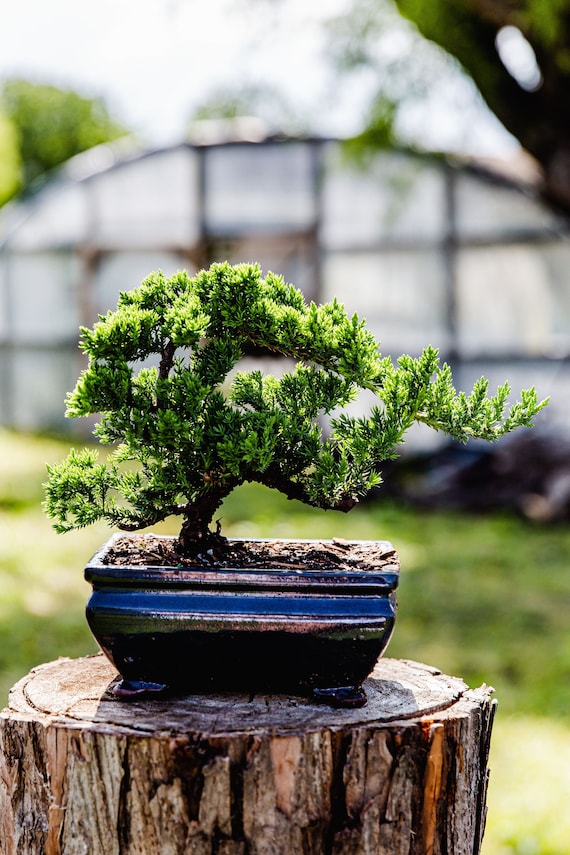
Personal experience, lessons learned, and practical tips
I kept an indoor juniper for a winter in a small apartment. I learned fast. Good lights are non-negotiable. Humidity trays helped, but fans saved the tree from stagnant air. My best tip is to plan seasonal moves. Put it outside in spring and fall. Bring it in only for hard frosts.
Mistakes I made
- I overwatered during a cold spell. Roots slowed and soil stayed wet.
- I left it by a cold, drafty window. Foliage browned in a week.
What I would do now
- Use a timer for lights
- Monitor soil with a moisture meter
- Keep a backup fan and humidifier ready

Can juniper bonsai live indoors — final assessment
Can juniper bonsai live indoors? Yes, but with many conditions. Indoors they need extra light, cool nights, humidity, and air flow. If you can deliver these, your tree can survive and even look good. But for long-term vigor and true bonsai health, outdoor life is best.
If you are set on indoor growing, treat the tree as a seasonal indoor specimen. Move it outdoors when you can. Learn to read its signals. Adjust care often. With attention, many hobbyists succeed.
Frequently Asked Questions of can juniper bonsai live indoors
Can a juniper bonsai survive inside a house year-round?
A juniper bonsai can survive year-round indoors but only with strong light, cool nights, and proper humidity. Without these, the tree will weaken over time.
How much light does a juniper bonsai need indoors?
Junipers need about 6 to 8 hours of bright light daily. Use full-spectrum grow lights to meet this need if windows can't provide enough light.
Do juniper bonsai need a dormant winter period indoors?
Yes. Junipers need a dormancy cue from cooler temperatures and reduced light to stay healthy. Simulate fall and winter by lowering light and night temperatures.
What common pests affect indoor juniper bonsai?
Spider mites and scale are common indoors due to dry air and low airflow. Early detection and gentle treatments keep infestations small.
Can I keep a juniper bonsai on a windowsill?
A windowsill may work for a short time if it receives direct sun and stays cool at night. Most windowsills do not provide enough light or airflow for long-term health.
How often should I water an indoor juniper bonsai?
Water when the top 1/3 inch of soil is dry. Water thoroughly until excess drains, then let the mix slightly dry again before rewatering.
Conclusion
Juniper bonsai can live indoors, but only if you meet their light, temperature, humidity, and airflow needs. Most enthusiasts have better success growing them outdoors. If you choose indoor care, plan to recreate key outdoor signals and be ready to move the tree seasonally. Start with good lights, a stable routine, and close observation. Try one small change at a time and learn from the tree’s response. Share your progress, subscribe for more bonsai tips, or leave a comment about your indoor juniper experience.

Laura Bennett is a gardening writer at MyGardenLabs who creates beginner-friendly guides focused on solving common plant care and gardening problems.