Best Soil Mix For Ficus Bonsai: Perfect Bonsai Blend
The best soil mix for ficus bonsai drains fast, holds light moisture, and keeps roots full of fresh air.
Have you watered your ficus bonsai, only to find soggy soil days later? Or perhaps the leaves turn yellow while the pot stays wet. I understand the worry. Ficus bonsai trees are tough, but poor soil can still cause root rot, weak growth, and leaf drop. The right mix acts like a balanced pantry: it stores some water but never leaves the roots swimming. I reviewed these popular bonsai soil mixes for drainage, texture, ease of use, value, and fit for indoor ficus care.
The Bonsai Supply All-Purpose Bonsai Mix
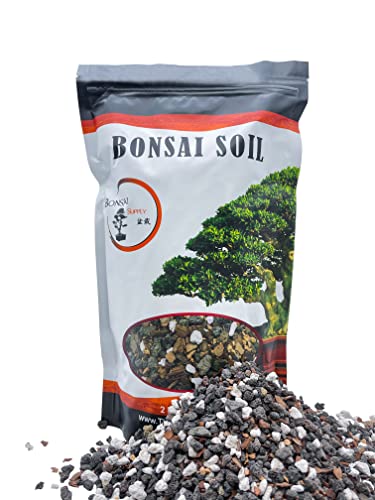
The Bonsai Supply All Purpose Mix uses pumice, lava rock, calcined clay, and pine bark. That blend gives ficus roots a useful mix of air space, drainage, and modest moisture storage. The particles also create a firm base for a young tree without turning into a dense mud-like mass. For many growers, this is a strong starting point when choosing the best soil mix for ficus bonsai.
I like the fact that this mix arrives ready to use. You do not need to measure several separate bags or guess at a first recipe. The gritty texture suits bonsai pots with small drainage holes, though I still check the holes before planting. Indoor ficus growers should watch watering closely because the mix can dry faster in a warm, bright room.
Pros:
- Pre-mixed and ready to use
- Strong drainage from pumice and lava rock
- Calcined clay adds some moisture control
- Pine bark supports a natural root zone
- Good texture for indoor and outdoor bonsai
- Helps reduce the risk of compacted soil
Cons:
- The two-quart bag may not cover many repottings
- Large particles may need screening for very small pots
- Fast drainage can require more frequent watering
Perfect Plants Organic Bonsai Soil

Perfect Plants Organic Bonsai Soil is a simple all-purpose option for growers who want a ready-made mix. It is designed for bonsai plants and offers a lighter texture than standard houseplant soil. That matters because ficus bonsai roots need oxygen as much as they need water. A mix that drains well can make daily care far less stressful.
This two-quart size fits a single small or medium repotting job. I would consider it for a ficus kept near a sunny window, especially when the grower wants an easy product rather than a custom soil recipe. Before use, I would inspect the texture and remove any very fine dust. In a shallow bonsai pot, that small step can help preserve open spaces between particles.
Pros:
- Designed for bonsai use
- Convenient ready-to-use format
- Light texture suits shallow pots
- Organic-focused choice for indoor growers
- Useful for new bonsai owners
- Small bag size limits waste on one tree
Cons:
- Two quarts may be too little for a collection
- Organic parts can break down over time
- Some ficus trees may need extra grit for faster drainage
Professional Bonsai Soil Mix

This Professional Bonsai Soil Mix comes in a 2.2-quart bag and targets the basic needs of bonsai roots. Its main appeal is balance. The soil should let water pass through while leaving enough moisture for a ficus to use between waterings. That balance is especially useful for beginners who often water by schedule instead of checking the soil.
The bag size works well for one small ficus or a modest root-pruning session. I would use it in a pot with good drainage and place a mesh screen over the drainage holes. Ficus bonsai trees grow best when the root zone stays airy, so I would not add ordinary garden soil to this product. If the mix feels too fine for your room, adding a little pumice can improve airflow.
Pros:
- Useful all-purpose bonsai blend
- Convenient 2.2-quart quantity
- Supports water movement through the pot
- Suitable for many indoor ficus trees
- Good option for first-time repotting
- Easy to adjust with extra pumice or bark
Cons:
- May need adjustment for very wet homes
- Small quantity may not suit several trees
- Texture can vary between bags
Spike & Bloom High-Drainage Bonsai Soil

Spike & Bloom High-Drainage Bonsai Soil is sold in a larger seven-pound, four-quart package. It is marketed as a gritty, slightly acidic mix for indoor and outdoor bonsai, including ficus. The larger volume is useful when you have more than one tree or prefer to keep spare soil on hand. Mycorrhizal fungi are included as a feature, but good watering, light, and drainage still matter most.
Ficus bonsai can tolerate a range of soil pH, yet they dislike stale, waterlogged roots. This mix is worth considering for growers who want a gritty product with a little more volume. I would still test how quickly it dries in my own room before changing the watering plan. A sunny window, dry heat, and a small pot can make any high-drainage soil dry sooner than expected.
Pros:
- Large four-quart supply
- Gritty texture promotes strong drainage
- Made for indoor and outdoor bonsai
- Listed for ficus, maple, and juniper
- Slightly acidic profile suits many bonsai plants
- Mycorrhizal fungi may support the root zone
Cons:
- Higher drainage may increase watering needs
- Larger bag can be more than one small tree needs
- Grit may feel coarse for tiny bonsai pots
Agralife Premium Organic Bonsai Soil

Agralife Premium Organic Bonsai Soil comes in a four-quart bag for indoor trees. Its organic focus may appeal to growers who want a softer, more natural-feeling medium. The key point for ficus care is still structure. Organic material should support moisture retention without filling every air pocket in the pot.
This product makes sense for a grower who keeps bonsai indoors and wants enough mix for more than one small plant. I would pair it with a pot that has open drainage and avoid placing the tree in standing water. As with any organic blend, I would check the soil after several months. If it begins to shrink or hold water for too long, repotting may be needed.
Pros:
- Four-quart size offers useful value
- Organic-focused formula for indoor trees
- Suitable for several small bonsai plants
- Can hold useful moisture between waterings
- Good choice for growers avoiding harsh mixes
- Works as a base for a custom ficus blend
Cons:
- Organic ingredients may decompose with time
- May retain more water than gritty mixes
- Beginners must watch for overwatering
Perfect Plants Premium 8-Quart Bonsai Soil

The eight-quart Perfect Plants Bonsai Soil is built for gardeners who need more than a small starter bag. It is an all-purpose mix made in small batches in the USA, according to the product listing. A larger bag can lower the cost per repotting when you care for several ficus bonsai trees. It also leaves extra soil for root work, training pots, or future purchases.
I see this as a practical collection-size option rather than a one-tree trial bag. The mix should still be checked for particle size before use, since very small pots need a more even grade. For ficus, I would favor the portion that feels loose and drains cleanly. Store the unused soil in a dry, sealed place so it stays clean and ready for the next repot.
Pros:
- Eight-quart quantity suits multiple trees
- Good value for regular bonsai care
- All-purpose design fits many bonsai species
- Made in small batches in the USA
- Useful for repotting and training pots
- Ready-made convenience saves mixing time
Cons:
- Large bag takes more storage space
- May be excessive for a single small ficus
- Some users may prefer a more strongly gritty blend
Bonsai Jack Gritty Bonsai and Cactus Mix
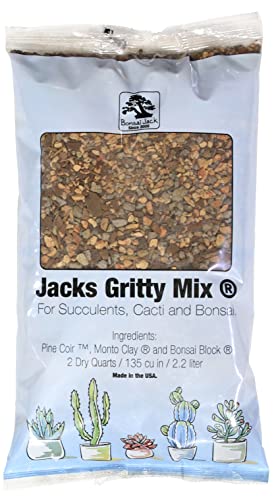
Bonsai Jack Gritty Mix is a fast-draining blend made for succulent, cactus, and bonsai use. Its gritty structure is the main reason it stands out for ficus growers who struggle with wet soil. The product is also marketed with an optimized pH, which may help provide a stable root environment. A two-quart bag is easy to handle and suits one small tree or a test repot.
This is a strong choice for a home that stays humid or for a grower who tends to water too often. However, fast drainage does not remove the need for careful watering. I would soak the soil fully, let excess water escape, and then wait until the mix begins to dry before watering again. The best soil mix for ficus bonsai must match the room, pot, light, and watering habits—not just the label.
Pros:
- Very fast-draining gritty texture
- Helps limit long periods of wet roots
- Useful for humid indoor rooms
- Works for bonsai, cactus, and succulent plants
- Optimized pH is convenient for growers
- Compact two-quart package is easy to store
Cons:
- May dry too fast in hot, bright rooms
- Requires closer watering checks
- Gritty texture may need screening for small pots
Leaves & Soul Ready-to-Use Bonsai Soil
Leaves & Soul Ready-to-Use Bonsai Soil offers an 8.2-quart supply for gardeners with several plants. The ready-made format removes much of the guesswork from mixing mineral and organic parts. For a ficus bonsai, that can be helpful when you want to repot without buying separate pumice, bark, and clay. The generous size also makes it a practical choice for a growing collection.
I would use this mix as supplied first, then observe how it behaves for a few weeks. Look at the drainage speed and feel the soil below the surface, not only the top layer. Ficus roots need moisture, but they also need air, and the two needs must stay in balance. If the mix is too fine for your conditions, a small amount of coarse pumice can improve the structure.
Pros:
- Large 8.2-quart package
- Ready to use without extra measuring
- Good for bonsai collections
- Saves time during repotting
- Can work for indoor ficus trees
- Easy to customize when needed
Cons:
- Large bag needs dry storage
- Particle size may not suit every pot
- New growers still need to learn watering cues
Doter Premium Bonsai Soil Mix

Doter Premium Bonsai Soil Mix focuses on enhanced aeration and drainage. Its one-quart size is aimed at small jobs, such as repotting one young ficus or topping up a bonsai collection. A small bag can be useful when you want to try a new texture without committing to a large supply. It also reduces the chance of storing unused soil for years.
I would consider Doter for a small bonsai pot with a reliable drainage hole. The mix should stay open enough for roots to breathe, but I would still avoid a fixed watering calendar. Check the soil with a wooden stick or your finger and water when the upper layer begins to dry. For a beginner seeking the best soil mix for ficus bonsai, this format offers a simple, low-risk trial.
Pros:
- Strong focus on aeration
- Designed to support drainage
- One-quart size suits a single small tree
- Less leftover soil to store
- Useful for testing a new bonsai mix
- Fits small indoor growing spaces
Cons:
- One quart will not cover many trees
- May dry quickly in a warm window
- Limited volume can raise the cost per quart
Back to the Roots Organic Indoor Potting Mix
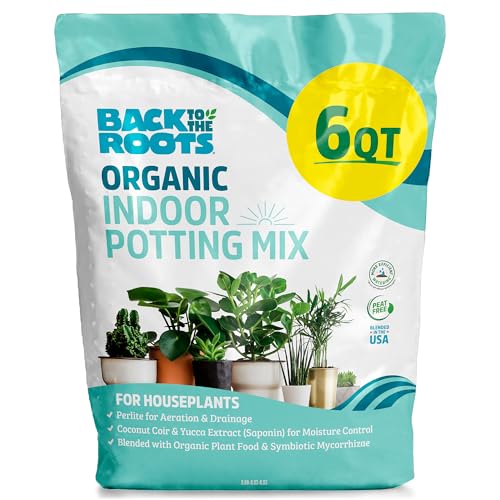
Back to the Roots Organic Indoor Potting Mix is not a dedicated bonsai blend, but it can serve as an ingredient in a custom ficus mix. The six-quart bag is made for indoor plants and offers organic material that can hold moisture. That quality may help in a dry home, yet a pure houseplant mix is often too dense for a shallow bonsai pot. I would not use it alone as my first choice for a ficus bonsai.
Instead, I would combine this product with pumice, lava rock, or another coarse mineral part. A simple starting point is one part indoor mix to one or two parts grit, then adjust after watching how fast the pot dries. This approach gives experienced growers more control. It is a flexible value pick, but it needs more work than a dedicated bonsai soil.
Pros:
- Six-quart bag offers good volume
- Organic indoor plant formula
- Useful moisture holding for dry rooms
- Good base for a custom ficus mix
- Made in the USA
- Works for other houseplants after repotting
Cons:
- Not a dedicated bonsai soil
- May hold too much water when used alone
- Requires grit or bark for better bonsai drainage
How to Choose the Best Soil Mix for Ficus Bonsai
Choosing bonsai soil is not about finding one magic bag. It is about matching the mix to the tree and the space. Ficus bonsai trees like steady moisture, but their roots also need oxygen. When fine soil stays wet, air leaves the root zone. That can invite root decline, fungus, and leaf loss.
I look for three traits first: drainage, air space, and a little moisture retention. Pumice and lava rock create large gaps. Calcined clay can hold water on its surface while keeping structure. Pine bark or another organic part adds moisture and slowly breaks down. The best soil mix for ficus bonsai usually combines these traits instead of relying on one material.
Particle Size Matters
Small bonsai pots need soil particles that fit the pot. If the pieces are too large, the roots may not sit evenly. If the pieces are too small, the mix may pack down. For most indoor ficus bonsai trees, a medium, even grade works well. I screen out excess dust before planting because fine dust can clog the spaces that roots need.
Drainage Is a Safety Net
Good drainage does not mean the soil should repel water. The mix should absorb water during a full soak, then release excess water through the drainage holes. I always water until water flows from the bottom of the pot. This flushes the root zone and confirms that the soil is not blocked.
A drainage hole cannot fix a poor soil mix by itself. A pot with one small hole may still drain slowly if the soil is fine and compact. Use a mesh screen, keep the hole clear, and never let the pot sit in a saucer of water. These small habits protect the roots as much as the soil does.
Organic Versus Gritty Soil
Organic soil can hold water and nutrients. It may suit a dry home, a fast-growing tree, or a grower who checks the plant often. The risk is that organic pieces break down and reduce air space. Gritty soil keeps its shape longer, but it may dry too quickly under strong light.
I prefer a balanced mix for most ficus bonsai trees. A blend with mineral particles and some bark often gives the tree a steady root zone. In a humid room, I lean toward more grit. In a dry room with forced air, I may use a little more organic material. This is why the best soil mix for ficus bonsai can differ from one home to another.
How I Judge Bonsai Soil for Ficus Trees
I judge a bonsai mix by how it behaves after watering, not by the bag design. First, I check whether water moves through the pot without pooling. Next, I look at the texture after the mix dries. It should remain loose rather than form a hard crust.
I also consider the size of the bag. A one-quart bag can be ideal for one small tree, while a four- or eight-quart bag may offer better value for a collection. Freshness and storage matter too. Keep open soil sealed and dry, and do not use a mix that smells sour or shows signs of mold.
Product labels can help, but they do not replace observation. A mix that works in a warm greenhouse may stay wet in a cool office. I recommend keeping simple notes for the first month. Record the watering date, room conditions, and how long the soil takes to dry. That small record helps you tune the mix with confidence.
How to Use Bonsai Soil Correctly
Repot a healthy ficus during active growth, often in spring or early summer, unless local conditions suggest another time. Do not repot a tree that is already weak from cold, pests, poor light, or severe drought. Prepare the new pot, mesh, wire, clean tools, and soil before removing the tree. A calm setup makes the work safer.
Remove loose old soil with care. Avoid tearing healthy roots, but remove dead, black, or mushy roots with a clean tool. Do not cut roots simply to force a large tree into a tiny pot. A ficus needs enough room for a stable root system and enough soil to support even watering.
Add a thin layer of soil, place the tree at the right height, and fill around the roots. Use a chopstick to work soil into open gaps. Do not press the mix down hard. Firm soil may look neat, but it can remove air pockets and slow drainage.
After repotting, water the tree fully. Place it in bright, indirect light for a short recovery period and protect it from harsh heat or cold drafts. Resume feeding only after the tree shows signs of new growth. Ficus trees are forgiving, but gentle care helps them recover faster.
Watering Ficus Bonsai in New Soil
Water when the surface begins to dry, not simply because the calendar says so. Insert a wooden chopstick into the soil and pull it out. If it feels damp and shows dark soil, wait. If it comes out nearly clean and the mix feels dry, water well.
When watering, cover the surface evenly and let water run from the drainage holes. Wait a moment and water again if the soil has become very dry. This helps wet the full root ball instead of letting water race down one dry channel.
Bright light, warm air, wind, pot size, tree size, and soil texture all change the watering rate. A small ficus in a gritty mix may need water often. A larger tree in an organic mix may need less. The best soil mix for ficus bonsai works only when the watering plan fits its drying speed.
Common Ficus Bonsai Soil Mistakes
Using Garden Soil
Garden soil is often too heavy for a bonsai pot. It can compact around the roots and reduce drainage. It may also carry pests or disease. Use a clean bonsai mix or build a custom blend from clean, known materials.
Adding Too Much Peat
Peat can hold a lot of water. When it dries fully, it may also become hard to re-wet. A small amount can help moisture balance, but too much may leave ficus roots wet for too long. Mix it with coarse parts if you choose to use it.
Watering on a Fixed Schedule
Watering every Sunday sounds simple, but plants do not follow a clock. A tree may need water twice in one week and none the next. Check the soil and the tree each time. Flexible care beats a rigid routine.
Ignoring Light
A good soil mix cannot replace light. Ficus bonsai trees need bright light to use water well and maintain strong growth. Place the tree near a bright window, while protecting it from sudden cold glass or extreme midday heat. If light is low, the soil may stay wet longer.
My Recommendation
For most indoor ficus growers, The Bonsai Supply All Purpose Mix is my top overall choice. Its pumice, lava rock, calcined clay, and pine bark offer a sensible balance of drainage and moisture control. It is ready to use, simple to understand, and easy to adjust. That combination makes it a strong candidate for the best soil mix for ficus bonsai.
Bonsai Jack is my drainage pick for humid homes and careful waterers. The larger Spike & Bloom bag is better for collections or outdoor growing. Perfect Plants and Doter suit beginners who want small, ready-made bags, while the organic products work best when moisture retention matters. Back to the Roots is a useful base, but I would blend it with grit before using it for bonsai.
| Best for | Why |
|---|---|
| Most indoor ficus growers | The Bonsai Supply mix balances drainage, air space, and modest moisture holding. |
| Humid rooms and careful waterers | Bonsai Jack offers a gritty structure that helps excess water leave fast. |
| Several bonsai trees | The eight-quart Perfect Plants or four-quart Spike & Bloom bags offer useful volume. |
Ficus Bonsai Soil Mix: What the Tree Really Needs
Ficus bonsai trees are tropical and subtropical plants. They often grow best with warmth, bright light, and steady care. Their roots do not need bone-dry soil, but they also cannot stay trapped in thick mud. Think of the root zone as a small lung. It needs water, then fresh air.
A good mix also helps you read the tree. If water drains quickly and the leaves stay firm, your care plan may be working. If the soil stays wet and leaves yellow, check drainage and light before adding fertilizer. If the soil dries in one day and leaves wilt, consider more moisture-holding material or a larger pot.
Fertilizer cannot repair damaged roots. Apply a balanced fertilizer only when the tree actively grows, and follow the label rate. Too much fertilizer in a small pot can harm roots. Clean water, good light, and sound soil come first.
FAQs Of best soil mix for ficus bonsai
What is the best soil mix for ficus bonsai?
A loose mix with pumice, lava rock, calcined clay, and pine bark works well for many ficus bonsai trees. It drains excess water while keeping useful moisture. Adjust the ratio for your room and watering habits.
Can I use regular potting soil for a ficus bonsai?
You can use it as part of a custom mix, but I do not recommend using regular potting soil alone. It may stay too wet and compact in a shallow bonsai pot. Add coarse pumice, lava rock, or another gritty material.
How often should I water ficus bonsai in bonsai soil?
Water when the top layer begins to dry. The exact timing depends on light, heat, humidity, pot size, and soil texture. Always water deeply and let excess water drain away.
Is gritty soil better for indoor ficus bonsai?
Gritty soil is helpful in humid rooms or for growers who tend to overwater. It may dry too fast in a hot, bright room. A balanced mix with some bark or other organic material often suits average indoor conditions.
Should I add fertilizer to new bonsai soil?
Wait until the ficus shows active growth after repotting. Then use a balanced fertilizer at the rate on the label. Fresh soil and damaged roots do not need heavy feeding right away.
Final Verdict: Which Should You Buy?
The Bonsai Supply All Purpose Mix is my top pick for the best soil mix for ficus bonsai. Its gritty mineral parts and pine bark create a useful balance for most indoor trees.
Choose Bonsai Jack for very fast drainage, or a larger Perfect Plants and Spike & Bloom bag for several trees. Match the mix to your light, humidity, and watering habits for healthier ficus growth.

Laura Bennett is a gardening writer at MyGardenLabs who creates beginner-friendly guides focused on solving common plant care and gardening problems.