What Does A Bonsai Tree Look Like

What Does A Bonsai Tree Look Like: Visual Guide

A bonsai tree looks like a full-sized tree in miniature, with a shaped trunk, branches, leaves, and roots.

To understand what does a bonsai tree look like, look beyond its small size. A bonsai has the visual balance of an old tree: a strong trunk, spreading branches, textured bark, and a carefully shaped crown. Its form comes from years of pruning, wiring, root care, and thoughtful training rather than from genetic dwarfing.

What Does a Bonsai Tree Look Like?

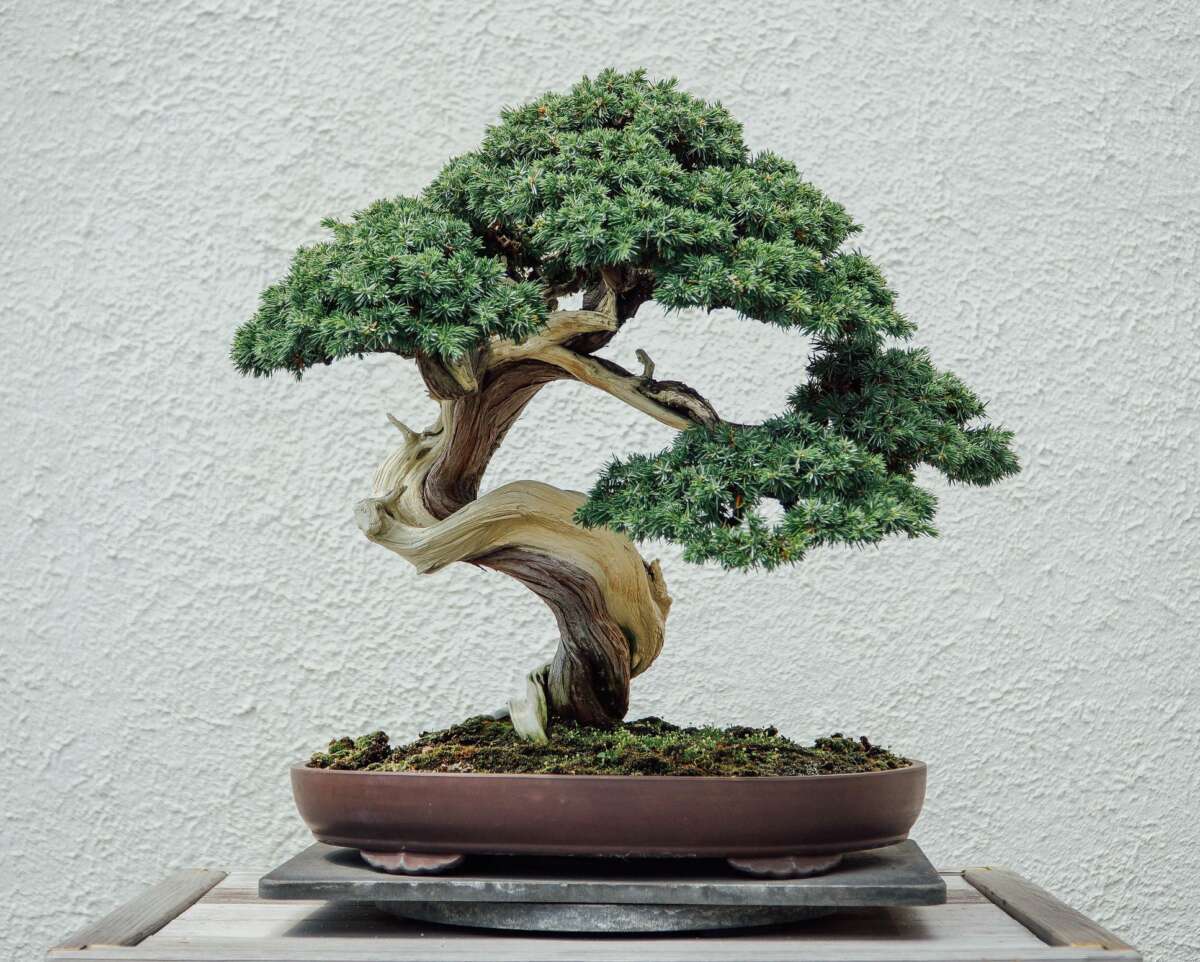
A bonsai tree looks like a mature tree reduced to a small scale. It may have a thick trunk, rough bark, graceful branches, and tiny leaves that create the illusion of age. Some bonsai trees stand only a few inches tall, while others can grow several feet high.

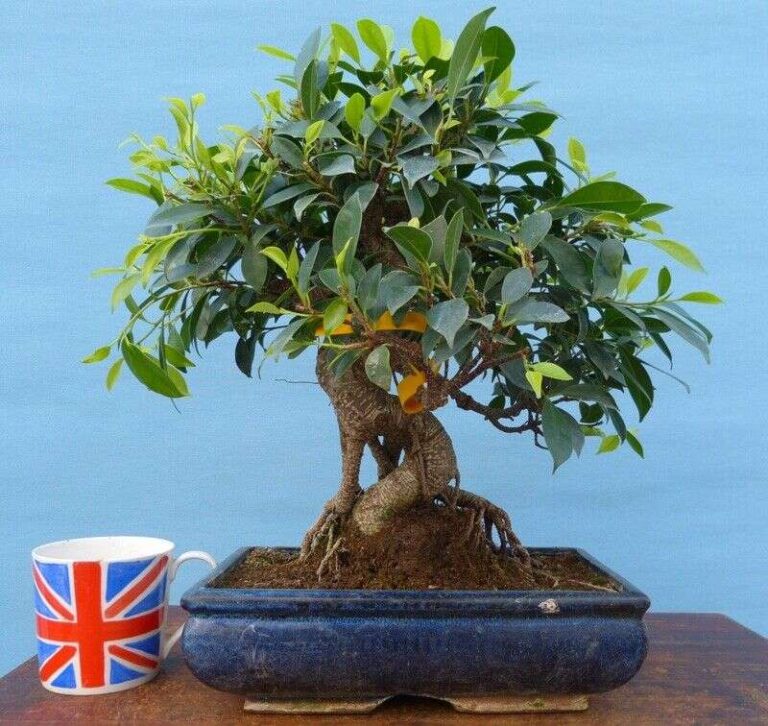
The exact look depends on the species, age, style, and training method. A juniper bonsai may have needle-like foliage and twisted deadwood. A ficus bonsai often has smooth bark, oval leaves, and strong aerial roots. A Japanese maple bonsai may show delicate leaves and bright color in fall.

Most bonsai trees share these visible traits:

• A tapered trunk that is wider near the soil and narrower near the top
• Branches arranged to create balance and depth
• A compact canopy with leaves, needles, or scales
• Exposed or visible surface roots in many styles
• A shallow container with drainage holes
• A natural shape that suggests wind, age, and survival
• Small foliage that matches the tree’s scale

A bonsai should not look like a simple houseplant in a small pot. It should suggest a real tree growing in a landscape. Think of it as a landscape painting made with living wood.

What Does a Bonsai Tree Look Like?
Source: discoverandshare.org

The Main Parts of a Bonsai Tree

Knowing the parts of a bonsai makes its appearance easier to understand. Each part supports the tree’s scale, balance, and sense of age.

Trunk

The trunk is often the most important visual feature. A good bonsai trunk usually has visible taper, meaning it becomes thinner as it rises. A straight trunk can look calm and formal, while a curved trunk may suggest wind, struggle, or movement.

Older bonsai trees may have cracked bark, scars, hollows, or deadwood. These marks can make the tree look older than its actual age. However, a young bonsai can also have a thick trunk if it has been grown and trained carefully.

Branches

Bonsai branches are placed to create a clear structure. The lowest branch is often the longest or strongest. Higher branches usually become shorter and finer.

Branches should not all point in the same direction. They may spread left and right, move toward the viewer, or recede into the background. This layered design gives the tree a three-dimensional look.

Leaves and Needles

The leaves of a bonsai are not always naturally tiny. Many species have regular-sized leaves that become smaller through careful pruning and repeated growth. This is one reason a bonsai tree can look like a miniature version of a much larger tree.

Leaf shapes vary widely:

• Ficus bonsai trees have broad, glossy leaves
• Juniper bonsai trees have scale-like or needle-like foliage
• Pine bonsai trees have long or short needles in clusters
• Maple bonsai trees have thin, lobed leaves
• Elm bonsai trees have small, toothed leaves

Roots

Some bonsai trees show roots spreading over the soil surface. These roots help anchor the tree and add visual age. In Japanese bonsai design, well-placed surface roots are called nebari.

Healthy roots should look firm and natural. They should not appear mushy, black, or severely tangled above the soil. A strong root base helps the tree look stable, like it could withstand wind and rain.

The Main Parts of a Bonsai Tree
Source: housebeautiful.com

How Big Is a Bonsai Tree?

Bonsai trees come in many sizes. The word bonsai describes a method of growing and shaping trees, not one fixed size.

Common size groups include:

• Tiny bonsai, often less than 6 inches tall
• Small bonsai, usually 6 to 12 inches tall
• Medium bonsai, about 12 to 24 inches tall
• Large bonsai, roughly 24 to 36 inches tall
• Very large bonsai, more than 36 inches tall

Size names can vary between bonsai schools and clubs. A tree measured from the soil to the top may also look smaller or larger based on its trunk thickness and pot size.

A small bonsai can look old when it has a wide trunk and mature bark. A tall bonsai can look young if the trunk is thin and the branches are sparse. This is why size alone does not tell you what does a bonsai tree look like.

Bonsai artists often judge proportion instead. The pot, trunk, branches, leaves, and empty spaces should work together. A tree with a large leaf canopy in a tiny pot may look out of scale, while a tree with fine leaves and a strong trunk may look highly realistic.

How Big Is a Bonsai Tree?
Source: co.uk

Common Bonsai Tree Shapes and Styles

Bonsai trees are trained into classic styles. These styles help explain why two trees of the same species can look very different.

Formal Upright

The formal upright style has a straight trunk and clear taper. The branches become shorter as they rise, creating a triangular outline.

This style looks calm, balanced, and stable. It often suits trees with naturally upright growth, such as some pines and spruces.

Informal Upright

The informal upright style has a gently curved trunk. The top still grows above the base, but the trunk moves from side to side.

Many indoor bonsai trees use this shape because it looks natural and is easier to create. The curves should feel smooth rather than forced.

Slanting

A slanting bonsai has a trunk that leans to one side. The roots and lower branches often appear to brace the tree against the direction of the lean.

This style can look as if the tree has grown toward sunlight or faced strong wind. Its visual energy makes it popular with beginners and experienced growers.

Cascade

A cascade bonsai has branches that flow downward, often below the base of the pot. It resembles a tree growing over a cliff or steep slope.

A related style, called semi-cascade, drops below the soil level but does not extend as far down as a full cascade.

Windswept

A windswept bonsai looks as if strong, steady wind has shaped it. Most branches and foliage move in one direction, while the trunk may bend or twist.

The best windswept trees still look balanced. A random tree with branches removed from one side is not automatically a convincing windswept bonsai.

Broom

A broom-style bonsai has a straight trunk with many fine branches spreading outward near the top. The crown resembles an open fan or rounded broom.

Deciduous trees, such as elms, often suit this style because their fine twigs create a soft, elegant outline.

Literati

A literati bonsai has a thin, curved trunk and a small amount of foliage near the upper section. It looks simple and artistic, as though it survived in a difficult mountain setting.

This style uses empty space as part of the design. It may look less like a traditional miniature tree but still follows strong principles of balance and age.

Common Bonsai Tree Shapes and Styles
Source: mydomaine.com

Do Bonsai Trees Have Small Leaves?

Bonsai trees often have small leaves, but not every bonsai species does. Leaf size depends on the tree’s genetics, sunlight, pruning, nutrition, and growing conditions.

Regular pruning removes growing tips and encourages new branches. Over time, repeated growth can produce shorter shoots and smaller leaves. Strong light also helps many trees maintain compact growth.

Leaf reduction has limits. A tropical ficus may develop smaller leaves, but it will not always match the leaf size of a naturally small-leaved elm. Large-leaved plants may still look attractive as bonsai if the trunk and canopy are well proportioned.

A common mistake is to remove too many leaves in an attempt to make them smaller. Leaves feed the tree through photosynthesis, so aggressive defoliation can weaken it. Leaf reduction should match the species, season, and health of the tree.

Do Bonsai Trees Have Small Leaves?
Source: reddit.com

What Does a Bonsai Tree Look Like Indoors?

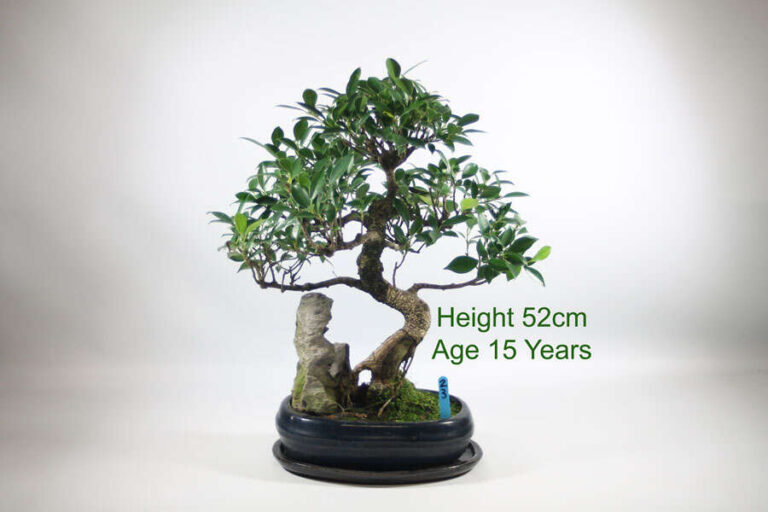
An indoor bonsai tree usually looks compact, green, and decorative, but its appearance depends on the species. Ficus, jade, dwarf umbrella tree, and some tropical species can grow indoors near a bright window.
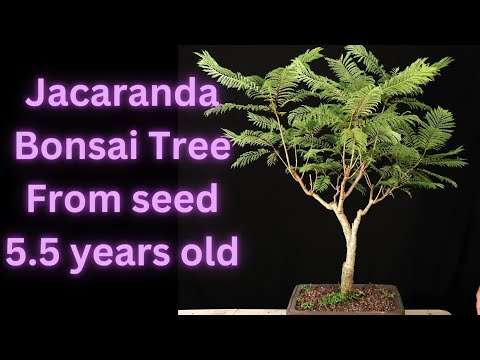
Indoor bonsai trees often have:

• Smooth or lightly textured bark
• Glossy or fleshy leaves
• A short, thick trunk
• A rounded or upright canopy
• A shallow ceramic or clay pot
• A neat, sculpted appearance

Many trees sold as indoor bonsai need much more light than people expect. A dim room can cause long shoots, pale leaves, leaf drop, and weak branches. Place the tree near a bright window and protect it from extreme heat, cold drafts, and dry air.

A bonsai sold in a decorative pot may not yet have a finished bonsai form. Some commercial trees are young plants with a thick trunk and basic pruning. With time and care, their shape can become more refined.

What Does a Bonsai Tree Look Like Indoors?
Source: bonsaioutlet.com

What Does a Bonsai Tree Look Like Outdoors?

Outdoor bonsai trees often look more rugged and natural than indoor bonsai trees. They may have rough bark, strong seasonal changes, and denser branch structures.

Species such as juniper, pine, spruce, maple, beech, and elm usually need outdoor conditions. They require changes in temperature and light to follow their natural growth cycle.

An outdoor bonsai may show:

• New spring buds
• Bright green summer foliage
• Yellow, orange, or red fall leaves
• Bare branches during winter
• Rough bark and visible deadwood
• A wider and more natural crown

A tree that loses its leaves in winter is not necessarily unhealthy. Deciduous bonsai trees naturally become bare during dormancy. By contrast, sudden leaf loss during the growing season can signal a problem with water, roots, light, pests, or temperature.

In my practical review of bonsai care advice, one lesson appears again and again: identify the species before judging the tree’s appearance. A bare maple in January may be normal, while a suddenly bare ficus in summer needs attention.

What Does a Bonsai Tree Look Like Outdoors?
Source: thespruce.com

How Bonsai Training Changes Its Appearance

A bonsai tree looks the way it does because growers guide its growth over many years. Training does not stop the tree from growing. It directs where and how that growth develops.

Pruning

Pruning removes unwanted shoots, weak branches, crossing limbs, and excess foliage. Structural pruning shapes the main design, while maintenance pruning keeps the canopy neat.

A careful grower considers the tree’s future shape before cutting. Removing a large branch may leave a scar, so the decision should be deliberate.

Wiring

Bonsai wire gently guides branches into position. Copper and aluminum wire are common choices. The wire must be checked often because branches expand as they grow.

If wire stays on too long, it can leave deep marks. These scars may heal slowly or remain permanent. A practical rule is to inspect wired trees regularly during active growth.

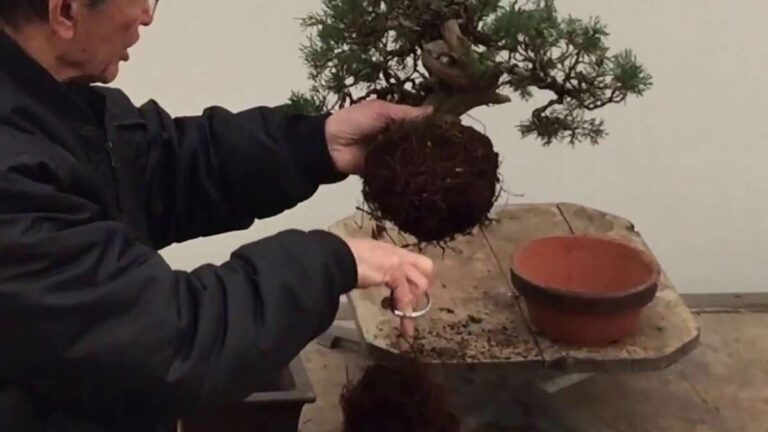
Root Pruning

Root pruning keeps the tree healthy in a shallow container. It also encourages fine feeder roots near the trunk.

The process must be timed to the species and season. Cutting too many roots at once can cause stress, especially in a weak or recently transplanted tree.

Defoliation

Some species can tolerate partial or full leaf removal during the correct season. This may encourage a second flush of smaller leaves, but it is not suitable for every tree.

Defoliation should never be used on a stressed, sick, or recently repotted bonsai. Healthy leaves are essential for energy production.

How Bonsai Training Changes Its Appearance
Source: youtube.com

What Makes a Bonsai Look Realistic?

A realistic bonsai suggests the proportions and character of an old tree. It does not need perfect symmetry. In nature, trees have gaps, scars, uneven branches, and areas shaped by light and weather.

Look for these signs of a convincing design:

• The trunk is wider at the base
• The main branches appear to grow naturally from the trunk
• The foliage is arranged in layers
• The tree has open spaces between branches
• The pot supports the tree without stealing attention
• The roots spread naturally across the soil
• The canopy matches the thickness of the trunk

The empty spaces are important. Without gaps, the tree can look crowded and flat. With too many gaps, it may look weak or unfinished.

A useful visual test is to view the bonsai from several angles. The front may be chosen for the best trunk movement, but the tree should still look healthy and balanced from the sides.

What Makes a Bonsai Look Realistic?
Source: plantedpro.com

Bonsai Tree Appearance Problems to Watch For

Not every small tree in a bonsai pot is healthy or well trained. Appearance can reveal care problems.

Yellow Leaves

Yellow leaves may result from overwatering, poor drainage, low light, nutrient issues, or natural aging. Check the soil and roots before adding fertilizer.

Long, Weak Shoots

Long shoots often indicate low light or excessive nitrogen. They can make the bonsai look loose and unlike a miniature mature tree.

Sparse Foliage

Sparse foliage may come from recent pruning, seasonal change, pests, root trouble, or poor care. Look for insects, damaged roots, and changes in watering.

Cracked or Peeling Bark

Some species naturally have peeling or flaky bark. Sudden soft bark, dark patches, or a foul smell may point to rot or disease.

Wire Marks

Deep lines around branches show that wire was left on too long. The marks may fade, but severe scars can remain for years.

A bonsai does not need to look perfect every day. Trees grow, shed leaves, heal cuts, and change with the seasons. The goal is steady health and a natural design, not an artificial, frozen shape.

How to Identify a Bonsai Tree by Its Look

You can often identify a bonsai by studying its leaves, bark, trunk, and growth pattern. Still, visual identification is not always certain, especially when the tree is young.

Use this simple process:

  1. Check the leaf shape, size, color, and arrangement.
  2. Look at whether the plant has needles, scales, or broad leaves.
  3. Examine the bark for texture, color, and peeling patterns.
  4. Notice whether the tree is evergreen or deciduous.
  5. Study the trunk and branch structure.
  6. Compare the traits with a trusted plant guide or ask a local bonsai club.

For example, a juniper bonsai often has scale-like foliage, twisting branches, and gray or reddish bark. A ficus bonsai often has smooth gray bark, oval leaves, and thick roots. A jade bonsai has fleshy leaves and a sturdy, pale trunk.

Correct identification matters because light, water, pruning, and winter care differ between species. The best way to know what does a bonsai tree look like in a specific case is to combine visual clues with the plant’s name.

Frequently Asked Questions About What Does a Bonsai Tree Look Like

What does a bonsai tree look like compared with a normal tree?

A bonsai tree has the same basic parts as a full-sized tree, including a trunk, branches, leaves, and roots. The difference is its small scale and carefully trained form, which creates the appearance of an old tree in miniature.

Does a bonsai tree naturally stay small?

Most bonsai trees are not naturally miniature trees. They stay small because growers limit root space, prune branches and roots, and guide new growth with careful training.

What does a bonsai tree look like when it is healthy?

A healthy bonsai usually has firm leaves, steady new growth, strong bark, and a stable trunk. Its soil should drain well, and the tree should not have widespread pests, foul smells, or soft roots.

Can a bonsai tree have flowers or fruit?

Yes, some bonsai trees produce flowers or fruit. Flowering quince, azalea, citrus, crabapple, and pomegranate bonsai can add seasonal color and fruit when they receive proper light and care.

What does a bonsai tree look like in winter?

A deciduous bonsai may lose all its leaves and show only its trunk and branches during winter. Evergreen bonsai trees usually keep their foliage, although growth may slow and colors can change.

Are bonsai trees real trees?

Yes, bonsai trees are real trees or woody shrubs. They are not artificial plants or a separate type of tree; bonsai is the art and practice of growing trees in a small container.

Conclusion

A bonsai tree looks like a mature tree in miniature, with a shaped trunk, balanced branches, compact foliage, and often visible roots. Its appearance changes with the species, season, bonsai style, pot, and training history.

The most important feature is not perfect size. It is proportion and character. A well-cared-for bonsai should feel natural, stable, and full of life, whether it is a tiny flowering tree or a rugged outdoor juniper.

When you next see a bonsai, study its trunk first, then follow the branches toward the leaves. That simple habit will help you understand what does a bonsai tree look like and appreciate the years of care behind its form. Explore trusted bonsai guides, visit a local club, and share your favorite bonsai style or question in the comments.

Similar Posts