Best Soil For Indoor Bonsai: Expert Potting Mix Guide
The best soil for indoor bonsai drains fast, holds air, and supports healthy roots without staying soggy.
A new bonsai can look healthy one week and wilt the next. Often, the real problem sits below the trunk. Regular houseplant soil may trap too much water in a small bonsai pot, while very coarse grit may dry before the roots can drink. I look for a balanced mix with porous particles, steady drainage, and enough moisture control for indoor light and airflow. The products below cover organic blends, gritty mixes, akadama-based soil, and budget-friendly options. I also explain which mix fits beginners, tropical bonsai, dry homes, and careful waterers.
Agralife Premium Organic Bonsai Soil

Agralife is a strong pick for indoor growers who want an organic-leaning bonsai mix with a softer texture. Its blend is designed for potted trees that need both drainage and useful moisture retention. That balance can help a ficus, jade, or other tropical bonsai settle into a small pot. It also gives beginners a gentler starting point than an extremely gritty mix.
The four-quart size offers good value for repotting several small trees. I would still check the texture before use, because organic pieces can vary slightly from bag to bag. Use a pot with open drain holes and water only when the upper layer begins to dry. For many indoor trees, this is a practical candidate for the best soil for indoor bonsai when easy care matters most.
Pros:
- Useful four-quart quantity for several small trees
- Organic-style blend suits indoor tropical bonsai
- Holds some moisture without acting like dense garden soil
- Beginner-friendly texture
- Works well for ficus and other warm-room bonsai
- Can support a simple repotting routine
Cons:
- May retain more moisture than a very gritty mix
- Organic material can break down over time
- May need added pumice for humid rooms or heavy waterers
My Recommendation
I recommend Agralife for beginners, indoor ficus owners, and anyone who often forgets to water for a day or two. It gives roots access to air while offering a little forgiveness between waterings. In a bright room with moderate airflow, it can be an excellent best soil for indoor bonsai choice. Its larger bag also improves value when you have more than one tree to maintain.
The Bonsai Supply Fast-Draining Mix
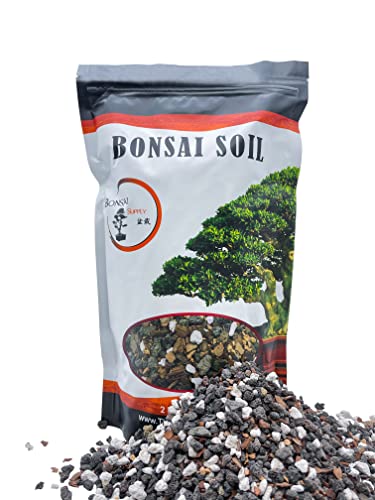
This pre-mixed soil combines pumice, lava rock, calcined clay, and pine bark. Those parts create a loose root zone with plenty of air space. The mix drains much faster than standard potting soil, which helps reduce the risk of standing water around bonsai roots. It is a sensible all-purpose choice for growers who want a mineral-forward blend without measuring each part.
The two-quart bag is compact, so it suits one or two small bonsai rather than a large collection. I like this type of mix for indoor rooms where the pot stays wet for too long. You must watch watering more closely, especially near a heater or sunny window. With the right routine, this is one of the best soil for indoor bonsai options for root health and fast drainage.
Pros:
- Fast drainage for small bonsai containers
- Contains pumice and lava rock for lasting structure
- Calcined clay adds moisture and nutrient holding power
- Pre-blended for easy use
- Good airflow around fine feeder roots
- Suitable for many tree types and climates
Cons:
- Two-quart size may not cover several repottings
- May dry quickly in a warm, dry room
- Requires closer watering than organic-heavy soil
My Recommendation
This mix is best for careful waterers, humid homes, and bonsai owners who have lost trees to wet roots. Its mineral pieces help the soil stay open instead of collapsing around the root ball. I would choose it as the best soil for indoor bonsai for someone who wants a ready-to-use, high-drainage blend. It offers strong performance, though the smaller bag may raise the cost per quart.
Perfect Plants Organic Bonsai Soil

Perfect Plants offers an organic all-purpose bonsai mix for growers who prefer a natural-feeling medium. Its texture is suited to small containers and indoor plant shelves. The mix can help roots receive moisture while avoiding the heavy, muddy feel of ordinary garden dirt. It is especially appealing to beginners who want a simple product rather than a custom soil recipe.
This two-quart bag works well for a single bonsai or a small starter collection. As with any organic mix, monitor how quickly the pot dries after several weeks. Fine organic material can settle as it ages, so occasional repotting and careful drainage checks matter. I see it as a friendly best soil for indoor bonsai choice for tropical trees grown in bright, stable rooms.
Pros:
- Easy all-purpose formula for new bonsai growers
- Organic material supports moderate moisture retention
- Useful for indoor tropical and subtropical trees
- Simple ready-to-use format
- Helps reduce the shock of moving a plant into a bonsai pot
- Works for small containers and shelf gardens
Cons:
- May not drain fast enough for frequent waterers
- Only two quarts per bag
- May need extra grit for slow-drying indoor spaces
My Recommendation
I would point beginners toward Perfect Plants when they want a mild, organic mix for a ficus, money tree bonsai, or similar indoor species. It is less demanding than a very coarse mineral blend. Choose it only if your pot drains freely and your room has useful light. For these conditions, it can be the best soil for indoor bonsai for a first-time grower who values simple care and gentle moisture control.
Omitgoter Akadama Bonsai Soil Mix

Omitgoter uses a blend of akadama, lava rock, pumice, and bark. This combination covers the main needs of bonsai soil: drainage, air space, and some moisture storage. Akadama also gives growers a useful visual clue because it darkens when wet and lightens as it dries. That feature makes watering easier for people still learning to read a bonsai pot.
The one-quart bag is best for a small tree, a top-up, or a test before buying a larger quantity. Its mixed particle types create a more varied root zone than a single-material product. Keep in mind that akadama slowly softens with repeated wetting and drying. I consider this a promising best soil for indoor bonsai option for a small ficus, elm, or mixed indoor collection.
Pros:
- Includes akadama for moisture cues and root support
- Pumice and lava rock improve drainage
- Bark adds a small amount of organic matter
- Ready-to-use blend saves mixing time
- Good range of particle types
- Useful for testing a bonsai soil style before buying more
Cons:
- One-quart bag is small
- Akadama can break down over time
- May dry faster than an organic potting mix
My Recommendation
Omitgoter suits bonsai owners who want a traditional-style mix in a small package. I especially like it for someone learning how soil color and texture signal watering needs. It is a strong best soil for indoor bonsai candidate for a small, valuable tree that needs air around its roots. Buy more than one bag if you plan to repot several bonsai at once.
Bonsai Jack Gritty Mix
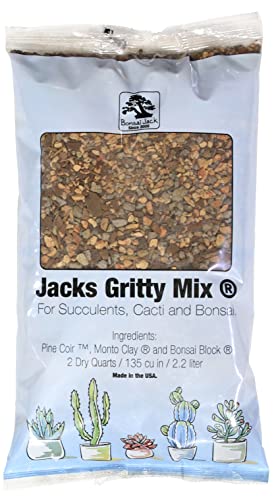
Bonsai Jack Gritty Mix is made for growers who put drainage first. Its coarse structure helps water pass through the pot instead of pooling near the trunk. This is valuable for bonsai in humid rooms, glazed containers, or homes where overwatering happens easily. The blend is also marketed with an optimized pH, which supports a broad range of container plants.
Although it works for bonsai, cactus, and succulents, it is not a “water once and forget it” medium. Small indoor trees may need more regular watering when placed in this fast-draining soil. I would use it with a pot that has large holes and a tree that receives strong light. For root-rot prevention, this may be the best soil for indoor bonsai among the gritty choices.
Pros:
- Very fast drainage
- High air space helps protect delicate roots
- Useful for bonsai, cactus, and succulents
- Good fit for humid homes and glazed pots
- Coarse texture resists compaction
- Supports growers who prefer controlled watering
Cons:
- Can dry too fast in low-humidity rooms
- May require more frequent watering
- Less forgiving for beginners who miss watering days
My Recommendation
I recommend Bonsai Jack to experienced growers, plant sitters, and anyone fighting root rot. It acts like a well-ventilated shoe for the roots: water leaves quickly, and air moves in behind it. If your indoor space is humid, this can be the best soil for indoor bonsai for reducing wet-root problems. It costs more than basic mixes, but its clean, gritty design offers strong value for sensitive trees.
Professional Bonsai Soil Mix

This professional-style bonsai mix is made for people who want a clean, ready-to-use medium. Its main appeal is the balance between coarse drainage and enough structure to hold a young tree in place. A good bonsai mix should not turn into a flat, airless layer after repeated watering. This one is designed to keep the root zone more open than standard indoor potting soil.
The 2.2-quart quantity is enough for a few small pots, depending on their size. I would sift out dust before planting if the bag contains fine particles, since dust can slow drainage. Pair it with a mesh-covered drain hole and a shallow pot. It is a dependable best soil for indoor bonsai choice for owners who want an uncomplicated, middle-ground formula.
Pros:
- Ready to use without measuring components
- Designed for improved drainage in bonsai pots
- Helps maintain root-zone air space
- Suitable for a small group of indoor trees
- More structured than regular houseplant soil
- Simple choice for routine repotting
Cons:
- May contain some dust that needs screening
- Quantity may not suit a large bonsai collection
- Watering needs can vary by room and tree species
My Recommendation
This mix is best for bonsai owners who want a balanced product without a strong organic or ultra-gritty bias. It fits indoor growers who are ready to move beyond ordinary potting soil but do not need a specialist recipe. I would call it a practical best soil for indoor bonsai for routine maintenance and first repotting work. Its price and size make it a reasonable middle option when available.
Leaves & Soul Ready-to-Use Bonsai Mix
Leaves & Soul stands out because it offers an 8.2-quart bag. That size makes sense for collectors, clubs, and anyone planning several repottings. A ready-made mix also removes the mess of storing separate bags of pumice, bark, clay, and lava rock. For a busy indoor gardener, convenience can be as important as the soil formula itself.
Large bags need careful storage between uses. Keep the mix dry and sealed so it stays clean and ready for the next tree. Before planting, inspect the blend and remove excess dust or very large pieces for tiny pots. This is a strong best soil for indoor bonsai option when quantity, easy handling, and consistent preparation matter.
Pros:
- Large 8.2-quart quantity
- Good value for multiple bonsai pots
- Ready to use straight from the bag
- Reduces the need to store separate soil parts
- Useful for hobbyists with several indoor trees
- Convenient for planned repotting sessions
Cons:
- Large bag needs dry storage space
- May be excessive for one small bonsai
- Particle size may need adjustment for tiny containers
My Recommendation
I recommend Leaves & Soul for collectors and households with several bonsai. The large bag can lower the cost per pot and keeps your soil shelf simple. It may be the best soil for indoor bonsai for a growing collection, especially when you repot on a schedule. Single-tree owners may prefer a two-quart bag to avoid storing leftovers.
Spike & Bloom High-Drainage Bonsai Soil

This high-drainage mix comes in a seven-pound, four-quart package and includes mycorrhizal fungi. The gritty structure is intended for indoor and outdoor bonsai, including ficus, juniper, and maple. Good drainage is vital because a bonsai pot has little room for error. The slightly acidic profile also suits many common woody plants, though species and water quality still matter.
Mycorrhizal additives can support root partnerships, but they do not replace light, correct watering, or fresh roots. Think of them as a helpful extra rather than a cure-all. The four-quart size gives you enough soil for several small trees without becoming oversized. For growers seeking a broad-use best soil for indoor bonsai with a root-focused design, this is worth considering.
Pros:
- High-drainage texture for bonsai containers
- Includes mycorrhizal fungi
- Four-quart volume suits several small trees
- Works for indoor and outdoor use
- Listed for ficus, juniper, and maple
- Slightly acidic profile fits many bonsai species
Cons:
- Gritty soil may dry quickly near a sunny window
- Added fungi cannot fix poor light or overwatering
- May be more soil than a single beginner needs
My Recommendation
This product is best for bonsai owners who want one mix for several tree types. It also suits people who like the idea of a mycorrhizal addition but understand that daily care remains the key factor. I would select it as the best soil for indoor bonsai for a mixed collection with good light and airflow. The four-quart amount adds useful value for repeated repotting.
USA-Made Akadama Bonsai Mix

This five-quart premium mix includes akadama and focuses on high drainage. Akadama is popular in bonsai because it stores water while leaving useful gaps for air. Its color change can help you judge when the pot needs water, although you should still feel the soil and check the tree. The USA-made format may appeal to shoppers who value domestic preparation and a larger bag.
A five-quart quantity works well for several shallow pots or one larger repotting project. As with other akadama mixes, particles may soften over time, especially when constantly wet. Avoid packing it down, since roots need open spaces. I see this as a polished best soil for indoor bonsai option for intermediate growers who want a traditional feel with convenient packaging.
Pros:
- Large five-quart bag
- Includes akadama for water and air balance
- High-drainage design suits shallow bonsai pots
- Useful visual moisture cue
- Good for several trees or larger projects
- USA-made preparation may appeal to some buyers
Cons:
- Akadama can degrade with long-term wet conditions
- May cost more than basic organic soil
- Requires careful watering and gentle filling
My Recommendation
I recommend this mix for intermediate growers who already understand bonsai watering. It gives a strong balance of drainage, air, and moisture control while offering enough material for a collection. For a serious indoor bonsai shelf, it may be the best soil for indoor bonsai when you want akadama without blending ingredients yourself. Beginners can use it too, but they should watch drying speed during the first month.
Coconut Coir Indoor Plant Soil

Coconut coir is a lightweight growing medium made from coconut fiber. It holds moisture while keeping a loose texture, making it useful for indoor plants and as part of a custom bonsai blend. This product expands to about 3.5 quarts, so the dry package is easy to store. Coir also offers a clean alternative to heavy peat-based mixes.
On its own, coir is usually not my first choice for bonsai. It can hold too much water in a shallow pot and does not provide the mineral structure many bonsai roots need. I prefer mixing it with pumice, lava rock, or another coarse component. Used that way, it can become the best soil for indoor bonsai for a dry home where moisture disappears too fast.
Pros:
- Lightweight and easy to store while dry
- Expands into a useful volume
- Holds moisture for dry indoor rooms
- Helpful ingredient for custom bonsai recipes
- Clean option for indoor plant use
- Can reduce drying stress when mixed with grit
Cons:
- Usually too moisture-retentive as a solo bonsai medium
- Needs mineral material for better drainage
- Requires careful fertilizer and watering management
My Recommendation
I recommend coconut coir as a blending ingredient, not as a complete bonsai answer for most indoor trees. It fits growers with dry air, warm vents, or a habit of underwatering. Mix one part coir with two or more parts pumice, lava rock, or bonsai grit, then test how fast the pot dries. In that role, it can help create the best soil for indoor bonsai for a very dry room.
How to Choose the Best Soil for Indoor Bonsai
Bonsai soil does more than hold a tree upright. It controls water, air, nutrients, root temperature, and the speed of drying. A full-size tree can spread roots through a broad ground bed, but a bonsai has a small pot and a limited safety margin. That is why dense outdoor dirt or ordinary houseplant soil often causes trouble.
When I compare bonsai mixes, I focus on five points: drainage, air space, moisture retention, particle size, and stability. No single blend fits every species or home. The best soil for indoor bonsai in a dry apartment may not suit a humid sunroom. Your watering habits matter just as much as the product label.
Drainage Comes First
Water should pass through the pot after a full soak. It should not sit in a thick, muddy layer around the roots. Fast drainage does not mean the soil must be bone dry within minutes. It means excess water can leave while the particles still hold a small reserve.
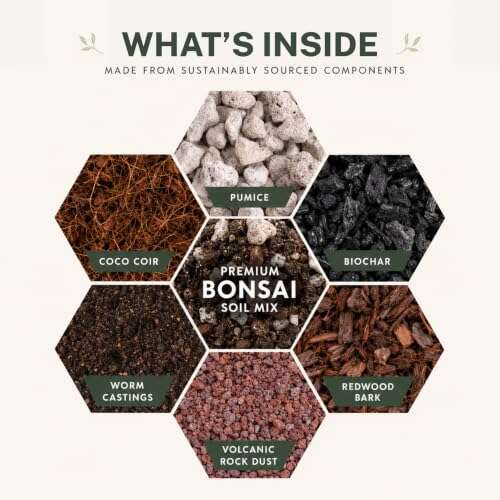
Pumice, lava rock, coarse akadama, calcined clay, and similar pieces help create channels. These channels act like tiny roads for water and air. A mix with too much fine dust can clog those roads. If a product looks powdery, screen out the smallest particles before planting.
Air Space Protects Roots
Healthy roots need oxygen. Roots cannot use water well when every gap in the soil stays filled with it. This is one reason bonsai mixes look more like small stones than dark garden earth.
Porous particles give roots room to breathe after watering. They also reduce the chance of anaerobic conditions, which can lead to foul smells and root decline. A pot with one small hole may still drain poorly, so use a bonsai pot with open holes and cover them with mesh.
Moisture Retention Should Match Your Home
Indoor conditions change from room to room. A bonsai near a bright south-facing window may dry fast. A tree in a cool corner may stay wet for many days. Heating and air-conditioning can also change humidity and airflow.
Organic bark and coconut coir hold more moisture. Pumice, lava, and coarse grit drain faster. Akadama sits between those extremes, depending on particle size and age. If you tend to overwater, choose more mineral content. If you often forget to water, select a mix with some bark or coir.
Particle Size Matters
Small bonsai pots need small, even particles. Huge chunks may leave roots unsupported and create dry pockets. Very fine particles can act like mud and close the air gaps.
For most indoor bonsai in small pots, a medium grain works well. A young tree with thin roots may need a finer blend. A mature tree with thick roots may prefer larger particles. Do not bury the trunk base too deeply, since constant moisture around the lower trunk can invite decay.
Organic Versus Mineral Mixes
Organic soil includes bark, composted material, coir, or other plant-based parts. It can hold moisture and nutrients, but it breaks down with time. As it breaks down, the mix may become finer and less airy.
Mineral soil includes pumice, lava rock, akadama, and calcined clay. It usually keeps its structure longer and drains well. However, mineral mixes may require more frequent feeding and watering. Many excellent bonsai products combine both types to create a useful middle ground.
Indoor Bonsai Watering Tips
Even the best soil for indoor bonsai cannot rescue a poor watering routine. Check the mix before reaching for the can. Push a wooden chopstick or your finger into the upper layer, and lift the pot to feel its weight. A dry pot often feels much lighter than a freshly watered one.
When the tree needs water, soak the soil until water flows from the drainage holes. This flushes out dry pockets and helps wet the full root ball. Do not give a few drops every day unless the tree has a special need. Small sips can leave the center dry while keeping the surface damp.
After watering, empty the saucer. A bonsai should never sit in a pool of water. The roots need a wet-to-dry cycle, not a permanent swamp. The exact timing depends on species, pot size, season, light, and room temperature.
Best Indoor Bonsai Species and Soil Needs
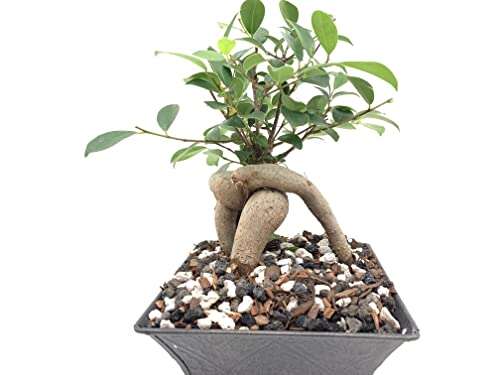
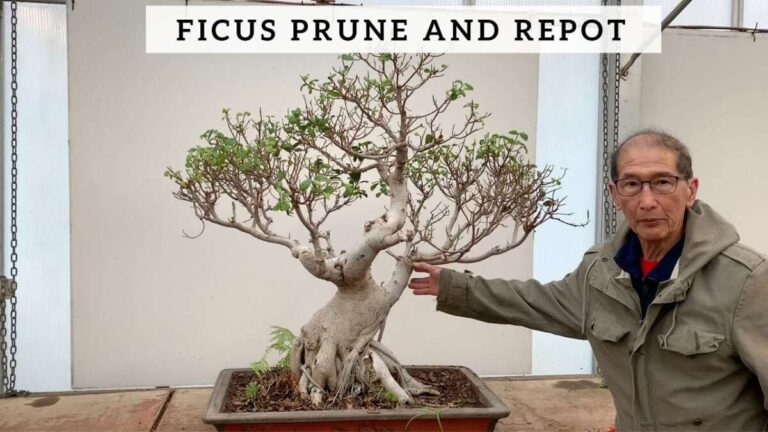
Ficus bonsai are among the most forgiving indoor choices. They often handle a moderate organic-mineral blend well, provided the pot drains freely. Agralife, Perfect Plants, and balanced pre-mixed products can suit a ficus in bright light.
Jade bonsai and portulacaria prefer more drainage because their thick leaves store water. Bonsai Jack or a mineral-heavy mix may work better than a bark-rich medium. Let the soil dry more between waterings, and give the plant strong light.
Chinese elm can live indoors for periods, but it needs strong light and good airflow. An akadama-based blend or a balanced fast-draining mix offers useful control. Juniper bonsai usually perform best outdoors, despite their frequent sale as indoor trees. Soil cannot replace the outdoor light, temperature change, and airflow that junipers need.
Maple bonsai also generally need outdoor conditions and winter dormancy. If you keep one indoors, research the exact species before changing the soil. A product labeled for indoor and outdoor bonsai may be suitable as a medium, but the tree’s climate needs still come first.
How I Evaluate Bonsai Soil on Amazon
Product photos can make every bag look alike. I read the ingredient list, bag size, particle claims, and intended use before judging value. A cheap bag may not be cheap if half of it turns to dust or if you need extra drainage material.
I also look at whether the soil arrives ready to use. Pre-mixed soil saves time and limits measuring errors. However, no factory blend can know your room, species, pot, or watering habits. I treat every product as a starting point and adjust only when the tree shows a clear need.
Packaging matters too. A sealed bag protects the mix from moisture, insects, and contamination. After opening, I store unused soil in a clean bin with a lid. I never reuse soil from a sick or root-rotted tree without proper treatment, because pathogens and pests can remain in old material.
Best Soil for Indoor Bonsai Comparison
| Best for | Why |
|---|---|
| Beginners | Agralife or Perfect Plants offers a softer, more forgiving moisture balance. |
| Fast drainage | Bonsai Jack and The Bonsai Supply mixes use gritty particles that keep roots airy. |
| Collectors | Leaves & Soul and the five-quart akadama mix provide useful volume for many pots. |
Common Bonsai Soil Mistakes
Using Garden Soil
Garden soil is often too heavy for a bonsai pot. It can compact, drain slowly, and carry weed seeds or pests. It may work as a tiny part of a custom outdoor recipe in special cases, but I do not suggest it for typical indoor bonsai.
Adding a Gravel Layer at the Bottom
A bottom layer of gravel does not improve drainage in the way many people expect. It can move the saturated zone higher in the pot. Use one consistent, well-draining mix instead. Make sure the drain holes remain open.
Pressing Soil Down Too Hard
Firm the tree enough to anchor it, but do not pack the mix like concrete. Compressed particles lose air space. Use a chopstick to guide soil around the roots, then water gently to settle the mix.
Ignoring Water Quality
Hard tap water can add salts over time. White crust on the soil or pot may signal buildup. Periodic flushing can help, but sensitive trees may need filtered or rainwater where practical. Always follow local water safety rules before using collected water.
Choosing a Product by “Organic” Alone
Organic does not automatically mean better for bonsai. A rich, fine mix can stay wet for too long. Bonsai roots need a balance of moisture and air. Judge the texture, your room, and the species together.
How to Repot an Indoor Bonsai
Repot when the tree needs it, not simply because a calendar says so. Signs include roots circling the pot, water running around the root ball, very slow drainage, or soil that has collapsed into a dense mass. Tropical indoor bonsai often repot during active growth, while species with a dormancy period follow a different schedule.
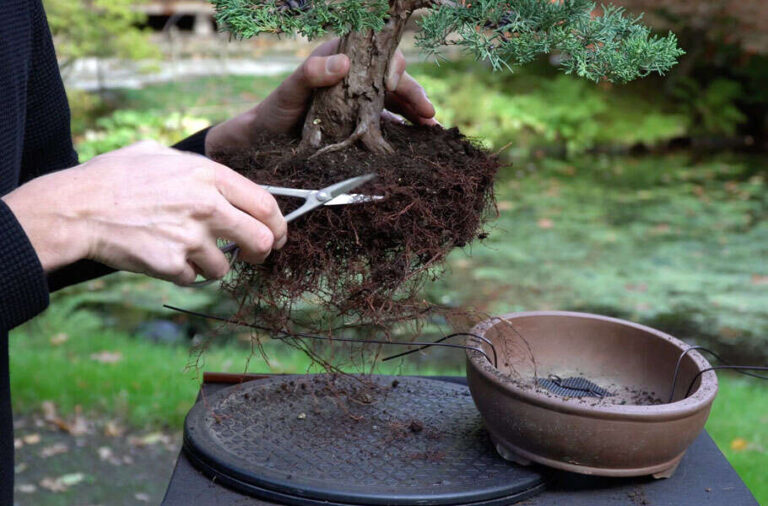
Prepare the clean pot, mesh, wire, fresh mix, and a chopstick. Remove the tree carefully, loosen only the roots that need attention, and avoid cutting a large amount at once unless the species and season support it. Place a small layer of soil, position the trunk, and fill around the roots.
Water fully after repotting. Keep the tree in bright but gentle light for a short recovery period if the roots received major work. Do not fertilize a heavily root-pruned tree right away. Follow species-specific care, because a ficus and a juniper do not respond to indoor conditions in the same way.
Which Mix Should Beginners Buy?
Beginners often need a soil that gives clear feedback. An akadama blend can help because color changes show moisture. A balanced organic mix may provide more forgiveness when watering is delayed. A very gritty mix is excellent for root protection, but it demands closer attention.
If your home is humid and you tend to water often, choose The Bonsai Supply mix or Bonsai Jack. If your home is dry and warm, consider Agralife, Perfect Plants, or a blend with a little coir. If you own several trees, the larger Leaves & Soul or five-quart mix makes more sense.
Start with the product that matches your habits. You can improve technique over time, but no soil should force you into a routine you cannot maintain. The best soil for indoor bonsai is the one that keeps the tree’s roots healthy in your real home.
FAQs Of best soil for indoor bonsai
Can I use regular potting soil for an indoor bonsai?
Regular potting soil is usually too fine and moisture-retentive for a shallow bonsai pot. You can mix it with pumice, lava rock, or coarse bark, but a ready-made bonsai mix is easier and safer for most beginners.
What ingredients should the best soil for indoor bonsai contain?
Look for porous particles such as pumice, lava rock, akadama, or calcined clay. A small amount of bark or coir can add moisture control. The ideal balance depends on the tree, pot, light, humidity, and watering habits.
How often should I water an indoor bonsai?
Water when the upper mix begins to dry, rather than following a fixed daily plan. Soak the soil fully, let excess water drain, and empty the saucer. Bright light and warm air usually increase watering needs.
Is akadama necessary for indoor bonsai?
No. Akadama is useful, but it is not required. Pumice, lava rock, calcined clay, bark, and other quality materials can also create a healthy root zone. Choose the mix that fits your care routine and budget.
Can bonsai soil prevent root rot?
Well-draining soil can lower the risk, but it cannot prevent root rot by itself. Use a pot with open drain holes, provide enough light and airflow, and avoid watering while the mix is still saturated.
Final Verdict: Which Should You Buy?
For most indoor growers, The Bonsai Supply Fast-Draining Mix offers the best balance of airflow, drainage, and easy use. Agralife is kinder to beginners, while Bonsai Jack is best for very wet rooms and careful waterers.
The best soil for indoor bonsai matches your tree and your home. Choose a porous mix, water deeply, and let excess water escape for stronger roots and healthier growth.

Laura Bennett is a gardening writer at MyGardenLabs who creates beginner-friendly guides focused on solving common plant care and gardening problems.