Best Soil For Bonsai Seedlings: Ideal Mix For Strong Growth
The best soil for bonsai seedlings drains fast, holds light moisture, and gives young roots plenty of air.
Starting bonsai from seed feels exciting until tiny seedlings wilt, stay wet, or topple in dense potting soil. Young roots need a gentle balance: moisture for growth, air for breathing, and enough support to stand tall. I tested the key traits that matter in bonsai soil, including drainage, grain size, texture, pH, ease of use, and value. The options below suit new growers, indoor gardeners, and bonsai fans who want a clean start without guessing at a difficult soil recipe.
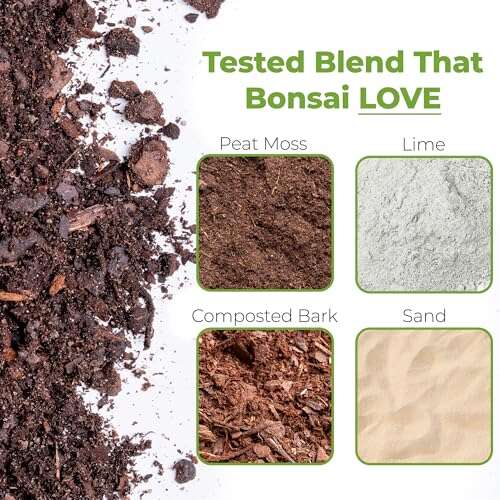
Perfect Plants Bonsai Soil, 2 qt

Perfect Plants Bonsai Soil is a useful all-purpose choice for growers who want a ready-to-use mix. Its chunky texture helps excess water move away from the root zone. That matters because bonsai seedlings have small roots that can suffer when air leaves the soil. I also like the two-quart size for a first tray, a few starter pots, or a small indoor collection.
This mix can work well when you want less measuring and fewer mistakes. It gives young plants a firmer base than fine seed-starting soil, while still supporting regular watering. As with any bonsai soil, pot size and watering habits affect the result. I would watch the first few waterings and adjust your schedule rather than watering by the calendar.
Pros:
- Ready to use with no mixing needed
- Good balance of drainage and moisture control
- Useful size for small bonsai projects
- Helps improve air space around young roots
- Works for many common bonsai types
- Simple option for new growers
Cons:
- May need extra grit for very wet climates
- Two quarts may not last for a large seedling batch
- Texture may not match every tree species
My Recommendation
I recommend this mix to beginners who want the best soil for bonsai seedlings without building a custom blend. It suits indoor growers, casual hobbyists, and anyone planting a small number of seeds. The practical value comes from its simple setup and useful drainage. It is a sound starting point when you want a dependable mix that is easy to find and easy to use.
The Bonsai Supply Fast-Draining Mix
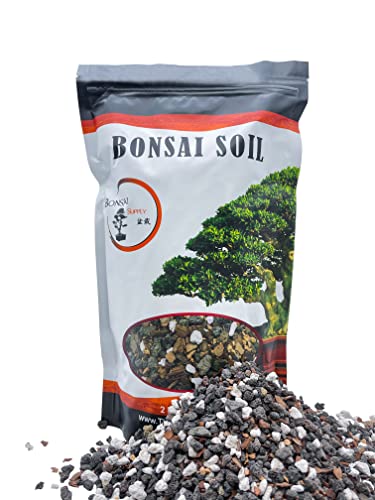
The Bonsai Supply mix uses a blend of pumice, lava, calcined clay, and pine bark. That combination gives it a more structured feel than common garden soil. The mineral pieces create open spaces where oxygen can reach the roots. Pine bark adds organic matter and helps the mix hold some moisture without turning into mud.
I see this as a strong choice for growers who want a pre-blended bonsai medium with a professional feel. It drains quickly, so small pots do not stay saturated for long. You may need to water more often in a hot room or dry summer. For seedlings, I would use a fine screen to remove very large pieces if the particles look too big for the pot.
Pros:
- Fast drainage for wet-prone pots
- Mineral ingredients add lasting structure
- Pine bark offers modest moisture retention
- Pre-mixed for quick planting
- Good airflow around developing roots
- Useful for many bonsai species and climates
Cons:
- May drain too fast in very dry homes
- Larger particles may need screening for tiny seedlings
- Higher mineral content may require closer feeding
My Recommendation
This is one of the best soil for bonsai seedlings options for growers who already understand watering. It fits outdoor benches, warm rooms, and bonsai fans who value long-term structure. I would choose it for seedlings that have formed a sound root system rather than for freshly germinated sprouts. Its price reflects the useful mineral blend, and the two-quart bag works well for a focused project.
Doter Ready-to-Use Bonsai Soil, 1 Quart

Doter’s one-quart bonsai soil is made for small pots, starter kits, and limited planting jobs. The ready-to-use design helps new growers avoid the common mistake of using heavy outdoor soil. A smaller bag also reduces waste if you are testing bonsai from seed for the first time. I find that useful for people who want to learn before buying large amounts of soil.
The mix is suited to seedlings, repotting, and small bonsai plants. Its open texture should help water pass through the container instead of pooling around fragile roots. Use a pot with drainage holes, and never let the container sit in a saucer of old water. Since young seedlings dry out faster than mature trees, check the surface and pot weight often.
Pros:
- Convenient one-quart package
- Ready to use straight from the bag
- Good fit for small bonsai pots
- Useful for seedlings and repotting
- Helps beginners avoid dense garden soil
- Easy to store in a small home
Cons:
- Small quantity limits larger projects
- May need added fine material for very small seeds
- Watering may be needed more often in dry air
My Recommendation
I would pick this product for a first bonsai seedling kit, a classroom project, or a grower with only a few pots. It is especially helpful when you want the best soil for bonsai seedlings in a compact package. The small volume keeps the cost and storage needs low. Buy it when convenience matters more than making a custom soil blend.
Perfect Plants Premium Bonsai Soil, 8 Quarts

The eight-quart Perfect Plants bag makes sense for growers with several seedlings or more than one bonsai tree. It offers the same type of all-purpose approach as a smaller bag, but gives you more room to work. I like bulk soil when repotting because running out halfway through a job can stress both the gardener and the tree. The larger package also helps keep the mix consistent across several pots.
This soil is a practical middle ground between basic potting mix and a highly specialized mineral blend. It should allow drainage while giving roots enough support to anchor. You still need to match watering to the tree, pot, light, and season. Store the unused bag in a dry, sealed place so the mix stays clean and ready for later use.
Pros:
- Eight-quart size suits several plants
- Useful for repeated repotting work
- Ready-to-use all-purpose formula
- Helps create a consistent growing medium
- Good value for active bonsai hobbyists
- Less likely to run out during a project
Cons:
- Takes more storage space than a small bag
- May not suit species that need very sharp drainage
- Bulk size may be excessive for one seedling
My Recommendation
This is one of the best soil for bonsai seedlings choices for families, clubs, and gardeners growing many trees. It also suits anyone planning several rounds of repotting. The larger bag offers better practical value when you know you will use it. If you only have one tiny seedling, choose a one- or two-quart option instead.
Agralife Premium Organic Bonsai Soil

Agralife offers a four-quart organic bonsai soil mix for indoor trees and small collections. The package size gives you enough material for more than a single pot without becoming hard to store. An organic blend can appeal to gardeners who prefer natural inputs and a softer approach to plant care. Still, the word organic does not remove the need for good drainage and careful watering.
For bonsai seedlings, I would use this mix in a clean container with large drainage holes. Watch for slow drying if your room has low light or poor air movement. Organic materials can change over time, so inspect the texture during later repotting. A light, steady fertilizer plan may help once seedlings have true leaves and active growth.
Pros:
- Four-quart size fits small collections
- Organic formula suits natural gardening preferences
- Designed for indoor bonsai use
- Provides a supportive base for young roots
- Useful for repotting and routine care
- Good option for gardeners avoiding ordinary garden soil
Cons:
- Organic material may break down with time
- Indoor growers must avoid overwatering
- May need extra mineral grit for very wet conditions
My Recommendation
I recommend Agralife to indoor growers who want the best soil for bonsai seedlings with an organic focus. It is a good match for a few trees near a bright window or grow light. Use it with sensible watering and strong drainage. Its four-quart size offers a helpful balance between price, storage, and repeated use.
Bonsai Jack Gritty Mix
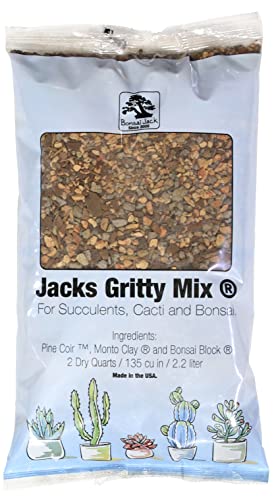
Bonsai Jack Gritty Mix is built for fast drainage and strong air flow. It also targets cactus, succulent, and bonsai use, which makes it appealing to growers with mixed plant shelves. The gritty texture can help reduce the risk of root problems caused by soil that stays wet. It is especially useful in humid rooms, rainy areas, or pots with a history of poor drainage.
This mix can be excellent for established bonsai seedlings, but fresh sprouts may need a finer texture. Tiny roots need contact with the growing medium, not large gaps around the seed. I would screen the mix or blend in a smaller particle size for very young plants. Once the seedlings develop stronger roots, the sharp drainage becomes a major advantage.
Pros:
- Very fast drainage
- Strong air space around roots
- Helps reduce long periods of wet soil
- Useful for bonsai, cactus, and succulents
- Good choice for humid homes
- Gritty structure resists quick collapse
Cons:
- May dry too quickly in hot, sunny spots
- Can be coarse for newly germinated seedlings
- Often needs more frequent feeding and watering
My Recommendation
I consider this a top choice for experienced growers seeking the best soil for bonsai seedlings in a wet climate. It is also useful for trees that dislike soggy roots. Beginners should start with smaller pots and check moisture often. If you want a gritty, low-risk medium and understand how fast it dries, this mix offers strong value.
Doter Ready-to-Use Bonsai Soil, 10 Quarts
Doter’s ten-quart mix is made for growers who need a ready-to-use supply for many pots. It can support seed starting, repotting, and starter kits without the work of measuring separate ingredients. That makes it a practical pick for a bonsai class, plant club, or growing shelf with many seedlings. The larger bag also gives you enough soil to replace old mix during a full repot.
A ready-made blend helps remove one barrier from bonsai care: uncertainty. You can focus on light, water, and root development instead of mixing ratios. I would still inspect the particle size before planting very small seeds. Keep the bag dry and use clean tools to reduce the chance of pests or disease entering the pot.
Pros:
- Large ten-quart supply
- Ready to use with no recipe required
- Good for multiple seedlings and repotting jobs
- Helpful for bonsai starter kits
- Reduces the need to buy several soil parts
- Good value for frequent growers
Cons:
- Too much soil for a single small project
- Needs dry storage after opening
- May require screening for very fine seeds
My Recommendation
This is a strong bulk option for anyone growing many bonsai seedlings. It may be the best soil for bonsai seedlings when convenience and volume matter most. Choose it for workshops, plant nurseries, or a growing hobby that has moved beyond one or two trees. Its value improves as you use more of the bag.
Professional Bonsai Soil Mix, 2.2 Quarts

This professional bonsai soil mix comes in a useful 2.2-quart size. It gives a solo grower more material than a sample bag without forcing a large purchase. The mix is intended for bonsai pots, so it should offer better drainage and air space than standard houseplant soil. That difference can help prevent the compact, heavy texture that often slows young root growth.
I like this size for a focused repotting session or a small group of seedlings. It gives enough room to fill several shallow containers, depending on pot size. As always, use a screen if the particles seem too large for delicate roots. A clean pot, fresh soil, and careful water control will do more for seedling health than a fancy label alone.
Pros:
- Practical 2.2-quart package
- Made for bonsai containers
- Better drainage than common potting soil
- Useful for a few seedlings or one small tree
- Easy option for a planned repotting job
- Supports healthier root-zone air flow
Cons:
- Not ideal for a large collection
- Particle size may need checking before seed use
- Fast drainage can increase watering needs
My Recommendation
I would choose this mix for a bonsai owner who wants a moderate amount of specialized soil. It fits growers who have moved past ordinary potting soil but do not need a ten-quart bag. For the best soil for bonsai seedlings, the mix works best when matched with the right pot and watering plan. It offers a useful blend of control, convenience, and reasonable volume.
Doter Premium Aerated Bonsai Soil

Doter Premium Bonsai Soil focuses on aeration and drainage in a one-quart package. That focus is important because roots need oxygen as well as water. When soil stays packed and wet, roots cannot work well, and seedlings may fade even when the surface looks moist. This mix gives small-pot growers a simple way to create a more open root zone.
The one-quart size is easy to store and suits a small bonsai project. I would use it for young trees that have moved beyond the first delicate germination stage. The mix may dry faster than a rich houseplant medium, so check moisture with a finger or wooden stick. It is better to water based on the pot than on a fixed weekly plan.
Pros:
- Designed for strong aeration
- Promotes fast excess-water movement
- Compact one-quart package
- Useful for small bonsai pots
- Good fit for growers concerned about wet roots
- Ready to use without complex mixing
Cons:
- Limited quantity for larger collections
- May dry quickly near heat or bright light
- Fresh sprouts may need a finer grade
My Recommendation
This mix is best for indoor growers who often struggle with wet soil. It is a smart candidate for the best soil for bonsai seedlings when root-zone air is your main concern. I suggest it for small pots, bright rooms, and careful gardeners who can monitor moisture. Its compact package also makes it a low-risk way to try an airy soil style.
Omitgoter Seed Starting Soil Mix

Omitgoter Seed Starting Soil Mix is the most seed-focused option in this review. Its purpose is to support germination and early root growth for vegetables, flowers, houseplants, and bonsai. Fine seed mix can help tiny roots make close contact with the soil. That feature matters when a coarse bonsai blend leaves too many gaps around a fresh seed.
I would use this mix for the germination stage, then move the seedling into a more open bonsai medium as it grows. Keep the mix evenly moist, but never soaked. A clean tray with drainage holes helps protect new roots from standing water. Once the plant has a firm stem and several true leaves, gradual potting-up can provide better long-term structure.
Pros:
- Designed for seed starting
- Fine texture suits small bonsai seeds
- Useful across many plant types
- Helps roots contact the medium
- Good one-quart size for a trial batch
- Useful for the early germination stage
Cons:
- May hold more water than mature bonsai soil
- Needs a later move into a coarser mix
- Not the best choice for long-term bonsai culture alone
My Recommendation
Omitgoter is best for gardeners starting bonsai from seed rather than buying young trees. It may be the best soil for bonsai seedlings during germination because its fine texture supports tiny roots. I would not leave mature seedlings in it for too long. Use it as the first step, then transition to a faster-draining bonsai mix when the roots gain strength.
How to Choose the Best Soil for Bonsai Seedlings
The best soil for bonsai seedlings is not simply the soil with the most nutrients. Young roots need space, moisture, and oxygen at the same time. A good mix acts like a well-made sponge: it holds a little water, but it does not remain soaked. It also stays open after repeated watering.
Particle size matters. Very fine soil can support germination, but it may compact as it dries and wets. Very coarse soil drains well, but tiny roots may struggle to grip it. I prefer a fine-to-medium texture for fresh seedlings and a more mineral, open blend as the plant grows.
Drainage
Drainage is the first feature I check. Water should pass through the pot within seconds, not sit on top for minutes. Slow drainage can reduce oxygen and increase the risk of root rot. However, drainage should not be so extreme that the seedling dries minutes after watering.
Air Space
Roots need oxygen to grow. Materials such as pumice, lava rock, and calcined clay can create lasting air pockets. Bark can add organic matter and moisture control, but organic pieces may break down over time. A balanced mix keeps its structure long enough for healthy root development.
Moisture Retention
Seedlings have small root systems, so they can dry out fast. A mix with some moisture-holding material can make care easier. Still, damp does not mean wet. I check the pot each day in warm weather and less often in cool, dim conditions.
pH and Fertility
Most bonsai seedlings grow well in a slightly acidic to near-neutral medium, though the ideal range depends on the species. A ready-made bonsai mix can simplify the starting point. Do not add strong fertilizer to fresh seedlings unless the product directions and plant stage support it. Once true leaves appear and growth is active, use a weak, balanced feed as needed.
Pot and Watering Tips
Even the best soil for bonsai seedlings cannot fix a pot without drainage holes. Use a shallow container with enough room for roots but not a huge excess of wet soil. Covering drainage holes with mesh can keep the mix in place. Water until a little flows from the holes, then empty the saucer.
Do not water because a label says “every seven days.” Light, heat, humidity, pot size, and tree type all change water use. Lift the pot to learn its dry weight, or test below the surface with a clean wooden stick. This small habit prevents many early bonsai failures.
Best Soil for Bonsai Seedlings Buying Guide
For fresh seeds, look for a fine and clean medium. For older seedlings, look for larger mineral pieces and stronger drainage. If you grow indoors, consider how much light and air movement the plant receives. A bright grow light may increase water use, while a cool window can leave soil wet for days.
Package size also affects value. A one-quart bag works well for a test, while four to ten quarts make more sense for a collection. Do not buy a large bag just because the price per quart looks lower. Soil loses value when it sits open, becomes damp, or goes unused.
I also check whether the mix is ready to use. Pre-blended soil saves time and avoids poor ratios. Custom mixes can offer more control, but they require clean ingredients, a scale or scoop, and a clear reason for each change. For most beginners, a sound ready-made blend is the safer start.
How I Evaluated These Bonsai Soil Products
I focused on traits that affect real seedling care. These include drainage speed, air space, texture, package size, ease of use, likely watering needs, and suitability for different growth stages. I also considered how each product fits a real home, where growers may have limited space, uneven light, and little time.
No soil works perfectly for every tree. A pine seedling, tropical bonsai, and succulent bonsai may prefer different moisture levels. The product label gives a starting point, but your local climate and care routine complete the picture. That is why I included both fine seed-starting soil and gritty mixes.
| Best for | Why |
|---|---|
| Fresh bonsai seeds | Omitgoter has a fine texture that helps tiny roots contact the soil. |
| Beginners with a few pots | Perfect Plants 2-quart mix is simple, ready to use, and easy to store. |
| Experienced growers and wet rooms | Bonsai Jack Gritty Mix offers very fast drainage and strong air space. |
Common Mistakes With Bonsai Seedling Soil
The first mistake is using garden soil. It often contains fine particles that compact inside a small pot. Compaction blocks air and slows drainage. Even rich soil can harm a bonsai seedling if the root zone stays wet.
The second mistake is choosing a pot that is too large. A large pot holds more wet soil than a small root system can use. This creates a slow-drying pocket around the roots. Pot up in stages as the seedling grows.
The third mistake is burying the seed too deep. Follow the needs of the tree species, and keep the surface gently moist during germination. Press the soil lightly so the seed has contact, but do not pack it hard. Good contact and good air should work together.
The fourth mistake is fertilizing too early. A fresh seed often carries enough stored energy to begin growth. Strong feed can damage tender roots. Wait for active growth and true leaves, then start with a mild product if needed.
FAQs Of best soil for bonsai seedlings
What is the best soil for bonsai seedlings?
The best soil for bonsai seedlings drains well, holds light moisture, and stays airy. Fine seed-starting soil works for germination, while a coarser bonsai mix suits stronger young plants.
Can I use regular potting soil for bonsai seedlings?
Regular potting soil may hold too much water in a small bonsai pot. I prefer a purpose-made bonsai mix or a lighter seed-starting blend with better drainage.
Should bonsai seedling soil contain fertilizer?
Fresh seedlings usually need little or no added fertilizer at first. After true leaves form and growth becomes active, use a weak feed that matches the tree species.
How often should I water bonsai seedlings?
Water when the surface begins to dry, but do not let the root ball become bone dry. Check daily in warm, bright conditions and less often in cool, dim rooms.
When should I move a bonsai seedling into coarse soil?
Move it after the seedling has a firm stem, active roots, and several true leaves. Change the soil gently so you do not tear the young root system.
Final Verdict: Which Should You Buy?
Perfect Plants Bonsai Soil is my top all-around pick for the best soil for bonsai seedlings. Choose Omitgoter for fresh seeds and Bonsai Jack for very fast drainage.
Match the mix to your seedling’s stage, pot, and climate. With good light, careful water, and airy soil, your tiny tree gets a strong start.

Laura Bennett is a gardening writer at MyGardenLabs who creates beginner-friendly guides focused on solving common plant care and gardening problems.