
How To Grow Bonsai Lotus Seeds: Step-By-Step Guide
Start by scarifying, soaking, and planting lotus seeds in shallow containers with warm sun and steady water.
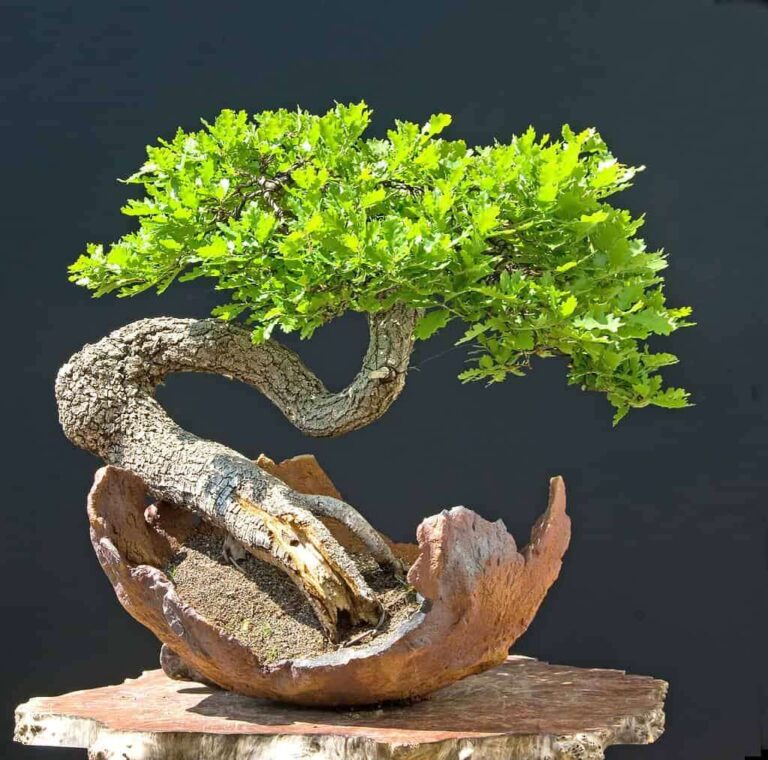
I’ve grown many water plants and bonsai projects over the years, and I’ll walk you through how to grow bonsai lotus seeds with practical steps, tested tips, and clear reasons why each action matters. This guide covers seed prep, germination, potting, pruning, and seasonal care so you can raise healthy, compact lotus specimens that suit a bonsai-style display.
Choosing seeds and lotus varieties
Pick fresh seeds from reputable suppliers. Look for seeds labeled for pond or aquatic gardening; older seeds may fail to germinate. Some lotus varieties stay naturally smaller and suit bonsai—dwarf cultivars and temperate types are good choices. When deciding how to grow bonsai lotus seeds, variety choice sets your success before you even start.
- Tips for selection
- Choose seeds under 2–3 years old.
- Prefer dark, smooth, intact seed coats.
- Start with dwarf or semi-dwarf cultivars.

Seed preparation: scarification and safety
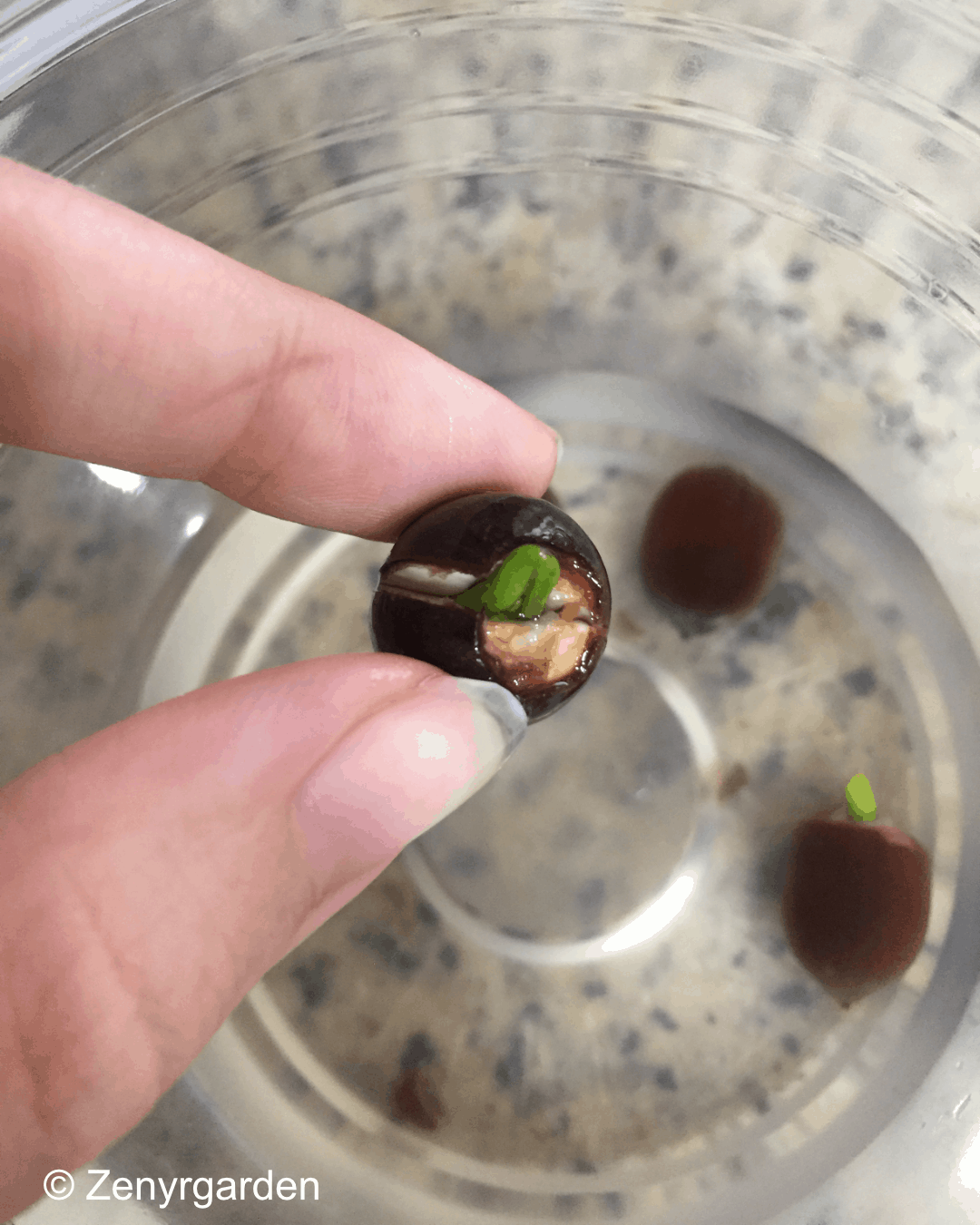
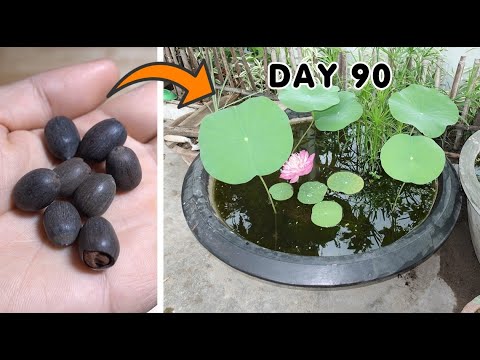
Lotus seeds have a hard shell that needs scarification to let water in. Use a file, sandpaper, or nick the seed coat with a knife until you see lighter inner color. Always work carefully to avoid injuring the embryo. Proper scarification is the first key step in how to grow bonsai lotus seeds that actually sprout.
- Tools to use
- Emery board or coarse sandpaper.
- Small file or sharp knife for controlled nicking.
- Clean water and a shallow dish for soaking.
Soaking and germination steps
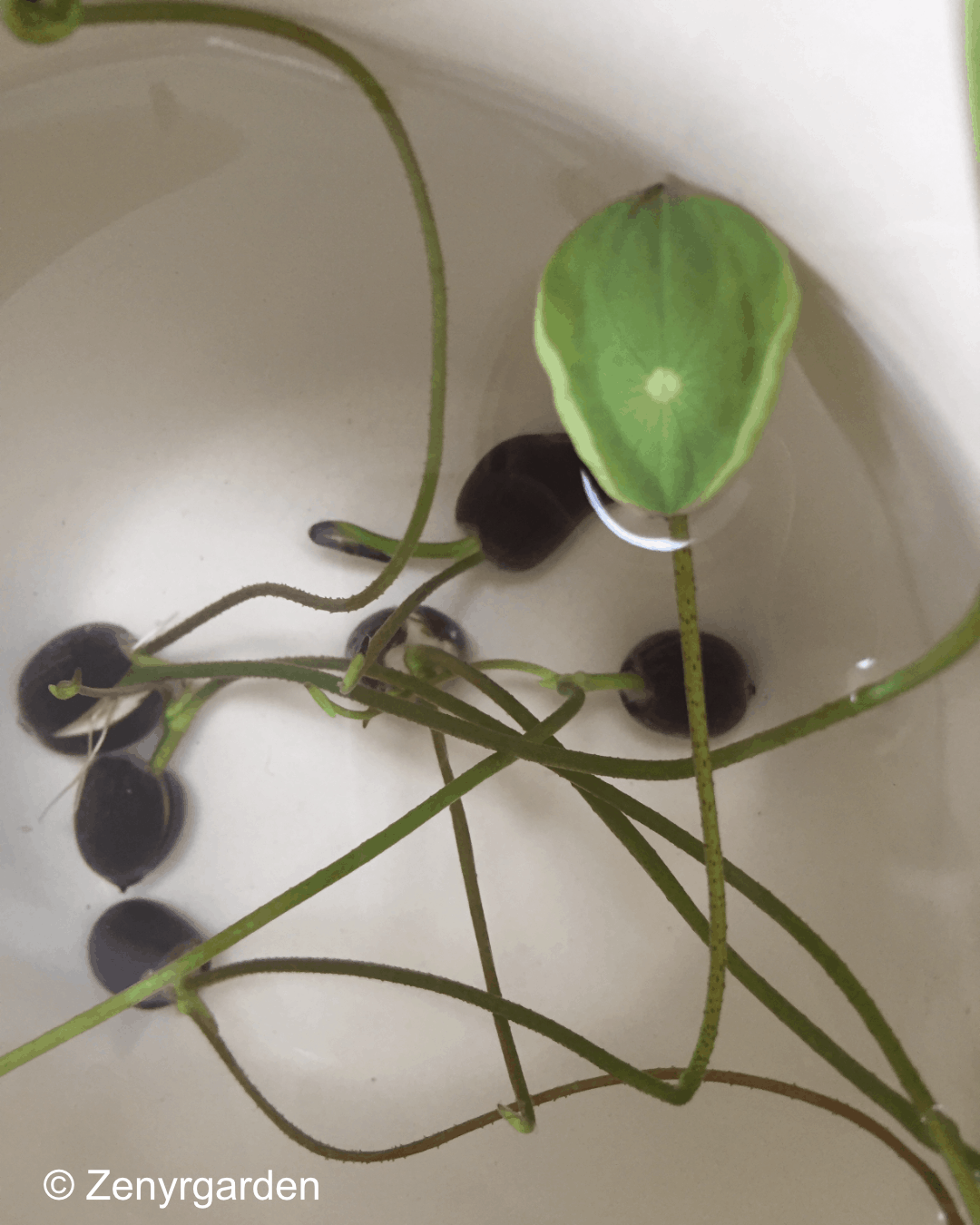
After scarifying, soak seeds in warm water to encourage the embryo to swell. Change the water daily and keep it at room temperature or a bit warmer. You’ll see a white sprout emerge in 3–10 days for viable seeds. These precise steps form the core of how to grow bonsai lotus seeds successfully.
- Scarify the seed.
- Place in warm water (70–85°F / 21–29°C).
- Change water daily and watch for a sprout.
Potting up: choosing containers and soil
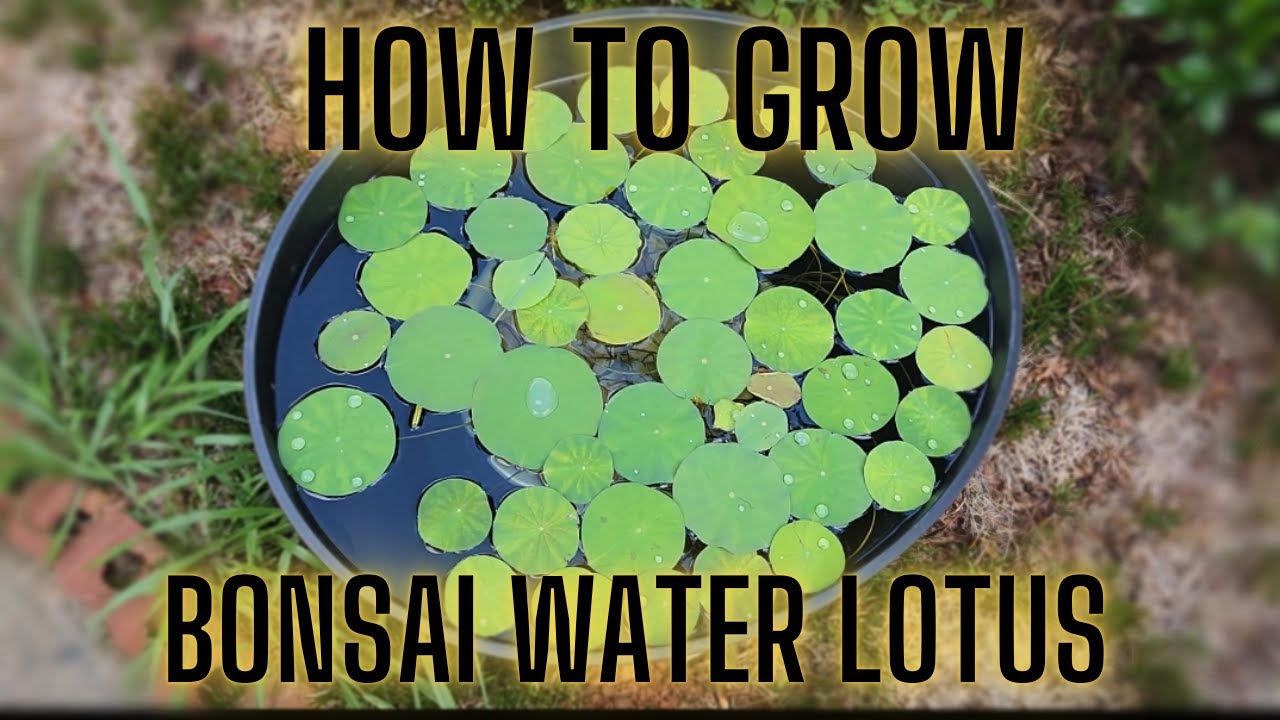
Bonsai lotus does best in wide, shallow containers to encourage a compact root ball. Use heavy loam or clay-based aquatic soil; avoid peat or lightweight mixes that float. Plant the sprouted seed gently, with the shoot above the soil and the root spread slightly. Container choice strongly affects how to grow bonsai lotus seeds into a small, stable plant.
- Soil mix
- Heavy loam or clay soil.
- A thin top layer of aquatic compost for nutrients.
- No perlite or vermiculite that will float away.

Water depth and container placement
Lotus like still shallow water early, then deeper as they grow. Keep water shallow (about 1–2 inches above soil) for small seedlings. As leaves form, gradually increase depth up to 6–12 inches depending on variety. Managing water depth is essential when learning how to grow bonsai lotus seeds and maintain a bonsai form.
- Water tips
- Start shallow for seedlings.
- Increase depth with leaf size.
- Avoid strong currents or fountains.

Light, temperature, and daily care
Lotus need full sun—at least 6–8 hours daily—to thrive and flower. They prefer warm conditions and grow best when water and air temps are warm. Monitor for algae and keep water clear. Sun, warmth, and steady care determine success in how to grow bonsai lotus seeds into flowering miniatures.
- Best conditions
- Full sun, warm day temps (75–90°F).
- Stable water temp and low wind exposure.

Training and pruning bonsai lotus
To keep a lotus small and bonsai-like, prune leaves and stems selectively. Remove large leaves and old seed pods to focus energy on new compact growth. You can root-prune or divide tubers in early spring to limit size. Training is where artistry meets science in how to grow bonsai lotus seeds into a pleasing miniature.
- Training methods
- Remove tall shoots to encourage side buds.
- Divide tubers to reduce vigor.
- Use shallow pots to limit root spread.
Fertilizing and nutrient management
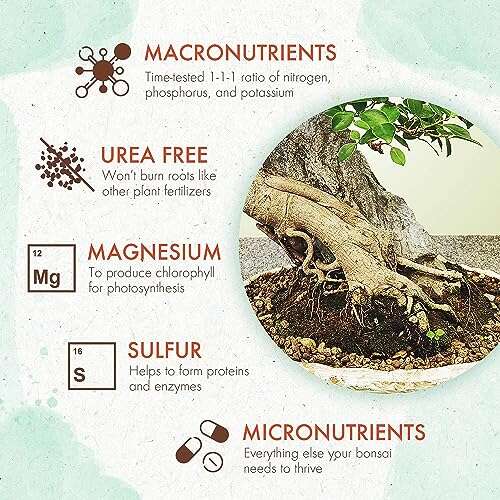
Lotus are heavy feeders once established. Use a slow-release aquatic fertilizer or tablet made for pond plants. Apply sparingly in early growth—follow label rates—to avoid algae blooms. Proper feeding helps how to grow bonsai lotus seeds produce big leaves and flowers while keeping the plant balanced.
- Fertilizer schedule
- Start 4–6 weeks after planting.
- Monthly during active growth; reduce in late season.
Pest and disease management
Watch for aphids, snails, and water molds. Hand-pick pests and use mild water sprays or approved aquatic-safe treatments. Keep water clean and avoid overcrowding to lower disease risk. Good hygiene is a practical skill in how to grow bonsai lotus seeds without losing plants to pests.
- Common problems
- Aphids on leaves and buds.
- Snails eating young leaves.
- Root rot if soil stays anaerobic.
Overwintering and seasonal moves
How to grow bonsai lotus seeds also means planning for winter. In cold climates, move containers to frost-free, bright spots or sink pots to deeper unfrozen areas outdoors. For tubers in dormancy, keep them cool and just moist but not frozen. Correct overwintering protects the buds and tubers for the next season.
- Winter tips
- Bring indoors if temps drop below 28°F.
- Let the plant go dormant naturally before moving.
Troubleshooting common problems
If leaves yellow, check nutrients and water depth first. If seedlings fail to sprout, revisit scarification and seed freshness. Slow growth often means lack of sunlight or a pot that’s too deep. Troubleshooting is part of learning how to grow bonsai lotus seeds; expect a few experiments.
- Quick fixes
- Yellow leaves: boost fertilizer and sun.
- No sprout: re-scarify or try fresh seeds.
- Leggy growth: increase light and lower water depth.
Timeline and growth stages
You’ll see a sprout in days to weeks. Root and initial leaves form in 2–6 weeks. Stable, mature foliage and possible blooms come in the first full season if cared for. Patience and steady care map the timeline for how to grow bonsai lotus seeds into small, flowering plants.
- Typical timeline
- 3–10 days: sprouting after scarification.
- 2–8 weeks: seedling and early leaves.
- 1 season: established plant; possible blooms.
Frequently Asked Questions of how to grow bonsai lotus seeds
How long does it take for lotus seeds to germinate?
Germination usually takes 3–10 days after scarification and soaking. Viable seeds swell quickly and show a white sprout if conditions are warm.
Can I keep lotus in a small container for bonsai form?
Yes. A wide, shallow container limits root growth and keeps the plant compact. Use heavy soil and manage nutrients to avoid excessive vigor.
Do lotus seeds need cold stratification?
Most lotus seeds do not need cold stratification but do require scarification to break the hard coat. Warm water soaking is often enough to trigger germination.
How deep should I plant a germinated lotus seed?
Plant the seed with the sprout above the soil and the root curled in shallow soil. Maintain just 1–2 inches of water above the soil for seedlings.
Will a lotus flower if kept small for bonsai?
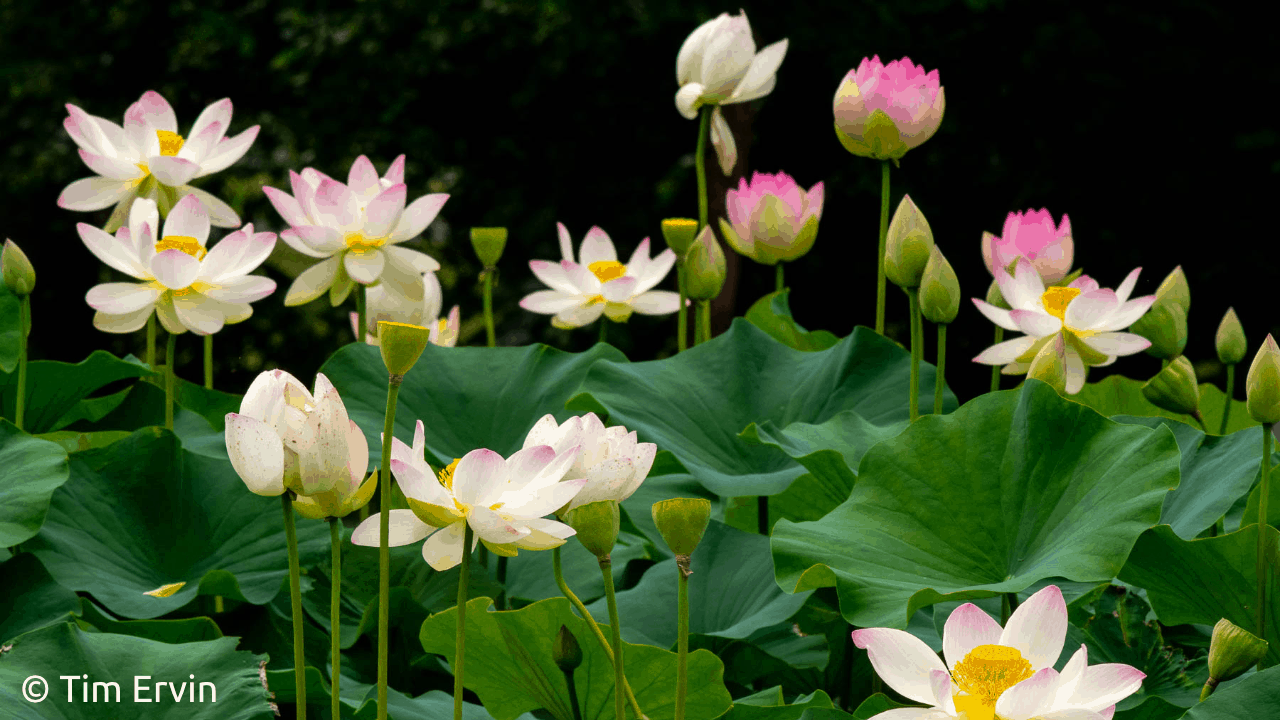
Dwarf varieties can flower even when grown compact, but heavy pruning or severe root restriction can reduce blooms. Balance size control with enough nutrients and sun for flowering.
How often should I fertilize a bonsai lotus?
Fertilize monthly during the growing season with an aquatic plant fertilizer. Reduce feeding in late summer and stop during dormancy.
Is tap water safe for lotus seedlings?
Tap water is usually fine if it has no harsh chemicals or high salt levels. If you worry about chlorine, let water sit 24 hours before use or use filtered water.
Conclusion
Growing lotus from seed into a bonsai-style plant rewards patience, careful seed prep, and steady water and light management. Start by scarifying and soaking seeds, plant them in heavy soil in a shallow wide pot, and balance pruning, fertilizer, and water depth to shape the plant. Try a few seeds, learn from small mistakes, and enjoy the slow, calm process—then share your successes or questions in the comments and subscribe for more water-garden tips.

Laura Bennett is a gardening writer at MyGardenLabs who creates beginner-friendly guides focused on solving common plant care and gardening problems.