How To Keep A Bonsai Small: Easy Size Control Tips
Keep a bonsai small with regular pruning, root trimming, balanced feeding, and a pot that limits excess growth.
Learning how to keep a bonsai small is less about stopping growth and more about guiding it. With the right pruning schedule, root care, light, water, and training, you can maintain a healthy tree that looks miniature without making it weak or stressed.

What Keeps a Bonsai Small?
A bonsai stays small through a balance of top growth, root growth, and environmental control. Unlike a naturally dwarf tree, most bonsai are regular trees trained to grow in a small form.
The goal is not to keep the tree tiny at any cost. The goal is to keep its leaves, branches, trunk, and roots in proportion. A small bonsai should still produce healthy new growth, strong color, and firm leaves.
The main methods for how to keep a bonsai small include:
• Pruning new shoots and branches
• Trimming roots during repotting
• Using a suitable bonsai pot
• Providing strong light
• Controlling fertilizer
• Training branches with wire
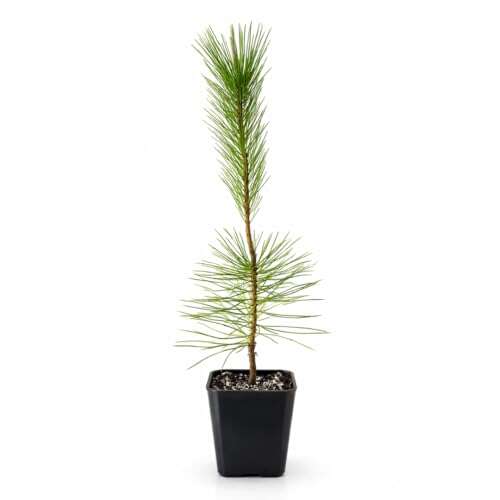
• Choosing a tree species that responds well to bonsai care
A tree that receives too much fertilizer, too little light, or poor pruning may grow long, weak shoots. A tree that receives too little water or root space may stop growing because it is unhealthy. Small size should come from careful training, not neglect.

Prune New Growth Regularly
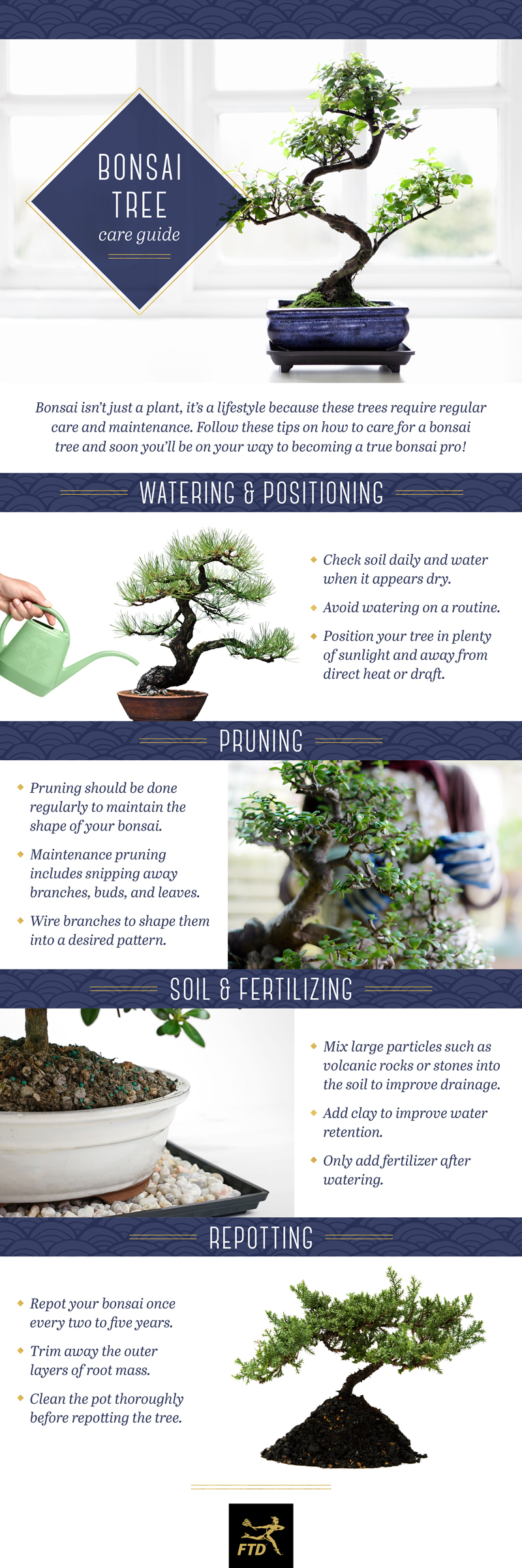
Pruning is the most direct way to keep a bonsai small. It removes unwanted shoots before they become long branches. It also encourages the tree to produce compact growth closer to the trunk.
There are two main types of pruning:
• Maintenance pruning removes new shoots and keeps the existing shape.
• Structural pruning removes large branches and changes the main design.
For maintenance pruning, let a shoot grow several leaves, then cut it back to one or two leaf pairs. The exact cut depends on the tree species and the shape you want. Fast-growing trees may need this work every few weeks during the growing season.
Do not remove all new growth at once. Leaves are the tree’s food-making system, so heavy pruning can reduce energy and slow recovery. A safe approach is to prune gradually and leave enough healthy foliage to support the roots.
When to Prune a Bonsai
The best time depends on the species and the type of cut.
• Prune deciduous trees during the growing season for shape control.
• Prune many conifers with care, since old wood may not produce new buds.
• Prune flowering bonsai after blooming if you want to protect flower production.
• Perform major structural pruning during the tree’s proper dormant or active season.
A clean, sharp tool makes a smooth cut and lowers the risk of crushed tissue. Sterilize tools between trees, especially if you see disease or pests.

Trim the Roots During Repotting
Root pruning is a key part of how to keep a bonsai small. If roots grow freely, they can support larger top growth. Trimming some roots reduces the tree’s ability to expand rapidly and keeps the root system suited to a shallow pot.
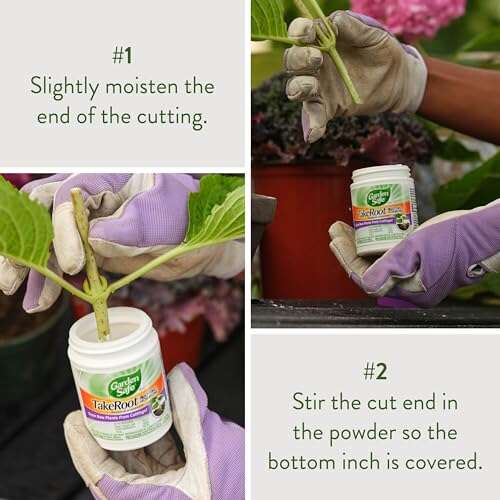
Root pruning should happen during repotting, not as a casual weekly task. Remove the tree carefully, loosen the outer roots, and cut away a modest amount of long, circling, or damaged root growth.
Keep the fine feeder roots whenever possible. These small roots absorb much of the water and nutrients. Removing too many can cause serious stress, leaf loss, or even tree death.
A good root trim should leave a compact root ball with many fine roots. After repotting, place the bonsai in a protected spot and avoid strong fertilizer until new growth shows.
How Often Should You Repot?
Repotting needs vary by species, age, pot size, and growth speed.
• Young bonsai may need repotting every one to two years.
• Older bonsai may need repotting every three to five years.
• Fast-growing species may fill a pot sooner.
• Slow-growing trees may stay in the same pot longer.
Do not repot only because the calendar says it is time. Check the roots and soil first. If water runs poorly, roots circle the pot, or growth slows without another cause, the tree may need attention.

Use the Right Bonsai Pot
A bonsai pot helps control root space, but it should not act like a prison. The pot must provide enough room for healthy roots, drainage, and modest seasonal growth.
Choose a pot with:
• Drainage holes
• Tie-down holes when needed
• Enough depth for the tree’s root system
• A width that supports the canopy
• Space for fresh bonsai soil
A very small pot does not automatically create a better miniature tree. If the pot is too small, the roots can dry out quickly, become overheated, or lose access to oxygen.
The pot should also match the tree’s stage of development. A young tree that needs trunk growth may require a larger training pot. A refined tree can move into a smaller display pot once its trunk and branches are established.
Good bonsai soil drains quickly but holds enough moisture for the species. Dense garden soil often stays wet and blocks air from reaching the roots.
Control Light, Water, and Fertilizer
Environmental care affects bonsai size more than many beginners expect. Strong light creates shorter growth between leaves, while low light often produces long, weak shoots.
Place the bonsai where it receives the light required by its species. Many outdoor bonsai need several hours of direct sun, but some trees need protection from intense afternoon heat.
Water when the soil begins to dry, rather than watering by a fixed schedule. Water thoroughly until it flows from the drainage holes. Then allow the soil to drain fully.
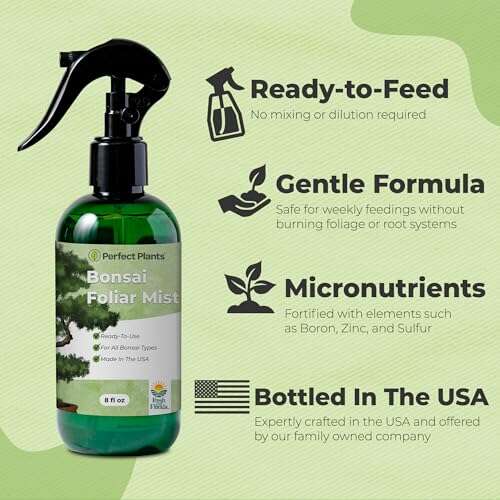
Fertilizer supports growth, so use it with purpose. During active growth, a balanced bonsai fertilizer can help the tree stay healthy. Too much nitrogen may cause large leaves and long shoots.
To encourage compact growth:
• Use a balanced fertilizer at the recommended rate.
• Reduce feeding during dormancy.
• Avoid heavy feeding after severe pruning or repotting.
• Do not use fertilizer to compensate for poor light or weak roots.
A small tree still needs food. The aim is controlled growth, not starvation.
Train Branches With Wire and Guy Wires
Pruning controls where growth remains. Wiring controls the direction and position of branches. Together, these methods create a compact bonsai design.
Wrap bonsai wire around a branch at a gentle angle. The wire should support the branch without cutting into the bark. Check wired branches often because they can thicken quickly during warm weather.
Remove the wire before it marks the bark. If the wire begins to sink into the branch, cut it away carefully rather than unwinding it and causing damage.
Guy wires can move thick branches without placing heavy pressure on the bark. They are useful when a branch is too stiff for ordinary wiring.
Training does not make a bonsai smaller by itself. It makes the tree appear smaller by keeping branches close, reducing empty space, and improving proportion.

Choose a Species That Stays Manageable
Some trees respond well to frequent pruning and root work. Others grow too fast, produce large leaves, or dislike life in a shallow pot.
Species often used for compact bonsai include:
• Japanese maple
• Chinese elm
• Ficus
• Jade plant
• Cotoneaster
• Juniper
• Boxwood
• Dwarf pomegranate
The best choice depends on your climate and growing space. Tropical species such as ficus need warmth and strong light. Junipers usually perform best outdoors and may decline indoors.
Leaf size also affects the visual scale of a bonsai. A tree with naturally smaller leaves may look more convincing in a miniature form. Still, proper pruning and strong light can reduce leaf size over time in some species.
Research the species before buying tools or changing the pot. Care advice for a juniper cannot be applied safely to a ficus or jade plant.

Keep a Bonsai Small Without Weakening It
The most common mistake is trying to reduce size too quickly. A beginner may prune every branch, cut too many roots, and place the tree in a tiny pot all in one day.
That combination can remove the tree’s ability to make food and absorb water. The result may be yellow leaves, dead branches, pests, or slow recovery.
Use a gradual plan:
-
Improve light and watering first.
-
Remove dead, diseased, or badly placed growth.
-
Wait for healthy recovery.
-
Prune new shoots in stages.
-
Repot during the correct season.
-
Trim roots conservatively.
-
Adjust the pot only after the tree is strong.
One lesson experienced growers often share is that patience creates better bonsai than constant cutting. A bonsai is more like a living sculpture than a haircut. Each change should support the next season of growth.

Common Mistakes When Keeping Bonsai Small
Small bonsai care becomes easier when you know which habits cause trouble.
Cutting Too Much at Once
Severe pruning can remove too many leaves and reduce energy. Make smaller cuts over time unless you are performing planned structural work on a vigorous tree.
Keeping the Tree Indoors
Most traditional bonsai trees need outdoor conditions, seasonal changes, and strong light. Indoor air may be too dry, and window light may be too weak. Tropical bonsai are the main exception, but they still need excellent light.
Using Ordinary Potting Soil
Standard potting soil may hold too much water in a shallow pot. Use a free-draining bonsai mix suited to the species and your watering habits.
Watering on a Strict Schedule
Weather, pot size, soil, and season change water needs. Check the soil with your finger or observe its color and weight before watering.
Ignoring Pests
Small trees have limited reserves. Aphids, spider mites, scale, and fungal problems can cause rapid damage. Inspect leaves, stems, and soil each week.
Expecting Fast Results
A bonsai may need several seasons to develop a refined shape. Fast changes often create weak branches and poor structure. Slow work usually produces a stronger tree.
A Simple Seasonal Care Plan
A seasonal plan helps you understand how to keep a bonsai small without guessing.
Spring
Watch for new buds and shoots. Begin maintenance pruning when growth extends beyond the desired outline. Repot suitable species as they begin active growth.
Summer
Check water needs often, especially in small pots. Protect sensitive trees from extreme heat. Prune long shoots and watch wired branches for marks.
Fall
Reduce fertilizer as growth slows. Clean up dead leaves and inspect the tree for pests. Many deciduous bonsai show their best color during this season.
Winter
Protect outdoor bonsai from extreme cold according to the species. Do not place temperate trees in a warm room for the whole winter. Tropical bonsai may need indoor shelter, bright light, and stable warmth.
This plan is a guide, not a strict rule. Local climate matters. A grower in Florida may follow a different schedule from someone in Minnesota.
Frequently Asked Questions About How to Keep a Bonsai Small
How do you keep a bonsai tree small?
Use regular shoot pruning, careful root pruning, a suitable shallow pot, and controlled feeding. Keep the tree healthy while removing excess growth in small stages.
Does cutting bonsai roots keep it small?
Root pruning can limit excessive growth and maintain a compact root system. It must be done during repotting and should be conservative to avoid stress.
Can you keep any tree as a small bonsai?
Many woody trees can become bonsai, but some are easier than others. Choose a species that tolerates pruning, root work, and your local climate.
How often should you prune a bonsai?
Maintenance pruning may be needed several times during active growth. The exact schedule depends on the species, light, fertilizer, and desired shape.
Why is my bonsai growing long branches?
Long branches often result from low light, excess nitrogen, or delayed pruning. Improve light, review feeding, and cut new shoots back after the tree is growing strongly.
Can a bonsai stay small without root pruning?
Some trees can remain compact with pruning and limited pot space, but root pruning is often needed over time. Without it, roots may circle the pot and reduce soil quality.
Is a small bonsai unhealthy?
A small bonsai can be very healthy when it has good roots, firm leaves, strong color, and seasonal growth. Small size becomes unhealthy only when it results from neglect, severe stress, or poor care.
Conclusion
Knowing how to keep a bonsai small means learning to manage growth, not stop it. Prune new shoots, trim roots carefully, use a well-draining pot, provide strong light, and feed the tree with restraint.
Work slowly and watch how the tree responds. A healthy bonsai will tell you when it needs more light, water, space, or recovery time. Start with one simple task this season, then build your skills through careful observation. Explore more bonsai care guides, keep a pruning record, and share your results with other growers.

Laura Bennett is a gardening writer at MyGardenLabs who creates beginner-friendly guides focused on solving common plant care and gardening problems.