
What Is The Best Garden Trowel: Top Picks
The best garden trowel has a strong stainless steel blade, a comfortable grip, and the right shape for your soil.
Choosing the best garden trowel is not just about picking the most expensive tool on the shelf. Blade shape, steel quality, handle comfort, grip size, and soil type all affect how well a trowel performs. After comparing common designs and real garden tasks, this guide will help you choose a trowel that digs cleanly, lasts for years, and feels good in your hand.
What Is the Best Garden Trowel?
For most gardeners, the best garden trowel is a stainless steel model with a wide, slightly curved blade and an ergonomic, non-slip handle. This design works well for planting flowers, moving potting soil, digging in garden beds, and removing small weeds.
A good all-purpose trowel should also have a strong connection between the blade and handle. A sharp blade is helpful, but strength matters more. A thin blade may enter hard soil easily at first, yet it can bend when used near roots, stones, or compacted clay.
The best garden trowel for one person may not be the best for another. Someone with raised beds may prefer a broad blade, while a balcony gardener may want a narrow trowel for small containers.

Best Garden Trowel at a Glance
Here is a simple guide to the main trowel types and their best uses:
- Best overall: A stainless steel trowel with a medium-width blade and soft ergonomic handle
- Best for hard soil: A narrow, pointed blade made from forged steel
- Best for containers: A slim transplanting trowel with depth markings
- Best for wide planting holes: A broad blade with a rounded or scoop-like shape
- Best for small hands: A short handle with a slim grip
- Best for large hands: A longer handle with a thick, shaped grip
- Best for durability: A one-piece forged stainless steel design
- Best for gardeners with weak hands: A lightweight trowel with an angled ergonomic handle
The best garden trowel should match your most common task. If you mainly plant seedlings, a narrow blade gives better control. If you fill pots or move compost, a wider blade saves time.
Avoid buying a trowel based only on appearance. Bright colors and polished finishes can look attractive, but they do not always show how well the tool will perform.
:max_bytes(150000):strip_icc()/spr-tier-3-primary-best-garden-trowels-ebrockob-001-cc3f414e7f904fc5beaf6f3a4aeec062.jpeg)
How to Choose the Best Garden Trowel
Check the Blade Material
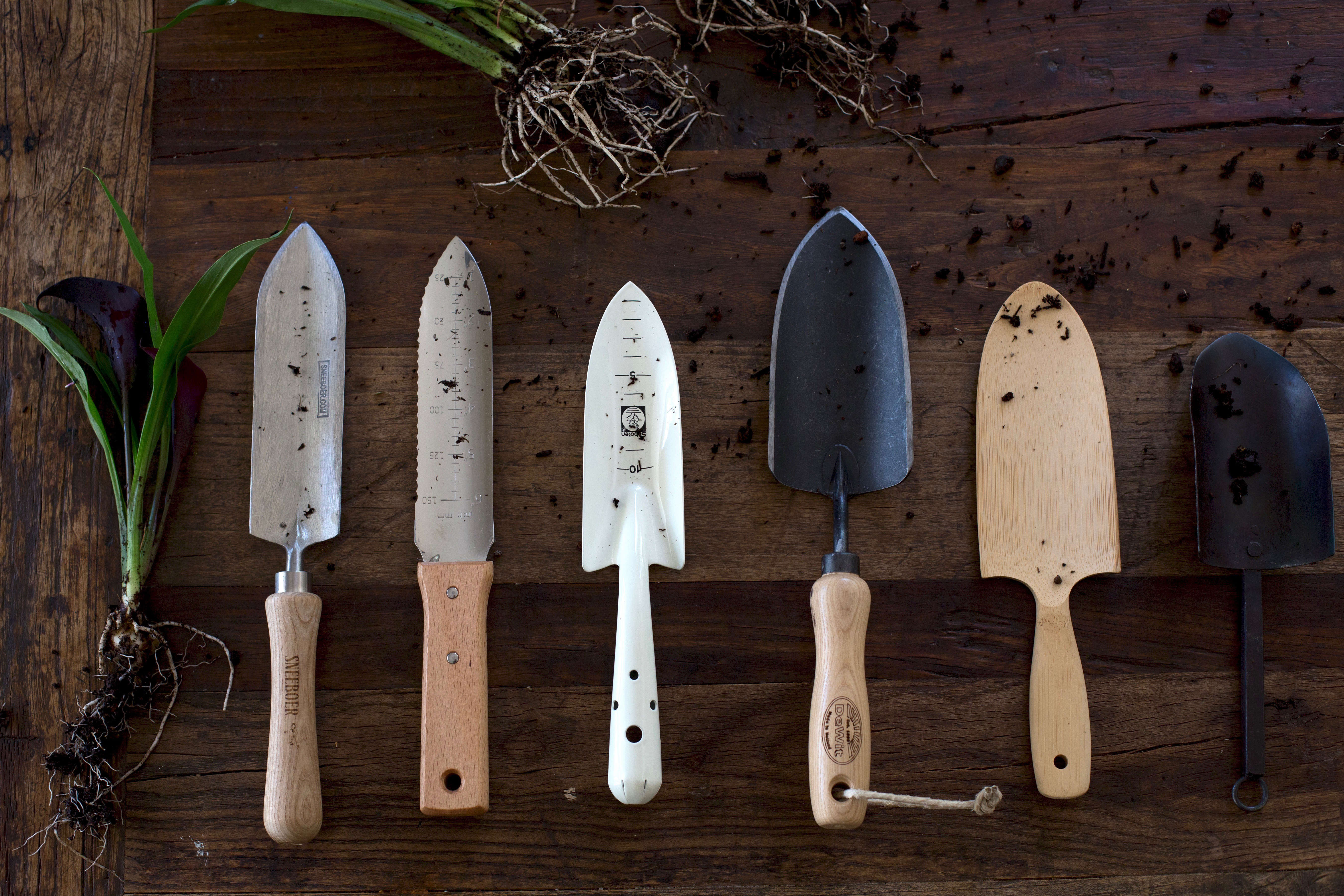
Blade material is one of the clearest signs of quality. Stainless steel is a popular choice because it resists rust and cleans easily after use. It is also strong enough for most home gardening tasks.
Carbon steel can be very tough and may hold a sharp edge well. However, it needs more care because moisture can lead to rust. Powder-coated carbon steel offers some protection, but scratches can expose the metal underneath.
Aluminum trowels are light and easy to handle. They work well in loose potting mix but may bend in rocky ground. For general outdoor use, stainless steel usually offers the best balance of strength, weight, and care.
Look at the Blade Shape
Blade shape changes how the trowel moves through soil.
- Pointed blades enter firm soil with less pressure.
- Rounded blades scoop soil well and suit pots and loose beds.
- Narrow blades fit between crowded plants.
- Wide blades move more soil with each scoop.
- Flat-edged blades can help cut through roots and packed soil.
A medium-width blade is often the safest choice for a first trowel. It gives enough room for planting annuals but still offers control around roots.
Inspect the Handle Connection
The joint between the blade and handle is a common failure point. A trowel may have a strong blade but still break if the socket is weak or poorly attached.
Look for a deep blade socket. A tang that extends well into the handle usually provides better support. A one-piece forged design is even stronger because the blade and shaft are formed from one continuous piece.
When shopping in person, gently press the blade against a firm surface. It should flex very little. Do not bend it aggressively, since this can damage even a good tool.
Choose a Comfortable Grip
A garden trowel should feel secure without forcing you to squeeze hard. A soft rubber or textured handle can reduce slipping when your hands are wet.
Handle shape matters as much as padding. A slightly curved grip often fits the natural position of the hand better than a perfectly straight handle. If you have arthritis or reduced hand strength, look for an angled handle with a thick, easy-to-hold grip.
The best garden trowel should feel balanced. If the blade feels too heavy or the handle twists in your hand, long planting sessions may cause wrist strain.
Stainless Steel vs. Carbon Steel Trowels
Both materials can make excellent tools, but they have different strengths.
Stainless Steel
Stainless steel is a strong choice for gardeners who want low maintenance. It resists rust, handles damp soil well, and usually wipes clean with little effort.
Its main limitation is that not all stainless steel is equally strong. A thin stamped blade can still bend. Look for a blade with enough thickness and a secure handle connection.
Carbon Steel
Carbon steel is known for strength and hardness. A well-made carbon steel trowel can work effectively in dense soil and may keep a sharp edge for a long time.
The tradeoff is maintenance. Dry the blade after use and store it in a dry place. A light coat of mineral oil can help protect it from rust.
Aluminum
Aluminum is light, which can help gardeners who tire easily. It is a good option for pots, seed trays, and loose compost.
It is less suitable for rocky ground or hard clay. Too much force can bend an aluminum blade, and bent aluminum is difficult to restore.
For most home gardeners, the best garden trowel is stainless steel unless low weight or maximum digging strength is the top concern.

Best Garden Trowel for Different Gardening Jobs
Planting Flowers and Vegetables
Choose a medium-width blade with a pointed tip. It should make a clean hole without removing more soil than needed.
A blade width of about 2.5 to 3.5 inches suits many flowers, herbs, and vegetable starts. Depth markings are useful when planting bulbs or seedlings at a set depth.
Transplanting Seedlings
A narrow transplanting trowel gives better control around delicate roots. It can lift a seedling without disturbing nearby plants.
Use the trowel to loosen soil around the root ball instead of pulling the plant by its stem. This small habit reduces root and stem damage.
Working in Clay Soil
Clay needs a strong, narrow, pointed blade. A forged steel trowel is often more dependable than a thin stamped model.
Work when clay is slightly damp, not wet. Very wet clay sticks to the blade, while bone-dry clay can be too hard for a small hand tool.
Gardening in Raised Beds
Raised beds usually allow more freedom of movement, so a broad blade can be useful. It can move compost, mix amendments, and dig planting holes quickly.
A medium handle is often enough because the soil is loose and easy to reach. A trowel with depth markings can also help keep plant spacing and planting depth consistent.
Working in Containers
Container gardeners often need a narrow, lightweight trowel. A slim blade fits between plants and creates less mess around the pot.
A scoop-shaped blade is helpful for filling containers with potting mix. For small pots, avoid extra-wide blades that spill soil over the rim.

Features That Matter Most
The best garden trowel does not need every available feature. It needs the features that support your work.
Depth Markings
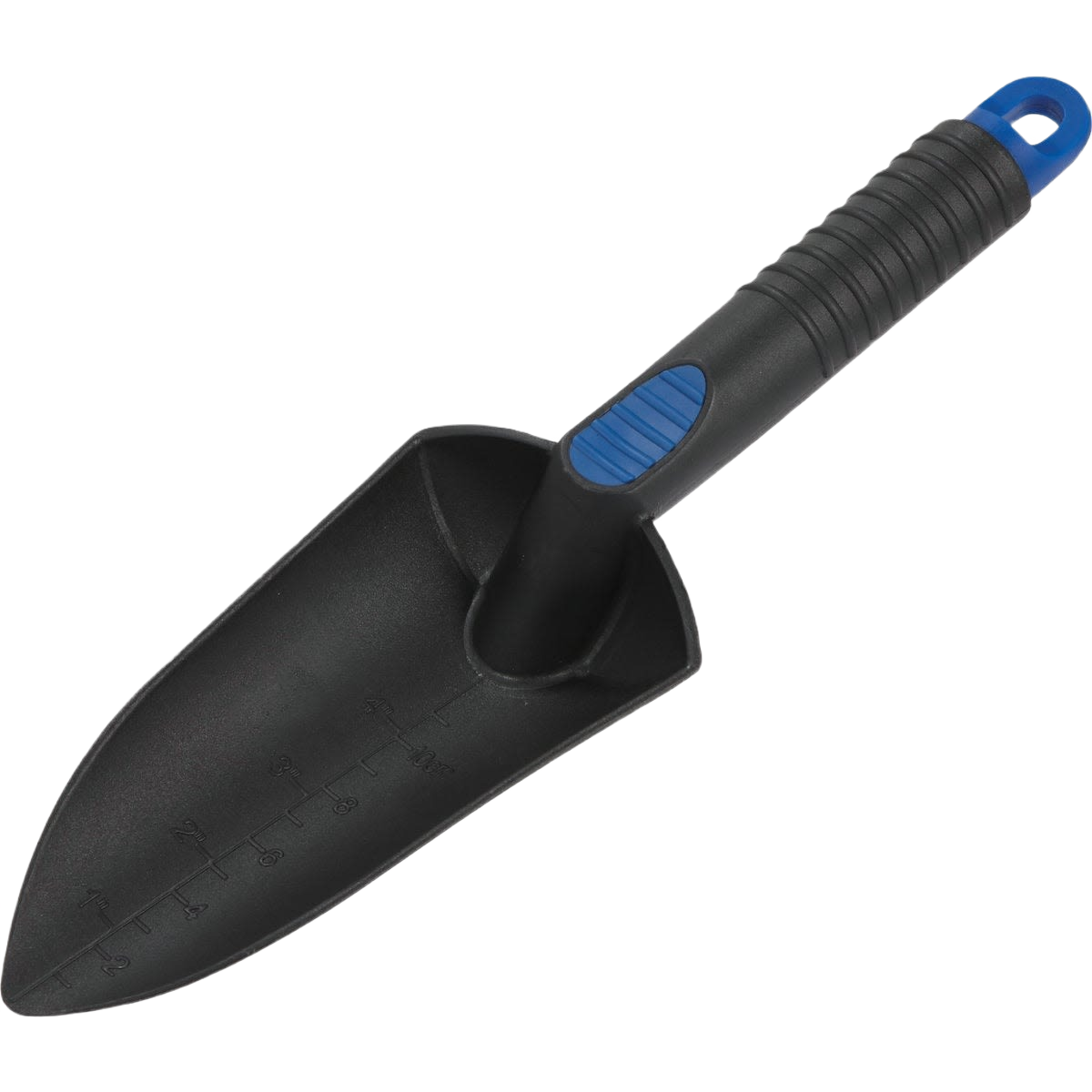
Depth markings can help when planting bulbs, garlic, herbs, and young vegetables. They are useful, but they should be easy to read and stamped or molded clearly.
Painted markings may fade with use. If depth matters to you, choose markings that are cut into the blade or deeply molded into the surface.
Hanging Hole
A hole in the handle makes storage easier. Keeping tools off the ground helps them dry and reduces rust.
A tool shed hook, wall rack, or simple peg can keep your trowel visible and ready to use. Good storage also prevents accidental damage to the blade.
Rust Resistance
Rust resistance is useful, but no metal tool should stay dirty and wet for days. Soil can hold moisture against the blade and speed corrosion.
Rinse off soil after use, dry the tool, and store it under cover. These simple steps often matter more than the label on the package.
Ergonomic Design
An ergonomic handle can reduce wrist bending and hand pressure. This is especially helpful during long planting sessions.
Do not assume that a soft handle is automatically ergonomic. The grip should fit your hand, remain stable, and let you use the blade without twisting your wrist.
How I Would Test a Garden Trowel
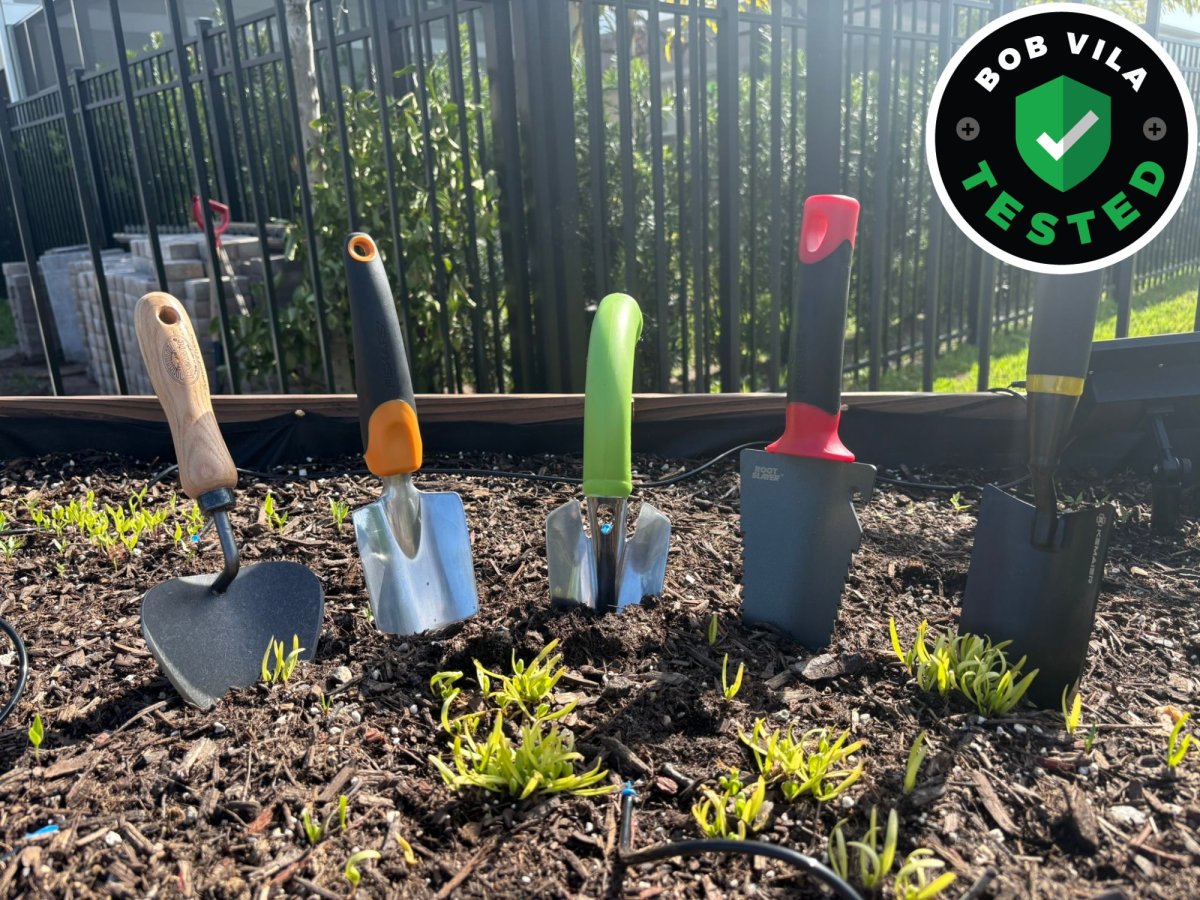
A useful trowel test should copy real garden work. Product packaging can tell you the material, but it cannot show how the tool feels after 30 minutes of planting.
I would test the same trowel in loose compost, firm garden soil, and a pot with established roots. I would check how easily the blade enters the soil, whether the handle slips, and whether the blade flexes under normal pressure.
I would also inspect the tool after cleaning. A good trowel should not trap large amounts of soil around the handle joint. The blade should remain straight, and the grip should not become loose.
Common problems become clear during this kind of test:
- A blade that is too wide can damage nearby roots.
- A short handle can force the wrist into an awkward angle.
- A smooth grip can slip when covered with wet soil.
- A shallow socket can loosen after repeated digging.
- A very sharp tip can be useful in clay but harsh on delicate roots.
The best garden trowel should make common tasks easier without creating new problems.
Common Mistakes When Buying a Garden Trowel
Many gardeners buy the first trowel that feels comfortable in the store. Comfort matters, but it should not be the only factor.
Choosing a Blade That Is Too Wide
A wide blade may look efficient, but it can be clumsy in crowded beds. It may also remove too much soil when planting small seedlings.
Choose a wide blade for scooping and a narrow blade for precision. If you can buy only one, select a medium-width model.
Ignoring Hand Size
A large grip can be tiring for a person with small hands. A tiny grip can make a person with large hands squeeze too hard.
Hold the trowel as you would during planting. Your fingers should wrap around the handle without strain, and your thumb should rest naturally.
Buying a Weak Joint
A low-cost trowel may have an attractive blade but a weak connection. Check whether the handle moves when you apply gentle pressure.
If the handle already feels loose in the store, it will likely become worse in the garden.
Focusing Only on Price
Price can reflect materials and construction, but it is not a perfect quality test. Some inexpensive tools work well for light use, while some costly tools offer features you do not need.
Think about value over time. A durable trowel that lasts many seasons may cost less than several replacement tools.
Using the Trowel as a Pry Bar
A garden trowel is made for digging and scooping. It is not a crowbar.
Do not use it to lift large rocks, split roots, or pry frozen soil. Use a hand cultivator, hori hori knife, or digging bar when the job requires leverage.
How to Care for the Best Garden Trowel
Proper care keeps a trowel strong and comfortable.
- Knock off loose soil after each use.
- Rinse the blade when soil remains stuck.
- Dry the blade before storage.
- Remove surface rust with a wire brush or abrasive pad.
- Apply a thin coat of mineral oil to carbon steel.
- Check the handle and socket for movement.
- Store the trowel in a dry place.
Do not leave a trowel outside overnight. Even stainless steel can develop stains, and repeated wet and dry cycles may weaken the handle connection.
If the blade becomes dull or rough, smooth sharp burrs with a file. Work carefully and keep the original blade shape. A smooth edge is safer than a jagged one.
Best Garden Trowel Buying Checklist
Use this checklist before you buy:
- Blade: Choose stainless steel, forged steel, or another material suited to your soil.
- Shape: Select pointed for hard soil, narrow for transplanting, or wide for scooping.
- Width: Pick a medium blade for the most flexible use.
- Handle: Make sure it fits your hand and does not slip.
- Joint: Look for a deep socket or one-piece construction.
- Balance: The tool should not feel blade-heavy or handle-heavy.
- Markings: Choose clear depth markings if you plant bulbs or seedlings often.
- Weight: Pick a lighter tool for long sessions or reduced hand strength.
- Care: Consider how much cleaning and rust prevention you are willing to do.
- Warranty: A clear warranty can show that the maker stands behind the tool.
This checklist helps separate useful features from marketing language. The best garden trowel is the one that fits your hand, soil, plants, and routine.
Frequently Asked Questions About What Is the Best Garden Trowel
What is the best garden trowel for most people?
The best garden trowel for most people is a medium-width stainless steel model with a pointed tip and comfortable grip. It can handle planting, potting, weeding, and light digging.
Is stainless steel better than carbon steel for a garden trowel?
Stainless steel is easier to maintain because it resists rust and cleans well. Carbon steel can be very strong, but it needs more care and should be dried after use.
What size garden trowel should I buy?
A blade about 2.5 to 3.5 inches wide is a useful general size. Choose a narrower blade for containers and crowded beds, or a wider blade for moving compost and loose soil.
What is the best garden trowel for hard clay soil?
A narrow, pointed trowel made from forged steel is usually the best choice for hard clay soil. Work when the clay is slightly damp, and avoid using the trowel as a pry bar.
Are ergonomic garden trowels worth buying?
Yes, an ergonomic trowel can reduce hand pressure and wrist strain during long sessions. The handle should fit your hand and keep your wrist in a natural position.
How do I stop my garden trowel from rusting?
Clean and dry the blade after use, then store it in a dry place. For carbon steel, apply a thin layer of mineral oil to help protect the surface.
Can a garden trowel replace a hand cultivator?
No. A trowel is best for digging holes, lifting plants, and moving small amounts of soil. A hand cultivator is better for loosening soil and breaking small clumps.
Conclusion
The best garden trowel is strong, comfortable, and suited to the work you do most. For many gardeners, a medium-width stainless steel blade, secure handle joint, ergonomic grip, and clear depth markings offer the best balance.
Think about your soil, hand size, plants, and storage habits before you buy. Choose one well-made tool, care for it after each use, and it can serve you through many seasons. Compare a few suitable models, test the grip in your hand, and share your favorite garden trowel choice in the comments.

Laura Bennett is a gardening writer at MyGardenLabs who creates beginner-friendly guides focused on solving common plant care and gardening problems.
