What Is The Purpose Of Trowel: Uses Explained
A trowel is a small hand tool used to scoop, spread, shape, and smooth soil, mortar, concrete, or plaster.
The purpose of a trowel depends on its design and the material you are handling. Gardeners use trowels to plant and move soil, while masons use them to spread mortar and shape joints. After years of working with basic hand tools, I have found that choosing the right trowel makes small jobs faster, cleaner, and far more accurate.
What Is the Purpose of a Trowel?
The main purpose of a trowel is to move and control small amounts of material with precision. Its flat or curved blade can scoop, spread, smooth, cut, or shape materials in tight spaces where larger tools cannot work well.
A trowel usually has three main parts:
- Blade: The metal or plastic part that touches the material.
- Shank: The connector between the blade and handle.
- Handle: The part you grip while working.
The exact purpose of a trowel changes with the blade shape. A narrow blade works well for planting or filling joints. A broad blade spreads mortar, plaster, or cement over a larger area. A notched blade creates even ridges in tile adhesive.
Think of a trowel as a small control tool. A shovel moves large amounts of material, but a trowel helps you place material exactly where you want it.
Main Uses of a Trowel
The purpose of a trowel appears in many types of construction, gardening, masonry, and finishing work. Although each model looks slightly different, the basic goal remains the same: controlled movement and placement of material.
Gardening and Planting
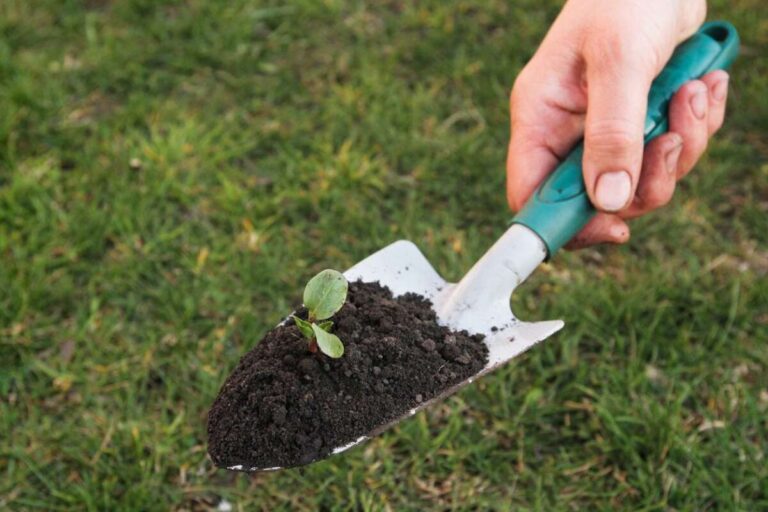
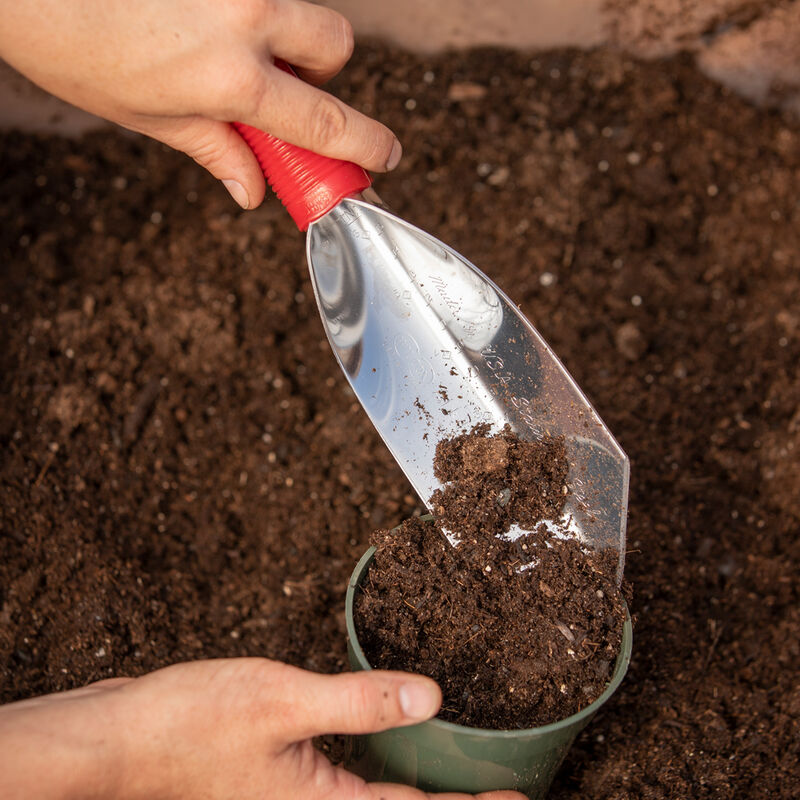
A garden trowel is useful for small digging jobs. It can create holes for flowers, herbs, bulbs, and young plants without disturbing a large area of soil.
Common garden uses include:
- Digging small planting holes
- Moving potting soil
- Removing weeds
- Dividing small plants
- Mixing fertilizer into the soil
- Transplanting seedlings
- Filling gaps around plant roots
A narrow garden trowel is helpful in crowded flower beds. It lets you work close to existing roots without cutting through them.
Masonry and Brickwork
A masonry trowel spreads mortar between bricks, blocks, and stones. It also helps pick up mortar from a board, place it on a brick, and remove excess material from the joint.
The purpose of a trowel in brickwork includes:
- Scooping mortar
- Spreading mortar beds
- Buttering the ends of bricks
- Shaping mortar joints
- Removing extra mortar
- Cutting small sections of mortar
- Checking and adjusting material placement
A brick trowel often has a pointed or triangular blade. This shape helps the user place mortar along narrow edges and corners.
Tile Installation
Tile installers use different trowels to apply thin-set mortar or tile adhesive. A notched trowel leaves even lines in the adhesive. These ridges help create a consistent layer beneath the tile.
The size and shape of the notches matter. Large tiles may need deeper notches, while small tiles often need smaller ones. The correct pattern helps support the tile and reduces hollow spaces below it.
One common mistake is pressing the tile into too little adhesive. Another is choosing a notch size without checking the tile and surface. Always follow the adhesive maker’s instructions and check that the tile has good coverage.
Plastering and Cement Work
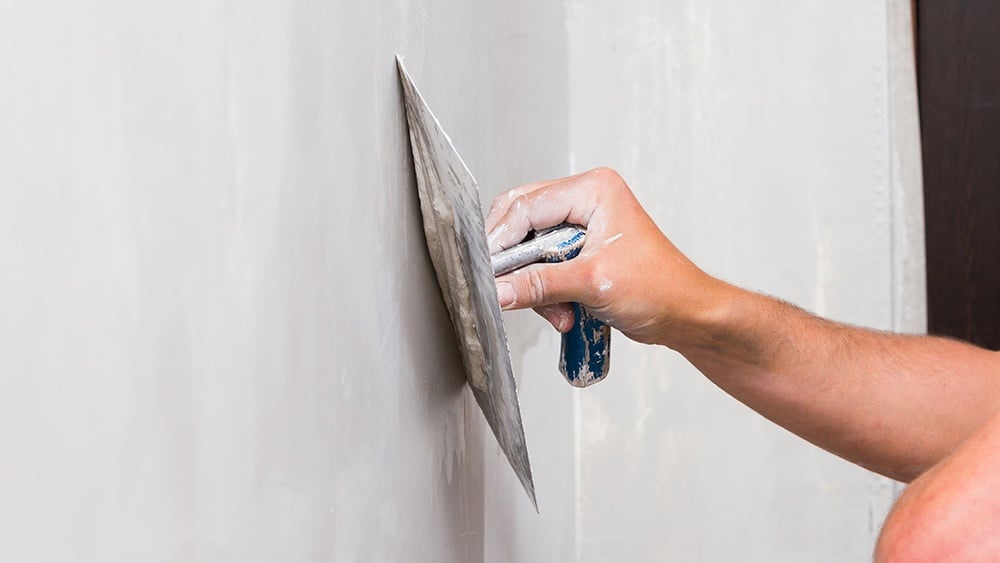
A finishing trowel spreads and smooths plaster, stucco, concrete, or other cement-based materials. Its flat blade helps create an even surface before the material dries.
Workers may use a trowel to:
- Spread fresh plaster
- Smooth wall surfaces
- Level small patches
- Close surface pores
- Shape cement edges
- Blend repair areas into older surfaces
The right timing matters. If you smooth plaster too early, you may move too much material. If you wait too long, the surface may become hard and difficult to finish.
Grouting and Repair Work
Small trowels can apply grout, patching compound, and repair mortar in narrow spaces. They are useful for filling cracks, repairing chipped masonry, or replacing damaged sections of wall.
For small repairs, a trowel gives better control than a large float or shovel. You can add a little material at a time, press it into the gap, and scrape away the excess.
Different Types of Trowels and Their Purposes
Understanding trowel types helps you choose the right tool for the job. Using the wrong blade can waste material, damage a surface, or create an uneven finish.
Garden Trowel
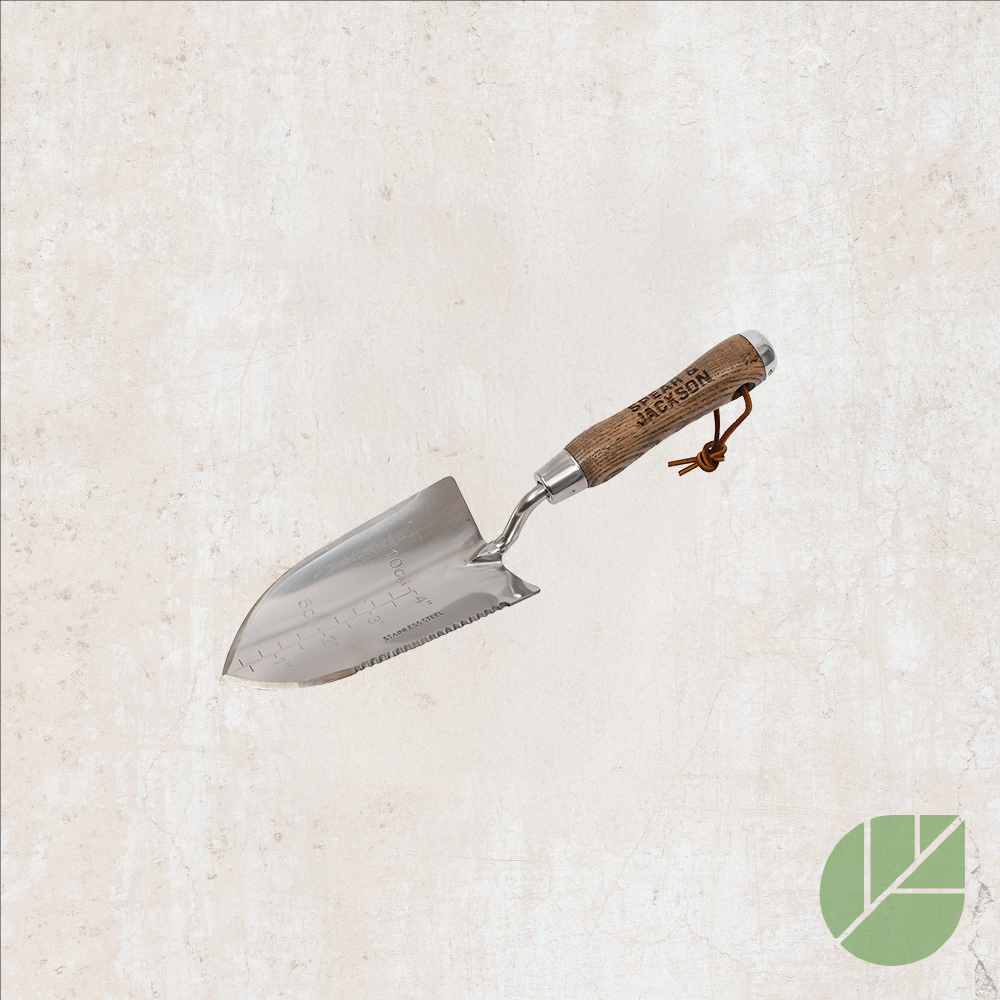
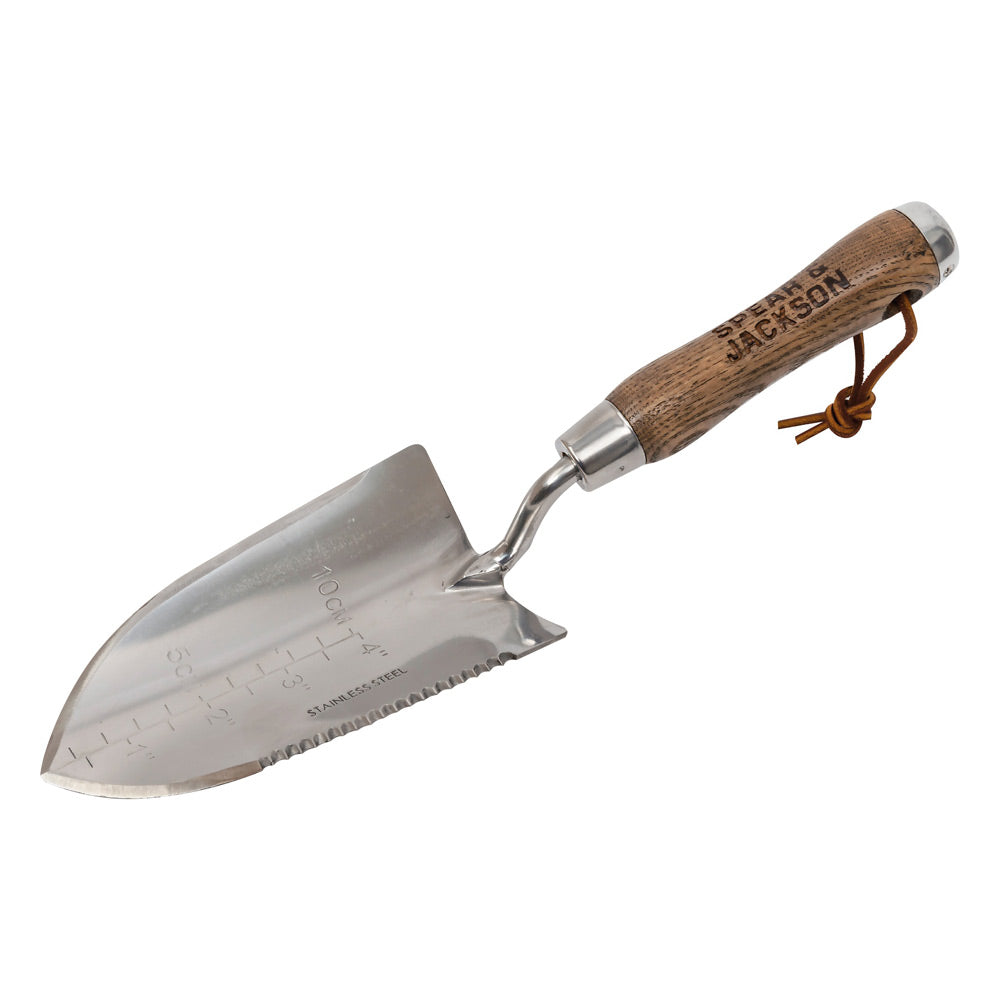
A garden trowel has a small, pointed blade. It is made for digging, planting, and moving loose soil.
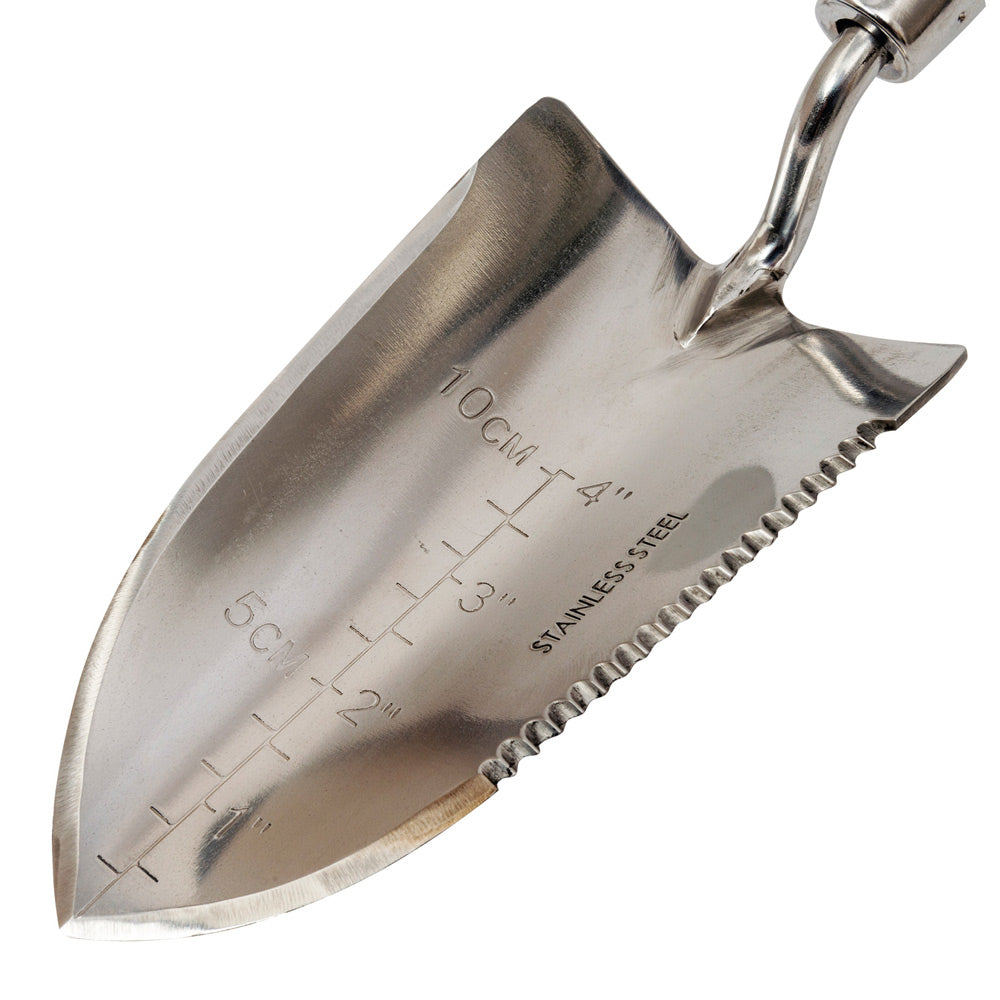
Garden trowel blades may be narrow, wide, curved, or marked with depth lines. Stainless steel blades resist rust, while carbon steel blades can provide strong digging power when properly maintained.
Brick Trowel
A brick trowel has a broad, pointed blade. It is built to pick up, spread, and shape mortar during brick or block work.
A London-pattern brick trowel is often more rounded. A Philadelphia-pattern trowel is usually more angular. Both can work well, but personal comfort and job type affect the best choice.
Pointing Trowel
A pointing trowel has a narrow blade. Its purpose is to fill and repair mortar joints between bricks or stones.
It is especially useful for:
- Tuckpointing
- Repointing old brick
- Filling narrow cracks
- Repairing corners
- Working in tight spaces
The narrow blade gives you control. It also helps you avoid spreading mortar over the face of the brick.
Margin Trowel
A margin trowel has a long, narrow, rectangular blade. It is useful for mixing small amounts of mortar, cleaning corners, and applying material in narrow areas.
Many tile workers use a margin trowel alongside a notched trowel. The margin tool can mix adhesive in a bucket and remove material from hard-to-reach edges.
Notched Trowel
A notched trowel has teeth along one or more sides. Its purpose is to spread adhesive in a regular pattern.
Common notch shapes include:
- Square notch
- V-notch
- U-notch
- Rounded notch
The correct notch depends on the adhesive, tile size, tile thickness, and surface. Bigger is not always better. Too much adhesive can make tiles move or rise above the planned surface.
Finishing Trowel
A finishing trowel has a smooth, flat blade. It is used to smooth concrete, plaster, skim coat, and other wet materials.
The blade may be made from stainless steel, carbon steel, or another durable metal. Flexible blades can create a smoother finish, while stiffer blades provide more control during leveling.
Pool Trowel
A pool trowel has a rounded blade and is often used for curved surfaces or finishing work. Its shape helps reduce sharp marks when working across a surface.
It can be useful for plaster, concrete, and certain repair tasks where a square corner would catch or leave lines.
How to Choose the Right Trowel
The best trowel depends on the material, the surface, and the level of control you need. Before buying one, consider these factors.
Match the Blade to the Material
Use a garden trowel for soil, a brick trowel for mortar, and a notched trowel for tile adhesive. A general-purpose tool may handle several light tasks, but specialized work usually needs a specialized blade.
Check the Blade Shape
A pointed blade helps with digging and narrow joints. A square blade covers broad areas. A notched blade creates ridges. A rounded blade can help with curved or delicate finishing work.
Consider Blade Material
Stainless steel resists rust and is easy to clean. Carbon steel can be very strong but may rust if left wet. Plastic trowels are light and may work well with soft soil or delicate surfaces.
Choose a Comfortable Handle
A good handle should feel secure without forcing you to grip too tightly. Some handles have a smooth shape, while others include rubber or textured areas for better control.
A poorly shaped handle can cause hand fatigue during repeated work. This matters during long gardening sessions, brick repairs, or tile installation.
Look at Balance and Weight
A balanced trowel feels natural when you lift and spread material. A tool that is too heavy may slow you down. One that is too light may bend or feel unstable during demanding work.
When possible, hold the trowel before buying it. Your hand should stay in a relaxed position, and the blade should not twist easily.
How to Use a Trowel Correctly
Correct technique improves the finish and reduces wasted material. It also helps protect your hands and the surface you are working on.
- Choose the correct trowel for the material.
- Clean the blade before use.
- Load only a manageable amount of material.
- Hold the handle with a relaxed but firm grip.
- Keep the blade at the right angle.
- Spread material with steady pressure.
- Remove excess material before it dries.
- Clean the tool after finishing.
For mortar, keep the blade angle steady as you spread the material. For tile adhesive, comb the notches in one direction. This allows air to escape when you press the tile into place.
For gardening, use the blade to loosen soil before lifting it. Avoid forcing the tool into hard ground with excessive pressure. That habit can bend a thin blade or strain your wrist.
I once saw a small repair become much harder because the worker used a wide brick trowel in a narrow joint. The mortar spread over the brick face, and more time was spent cleaning than placing the material. A smaller pointing trowel would have made the task much easier.
Benefits and Limitations of a Trowel
A trowel is simple, but it offers several important benefits.
Benefits
- Precise control: You can place small amounts of material accurately.
- Easy handling: A trowel fits in one hand and works in tight areas.
- Clean results: The blade can smooth edges and remove excess material.
- Low cost: Most trowels are affordable and last for years with care.
- Versatility: Different types work in gardening, masonry, tile, and plaster.
- Low storage needs: A trowel takes up little space in a toolbox or shed.
Limitations
- Slow for large areas: A trowel cannot replace a shovel, screed, float, or power mixer.
- Physical strain: Repeated wrist movement may cause fatigue.
- Wrong-tool risk: A blade made for soil may bend in hard mortar.
- Surface damage: Excess pressure can scratch tile, plaster, or finished concrete.
- Limited capacity: A small blade moves only a small amount of material at one time.
The purpose of a trowel is precision, not speed over a large area. Knowing this limit helps you use the tool well.
Trowel Safety Tips
A trowel is not usually considered a high-risk tool, but safe habits still matter. Sharp edges, hard materials, and repetitive motion can cause injuries.
Follow these basic practices:
- Wear gloves when digging, handling mortar, or working with rough materials.
- Use safety glasses when scraping hardened material.
- Keep your fingers away from the blade edge.
- Do not use a damaged or loose-handled trowel.
- Clean wet cement and adhesive from your skin quickly.
- Take breaks during repetitive work.
- Store the tool where children cannot reach it.
- Wash your hands after handling soil, cement, or chemical additives.
Wet cement can irritate or burn skin after long contact. Gloves and long sleeves provide a simple layer of protection. Follow the product label when using tile adhesive, grout, sealers, or other construction products.

Trowel Care and Maintenance
Good care keeps a trowel useful for many years. Clean the blade after every job, especially when working with mortar, grout, plaster, or concrete.
Use these maintenance steps:
- Scrape off wet material before it hardens.
- Wash the blade with clean water when appropriate.
- Dry the blade fully to reduce rust.
- Remove light rust with a wire brush or abrasive pad.
- Check the handle and shank for movement.
- Store the trowel in a dry place.
- Apply a light protective coating to carbon steel when needed.
Do not leave a metal trowel sitting in a bucket of water or wet cement. This can damage the blade and loosen the handle connection.
Avoid using a trowel as a pry bar, hammer, or screwdriver. I have seen blades bend because someone tried to open a container with one. That small shortcut can ruin a tool that would otherwise last for years.

Common Trowel Mistakes to Avoid
Even experienced users can make simple errors. Most problems come from using the wrong tool, applying too much force, or waiting too long to clean the blade.
Watch for these mistakes:
- Using a garden trowel to mix thick mortar
- Applying tile adhesive with a flat blade only
- Choosing a notch that is too small for a large tile
- Pressing too hard while finishing plaster
- Leaving mortar to harden on the blade
- Using a rusty blade on light-colored material
- Holding the handle too tightly
- Ignoring cracks in the handle
- Using one trowel for every type of work
A clean, suitable trowel often gives better results than an expensive tool used incorrectly. Start by matching the blade to the job.
Frequently Asked Questions About the Purpose of a Trowel
What is the main purpose of a trowel?
The main purpose of a trowel is to scoop, spread, shape, or smooth small amounts of material. The material may be soil, mortar, cement, plaster, grout, or tile adhesive.
What is a trowel used for in gardening?
A garden trowel is used to dig small holes, plant seedlings, move soil, remove weeds, and transplant plants. Its small blade gives you control in pots, beds, and tight spaces.
What is the purpose of a trowel in masonry?
In masonry, a trowel moves and spreads mortar between bricks, blocks, and stones. It also helps shape joints, place mortar in corners, and remove excess material.
What does a notched trowel do?
A notched trowel spreads tile adhesive in even ridges. These ridges help create consistent coverage beneath tiles when the tile is pressed into place.
Can one trowel be used for every job?
One general-purpose trowel may handle simple tasks, but it will not perform every job well. Soil, mortar, plaster, and tile adhesive often require different blade shapes and notch sizes.
How do you clean a trowel?
Remove wet material as soon as possible, then wash and dry the blade. Hardened material may require careful scraping or a wire brush, but avoid damaging the blade surface.
Conclusion
The purpose of a trowel is to give you control over small amounts of material. Garden trowels dig and plant, brick trowels spread mortar, pointing trowels fill joints, notched trowels apply tile adhesive, and finishing trowels smooth plaster or concrete.
Choose the blade for the material, use steady pressure, and clean the tool after each job. With the right trowel in your hand, even a small repair or planting task becomes more accurate and less frustrating. Explore the tools available for your next project, and share your favorite trowel tip in the comments.

Laura Bennett is a gardening writer at MyGardenLabs who creates beginner-friendly guides focused on solving common plant care and gardening problems.