Is A Trowel Different From A Shovel: Key Differences
Yes, a trowel and a shovel differ in size, shape, purpose, and the type of digging each tool handles best.
If you have ever tried to plant flowers with a full-size shovel, you already know that the wrong tool can make a simple task feel slow and awkward. Understanding whether a trowel is different from a shovel helps you choose the right tool, protect your hands and back, and get cleaner results in the garden, yard, or worksite.

What Is a Trowel?
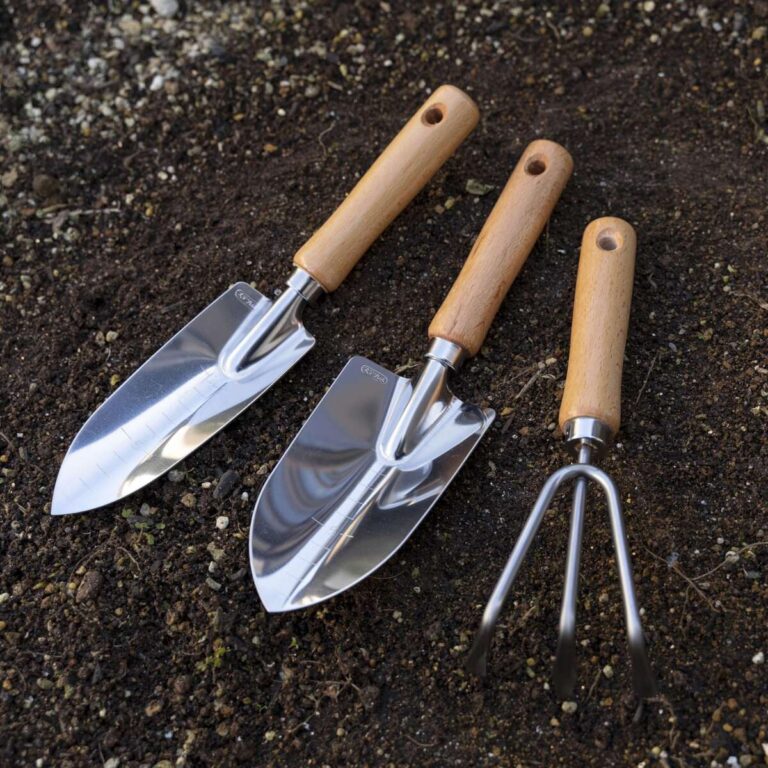
A trowel is a small hand tool with a narrow blade and a short handle. Gardeners use it to dig small holes, plant seedlings, move soil, and remove weeds. Most garden trowels are about 6 to 12 inches long, though sizes vary by design.
The blade may be pointed, rounded, narrow, or wide. A pointed blade works well in firm soil. A wide blade moves more soil at once. A narrow blade is useful for planting bulbs or working between crowded plants.
Common trowel materials include:
• Stainless steel, which resists rust and cleans easily
• Carbon steel, which is strong but needs more care
• Aluminum, which is light and easy to use
• Plastic, which suits light potting work but may bend under force
A trowel is built for control. You hold it with one hand and guide the blade close to plants, roots, and garden borders. It is much like using a small spoon to serve food instead of a large shovel to fill a bucket.
What Is a Shovel?
A shovel is a larger digging tool with a long handle and a broad blade. It is designed to move more soil, sand, gravel, snow, mulch, or other loose materials than a trowel.
Most shovels have handles between 24 and 48 inches long. The long handle gives you more reach and leverage. It also lets you use both hands and your body weight when digging hard ground.
Several common shovel types serve different jobs:
• Digging shovels have pointed blades for cutting into soil.
• Square-point shovels move loose soil, mulch, and gravel.
• Scoop shovels carry snow, grain, or other light materials.
• Drain spades have narrow blades for trenches and tight spaces.
• Garden spades have flat edges for cutting roots and shaping soil.
A shovel is made for larger jobs. It can dig a planting bed, remove a load of soil, or fill a wheelbarrow. However, it is too large for delicate work around small plants.
Is a Trowel Different From a Shovel?
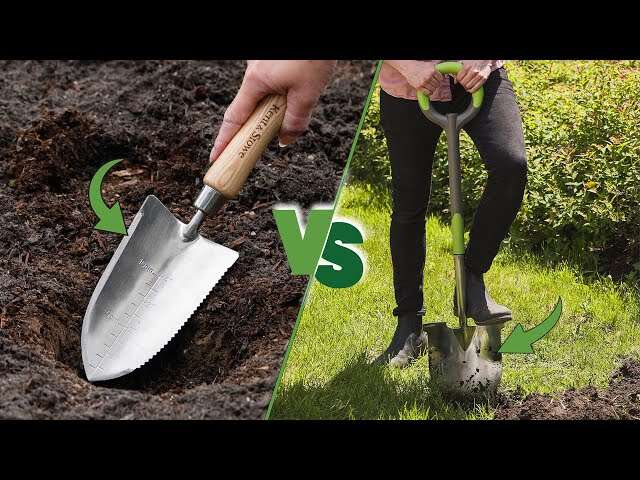
Yes, a trowel is different from a shovel in nearly every practical way. A trowel is small, light, and controlled, while a shovel is larger, longer, and designed to move more material.
The main differences include:
| Feature | Trowel | Shovel |
|---|---|---|
| Size | Small hand tool | Large long-handled tool |
| Handle | Short | Long |
| Blade | Narrow or small | Broad or deep |
| Best use | Planting and small holes | Digging and moving soil |
| Typical grip | One hand | One or two hands |
| Soil volume | Small amount | Large amount |
| Precision | Very high | Moderate |
| Physical force | Low to moderate | Moderate to high |
The answer to “is a trowel different from a shovel” is not just about size. The tools also create different types of movement. A trowel gives you careful control, while a shovel gives you leverage and lifting power.
A trowel cannot replace a shovel for large digging work. A shovel can sometimes replace a trowel, but it may damage roots, disturb nearby plants, or make small tasks harder than they need to be.

Trowel vs. Shovel: Key Differences Explained
Size and handle length
A trowel has a short handle. You work close to the soil with one hand. This design gives you a clear view of the hole and lets you make small adjustments.
A shovel has a long handle. You stand farther from the ground and use your arms, legs, and body weight. This design reduces the need to bend deeply and provides more force.
Blade shape and depth
Trowel blades are usually small and shaped like a narrow scoop. They can enter small spaces between plants. Their limited size also helps you avoid removing too much soil.
Shovel blades are much larger. A pointed shovel cuts into compact ground, while a flat shovel scrapes and moves loose materials. The blade shape tells you what kind of work the tool is meant to do.
Amount of material moved
A trowel moves a small amount of soil with each scoop. This makes it ideal for pots, raised beds, window boxes, and flower borders.
A shovel moves far more material. It is the better choice for digging a trench, filling a garden bed, or transferring compost to a wheelbarrow.
Precision and control
Trowels offer excellent precision. You can place a seedling at the correct depth without disturbing nearby roots. This control matters when planting in a crowded bed.
Shovels offer power but less precision. They are useful when speed and volume matter more than delicate handling.
Physical effort
For small tasks, a trowel usually requires less force. However, repeated use can still strain your wrist, hand, or forearm if the grip is poor.
A shovel reduces bending because of its long handle. Yet it can place more stress on your back, shoulders, and knees when you lift heavy loads. Proper lifting technique matters with both tools.
When Should You Use a Trowel?
Use a trowel when the task needs care, accuracy, or a small amount of digging. It is the standard choice for many planting and container-gardening jobs.
A trowel works well for:
• Planting flowers, herbs, and small vegetables
• Digging holes for seedlings
• Transplanting young plants
• Planting bulbs in soft soil
• Removing small weeds
• Mixing potting soil in containers
• Digging in raised beds
• Adding fertilizer around individual plants
• Loosening soil around roots
For example, if you are planting six basil seedlings in a container, a trowel gives you enough control to make six neat holes. A shovel would be excessive and could remove more soil than needed.
A narrow trowel is also helpful in rocky soil or tight garden spaces. You can work around stones and roots without tearing up the whole area.
When Should You Use a Shovel?
Use a shovel when you need force, reach, depth, or the ability to move a large amount of material. It is the better tool for major garden and yard projects.
A shovel is useful for:
• Digging large planting holes
• Turning soil in a garden bed
• Moving compost or mulch
• Filling or emptying a wheelbarrow
• Digging trenches
• Removing packed soil
• Scooping snow or loose debris
• Spreading gravel or sand
• Cutting through roots with a sharp spade
Suppose you are installing a small tree. A trowel may help with the final soil adjustment, but a shovel is needed to create the main hole. Using only a trowel would take too long and place unnecessary strain on your hand.
For hard ground, step on the shovel blade carefully to push it into the soil. Keep your back straight and lift with your legs. Do not twist while carrying a heavy load.
Can a Trowel and Shovel Be Used Together?
Yes, using both tools can make a project easier. They serve different stages of the same job.
For example, when planting a shrub, you can use a shovel to dig the main hole. Then, use a trowel to improve the soil around the root ball and fill small gaps. This combination gives you both speed and control.
A simple garden workflow may look like this:
- Use a shovel to remove the main volume of soil.
- Check the depth and width of the hole.
- Use a trowel to loosen the edges.
- Place the plant at the correct level.
- Use the trowel to add soil around the roots.
- Press the soil gently and water the plant.
This approach explains why the answer to “is a trowel different from a shovel” matters in real work. The tools are not rivals. They are specialized tools that often work best as a pair.

How to Choose the Right Trowel
Choose a trowel based on the soil, plants, grip, and amount of use. A cheap tool may work for occasional planting, but frequent gardeners benefit from stronger materials and a better handle.
Look for these features:
• A blade made from stainless or hardened steel
• A comfortable handle with a non-slip grip
• Clear depth markings for bulbs and seedlings
• A blade width that matches your planting style
• A strong connection between the blade and handle
• A hanging hole for storage
If you work in hard clay, choose a strong metal blade with a pointed tip. If you mostly garden in pots, a smaller and lighter trowel may feel better.
Pay attention to the handle shape. A rounded grip can reduce pressure on your palm. An ergonomic handle may help if you have arthritis or limited hand strength.
How to Choose the Right Shovel
Choose a shovel according to the material you will dig or move. A pointed digging shovel is a good general choice for soil. A square-point shovel is better for loose material and clean edges.
Consider these points:
• Blade shape: pointed for digging, flat for scraping and edging
• Blade material: steel for strength, aluminum for lower weight
• Handle length: longer for reach, shorter for control
• Shaft design: straight or angled, based on comfort
• Grip style: D-grip for control or straight grip for leverage
• Overall weight: heavy enough for strength but manageable for you
A shovel should feel balanced in your hands. If the blade feels too heavy or the shaft flexes too much, the tool may cause fatigue. Try holding it before buying when possible.
For digging, a blade with a strong foot step can help you enter firm soil. For snow or dry leaves, choose a lighter scoop shovel instead of a heavy digging shovel.
Common Mistakes to Avoid
Many tool problems come from using the wrong tool or forcing a tool beyond its design. Knowing what not to do can protect both the tool and your body.
Avoid these mistakes:
• Using a trowel to break hard, compact ground
• Using a shovel to plant small seedlings near roots
• Lifting heavy soil with a rounded back
• Choosing a tool that is too heavy
• Leaving wet soil on metal blades
• Storing tools outdoors in rain
• Using a dull or damaged blade
• Twisting while lifting or throwing soil
One common mistake is treating a trowel like a small pry bar. Do not use it to lever large rocks unless the manufacturer designed it for that task. The blade or handle can bend, and the sudden release may injure your hand.
Another mistake is selecting a shovel only by price. A strong, comfortable shovel often lasts longer and reduces fatigue. The cheapest tool is not always the least expensive choice over time.

Tool Care and Maintenance
Good care extends the life of both trowels and shovels. Clean soil from the blade after each use. Dry the metal before storing it, especially if the tool is made from carbon steel.
A simple care routine includes:
- Remove soil with a brush or stream of water.
- Dry the blade fully.
- Check for cracks, bends, or loose handles.
- Apply a light coat of oil to carbon steel.
- Sharpen digging blades when they become dull.
- Store tools in a dry shed or garage.
Do not sharpen every shovel edge to a knife-like point. A working garden shovel needs a durable edge, not a fragile one. Follow the tool maker’s instructions and wear eye protection when sharpening.
Wooden handles may benefit from occasional sanding and exterior wood oil. Replace a handle if it has deep cracks or feels unsafe. A loose handle can cause the blade to move unexpectedly.
Trowel and Shovel Safety Tips
Even small garden tools can cause cuts, blisters, and muscle strain. Wear gloves that fit well and allow you to grip the handle without squeezing too hard.
Keep these safety habits in mind:
• Wear sturdy shoes when using a shovel
• Keep your feet clear of the blade
• Use both hands for heavy loads
• Bend your knees when lifting
• Keep loads close to your body
• Take breaks during repetitive work
• Inspect tools before use
• Keep sharp blades covered when stored
If the soil is frozen or extremely dry, do not force the tool with excessive body weight. Water the area when appropriate, wait for better conditions, or use a tool designed for hard ground.
The question “is a trowel different from a shovel” also has a safety answer: yes, each tool creates different risks. A trowel may cause hand strain, while a shovel may create back and shoulder strain.

Frequently Asked Questions About Is a Trowel Different From a Shovel
Is a trowel just a small shovel?
A trowel is similar to a small shovel because both have a blade for moving soil. However, a trowel is designed for one-handed, precise work, while a shovel is designed for larger digging and lifting tasks.
Can I use a trowel instead of a shovel?
You can use a trowel instead of a shovel for small holes, container plants, and soft soil. It is not a practical substitute for a shovel when digging large holes or moving heavy materials.
Can I use a shovel for planting flowers?
Yes, but a shovel may be too large for small flowers and seedlings. A trowel gives you better control and helps prevent damage to nearby roots.
What is better for hard soil, a trowel or a shovel?
A pointed shovel is usually better for hard or compact soil because it provides more leverage and allows you to use your body weight. A strong, pointed trowel may handle small hard spots, but it is not meant for major ground breaking.
Is a garden trowel the same as a hand spade?
The terms are often used in similar ways, but designs can differ. A trowel usually has a curved blade for scooping, while a hand spade may have a flatter blade for cutting and lifting soil.
What tool should I use for a potted plant?
A trowel is the best choice for most potted plants. Its small blade fits inside the container and lets you control the depth without spilling too much soil.
Does a shovel or trowel last longer?
Durability depends on the material, construction, use, and care. A quality steel trowel or shovel can last for many years when it is cleaned, dried, stored properly, and used for its intended job.
Conclusion
A trowel is different from a shovel because each tool is built for a different scale of work. Trowels are small, precise, and ideal for planting, weeding, and container gardening. Shovels are larger, stronger, and better for deep digging and moving heavy or loose materials.
Choose a trowel for control and a shovel for power. When a project includes both delicate planting and major digging, keep both tools nearby and use each where it performs best. Review your current tools, replace any damaged ones, and share your favorite gardening tool tips in the comments.

Laura Bennett is a gardening writer at MyGardenLabs who creates beginner-friendly guides focused on solving common plant care and gardening problems.