What Is A Trowel And Spade: Uses Explained
A trowel is a small hand tool, while a spade is a larger tool for digging and moving soil.
If you have ever stood in a garden center wondering which tool to choose, you are not alone. Understanding what is a trowel and spade makes planting, digging, edging, and soil work much easier. Although both tools cut into soil, their size, shape, and best uses are quite different. This guide explains those differences in clear terms, with practical tips for choosing, using, and caring for each tool.
What Is a Trowel?
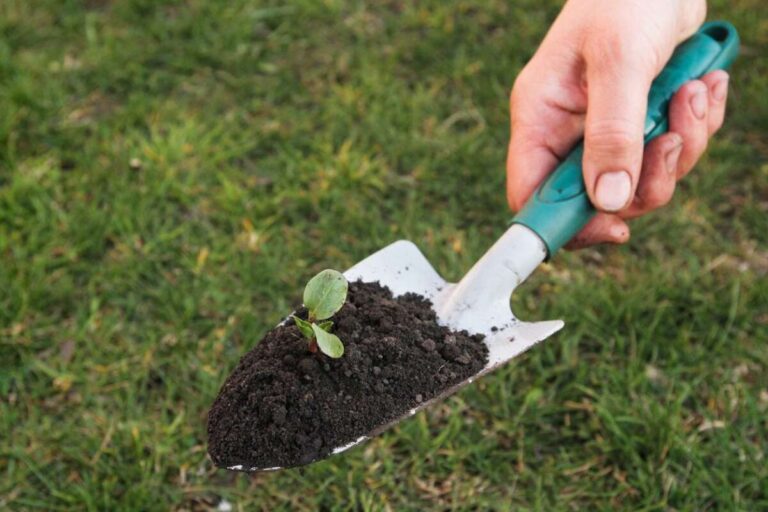
A trowel is a small, handheld gardening tool with a narrow or rounded metal blade and a short handle. Gardeners use it for tasks that need control, such as planting flowers, setting vegetable seedlings, removing weeds, and mixing small amounts of soil.
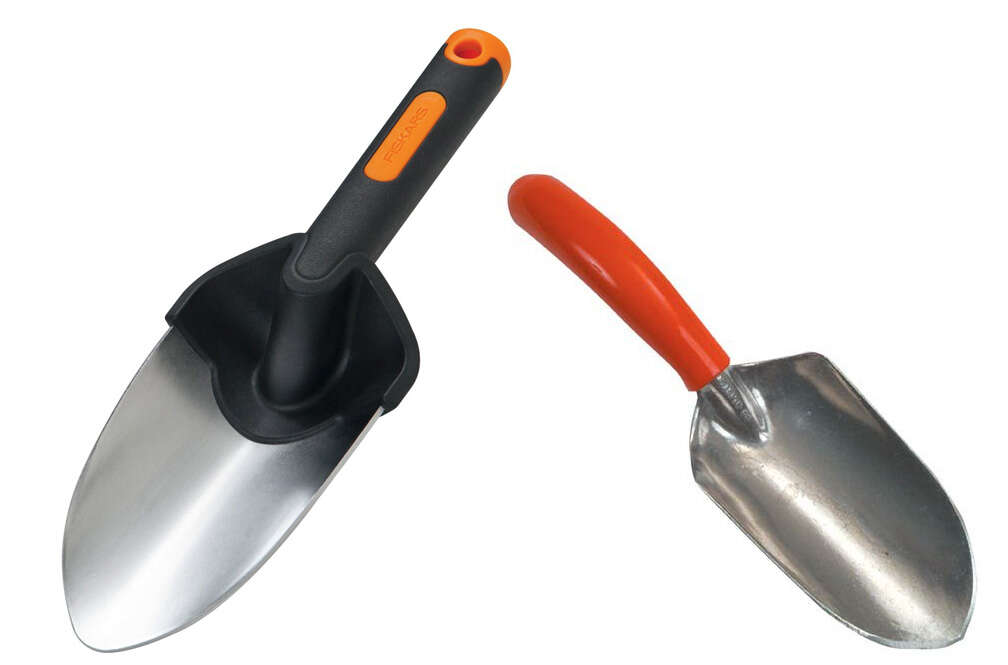
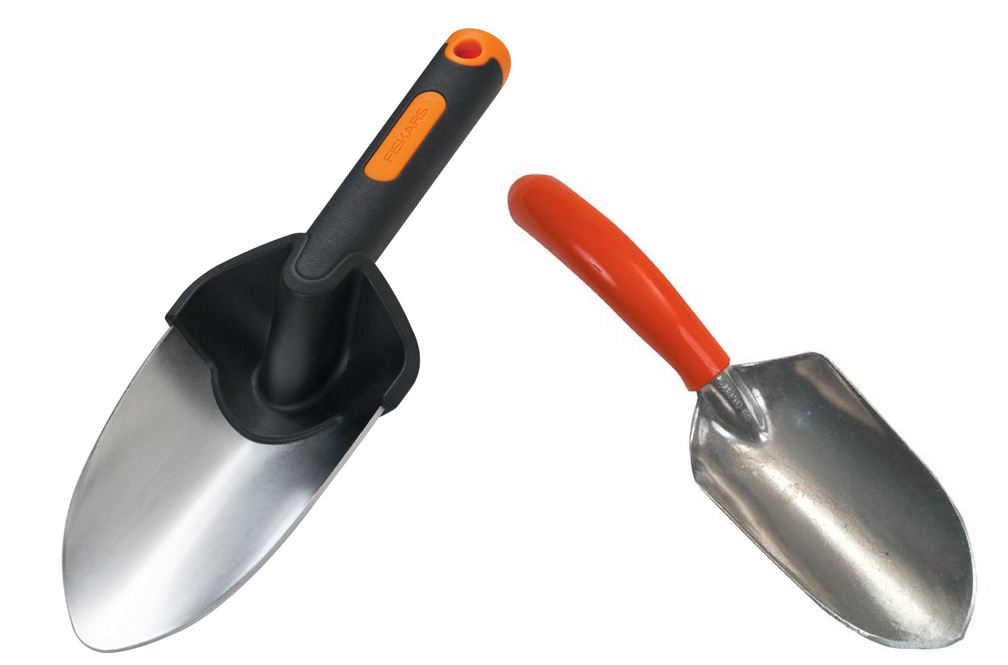
The blade usually measures about 3 to 8 inches long. Some trowels have a pointed tip for firm soil, while others have a rounded tip for loose potting mix. A trowel works much like a small shovel, but it is lighter and easier to guide with one hand.
Common trowel parts include:
• Blade: The metal part that enters the soil.
• Tip: The front point of the blade, which may be sharp, rounded, or squared.
• Shoulder: The wider top area of the blade near the handle.
• Handle: The part you grip while working.
• Ferrule: The collar that connects the blade to the handle.
A good trowel should feel balanced in your hand. The handle should not twist when you press into the ground, and the blade should resist bending. Stainless steel, carbon steel, and aluminum are common blade materials.

What Is a Spade?
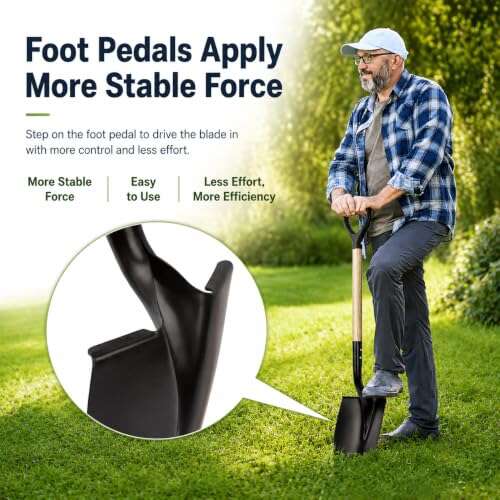
A spade is a long-handled digging tool with a broad, usually flat blade. It is made for cutting into soil, lifting plants, creating straight edges, and moving small loads of earth. Compared with a shovel, a spade often has a flatter blade and a sharper edge.
The word “spade” can describe both the tool and its blade shape. A digging spade often has a rectangular or slightly curved blade. A border spade is smaller and lighter, making it useful in narrow flower beds. A garden spade has a longer shaft and gives you more leverage.
Most spades include these parts:
• Blade: The flat metal section that cuts and lifts soil.
• Cutting edge: The lower edge that enters the ground.
• Shaft: The long section between the blade and handle.
• Handle: The grip at the top, often shaped like a D or T.
• Footrest: A flat lip where you place your boot for extra force.
A spade is not designed for delicate planting. It is a work tool for larger jobs where strength, depth, and leverage matter.

Trowel vs. Spade: The Main Differences
The simplest way to understand what is a trowel and spade is to compare their scale and purpose. A trowel is a precision tool. A spade is a power tool.
| Feature | Trowel | Spade |
|---|---|---|
| Size | Small and handheld | Large and long-handled |
| Main use | Planting and detail work | Digging and cutting soil |
| Soil volume | Small amounts | Larger amounts |
| Best control | One hand | Two hands and body weight |
| Typical depth | Shallow holes | Deep beds and trenches |
| Ideal setting | Pots, beds, containers | Lawns, borders, and garden soil |
A trowel is best when you need to place a seedling in a small hole without disturbing nearby roots. A spade is better when you need to divide a perennial, remove a shrub, or cut a clean edge along a walkway.
The tools also differ in physical demand. A trowel depends on wrist and arm movement. A spade uses your legs, body weight, and the leverage created by its long handle.

What Is a Trowel Used For?
A trowel is useful for small jobs that require accuracy. It can remove soil from a container, create a planting hole, or lift a young plant with minimal damage to nearby roots.
Typical trowel uses include:
• Planting annual flowers and vegetable starts.
• Digging holes for bulbs and small herbs.
• Transplanting seedlings.
• Removing shallow weeds.
• Filling pots and window boxes.
• Mixing compost into container soil.
• Scooping potting mix.
• Measuring planting depth with marked blades.
A narrow trowel is helpful in crowded beds. It can slide between plants without harming stems or roots. A wide trowel moves more soil at once, so it works well for containers and soft garden beds.
Some trowels have serrated edges. These can cut through small roots or tough soil crust. However, they should not replace a saw or a large digging tool for thick roots.
What Is a Spade Used For?
A spade is built for jobs that need force and reach. Its sharp edge can cut through compact soil, turf, and thin roots. The long handle lets you work while standing, which reduces the need to bend.
Common spade uses include:
• Digging new planting beds.
• Turning or loosening garden soil.
• Cutting lawn edges.
• Dividing mature perennials.
• Removing small shrubs.
• Digging trenches for edging or irrigation.
• Lifting slabs of turf.