What Is The Meaning Of Garden Trowel: Simple Guide
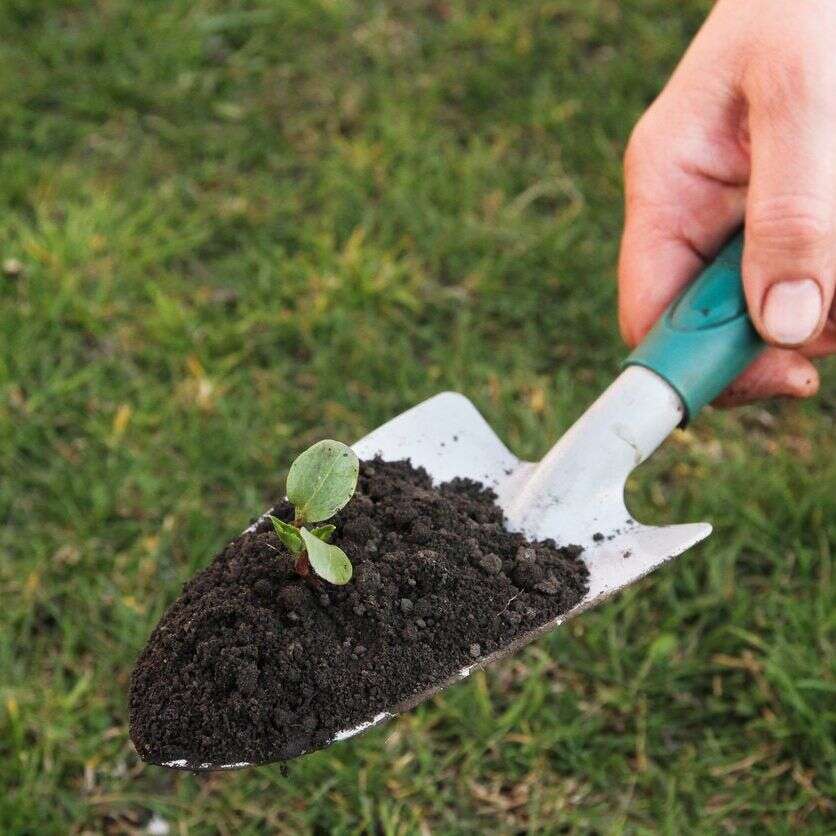
A garden trowel is a small hand tool used for digging, planting, mixing, and moving soil.
Understanding the meaning of garden trowel helps new and experienced gardeners choose the right tool for small planting jobs. After years of working with raised beds, pots, and garden borders, I have found that a good trowel often becomes the most-used tool in a gardener’s kit.
What Is the Meaning of Garden Trowel?
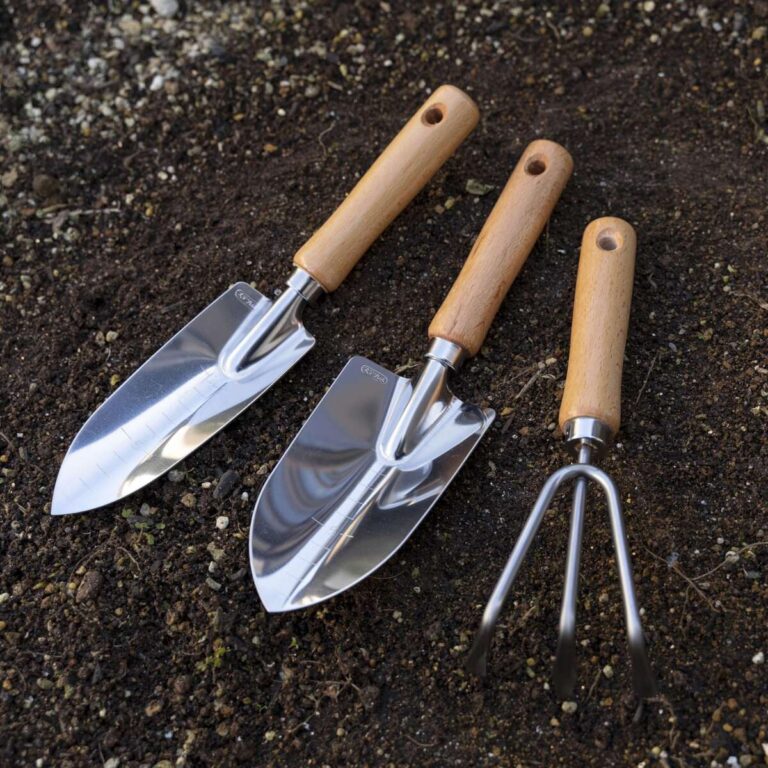
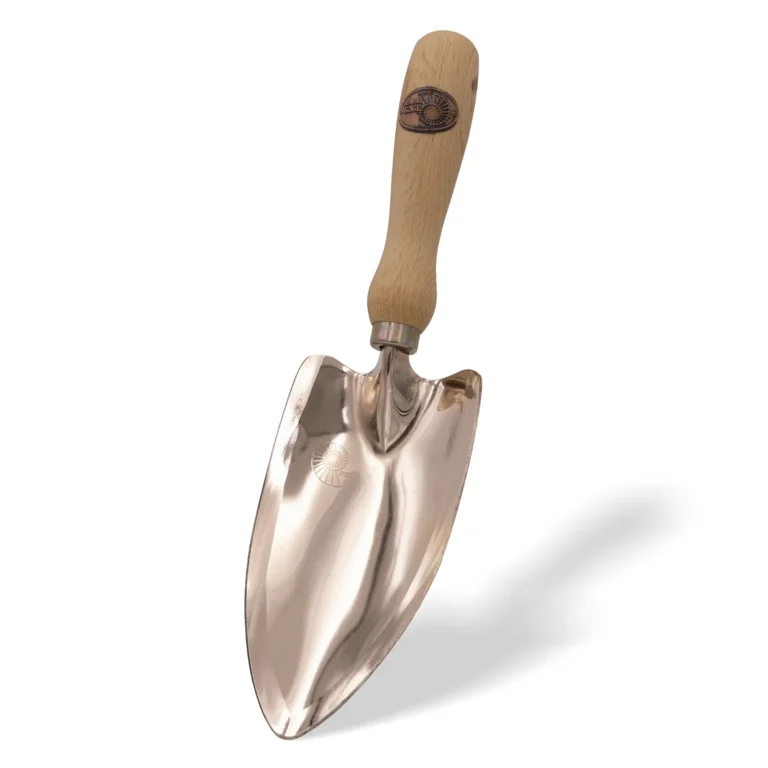
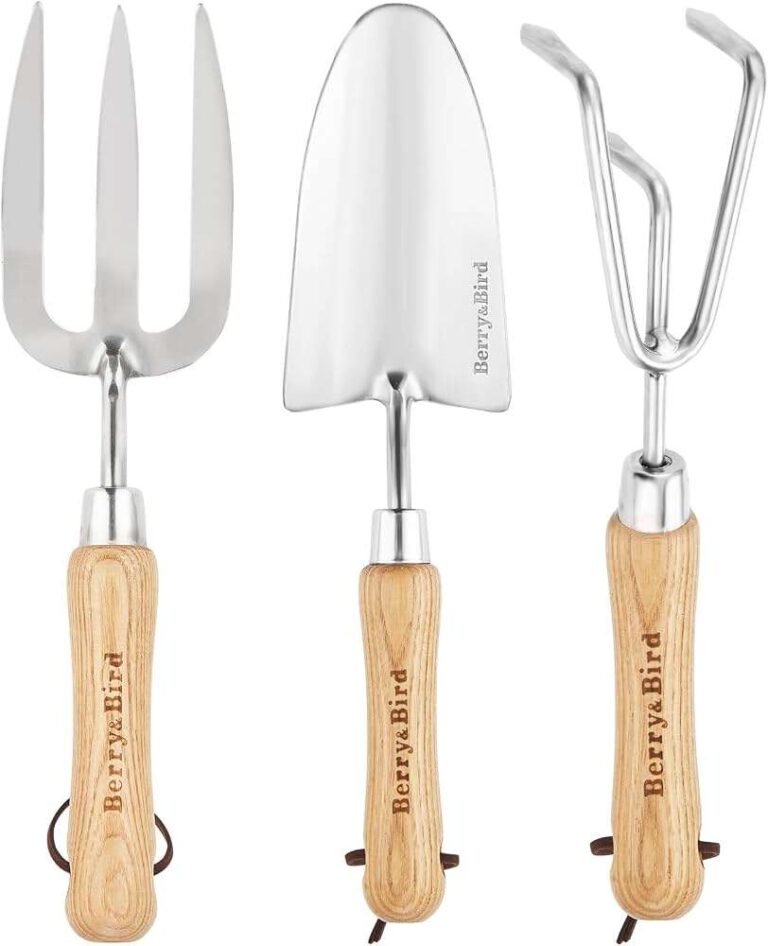
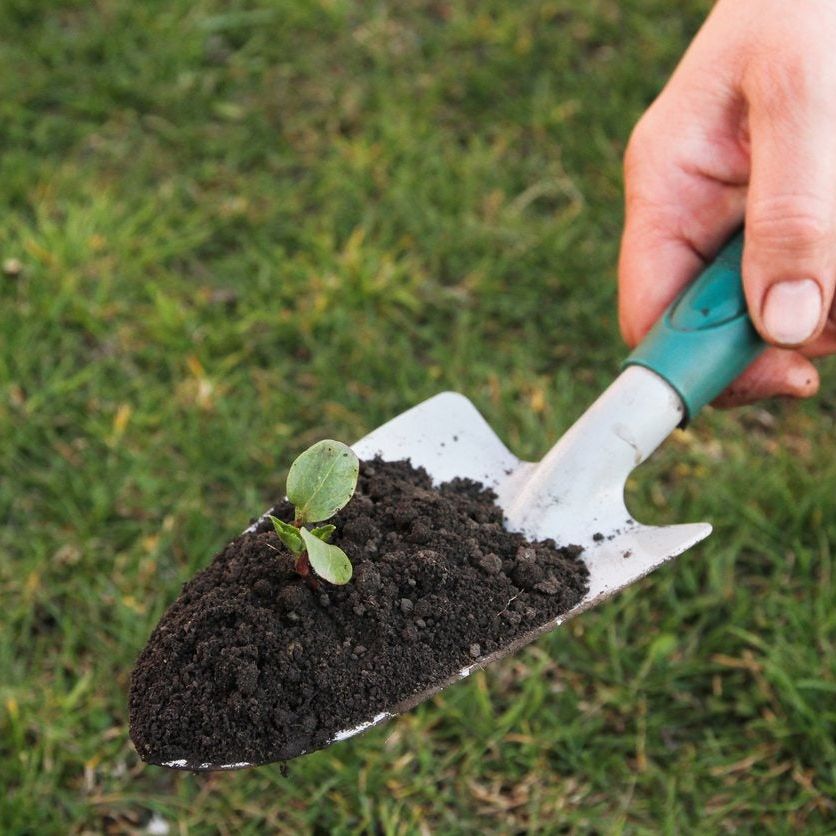
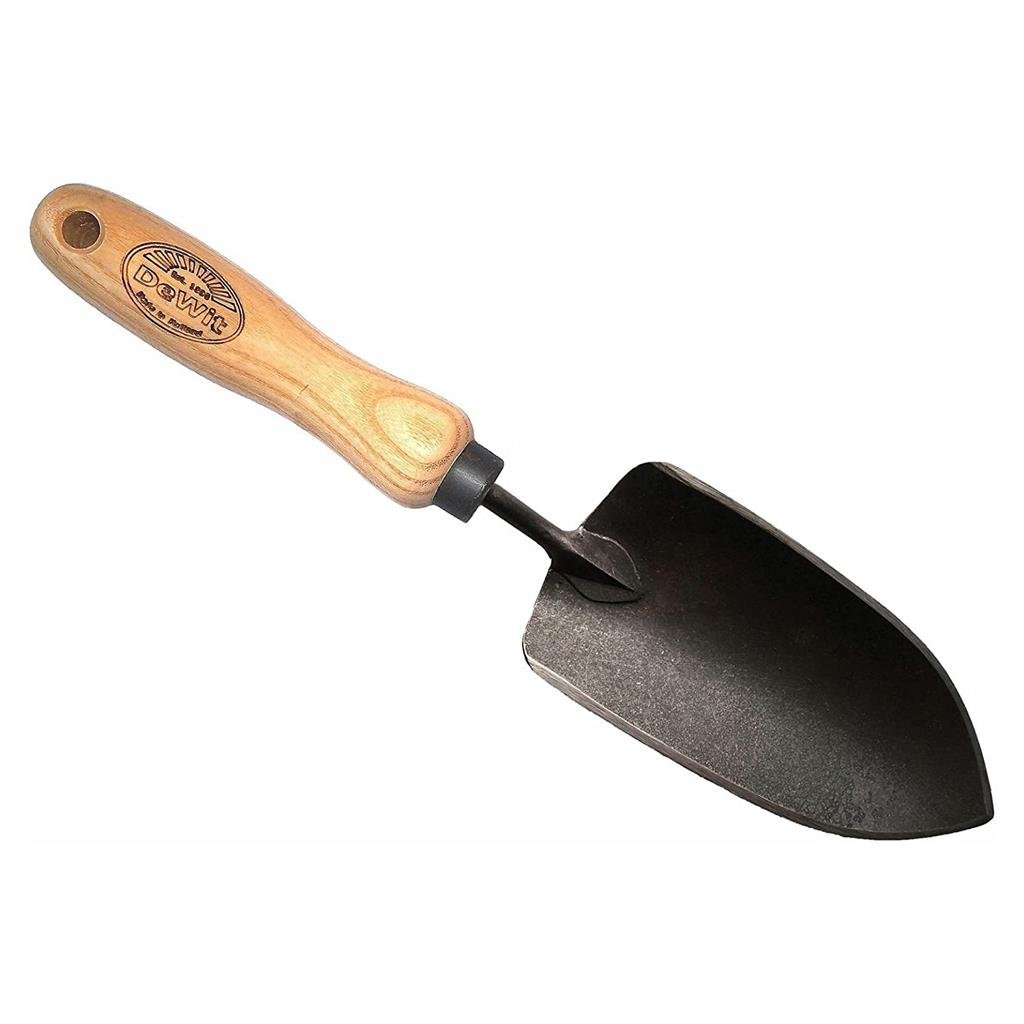
The meaning of garden trowel is a small, handheld gardening tool with a pointed or rounded blade and a short handle. Gardeners use it to dig small holes, plant flowers, transplant seedlings, remove weeds, and scoop soil or compost.
A garden trowel is like a small shovel made for careful work. A full-size shovel moves large amounts of soil, while a trowel gives you control in tight spaces. It is useful in flower beds, vegetable gardens, containers, window boxes, and indoor plant pots.
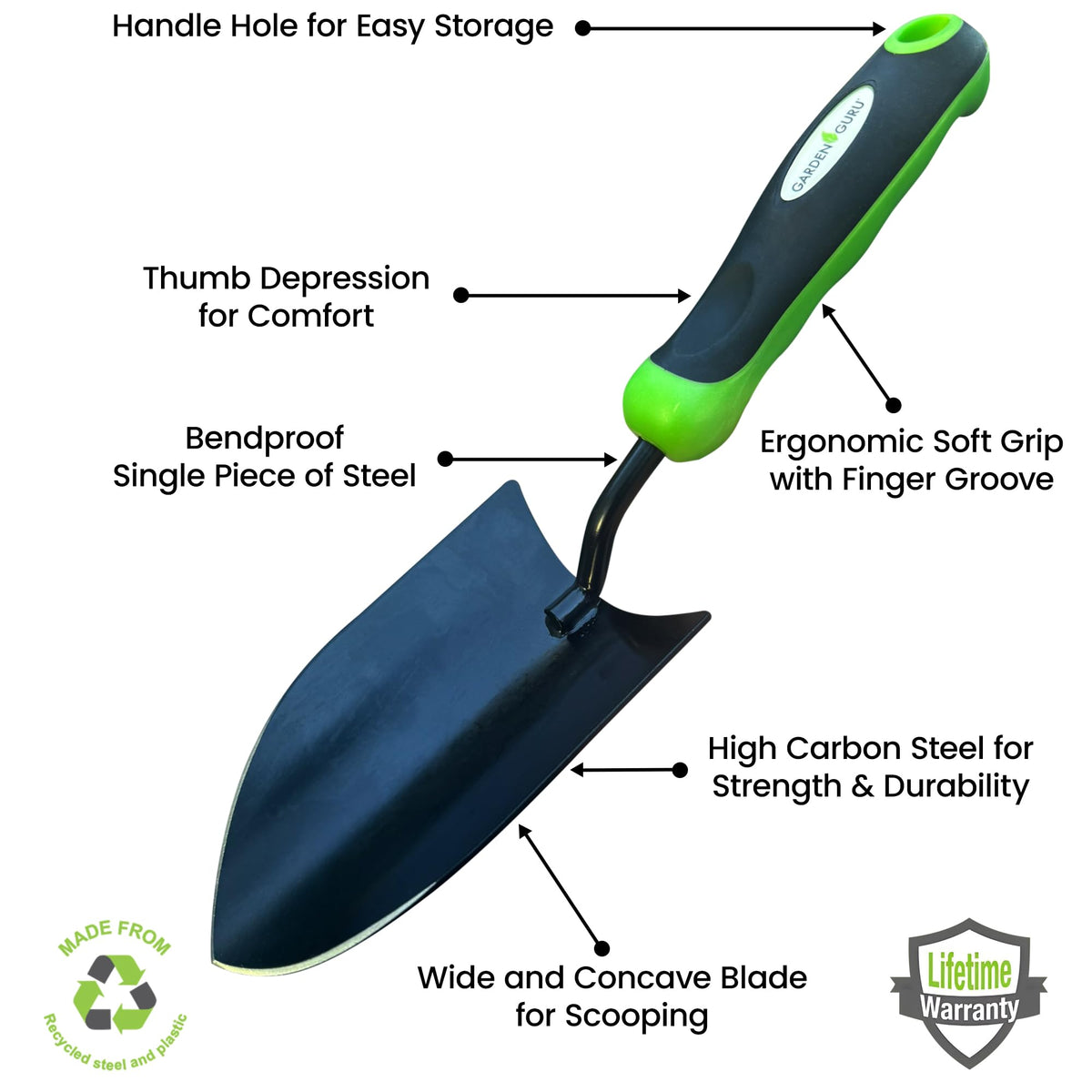
Most garden trowels have three main parts:
• Blade: The metal part that cuts into and lifts soil
• Handle: The part you hold while working
• Ferrule or shaft: The section that joins the blade to the handle
The blade may be narrow, wide, pointed, or rounded. Each shape suits a different task.
For example, a narrow blade works well for planting bulbs and small seedlings. A wider blade can scoop more potting mix. A pointed blade is useful when the soil is firm or packed.
What Is a Garden Trowel Used For?
The meaning of garden trowel becomes clearer when you look at its everyday uses. This tool is designed for small digging and planting tasks that need accuracy rather than force.
Common uses include:
• Digging holes for flowers, herbs, and vegetable seedlings
• Transplanting young plants
• Scooping potting soil into containers
• Mixing compost and soil in small areas
• Removing small weeds
• Planting bulbs and seedling plugs
• Breaking up light, loose soil
• Harvesting small root crops such as radishes
• Filling gaps around newly planted roots
• Working in raised beds and narrow garden spaces
A trowel can also help you measure planting depth. Many quality trowels have depth marks on the blade. These marks are helpful when planting bulbs or seedlings that need a set depth.
When I plant herbs in containers, I use the trowel to make a hole, loosen the roots, and press soil around the plant. The process is simple, but the tool prevents me from damaging nearby roots.
Key Features of a Garden Trowel
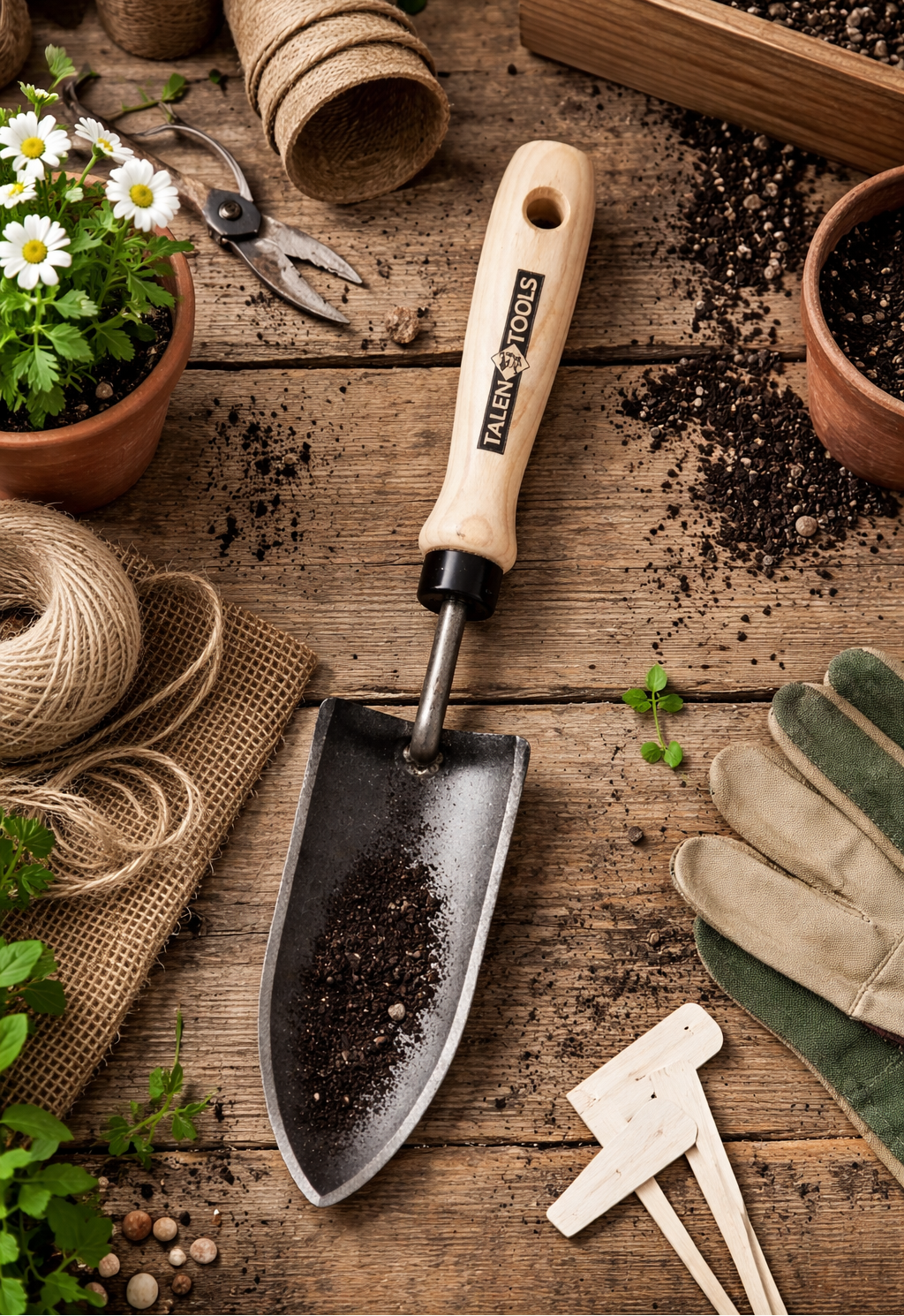
Garden trowels may look similar, but small design differences affect comfort and performance. The best choice depends on your soil, plants, and style of gardening.
Blade shape
A pointed blade enters firm soil more easily. It is helpful for digging in garden beds that have become dry or compact.
A rounded blade moves loose soil and compost with less effort. It is often a good choice for container gardening.
A narrow transplanting blade makes slim holes. This design helps you place seedlings without disturbing nearby plants.
Blade material
Most trowel blades are made from stainless steel, carbon steel, or coated metal.
• Stainless steel resists rust and is easy to clean
• Carbon steel is strong and handles hard soil well
• Coated steel may resist rust but can chip or wear over time
• Aluminum is light but may bend under heavy pressure
Stainless steel is often a practical choice for home gardeners. It costs more than basic steel in some cases, but it can last for many seasons with simple care.
Handle design
A comfortable handle can reduce hand strain. Look for a grip that fits your hand and does not feel sharp at the edges.
Some handles use wood. Others use plastic, rubber, or molded materials. Rubber grips may feel better during long planting sessions, while wood can offer a classic feel and good balance.
Size and weight
A small trowel is easy to carry and works well in containers. A heavier model may feel stronger in firm soil but can tire your wrist.
I once used a very light trowel in a hard clay bed. It was comfortable at first, but the blade bent when I pushed too hard. That experience taught me an important lesson: light tools are useful, but the blade must still match the work.
Types of Garden Trowels
The meaning of garden trowel can include several related designs. Each type supports a different gardening task.
Standard garden trowel
This is the most common type. It has a medium-width blade and works well for planting, digging, and moving soil.
It is a strong first choice for beginners because it handles many basic jobs.
Transplanting trowel
A transplanting trowel has a long, narrow blade. It creates deep, slim holes for seedlings, bulbs, and small plants.
This type is useful when plants are close together. It removes less soil than a wide trowel.
Scoop trowel
A scoop trowel has a broad, curved blade. It can move more potting mix, compost, or mulch with each scoop.
It works especially well for container gardening and filling raised beds.
Soil knife or hori hori
A soil knife is not exactly the same as a garden trowel, but gardeners often use it for similar tasks. It has a sharp edge, a pointed tip, and sometimes measurement marks.
It can cut roots, open planting holes, divide small plants, and remove weeds. Because the blade may be sharp, it requires careful handling.
Ergonomic trowel
An ergonomic trowel has a shaped handle that helps keep your wrist in a more natural position. It may help gardeners who experience hand or wrist discomfort.
No tool removes all strain. Good posture, short work periods, and regular breaks still matter.
Garden Trowel vs. Hand Shovel
Many people use the terms garden trowel and hand shovel as if they mean the same thing. In everyday speech, this is usually fine, but the terms can describe slightly different tools.
A garden trowel normally has a small blade for detailed planting and digging. A hand shovel may have a wider scoop shape and may be designed to move more soil.
The difference is easier to understand this way:
• Garden trowel: Best for planting, transplanting, and precise digging
• Hand shovel: Best for scooping soil, compost, or loose material
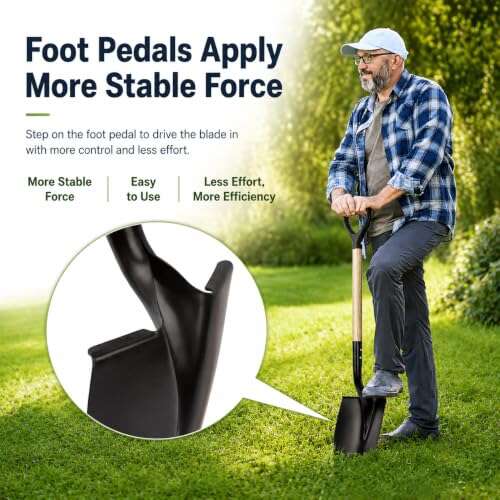
• Full-size shovel: Best for deep digging and moving large amounts of soil
Tool names can vary by region and manufacturer. A product labeled “hand shovel” may function just like a garden trowel. The blade shape and strength matter more than the name on the package.
How to Choose the Right Garden Trowel
Choosing a garden trowel becomes easier when you match the tool to the task. Think about your soil, plants, hand comfort, and storage needs.
Use these points as a guide:
- Choose a strong blade for clay or rocky soil.
- Choose a narrow blade for seedlings and bulbs.
- Choose a wide blade for containers and compost.
- Choose stainless steel if rust resistance matters.
- Choose a soft, shaped handle for regular use.
- Check the connection between the blade and handle.
- Select a tool that feels balanced in your hand.
- Look for depth markings if you plant bulbs often.
Before buying, hold the trowel if possible. Move it as though you are digging. The tool should not feel top-heavy or slippery.