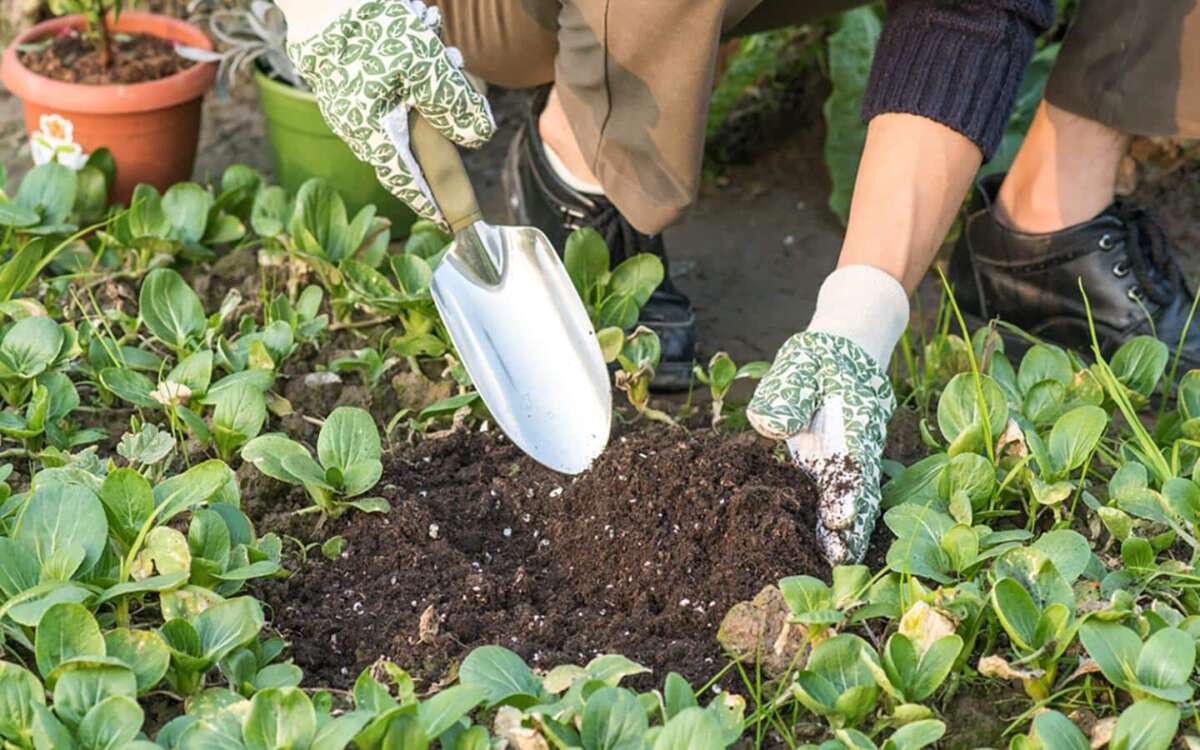
How To Use A Garden Trowel: Easy Steps For Beginners
Use a garden trowel to dig small holes, move soil, plant seedlings, remove weeds, and work around roots with care.
Learning how to use a garden trowel well makes many garden tasks faster and easier. The right grip, blade angle, and digging method can protect plant roots, reduce hand strain, and help you create healthy planting holes. This guide explains how to use a garden trowel with practical steps, safety tips, tool care advice, and lessons learned from real garden work.

What Is a Garden Trowel?
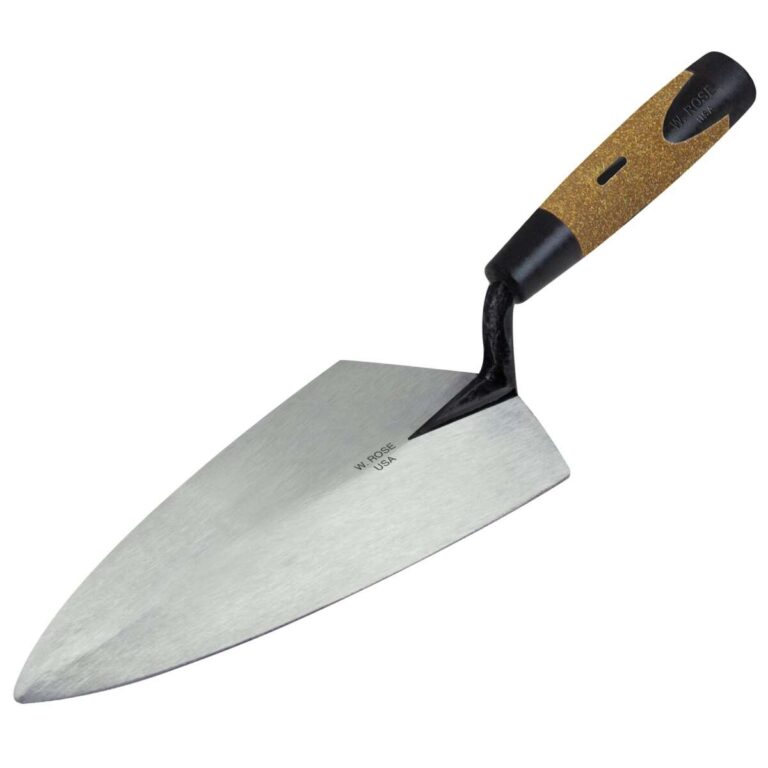
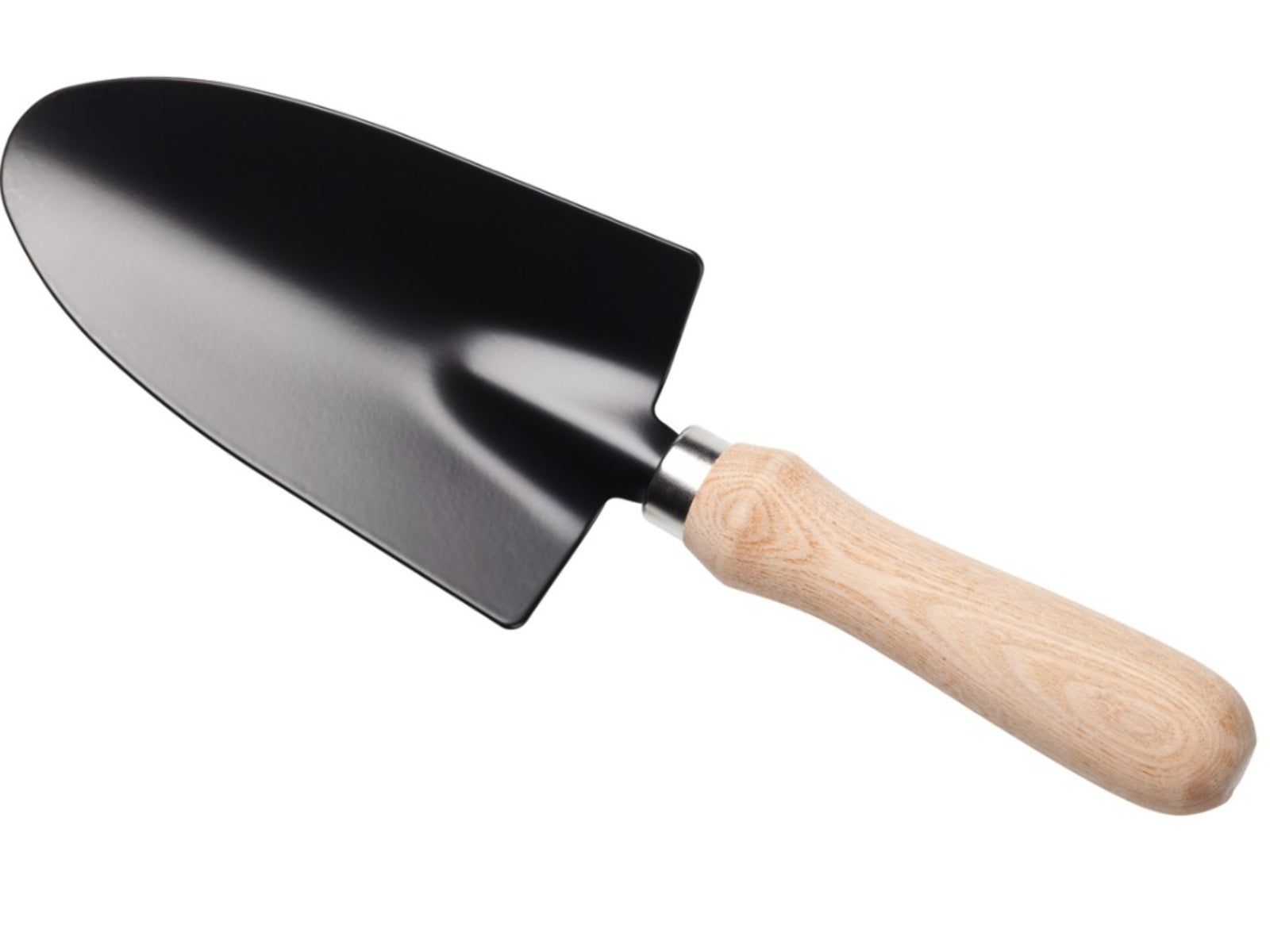
A garden trowel is a small hand tool with a narrow blade and a short handle. Gardeners use it for digging, planting, transplanting, weeding, mixing soil, and scooping compost.
The blade may be pointed, rounded, narrow, or wide. Each shape suits a different task.
• A pointed blade breaks into firm soil more easily.
• A narrow blade works well in pots and tight spaces.
• A wide blade moves more soil and compost.
• A marked blade helps you measure planting depth.
Most trowels have blades made from stainless steel, carbon steel, or aluminum. Stainless steel resists rust and cleans easily. Carbon steel is strong but needs more care. Aluminum is light and useful for gardeners who want less hand strain.
A good trowel should feel balanced in your hand. The handle should fit your grip without sharp edges or deep pressure points. If the tool feels awkward before you start, it will feel worse after an hour of digging.
How to Use a Garden Trowel Correctly
Learning how to use a garden trowel starts with good body position and simple control. You do not need to force the tool into the ground. Let the blade do the work.
1. Choose the right trowel
Match the tool to the job before you begin.
Use a narrow trowel for:
• Planting bulbs and small seedlings
• Working in raised beds
• Digging between crowded plants
• Gardening in containers
Use a wide trowel for:
• Moving loose soil
• Filling large planting holes
• Mixing compost into a bed
Use a pointed trowel for:
• Breaking compact soil
• Digging through clay
• Removing plants with deep roots
Check the blade before use. It should be firmly attached to the handle. A loose handle can twist while you dig and may cause a wrist injury.
2. Hold the handle properly
Wrap your fingers around the handle, but do not squeeze too hard. Keep your thumb near the top or side of the handle for control.
Place your other hand near the blade shaft when you need extra accuracy. This grip works well when planting small flowers or seedlings. For tougher soil, keep both hands on the handle and use your body weight instead of only your wrist.
3. Set the blade angle
Push the blade into soil at a slight angle. A 45-degree angle often gives you better control than pushing straight down.
For loose soil, push the blade down, then pull it toward you. For hard soil, rock the blade from side to side to open the soil. Avoid twisting the handle sharply, since this can bend the blade or strain your wrist.
4. Dig with your legs and body
When possible, use your arm to guide the trowel and your body weight to press it into the ground. Keep your wrist straight and your elbow slightly bent.
If you are digging many holes, change your position often. Kneel on a garden pad, sit on a low stool, or stand with one foot slightly ahead of the other. Small changes can reduce stress on your back and hands.
5. Lift and move the soil
Once the blade is deep enough, pull the handle toward you. Lift the soil in one smooth movement and place it beside the hole.
Do not fling soil across the garden. Loose soil can cover nearby seedlings or enter your eyes. Placing the soil in a small pile also makes it easier to return it around the plant.
6. Check the hole before planting
The hole should be wide enough for the roots to spread without bending sharply. Its depth depends on the plant.
For many seedlings, the top of the root ball should sit level with the surrounding soil. Some bulbs need a deeper hole, while shallow-rooted herbs may need less depth. Always check the plant label when available.

How to Use a Garden Trowel for Planting
Planting is one of the most common reasons people learn how to use a garden trowel. A clean hole gives roots room to grow and helps the plant settle without air pockets.
Follow these steps:
-
Water the seedling if its soil is dry.
-
Clear stones, weeds, and plant debris from the area.
-
Use the trowel to dig a hole slightly wider than the root ball.
-
Set the removed soil beside the hole.
-
Gently loosen circling roots with your fingers.
-
Place the plant in the hole at the correct depth.
-
Fill the hole with the original soil.
-
Press the soil lightly around the roots.
-
Water slowly to settle the soil.
Do not pack the soil tightly. Roots need air as well as water. Firm the soil enough to support the plant, but leave it loose enough for water and oxygen to move through.
When planting bulbs, use the trowel blade to create a hole with a clean base. Place the bulb with its growing point facing up. The package instructions usually give the best depth, but a common rule is to plant many bulbs at a depth about two to three times their height.
For annual flowers, keep the spacing in mind as you dig. It is tempting to place young plants close together because they look small. Mature plants need more room, so follow the recommended spacing on the label.
How to Use a Garden Trowel for Transplanting
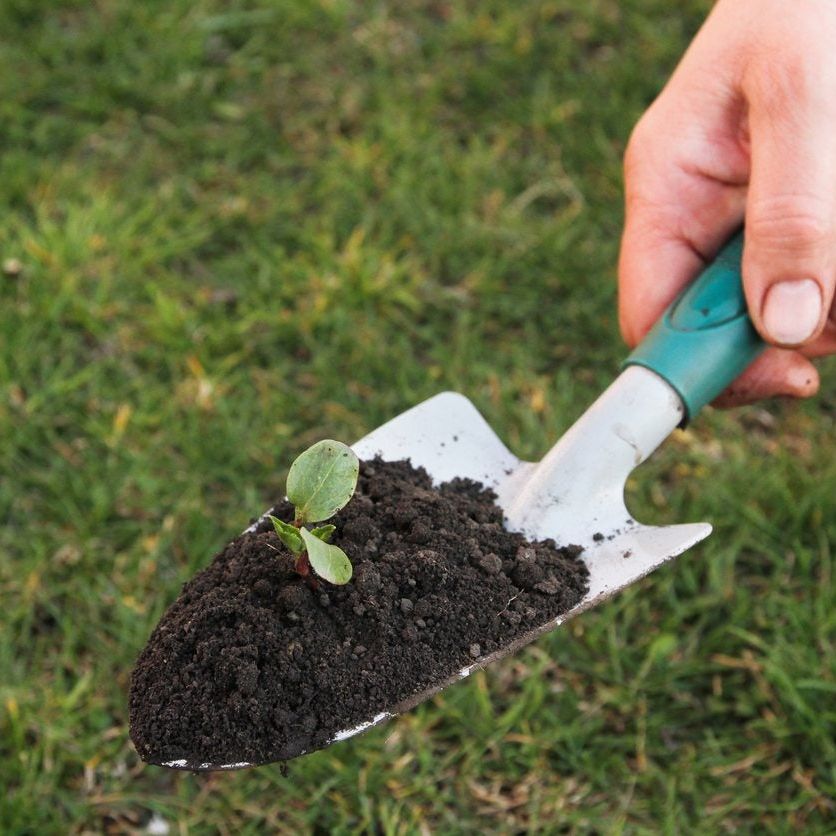
Transplanting requires more care than simple digging. The goal is to lift the plant while disturbing as few roots as possible.
Water the plant a few hours before moving it. Moist soil holds together better than dry soil, but soggy soil can collapse and damage roots.
Insert the trowel several inches from the stem. Push it down and angle the blade under the root ball. Work around the plant in a circle before lifting it.
Never pull a plant by its stem. The stem may break, and the roots can tear. Lift the plant from beneath the root ball and support the soil with your free hand.
A narrow transplanting trowel is useful for crowded beds. It lets you work between plants without cutting nearby roots. Move slowly if you feel resistance. The resistance may be a large root, stone, or underground utility line.
After moving the plant, place it in its new hole at the same depth. Water it well and provide shade for a short period if the weather is hot. Transplanted plants often need time to recover from root disturbance.