How To Use A Bulb Planter In Grass: Easy Guide
Use a bulb planter to cut clean plugs, set bulbs at the right depth, and replace the grass with little damage.
Learning how to use a bulb planter in grass makes naturalized planting faster, neater, and easier on your lawn. With the right tool, timing, depth, and aftercare, you can add spring color without turning the yard into a muddy garden bed.
What Is a Bulb Planter?
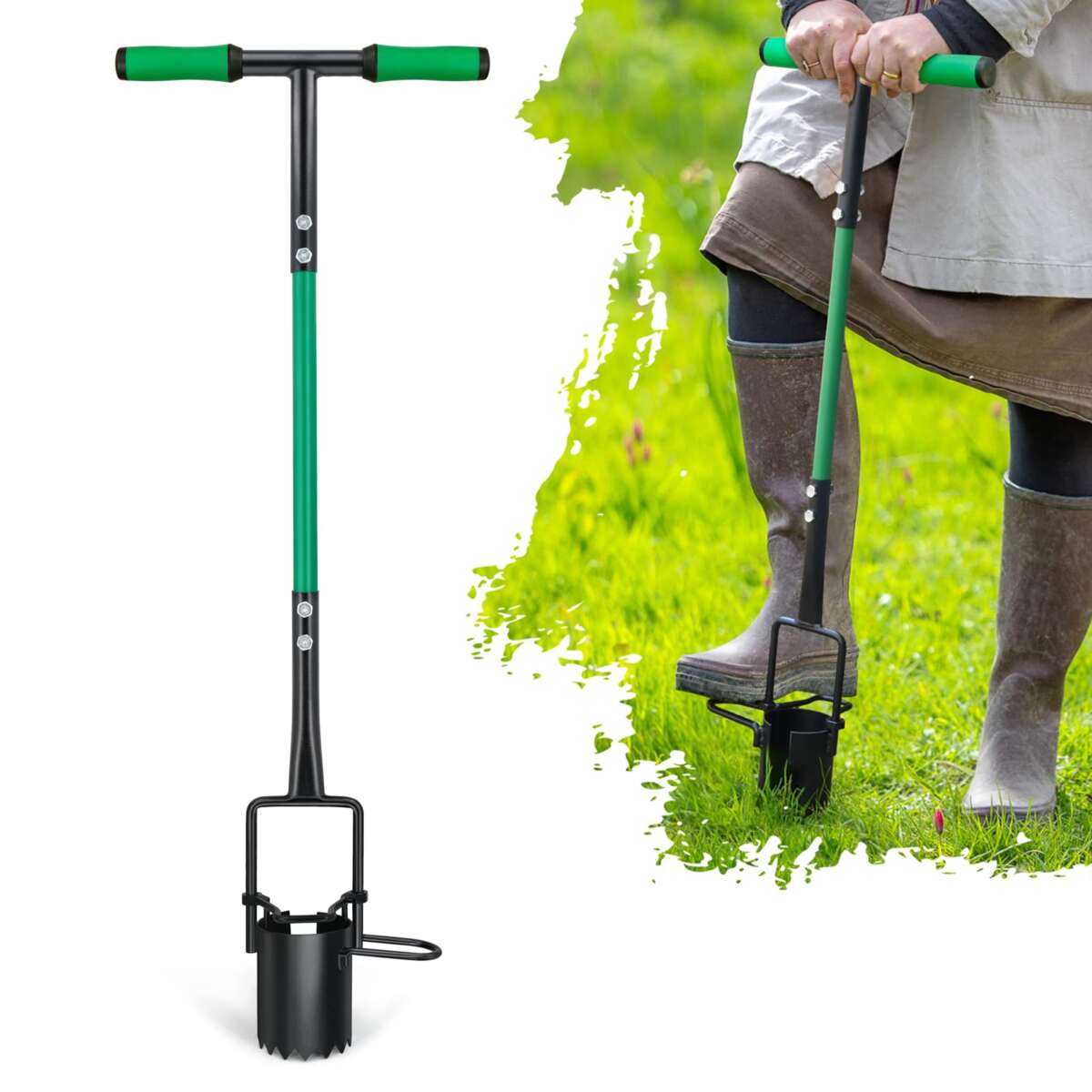
A bulb planter is a hand tool that removes a small core of soil from the ground. The opening is usually round, and the tool may have a pointed blade, a spring-loaded handle, or a long shaft for standing use.
The removed soil plug can often be placed back over the bulb. This helps the grass recover with less visible damage. A bulb planter works best in lawns where you want to plant bulbs such as crocuses, daffodils, grape hyacinths, and small tulips.
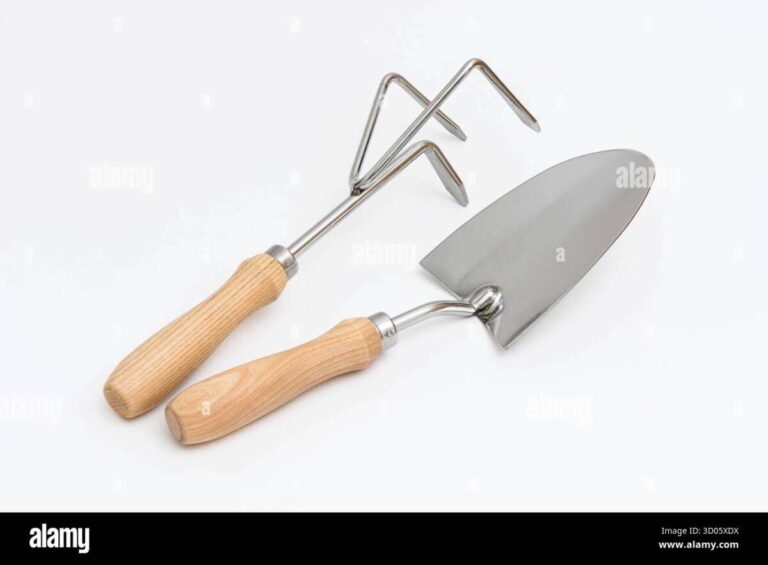
A bulb planter is not the same as a garden trowel. A trowel creates a wider hole and moves more soil. A bulb planter creates a neat, narrow opening, which is useful when you want to keep the lawn intact.

Choose the Right Bulb Planter
The best bulb planter depends on your soil, lawn size, and physical comfort. A small hand planter gives you more control, while a long-handled model saves your back and knees.
Look for these features:
• A sharp, strong cutting edge for slicing through turf and roots
• Clear depth markings to guide planting depth
• A comfortable handle with a firm grip
• A sturdy shaft if you plan to plant many bulbs
• A release lever that helps remove the soil plug
• A wide foot plate on long-handled tools for better pressure
A narrow planter is useful for small bulbs. A wider model is better for larger bulbs, such as daffodils. Check the tool’s diameter before you buy it. The hole should be only slightly wider than the bulb.
For heavy clay soil, choose a strong metal planter. Cheap plastic tools may bend when the ground is hard. For loose, sandy soil, almost any sturdy planter should work well.
A bulb planter cannot solve every soil problem. If your lawn is packed hard, dry, or full of thick roots, you may need to loosen the area first with a garden fork.

When to Plant Bulbs in Grass
Timing matters as much as technique. Most spring-flowering bulbs should go into the lawn in fall, after summer heat has passed and before the ground freezes.
A good general window is:
• September to November in many northern areas
• October to December in milder regions
• About six weeks before the ground usually freezes
Planting in fall gives bulbs time to grow roots before winter. They remain dormant during the cold season and then grow when spring arrives.
Some bulbs have different needs. Summer-flowering bulbs and tender bulbs may need spring planting after the danger of frost has passed. Always check the planting guidance for the exact bulb variety.
Avoid using a bulb planter in waterlogged soil. Wet soil can smear, compact, and lose its structure. It also makes it harder to return the soil plug neatly.
Avoid frozen soil, too. A frozen lawn can damage the tool and create rough patches. The ground should be firm but workable.

Prepare the Lawn Before Planting
Before learning how to use a bulb planter in grass, inspect the lawn. Remove leaves and sticks so you can see the turf clearly. Mark sprinkler heads, shallow cables, and other hidden objects.
Choose a planting area that gets enough light for the bulbs you selected. Crocuses and daffodils often do well in sunny lawns. Some bulbs can handle light shade, but few flower well in deep shade.
Mow the grass before planting, but do not scalp it. Short, healthy grass makes it easier to see the tool and replace each plug. If the lawn is very dry, water it lightly one or two days before planting.
Do not soak the area just before using the planter. Mud can stick inside the tool and make the plugs fall apart.
A simple planning method is to scatter a few bulbs on the lawn before cutting holes. This helps you judge the spacing. Natural groups usually look more realistic than perfect rows.
For a natural effect, plant bulbs in loose clusters:
• Use groups of five to fifteen bulbs
• Vary the spacing slightly
• Repeat groups across the lawn
• Avoid planting in straight lines unless you want a formal design
How to Use a Bulb Planter in Grass Step by Step
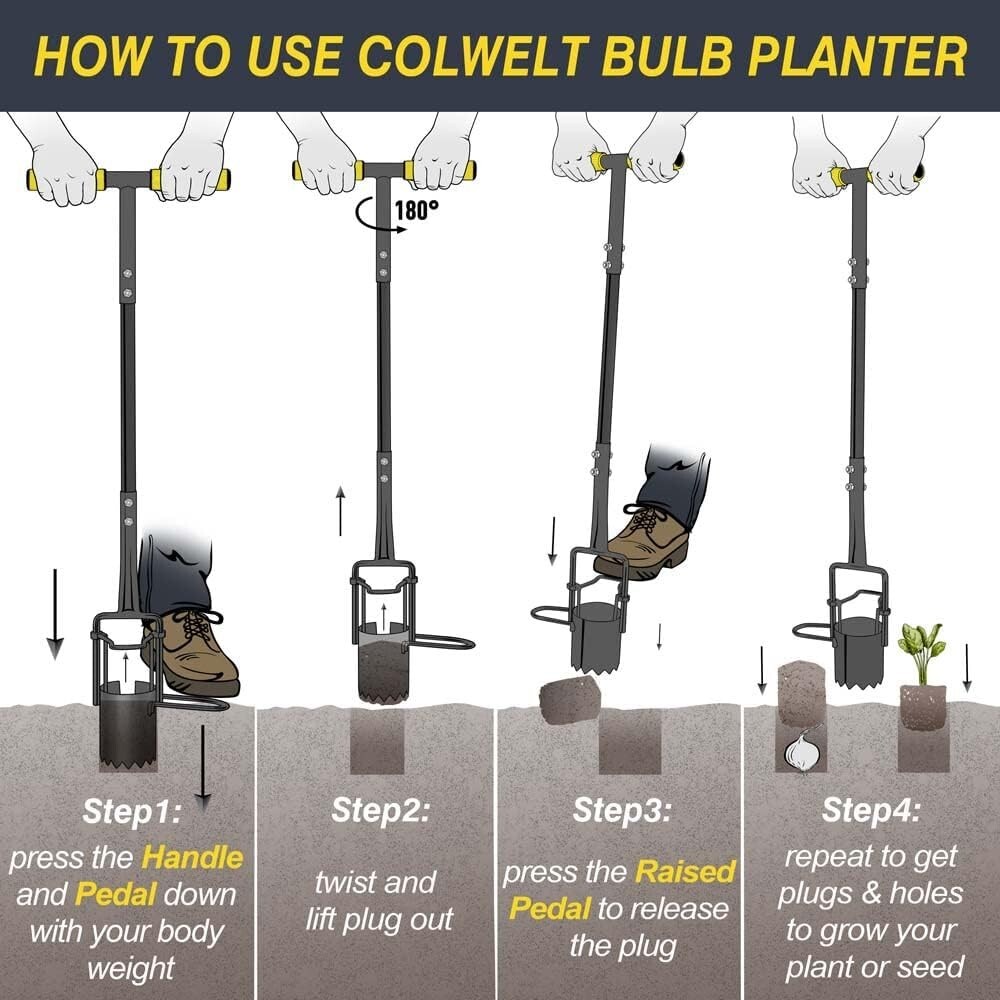
Using a bulb planter in grass is simple when you follow a steady process. The key is to cut a clean plug, set the bulb correctly, and close the hole with care.
1. Check the planting depth
Read the bulb package first. A common rule is to plant a bulb about two to three times as deep as its height. The pointed end usually faces upward.
For example, a bulb that is 2 inches tall may need to sit about 4 to 6 inches below the soil surface. This rule varies by plant, so package directions should take priority.
2. Position the planter
Place the bulb planter upright on the lawn. Hold it straight rather than at an angle. A straight cut creates a plug that fits back into the hole.
Push the blade into the grass with your foot or body weight. Twist the planter slightly if the soil is firm. Do not force the tool with a sudden jump, as this can damage the blade or your balance.
3. Remove the soil plug
Lift the planter carefully. Some tools hold the soil inside the cylinder. Others use a lever to release it.
Set the plug beside the hole on a clean surface. Keep the grass side facing up. This small detail helps the turf blend back into the lawn after planting.
4. Place the bulb
Drop the bulb into the hole with its growing point facing upward. The root plate, which is the flatter end, should face down.
If the hole is too shallow, remove a little more soil. Do not crush the bulb into the ground. It needs room for roots to grow and for the soil to sit around it.
5. Replace the plug
Place the grass plug back into the hole. Press it gently with your hand or shoe. The top of the plug should sit level with the surrounding lawn.
Do not leave air pockets around the bulb. Air gaps can dry the roots and may cause the plug to sink later.
6. Water the area
Water the planting spots after you finish. The goal is to settle the soil, not flood it. Fall rain may provide enough moisture after the first watering.
This step-by-step method explains how to use a bulb planter in grass without creating large bare patches. Work slowly at first. After a few bulbs, the motion becomes quick and natural.

How Deep and How Far Apart Should Bulbs Be?
Planting depth depends on the bulb type and soil. Bulbs planted too shallow may dry out, suffer frost damage, or become easy targets for animals. Bulbs planted too deep may struggle to reach the surface.
Use the package instructions whenever possible. These general ranges can help:
• Crocus: about 3 to 4 inches deep
• Grape hyacinth: about 3 to 4 inches deep
• Daffodil: about 6 inches deep
• Tulip: about 6 to 8 inches deep
• Small ornamental bulbs: about 3 to 5 inches deep