What Is A Bulb Planter Used For: Quick Gardening Guide
A bulb planter makes neat holes for planting flower bulbs at the right depth.
If you have ever planted dozens of tulips, daffodils, or crocuses by hand, you know how slow the job can feel. Understanding what is a bulb planter used for helps you choose the right tool, protect your bulbs, and create a garden that blooms evenly in spring.
What Is a Bulb Planter Used For?
A bulb planter is a gardening tool used to make holes for planting flower bulbs. It removes a small plug of soil, helping you place each bulb at a consistent depth without digging a wide hole.
The tool is commonly used for bulbs such as:
• Tulips
• Daffodils
• Crocuses
• Hyacinths
• Alliums
• Snowdrops
• Iris bulbs
• Garlic and other planting bulbs
What is a bulb planter used for beyond making holes? It also helps reduce planting time, limits soil disturbance, and makes it easier to space bulbs in beds, borders, containers, and lawns.
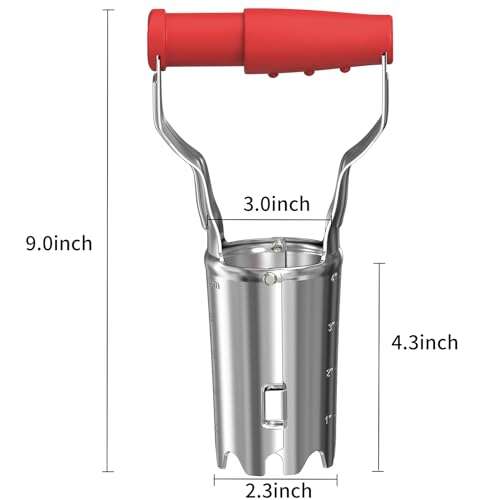
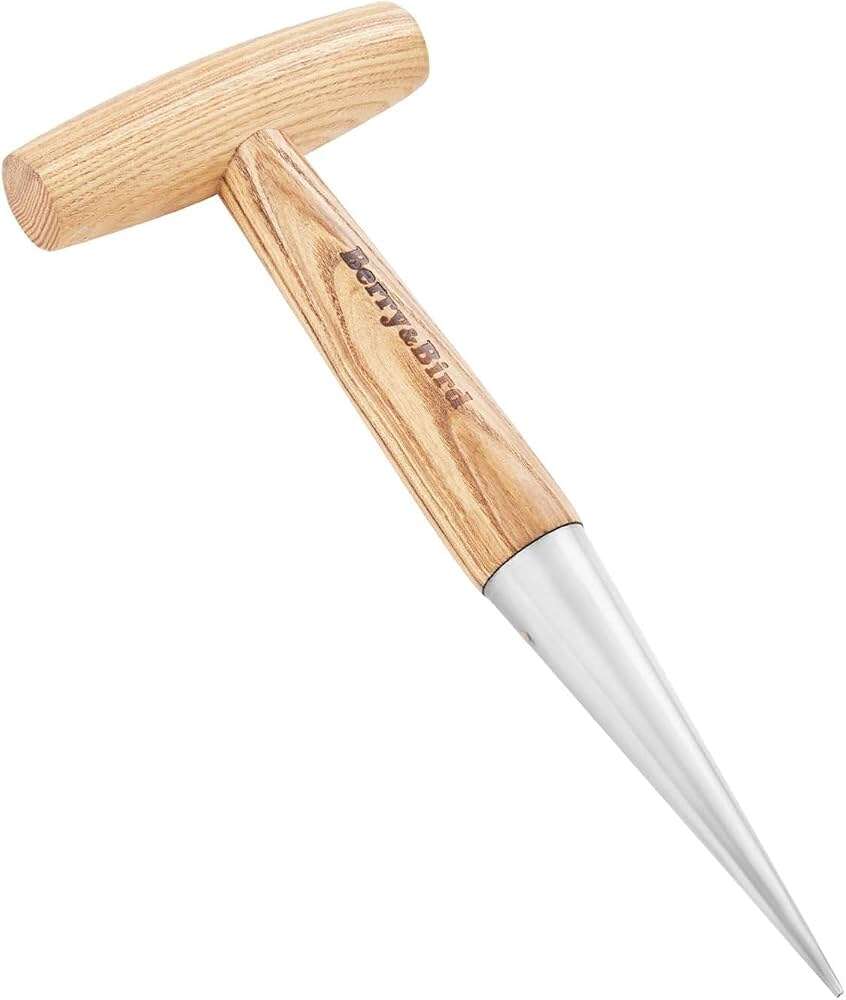
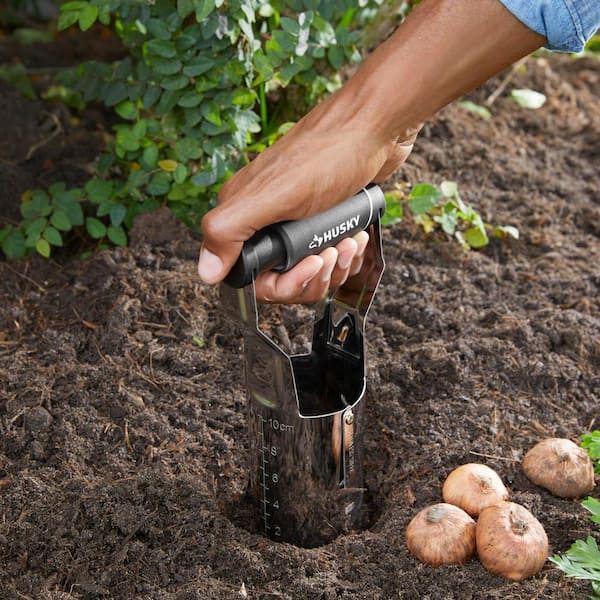
Most bulb planters have a narrow metal cup or cylinder with a sharp lower edge. Some models have a short handle, while others include a long shaft that lets you work while standing.

How Does a Bulb Planter Work?
A bulb planter works by pressing or twisting its cutting cup into the soil. The tool removes a plug of soil, leaving a clean hole for the bulb.
The basic process is simple:
- Choose a planting spot with suitable light and drainage.
- Press the planter into loose soil.
- Twist or push it down to the needed depth.
- Lift out the soil plug.
- Place the bulb in the hole with its pointed end facing up.
- Replace the soil plug and press it gently.
- Water the area if the soil is dry.
Some planters have depth markings. These marks help you follow the planting depth listed on the bulb package.
A handheld planter works well in soft, prepared soil. A long-handled model offers more leverage and is often easier on your back. For hard or compacted ground, a dibber, trowel, or garden fork may work better than a small bulb planter.
When asking what is a bulb planter used for, it helps to remember that the tool is designed for speed and consistency. It is not meant to break through rocks, thick roots, or frozen soil.

Why Use a Bulb Planter?
The main reason to use a bulb planter is to make repeated planting faster and more uniform. This matters when you plant many bulbs in one area.
A bulb planter can provide several benefits:
• Faster planting: You can make many holes in less time than with a trowel.
• Even depth: Bulbs are more likely to sit at a consistent level.
• Cleaner work: The tool removes small plugs rather than opening large holes.
• Less soil disruption: Nearby plants and roots receive less disturbance.
• Better spacing: You can place bulbs in a planned pattern.
• Reduced hand strain: The tool does much of the cutting work.
Consistent depth can support more even growth. Bulbs planted too shallow may face temperature changes, drying, or wildlife damage. Bulbs planted too deep may struggle to reach the surface.
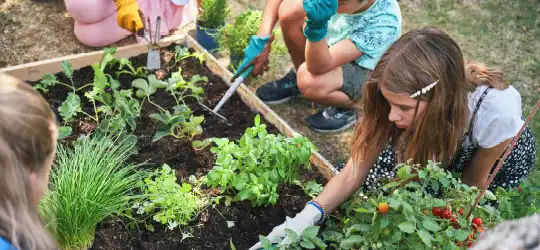
Gardeners often use bulb planters to create natural-looking groups. Rather than placing bulbs in perfect rows, scatter a handful across the bed and plant them where they land. This creates a more relaxed display.
In my experience helping with bulb beds, the biggest mistake is rushing the spacing. A planter makes holes quickly, but it does not decide the design for you. Take time to imagine the mature flowers before you fill the bed.
Types of Bulb Planters
Bulb planters come in several designs. The best type depends on your soil, planting area, and physical comfort.
Handheld Bulb Planters
A handheld planter has a short handle and a small metal cup. You push it into the soil with one hand and lift out the soil plug.
This style is light, simple, and affordable. It works well for raised beds, containers, and loose garden soil.
Its main weakness is that you must bend or kneel. It may also be difficult to use in compacted clay.
Long-Handled Bulb Planters
A long-handled bulb planter lets you plant while standing. Many gardeners prefer this design because it reduces bending and pressure on the knees.
Long-handled models often work best in prepared beds and lawns. They may not provide enough force for very hard ground, especially if the cutting cup is thin.
Step-On Bulb Planters
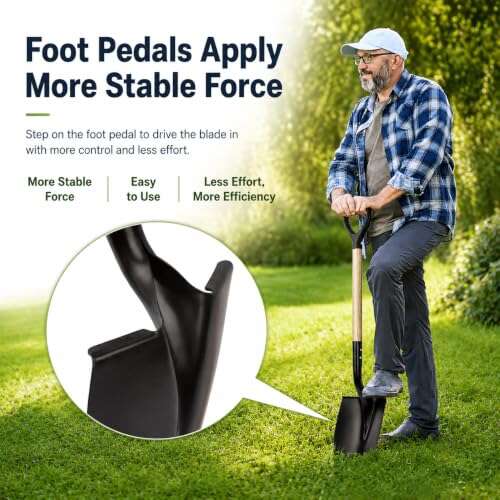
A step-on planter has a foot plate or broad top section. You use your body weight to push the tool into the soil.
This design can make planting easier in firm soil. However, it still needs reasonably clear ground. Stones, thick roots, and heavy clay can damage the cutting edge.
Garden Augers
A bulb auger attaches to a power drill and creates holes by spinning into the ground. It can save time when planting large numbers of bulbs.
Use an auger carefully. A spinning tool can disturb soil, damage nearby roots, or create holes that are too deep. It also requires safe handling and suitable drill power.
Knowing what is a bulb planter used for makes it easier to choose between these tools. A basic handheld model may be enough for a few dozen bulbs, while a long-handled planter or auger may suit a larger project.

How Deep Should You Plant Bulbs?
Planting depth depends on the bulb type, bulb size, soil, and local climate. As a general rule, many bulbs are planted at a depth about two to three times the bulb’s height.
For example, a bulb that measures 2 inches tall may need a hole about 4 to 6 inches deep. Always check the package instructions because planting needs vary.
Common examples include:
• Tulips: Often planted about 6 to 8 inches deep
• Daffodils: Often planted about 6 inches deep
• Crocuses: Often planted about 3 to 4 inches deep
• Alliums: Often planted about 6 to 8 inches deep
• Small bulbs: Often planted about 2 to 4 inches deep
These are general ranges, not strict rules. Heavy clay soil may call for slightly shallower planting than loose, sandy soil. In cold regions, bulbs may need enough depth to stay insulated during winter.
Place most bulbs with the pointed tip facing up. If the bulb has no clear point, place the flatter root side down. A bulb planted upside down may still grow, but it usually takes more energy to reach the surface.
When considering what is a bulb planter used for, depth control is one of its most useful features. Still, the tool’s markings are only a guide. Measure the bulb and follow reliable planting directions when possible.

How to Use a Bulb Planter Correctly
Using the tool well is more important than buying the most expensive model. Follow these steps for better results.
Prepare the Soil
Clear away weeds, leaves, and large stones. Loosen compacted soil with a garden fork before using the planter.
The soil should be moist but not wet. Mud can stick inside the planter, while very dry soil may resist the cutting edge.
Plan the Layout
Check the mature height, color, and bloom time of each bulb. Place taller varieties behind shorter flowers in a border.
For a natural display, plant bulbs in small groups. For a formal look, use even rows or repeated patterns.
Make the Hole
Press the bulb planter straight down. Keep it vertical so the hole stays even.
If the soil is firm, twist the planter gently. Do not force the tool with sudden pressure, as this may bend the shaft or damage the cutting cup.
Place and Cover the Bulb
Set the bulb into the hole with the roots or flatter end down. Replace the soil plug and press lightly.
Do not pack the soil too firmly. Roots need air spaces, and compacted soil can hold too much water.
Water and Mark the Area
Water after planting if the soil is dry. Add a light layer of mulch to help protect the soil and reduce weeds.
Mark the planting area with a label. This prevents accidental digging before the bulbs emerge.
A useful lesson is to stop when the tool starts fighting you. If the planter will not enter the ground, improve the soil first. More force is rarely the best answer.

Can You Use a Bulb Planter in a Lawn?
Yes, you can use a bulb planter in a lawn to plant bulbs such as crocuses, daffodils, and small narcissus. The tool creates individual holes without removing a large section of grass.
For a natural effect, scatter bulbs across the lawn and plant them where they fall. Avoid planting in straight lines unless you want a formal design.
Choose bulbs that can finish flowering before regular mowing begins. Early spring bulbs often work well because their leaves have time to store energy before the grass needs frequent cutting.
Do not mow bulb foliage immediately after flowering. The leaves help the bulb rebuild energy for the next season. Wait until the foliage turns yellow and begins to die back naturally.
A bulb planter works best in lawns with loose soil. If the ground is dry, heavily compacted, or full of thatch, loosen the area first.
What is a bulb planter used for in a lawn? It is mainly used to create small, deep planting holes while keeping damage to the surrounding turf low.