What Are Bypass Pruners Used For: Pruning Tips
Bypass pruners make clean, precise cuts on living stems, small branches, flowers, and fresh green growth.
If you have ever struggled with a crowded shrub or a broken flower stem, understanding what are bypass pruners used for can make pruning much easier. These hand tools are designed to work like scissors, so they protect nearby plant tissue while giving you better control. This guide explains their best uses, limits, safe techniques, and care tips in clear, practical terms.
What are bypass pruners used for?
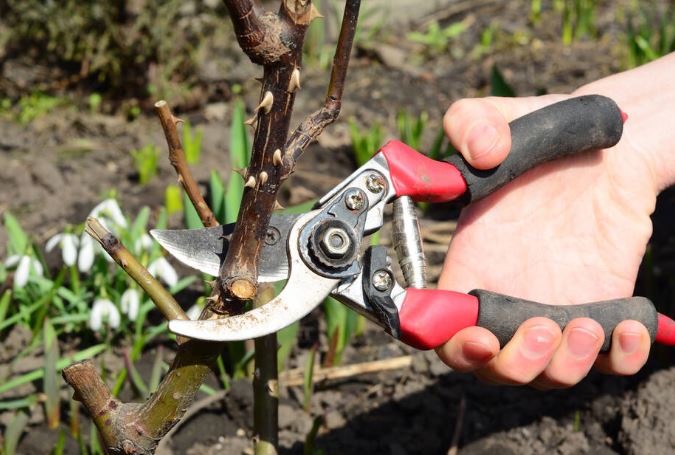
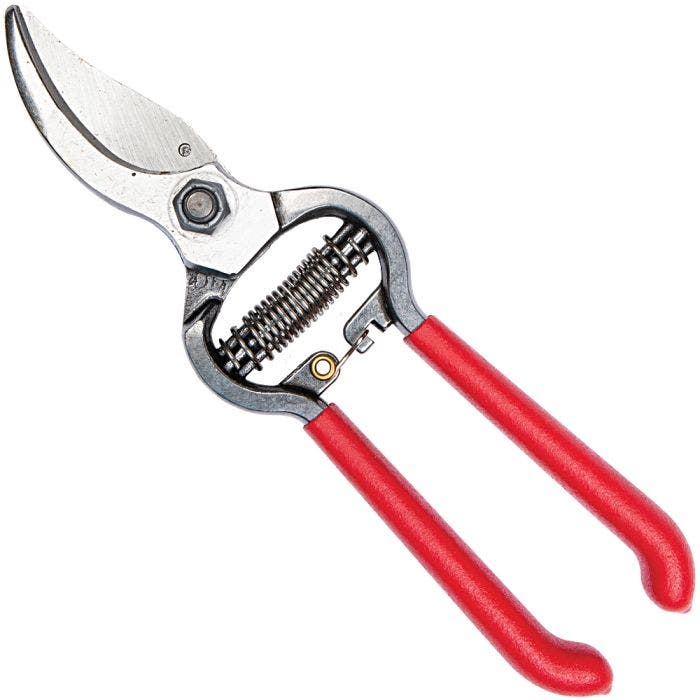
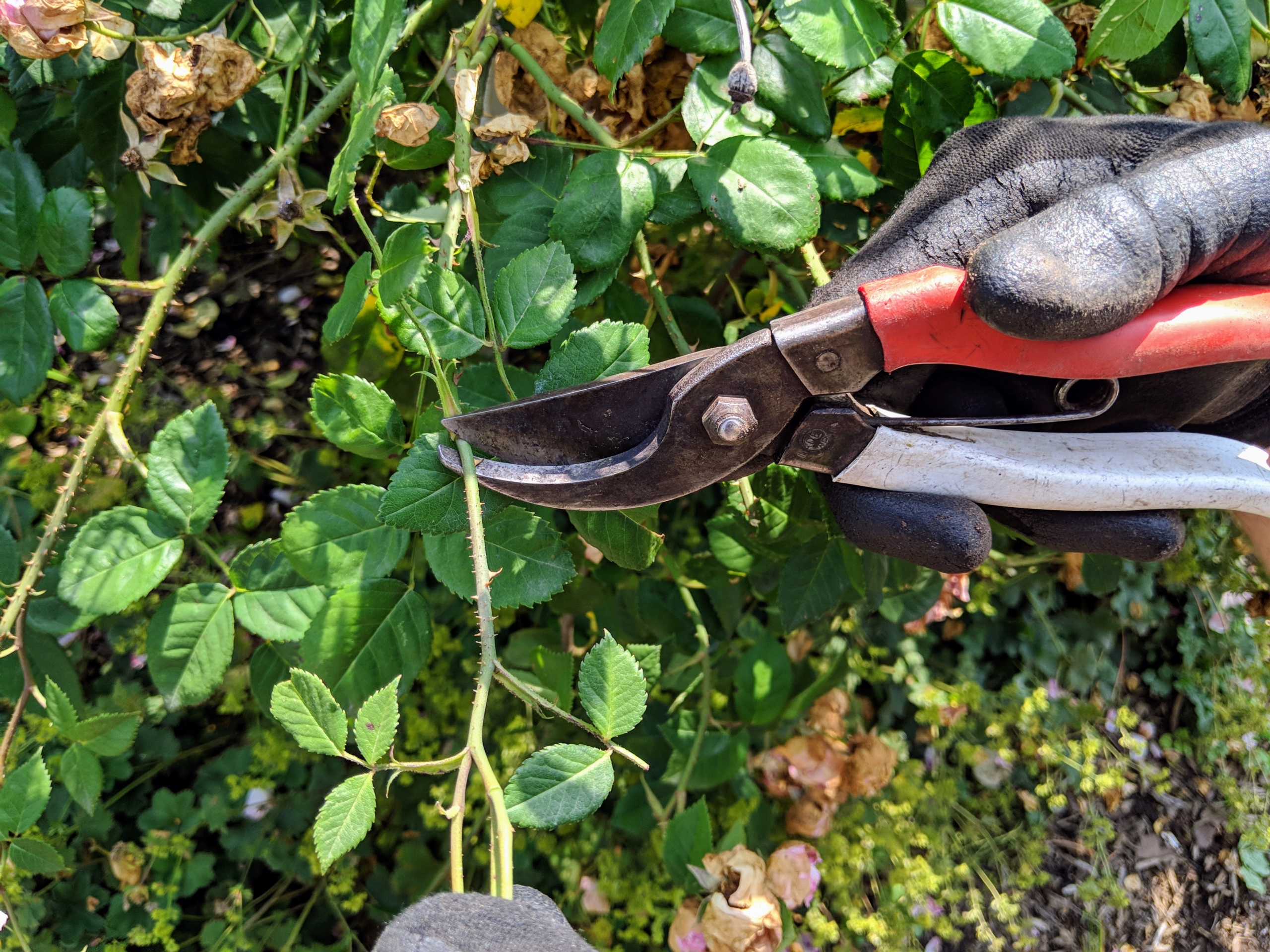
Bypass pruners are hand tools used to cut live plant stems and small branches. They have two curved blades that pass by each other, much like household scissors. One blade is sharp, while the other blade is thicker and supports the stem during the cut.
The main answer to what are bypass pruners used for is simple: they are used for clean cuts on living wood and green plant growth. Gardeners use them for pruning, shaping, harvesting, removing damaged growth, and improving plant health.
Common uses include:
• Cutting flower stems for bouquets
• Removing dead or diseased twigs
• Trimming rose canes and shrubs
• Pruning fruit tree shoots
• Cutting back herbs and soft-stem plants
• Removing suckers and water sprouts
• Shaping young branches
• Harvesting grapes, peppers, and other produce with firm stems
A clean cut heals more easily than a crushed or torn cut. This matters because rough wounds can hold moisture and create entry points for pests and disease. Bypass pruners help reduce this risk when they are sharp, clean, and used on branches within their rated size.
:max_bytes(150000):strip_icc()/SPR-garden-pruner-preference-1403219-hero-e364c36e3a88465bbd4eced329e6aa8e.jpg)
How bypass pruners work
Bypass pruners use a sliding cut. The sharp blade moves past a thicker counter blade and slices through the stem. This action is different from the crushing cut made by anvil pruners.
Think of bypass pruners as a small pair of curved scissors. The blades should meet smoothly near the tip and remain aligned through the full cut. When the tool is in good condition, it cuts plant tissue instead of smashing it.
The cutting process has three main parts:
-
The sharp blade enters the stem.
-
The stem rests against the thicker blade.
-
The sharp blade passes across the stem and completes the cut.
This design explains what are bypass pruners used for so well. They are best for live branches that still contain moisture and flexible tissue. The narrow head also lets you reach into tight spaces without damaging nearby buds or stems.
For the best result, place the thicker blade on the side of the branch you plan to remove. Keep the sharp blade close to the part of the plant you want to keep. This position leaves a cleaner wound and reduces accidental damage.
What are bypass pruners used for in a garden?
In a garden, bypass pruners are useful for routine maintenance. They can remove weak growth, improve airflow, and help plants direct energy toward stronger stems. They also make small pruning jobs faster and more accurate.
Here are several practical examples.
Pruning roses
Rose bushes often produce thin, dead, or crossing canes. Bypass pruners can remove these canes with a clean cut. They also work well for deadheading roses after flowers fade.
Cut just above a healthy outward-facing bud. This encourages new growth to move away from the center of the plant. Better airflow can help reduce the damp conditions that favor fungal problems.
Trimming shrubs
Many shrubs need occasional shaping. Bypass pruners work well for removing a few long shoots or correcting uneven growth. They are better for selective cuts than for trimming an entire hedge.
For large hedges, use hedge shears or an electric trimmer. Bypass pruners are designed for individual stems, not broad, repeated cuts across many branches.
Caring for fruit trees
Young fruit trees need careful pruning to build a strong structure. Bypass pruners can remove small shoots, suckers, and narrow branches that compete with the main framework.
Always check the branch size before cutting. Forcing bypass pruners through thick wood can damage the tool and leave a rough wound on the tree.
Harvesting plants
Gardeners often use bypass pruners to harvest grapes, peppers, tomatoes, herbs, and cut flowers. A quick cut can protect both the crop and the parent plant.
Do not pull or twist produce from the plant when a firm stem resists. A clean snip is often safer than a rough tear.
Removing damaged growth
Storms, pets, tools, and heavy fruit can break branches. Bypass pruners can remove small damaged sections before they become a larger problem.
Cut back to healthy wood. Healthy tissue is usually firm and shows a normal color for that plant. If a branch is large, split, or near a power line, use a larger tool or contact a trained professional.
:max_bytes(150000):strip_icc()/SPR-garden-pruner-preference-1403219-hero-e364c36e3a88465bbd4eced329e6aa8e.jpg)
What types of plants can bypass pruners cut?
Bypass pruners are suitable for many garden plants, but their exact capacity depends on the tool and the material. Most household models handle live stems up to about three-quarters of an inch thick. Some heavy-duty models can cut larger branches, but the manufacturer’s limit should always guide you.
They are commonly used on:
• Roses
• Hydrangeas
• Lavender
• Berry bushes
• Grape vines
• Young fruit trees
• Ornamental shrubs
• Perennials
• Herbs
• Small vegetable stems
Fresh, green wood is usually easier to cut than dry, hard wood. A branch that feels springy may cut well, while a thick, brittle branch may need loppers or a pruning saw.
The answer to what are bypass pruners used for also depends on stem position. They work best when you can place the blades around the branch and squeeze the handles in one smooth motion. Avoid twisting the tool while cutting.

Bypass pruners versus anvil pruners
The main difference is how the blades meet. Bypass pruners have a sharp blade that passes a thicker blade. Anvil pruners have a sharp blade that presses the stem against a flat surface.
Bypass pruners are usually the better choice for live plants because they make a cleaner cut. Anvil pruners can be useful for dry, dead, or very hard wood, where crushing the material is less concerning.
| Feature | Bypass pruners | Anvil pruners |
|---|---|---|
| Cutting action | Sliding cut | Pressing cut |
| Best material | Live, green stems | Dry or dead wood |
| Cut quality | Usually clean and precise | May crush soft tissue |
| Best use | Roses, shrubs, fruit shoots | Dry twigs and hard dead stems |
| Access | Good for tight spaces | Often has a broader head |
If you are unsure what are bypass pruners used for compared with anvil models, use this rule: choose bypass pruners for living growth and anvil pruners for dead material. This simple approach protects plant tissue and helps each tool last longer.

How to use bypass pruners correctly
Good technique improves both plant health and hand comfort. Before you cut, inspect the branch and decide where the final cut should go.
Follow these steps:
-
Check the branch size. Use bypass pruners only within their rated capacity.
-
Find the branch collar. This is the slightly swollen area where a branch joins a larger stem.
-
Choose the right bud. For many plants, cut just above an outward-facing bud.
-
Open the blades fully. Place the branch deep in the cutting area when possible.
-
Position the tool correctly. Keep the sharp blade near the part of the plant you want to keep.
-
Make one smooth cut. Do not rock, twist, or force the handles.
-
Inspect the wound. It should be clean, even, and free from crushed tissue.
Do not leave a long stub unless the plant’s pruning needs call for it. A long stub may die back and become a place for pests to enter. At the same time, avoid cutting into the branch collar because this can slow natural healing.
A common beginner mistake is making many tiny cuts on one branch. This can leave a ragged surface. One accurate cut is usually better than several rough ones.
When should you use bypass pruners?
The best pruning time depends on the plant. Many deciduous trees and shrubs can be pruned during dormancy, while flowering plants may need pruning after they bloom. Dead, broken, or diseased growth can often be removed as soon as you notice it.
Seasonal timing matters because pruning can affect flowers and new growth. For example, pruning a spring-flowering shrub too early may remove buds that formed during the previous season.
Use bypass pruners when:
• A stem is small enough for the tool
• The plant is actively growing or has suitable woody tissue
• You need a selective cut rather than broad trimming
• The branch is live, narrow, and reachable
• You need to remove a damaged or diseased twig
Avoid pruning during extreme heat, severe cold, or drought unless the plant has urgent damage. A stressed plant may heal more slowly.
If you are asking what are bypass pruners used for during winter, the answer depends on the plant and climate. Dormant pruning can be useful for many woody plants, but evergreen plants and frost-sensitive species may need a different schedule.
How to choose the right bypass pruners
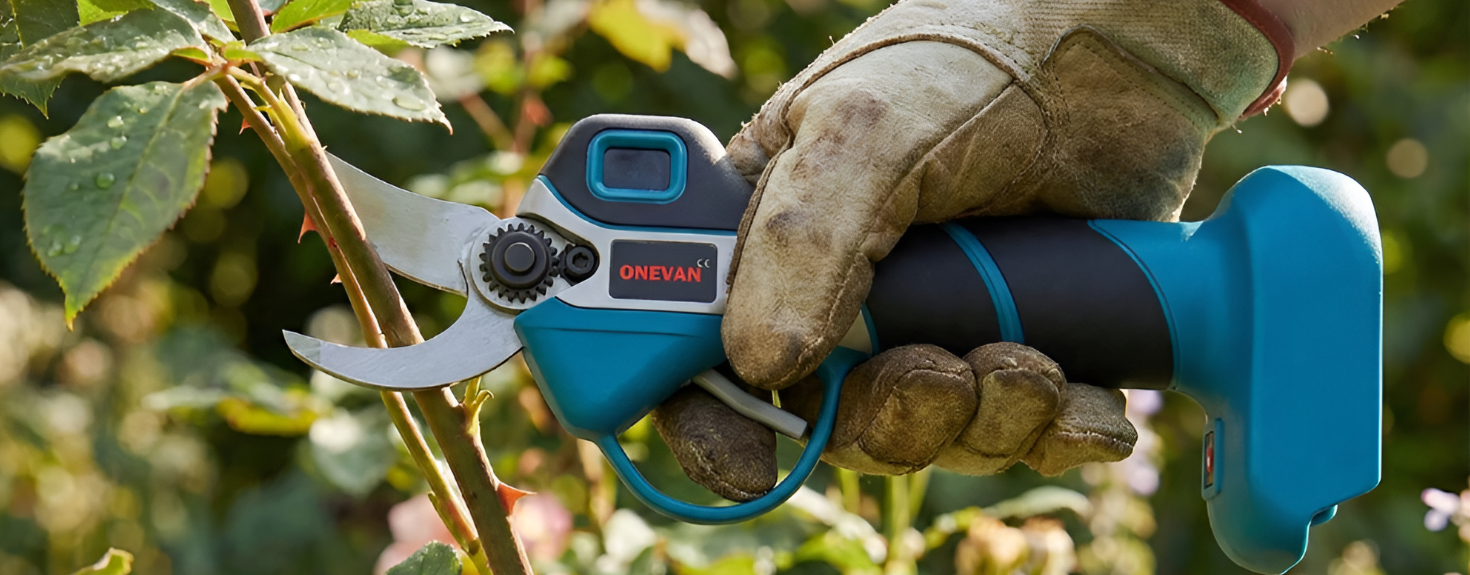
A comfortable, well-made tool is easier to use and less likely to cause poor cuts. When choosing bypass pruners, consider your hand size, cutting needs, and the amount of pruning you do.
Look for these features:
• A sharp, replaceable blade
• Strong blade alignment
• A comfortable grip
• A safety lock that closes securely
• A spring that opens the handles smoothly
• A handle size that fits your hand
• A cutting capacity that matches your plants
If you have small hands or limited grip strength, choose a lighter model with narrow handles. Ratcheting pruners may help with thick stems, but they require several squeezes and can be slower for small cuts.
Left-handed gardeners should check whether the blade design works well for either hand. Some tools are made mainly for right-handed use.
Price alone does not guarantee quality. A moderately priced tool with a replaceable blade and solid alignment may serve you better than a costly tool that feels loose or awkward.
Cleaning and sharpening bypass pruners
Clean tools help reduce the spread of plant disease. Wipe sap and plant residue from the blades after use. If you move from a diseased plant to a healthy plant, disinfect the blades before making the next cut.
A practical care routine includes:
-
Brush away soil and plant pieces.
-
Wipe the blades with a clean cloth.
-
Disinfect the cutting surfaces when disease may be present.
-
Dry the tool fully.
-
Apply a small amount of tool oil to the pivot and moving parts.
-
Store the pruners closed in a dry place.
Sharp blades need less force and leave smoother wounds. You can sharpen the blade with a suitable sharpening stone or file. Follow the original bevel rather than creating a new angle.
Do not sharpen the flat counter blade like the cutting blade. Remove only the small burr that may form on its surface. If the blades remain loose, bent, or misaligned, repair or replace the tool.
Common mistakes to avoid
Knowing what are bypass pruners used for is only part of safe pruning. Many tool problems come from using the right pruner in the wrong way.
Avoid these mistakes:
• Cutting branches that are too thick
• Using bypass pruners on nails, wire, or plastic
• Twisting the handles during a cut
• Leaving blades dirty and wet
• Cutting without checking for hidden buds
• Removing too much live growth at once
• Using dull blades
• Ignoring hand pain or numbness
Never use bypass pruners as pliers or wire cutters. Hard materials can nick the blade and disturb its alignment. Once the blades no longer meet correctly, the tool may crush stems instead of slicing them.
One practical lesson from repeated garden maintenance is to stop when the tool begins to struggle. If a cut requires your full body weight, the branch is probably too large for bypass pruners. Switch to loppers or a pruning saw.
Safety tips for using bypass pruners
Pruning looks simple, but small tools can still cause cuts and strain. Keep your free hand behind the cutting path and watch for thorns, brittle branches, and spring-loaded stems.
Use these safety habits:
• Wear gloves that fit well
• Use eye protection when branches may snap back
• Keep fingers away from the blade
• Cut away from your body
• Use stable footing
• Keep children away from open tools
• Close and lock the pruners when carrying them
• Use a ladder only with proper support and safe positioning
Do not reach too far while standing on a ladder. Move the ladder instead. For branches near electrical wires, call a qualified professional rather than attempting the work yourself.
People with arthritis or reduced hand strength should choose ergonomic handles and take regular breaks. Pain is a sign to change your technique or tool, not to squeeze harder.
Frequently Asked Questions About What Are Bypass Pruners Used For
What are bypass pruners used for?
Bypass pruners are used to cut live stems, green branches, flowers, and small woody growth. Their sliding blades make clean cuts with less crushing than anvil pruners.
Can bypass pruners cut dead branches?
Yes, bypass pruners can cut small dead branches, but they are mainly designed for live growth. Thick or very dry wood may damage the blade, so loppers or a pruning saw are often better.
What is the maximum branch size for bypass pruners?
Many bypass pruners cut branches up to three-quarters of an inch thick. The true limit depends on the model, the wood type, and the condition of the blade.
Are bypass pruners better than anvil pruners?
Bypass pruners are usually better for live stems because they make a cleaner cut. Anvil pruners can be useful for dry, dead, or hard wood.
Can bypass pruners spread plant disease?
Yes, dirty blades can transfer pathogens from one plant to another. Clean and disinfect the blades between plants when you suspect disease.
How often should bypass pruners be sharpened?
Sharpening depends on use, but the blades should be sharpened whenever cuts become rough or require extra force. Light sharpening and regular cleaning help keep the tool effective.
Conclusion
Bypass pruners are best for clean, selective cuts on live stems, small branches, flowers, shrubs, vines, and young fruit trees. Their scissor-like action protects plant tissue, improves control, and makes routine garden care easier.
Choose the right size, cut within the tool’s limit, keep the blades sharp, and clean them after use. With these habits, you can prune with confidence and help your plants grow in a healthier shape. Explore more plant-care guides, share your pruning experience, or leave a comment with your favorite bypass pruner tips.

Laura Bennett is a gardening writer at MyGardenLabs who creates beginner-friendly guides focused on solving common plant care and gardening problems.