What Do You Use To Prune Roses: Best Tools And Tips
Use sharp bypass pruners, sturdy gloves, disinfectant, loppers, and a pruning saw to prune roses safely.
Knowing what do you use to prune roses is the first step toward healthier plants and better blooms. The right tools make clean cuts, reduce disease risk, and help you shape the bush without causing stress. After years of working with roses, I have learned that good pruning depends less on force and more on using the correct tool for each branch.
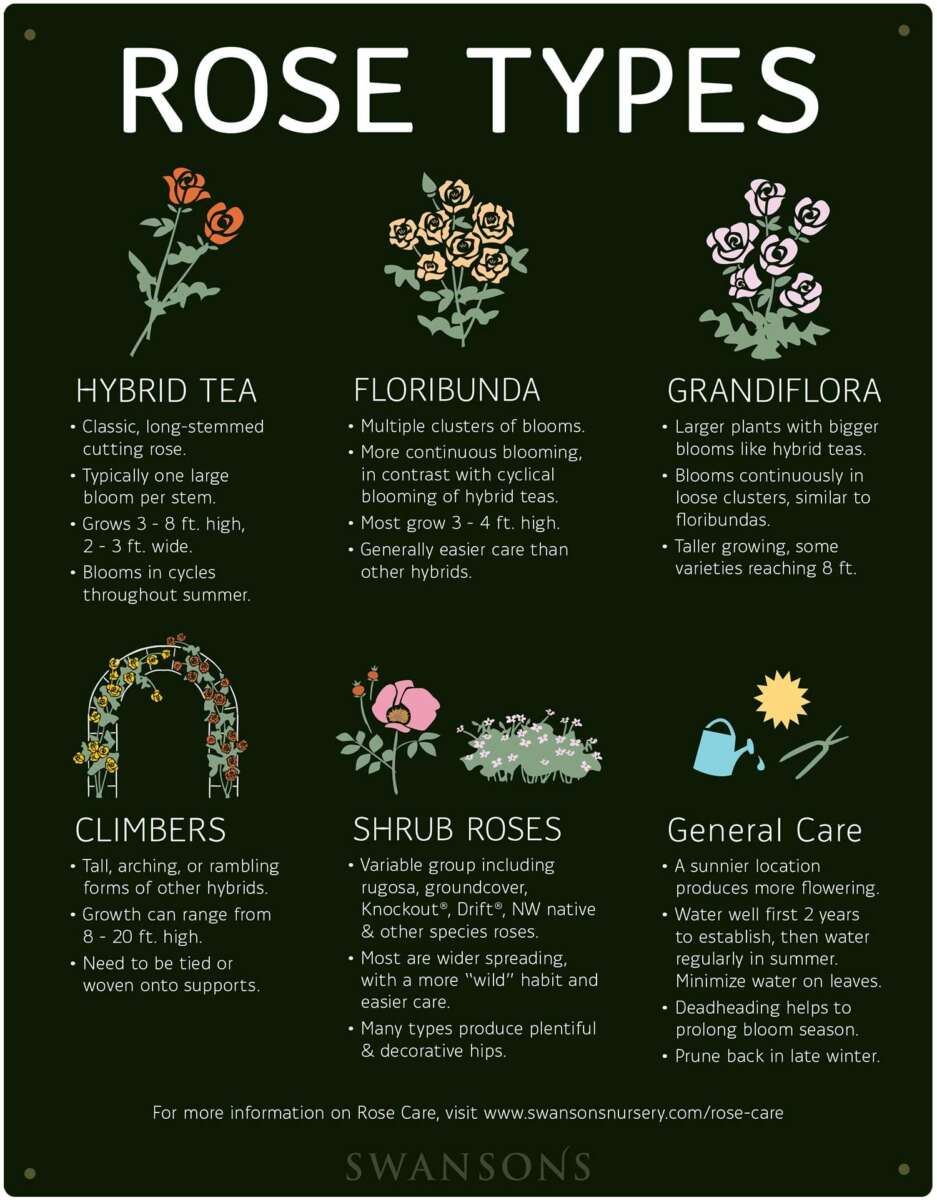
This guide explains what do you use to prune roses, when to use each tool, how to make proper cuts, and which common mistakes can damage a rose bush. Whether you grow hybrid teas, shrub roses, climbers, or old garden roses, these simple methods will help you prune with confidence.
What Do You Use to Prune Roses?
The best tool for most rose pruning is a sharp pair of bypass hand pruners. They work like scissors and make a clean cut through small, living stems. Clean cuts heal faster than crushed or torn cuts.
For larger branches, you may need loppers or a pruning saw. Each tool has a clear purpose:
• Bypass pruners are best for stems up to about ¾ inch thick.
• Long-handled loppers are useful for branches between ¾ inch and 1½ inches thick.
• A narrow pruning saw handles thick, woody canes that loppers cannot cut easily.
• Thorn-resistant gloves protect your hands from sharp prickles.
• Household disinfectant or rubbing alcohol helps clean tools between plants.
• Safety glasses protect your eyes when cutting tall or tangled canes.
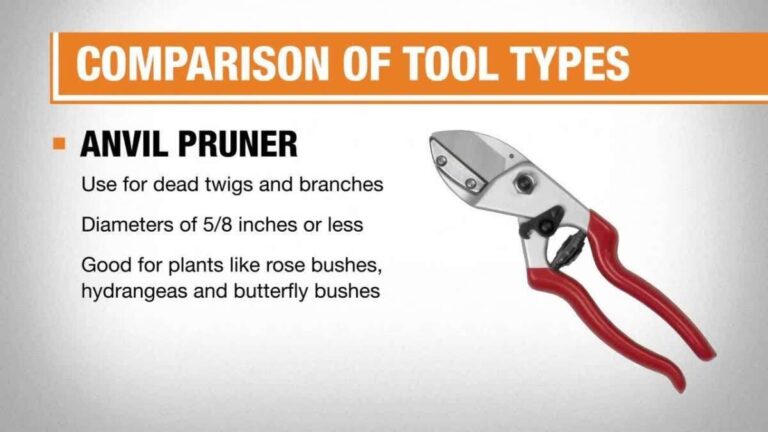
Avoid using anvil pruners for most rose stems. Anvil tools press the branch against a flat surface, which can crush soft wood. Bypass pruners leave a smoother cut and cause less damage.
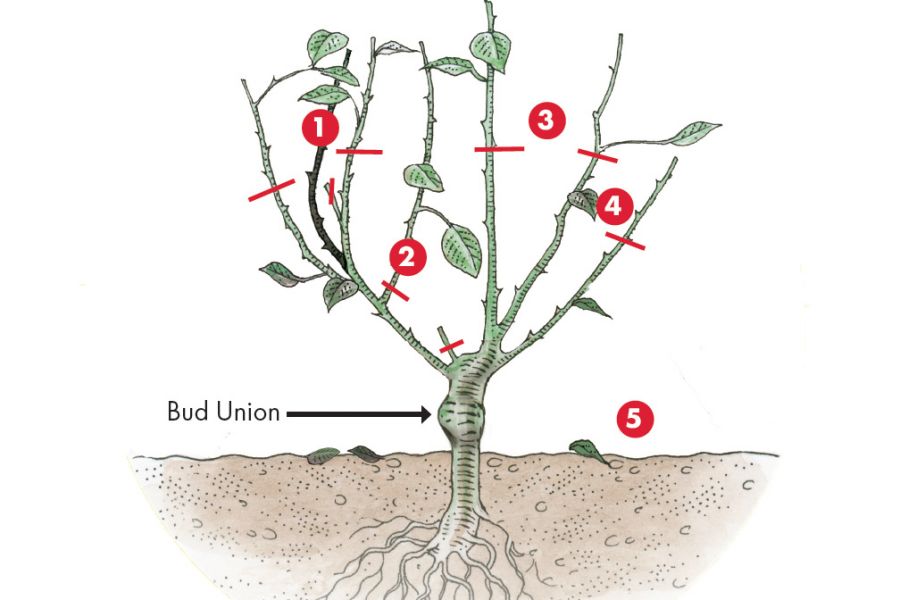
Essential Tools for Pruning Roses
Bypass Hand Pruners
Bypass pruners are the main answer to what do you use to prune roses. Choose a model that feels comfortable in your hand and has a strong, sharp blade. A locking feature also helps prevent injury when the tool is stored.
A good pair should open and close smoothly. If the handles feel stiff or the blade leaves a ragged cut, the pruners may need cleaning, sharpening, or replacement.
Long-Handled Loppers
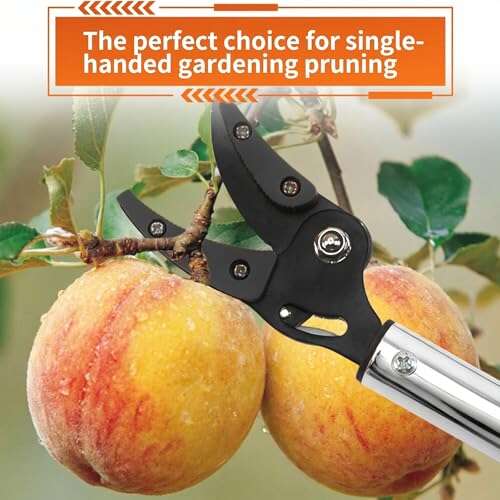
Loppers give you extra reach and cutting power. They are helpful when a rose bush has old canes that are too thick for hand pruners.
Use loppers with care. Their long handles create more force, so a poor cut can split the cane. Keep the blade close to the branch collar, but never cut into the swollen base where the cane joins another branch.
Pruning Saw
A pruning saw is the right choice for very old or thick rose canes. Select a curved or narrow saw made for garden work. Its teeth cut on the pull stroke and reduce the chance of binding.
Do not twist the saw while cutting. Let the teeth do the work. A slow, steady cut is safer than forcing the blade through hard wood.
Thorn-Resistant Gloves
Rose gloves often extend past the wrist and cover part of the forearm. Leather or reinforced synthetic gloves provide better protection than thin gardening gloves.
Even the best gloves do not make roses harmless. Hold each cane away from your body before cutting, and watch for hidden thorns beneath leaves.
Cleaning and Sharpening Supplies
Clean tools help limit the spread of fungal and bacterial diseases. Keep rubbing alcohol, disinfectant wipes, or a suitable household disinfectant nearby.
You also need a small sharpening stone or tool sharpener. A sharp blade cuts stems cleanly, while a dull blade crushes them and requires more effort.

How to Choose the Right Rose Pruning Tool
Choosing what do you use to prune roses depends mainly on branch thickness, plant size, and the type of cut you need to make.
Use this simple guide:
• For green stems thinner than a pencil, use bypass pruners.
• For woody branches about the width of a finger, use strong bypass pruners or loppers.
• For thick, old canes, use a pruning saw.
• For branches above shoulder height, use a stable step stool instead of stretching.
• For dense growth, use gloves and eye protection before reaching into the plant.
Never use hedge shears to shape most roses. Hedge shears cut many stems at once and create a flat surface. This method may work for some landscape shrubs, but it often removes flower-producing wood from roses.
Electric pruners can help people with limited hand strength. However, they can remove too much wood very quickly. Beginners should use them slowly and inspect each cut before making the next one.

How to Prepare Your Tools Before Pruning
Before asking what do you use to prune roses, make sure your tools are clean, sharp, and safe. Preparation takes only a few minutes but can prevent many problems.
Follow these steps:
-
Wash dirt from the blades with soap and water.
-
Dry the tools fully to prevent rust.
-
Disinfect the blades with rubbing alcohol or a suitable garden disinfectant.
-
Check that the blade and spring move smoothly.
-
Sharpen the blade if it drags or crushes stems.
-
Tighten loose screws, but do not make the tool hard to open.
-
Put on gloves, long sleeves, and eye protection.
Clean your pruners again after cutting diseased wood. If you move from one rose bush to another, disinfect the blades between plants. This extra step is especially useful when black spot, canker, or powdery mildew is present.
Do not pour bleach directly onto metal tools for long periods. Strong bleach solutions can corrode metal. If you use a diluted bleach mix, rinse and dry the tools soon afterward.

How to Prune Roses Correctly
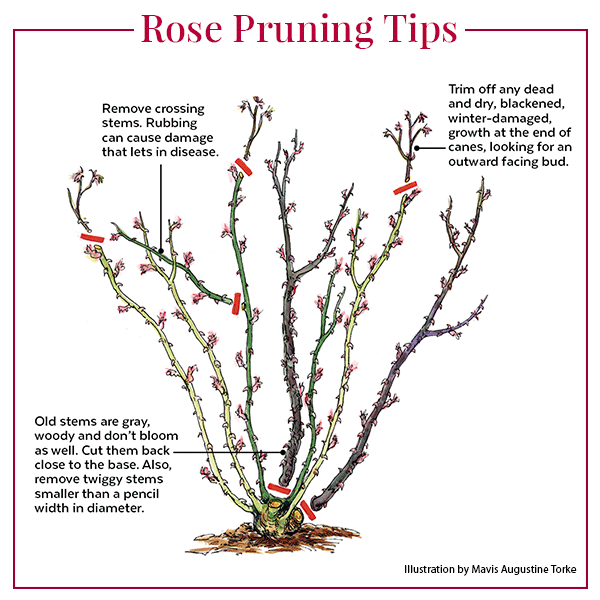
The right answer to what do you use to prune roses also includes knowing how to use each tool. A sharp pruner cannot fix a poor cut or the wrong pruning decision.