What To Cut Back In Fall: Essential Pruning Guide
Cut back dead, diseased, and damaged growth in fall, but leave many healthy stems for winter protection.
Knowing what to cut back in fall can make your garden cleaner, safer, and healthier without removing food and shelter that wildlife needs. The best approach depends on the plant, your climate, and whether the growth is truly dead or simply going dormant.
With years of hands-on garden care, I have learned that fall pruning is less about making every bed look tidy and more about making smart choices. This guide explains what to cut back in fall, what to leave alone, and how to avoid common pruning mistakes.
Why Fall Pruning Matters
Fall pruning can reduce disease, improve winter safety, and prepare some plants for strong spring growth. It also helps remove weak stems that may break under snow or strong wind.
Still, fall is not the right time to cut every plant. Some stems protect crowns from cold. Others hold seeds that feed birds. A few plants may even produce fresh growth if pruned too early.
The key is to know the difference between:
• Dead growth that no longer serves the plant
• Diseased growth that may spread infection
• Damaged branches that pose a safety risk
• Healthy growth that offers winter shelter
• Old stems that protect the plant from cold
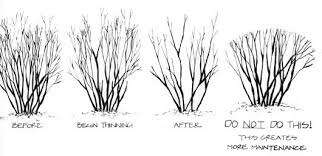
In my own garden work, the biggest mistake I see is over-pruning. Many people cut every perennial to the ground because they want a neat look. That can remove winter habitat and expose plant crowns to cold and wet weather.
What to Cut Back in Fall
The best fall pruning targets are dead, diseased, broken, and unsafe parts of the garden. These parts offer little value and may create problems during winter.
Dead Perennial Foliage
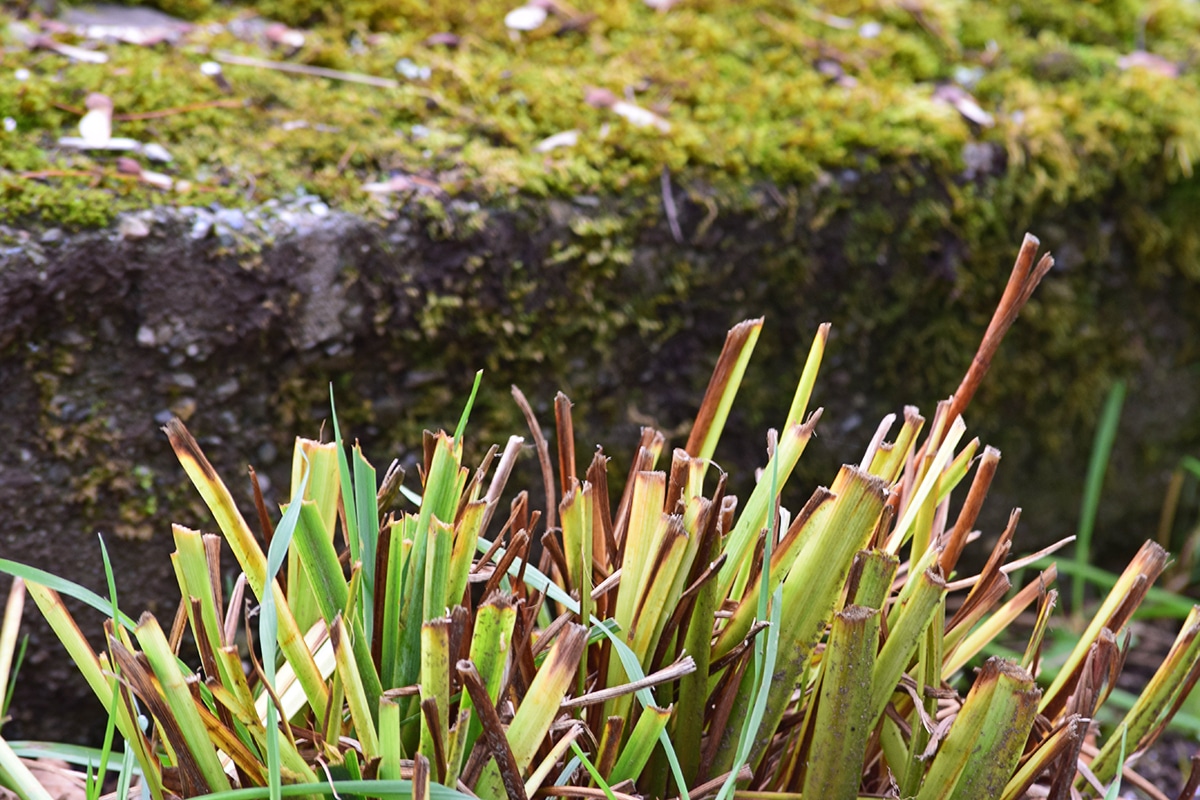
Cut back perennials when their leaves turn brown, collapse, or become slimy. Remove the foliage near the base, but avoid cutting into the crown.
Good examples include:
• Peonies after frost kills the leaves
• Hostas after the foliage turns yellow or brown
• Daylilies after their leaves collapse
• Irises after leaves show signs of disease
• Bee balm with severe powdery mildew
• Columbine after the foliage dies back
Use clean pruners and remove diseased leaves from the garden. Do not add clearly infected material to a home compost pile unless your compost system reaches temperatures high enough to destroy pathogens.
Diseased Plant Material
Disease is one of the strongest reasons to prune in fall. Remove leaves and stems with clear signs of infection, such as black spots, cankers, white fungal growth, or severe mildew.
Cut below the affected area and disinfect your pruners between plants. A household disinfectant made for garden tools can help reduce the spread of disease.
Avoid placing diseased plant parts in municipal compost or a home pile without checking local guidance. Some diseases can survive in cool compost and return the next year.
Broken and Damaged Branches
Remove branches that are cracked, split, hanging, or rubbing against other branches. These limbs can break during ice, snow, or high winds.
Make cuts just outside the branch collar. The branch collar is the slightly swollen area where a branch joins a larger limb. Do not cut flush against the trunk, because that creates a larger wound.
Small broken twigs can wait until a dry day. Large limbs near power lines, roofs, or walkways require a qualified arborist.
Dead Annual Plants
Annual flowers and vegetables that have finished producing can usually be removed in fall. Take out:
• Dead tomato and pepper plants
• Spent cucumber and squash vines
• Old bean plants
• Diseased pumpkin vines
• Finished marigolds and petunias
Healthy annual plants can go into a compost pile. Diseased tomato vines should be removed from the garden because fungal spores can remain on the plant material.
Plants That Block Paths or Windows
Cut back growth that touches walkways, covers windows, blocks lights, or hides steps. This is both a garden task and a home safety task.
A small amount of shaping can also improve air movement around crowded plants. Better airflow helps leaves dry faster and may reduce fungal disease.

What Not to Cut Back in Fall
Some plants should remain standing through winter. Their stems protect the soil, feed birds, catch snow, and provide homes for beneficial insects.
Ornamental Grasses
Leave most ornamental grasses standing until late winter or early spring. Their dry leaves add texture and protect the crown from cold.
They also provide seeds for birds. Cut them back before new spring shoots begin, usually when daytime weather starts to warm.
One exception is grass with disease or severe pest damage. In that case, remove the affected material and dispose of it properly.
Coneflowers and Black-Eyed Susans
Leave seed heads on coneflower and black-eyed Susan plants when possible. Birds such as goldfinches often feed on their seeds during winter.
The stems also give small insects places to shelter. Cut them back in late winter if you prefer a cleaner look or if the plants have serious disease.
Lavender and Russian Sage
Avoid heavy fall pruning on woody herbs and semi-woody plants. Lavender, Russian sage, and some sages may suffer winter damage when cut back too far.
Remove dead flower stalks if you want, but leave most green and woody stems until spring. Then prune after new growth appears.
Hydrangeas
Hydrangea pruning depends on the type. Bigleaf and oakleaf hydrangeas often bloom on old wood, so cutting them in fall may remove next year’s flowers.
Panicle and smooth hydrangeas bloom on new wood and can handle more pruning. Even so, late winter or early spring is often a better time for major shaping.
If you are unsure which hydrangea you have, remove only dead or broken stems in fall. A plant tag, local extension office, or nursery can help identify the type.
Spring-Blooming Shrubs
Do not heavily prune spring bloomers in fall. Forsythia, lilac, bridal wreath spirea, and many viburnums set flower buds on older wood.
Pruning them in fall may leave you with healthy shrubs but few spring flowers. Shape these plants after they finish blooming.
Fruit Trees
Avoid major pruning of apple, pear, peach, cherry, and plum trees in fall unless a trained professional recommends it. Fresh cuts may heal slowly and can attract disease or pests.
Remove dead, broken, or dangerous branches only. Save structural pruning for the proper season in your region.
Roses
Rose care varies by type and climate. Remove dead or diseased leaves, but avoid cutting roses back hard in fall.
In cold regions, wait until late winter or early spring for major pruning. A light trim can reduce wind damage, but heavy fall pruning may encourage tender new growth.

Fall Pruning by Plant Type
Different plants need different treatment. Use the plant’s growth habit and bloom time as your guide.
Perennial Flowers
Many herbaceous perennials can be cut back after frost turns the foliage brown. Leave a few stems standing if they provide seeds or winter habitat.